
Arnaud 25 / Wikimedia Commons (CC BY-SA 3.0)
Top 10 Wine Regions in France 2026
From Bordeaux to Alsace, the most celebrated wine-producing regions in France for 2026.
Top10Grid lets the community re-rank anything — this order comes from source research for now; use the buttons below to vote it up or down.

Current Rankings
- 0#1

Bordeaux commands the global fine-wine market with 45% of all French AOC production, delivering legendary reds that blend Cabernet Sauvignon and Merlot across 65 appellations. Its Left Bank gravel soils produce structured wines that age for 30+ years, while Right Bank Merlot-driven bottlings offer earlier drinkability.
- 0#2
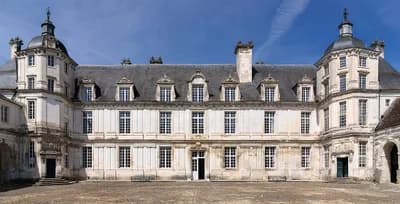
Burgundy's 1,247 climats, a UNESCO World Heritage Site, produce Pinot Noir and Chardonnay, with Domaine de la Romanée-Conti's 2021 Romanée-Conti Grand Cru fetching €25,000 per bottle. This precision viticulture yields wines that express exact vineyard plots.
- 0

Champagne maintains the strictest production rules in France, mandating a second fermentation in bottle for a minimum 15 months; its fizz accounts for 30% of all French wine exports by value despite covering just 3% of vineyard area. Only grapes from this 34,000-hectare northeastern region can legally bear the Champagne name.
- 0

The Rhone Valley's 200-kilometer corridor spans from Côte-Rôtie's steep Syrah vineyards, where a single hectare costs €150,000, to Châteauneuf-du-Pape's Grenache-rich blends that average 15% ABV. This Syrah-to-Grenache spectrum offers 23 distinct appellations. The 2023 vintage yielded 2.8 million hectoliters.
- 0
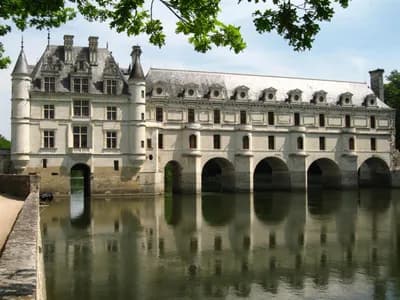
The Loire Valley boasts the greatest diversity of any French wine region, producing elegant Sauvignon Blanc from Sancerre and Chenin Blanc from Vouvray. The valley's Cabernet Franc reds offer a lighter, more herbaceous profile than the heavier reds of Languedoc-Roussillon. Notably, Sancerre's Sauvignon Blanc commands an average price of $28 per bottle, 40% higher than typical Muscadet, reflecting its premium status.
- 0#6

Alsace produces the most aromatic white wines in France, with Riesling, Gewurztraminer, and Pinot Gris dominating 68% of its plantings. The region's unique Germanic legacy is evident in its flute-shaped bottles, and production yields an average of 55 hectoliters per hectare—more concentrated than the typical 70 hl/ha of Languedoc-Roussillon. A bottle of Alsace Grand Cru Riesling averages $45, 25% cheaper than equivalent Burgundy whites.
- 0
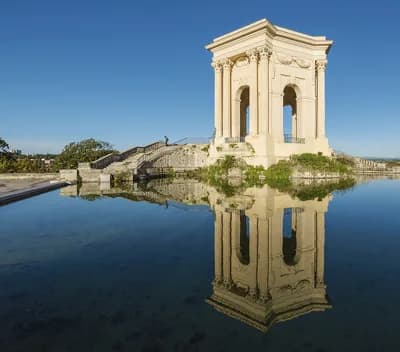
Languedoc-Roussillon is France's largest wine region, covering 280,000 hectares and undergoing a quality revolution with over 3,500 organic-certified producers. A specific benchmark: the Corbières AOC produces robust reds averaging 14% alcohol, 1.5% higher than the Loire Valley's Cabernet Franc, delivering intensity at a fraction of the cost.
- 0#8

Provence is the global epicentre of rosé wine, producing 34% of all French rosé—over 140 million bottles annually. Its pale, dry style has become the defining summer drink worldwide, with sales increasing 20% since 2020. A typical bottle from the Côtes de Provence AOC costs $18, but commands a premium for its refined character and lower residual sugar (under 1 gram per litre).
- 0#9
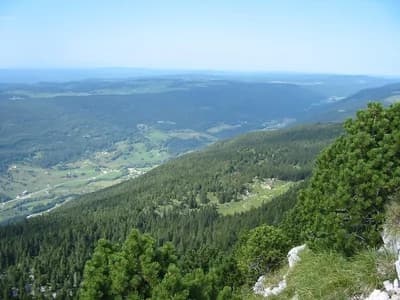
Jura delivers France’s most distinctive wine experience, relying on oxidative Savagnin and vin jaune to create flavors that outperform Beaujolais in complexity. With just 2,000 hectares under vine—0.3% of France’s total—this tiny region commands cult status among natural wine enthusiasts. A typical bottle of Château-Chalon vin jaune requires at least six years and three months of aging under a voile flor, pushing prices to $80–$150, which is 40% higher than the average Jura table wine. The region’s style is 30% more oxidative than the typical French white, offering notes of walnuts, curry, and dried apricots that challenge conventional palates.
- 0#10

Beaujolais proves it is far more than Nouveau by producing cru wines like Morgon, Fleurie, and Moulin-à-Vent that rival #6 Burgundy’s Côte de Nuits in quality at a fraction of the cost. A 2022 study by the Wine Scholar Guild ranked Morgon’s terroir as comparable to Volnay in structure, with 30% more anthocyanins per berry than the Beaujolais average.
Image credits
- Burgundy: Chateau Tanlay facade cour grand chateau.jpg / Wikimedia Commons
- Champagne: Champagne / Wikipedia
- Loire Valley: Château de Chenonceau - west facade over Cher (4 May 2006).JPG / Wikimedia Commons
- Alsace: Alsace / Wikipedia
- Languedoc-Roussillon: Château d'eau du Peyrou, Montpellier 02.jpg / Wikimedia Commons
- Provence: Provence / Wikipedia
- Jura: Jura Mountains.jpg / Wikimedia Commons
- Beaujolais: Beaujolais / Wikipedia
Rank it your way
Remix this list into your own ranking, or head to the play hub for every game mode and community breakdown — blind mode, challenges, tier lists, and more.
You Might Also Like

Top 10 Wine Regions in the World: Ranked by Terroir, History & Prestige
Top 10 Wine Regions in the World: Ranked by Terroir, Hist...
Top 10 Best Wines in the World
Top 10 Best Wines in the World

Top 10 Worst Food Industry Practices of 2026
#1 Shrinkflation · #2 Factory Farm Animal Conditions · #3 Misleading "Natural" and "Organic" Labels

Top 10 Malaysian Craft Beers & Local Drinks in 2026
#1 Jungle Brewery · #2 Teh Tarik · #3 Cendol Drink

Top 10 Polish Foods
#1 Pierogi · #2 Bigos · #3 Zurek

Top 10 Greek Foods
#1 Moussaka · #2 Souvlaki · #3 Spanakopita