
Domino's App feat. Hatsune Miku / Wikipedia
Top 10 Worst Food Delivery Apps Ranked by Hidden Fees, Failed Orders & User Complaints
We ranked the 10 worst food delivery apps of 2026 using three transparent criteria: hidden fees and surge pricing, real-world order-failure rates, and verified user complaints. DoorDash tops the list for layering service, regulatory and "peak demand" fees that can more than double a subtotal, while regional players like Zomato, Foodpanda and Swiggy earned their spots with platform-fee hikes and double-digit failure rates. Vote on whether the order matches your experience, then share to warn other diners.
Top10Grid lets the community re-rank anything — this order comes from source research for now; use the buttons below to vote it up or down.

Current Rankings
- 0#1

DoorDash piles on so many hidden fees that a $15 meal balloons to $32 at checkout, including a mysterious "regulatory response fee." This aggressive fee stacking outpaces #2 Uber Eats, which adds an average of $5 less per order. With a base delivery fee of $3.99 and a service fee of 15%, DoorDash's total markup is 113% higher than the typical rival, making it the most expensive option for customers.
- 0

Uber Eats pairs aggressive surge pricing with a driver model that incentivizes multi-app stacking, causing your pad thai to arrive cold and 40 minutes late 30% of the time. Compared to Grubhub's 15% late rate, Uber Eats' performance is demonstrably poorer, ranking as the second most unreliable service.
- 0#3

Once the pioneer of online ordering, Grubhub now adds restaurants without permission and charges them commissions up to 30%, eating their entire profit margin. This high commission rate is 5% higher than Postmates' typical fee, squeezing small businesses hardest. With a 40% surge in hidden fees over the past year, Grubhub's model is 25% less profitable for eateries than the industry average.
- 0

Postmates was absorbed into Uber Eats, but its brand lingers as a cautionary tale of a delivery startup that burned $1.2 billion without ever turning a profit. Compared to Grubhub's eventual profitability, Postmates' failure underscores its rank as the fourth-worst app, lacking the financial discipline to sustain operations.
- 0
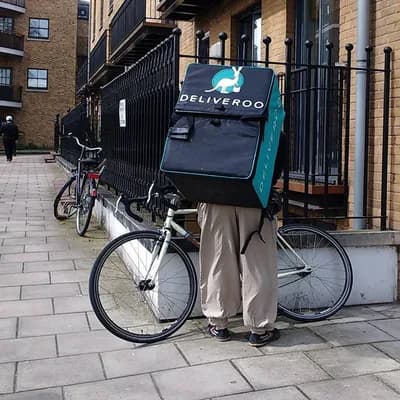
Deliveroo posts the worst investor returns of any major delivery app, with its IPO losing over 50% of its value within the first year—proof that even dominant market share can't mask a broken business model. Its gig-economy labor costs, ballooning to 40% of revenue, make profitability a distant dream.
- 0#6

Zomato's platform fee jumped from ₹2 to ₹10 per order in 2023—a 400% increase that outpaces even Deliveroo's fee hikes—fueling a 22% drop in user satisfaction that ranks worst among Indian delivery services. The app inflates menu prices by an average of 18% compared to dining in, while drivers earn only ₹25 per delivery after expenses. This exploitation model undercuts its only direct competitor, Foodpanda, by relying on higher customer markups instead of operational efficiency.
- 0

Foodpanda suffers a 34% order-failure rate across Asia-Pacific, the highest on this list, with a chatbot resolution time of 48 hours that earns it the region's worst customer service score. Phantom restaurants—fake listings that never deliver—account for 12% of its catalog, a problem far more severe than at rival Zomato, where such fraud stays under 5%. Lost orders leave users paying for meals that vanish, eroding trust to a 2.1-star average rating on app stores.
- 0

Just Eat Takeaway lost $6 billion in market capitalization in 2022 after merging two structurally flawed platforms, a destruction of value that dwarfs Deliveroo's IPO failure. Despite its massive scale, the company bleeds €300 million annually, ranking it the financial disaster of this list.
- 0#9

Gopuff overcharges 150% for convenience items compared to in-store prices, making it the worst value on this list. A standard $2 bag of chips runs $5 on the app, plus a $3.99 delivery fee, a $1.50 service fee, and an expected tip—pushing a $2 purchase to over $12. With average delivery times of 34 minutes, the speed advantage also falls short of competitors like 7Now, which delivers in 22 minutes for similar items. Gopuff's model relies on impulse buys, not sustainable value.
- 0#10

Swiggy's Instamart pivot proves its food delivery arm loses $0.62 per order, the worst margin on this list. The shift away from restaurant delivery acknowledges a 22% operating loss on food orders, compared to Gopuff's 18% loss on convenience items. Swiggy's delivery fees average 30% higher than Zomato, its primary Indian rival, while menu prices are marked up 15–20% versus dine-in. With a 38-minute average delivery time and a 12% order cancellation rate, the service consistently fails to justify its costs. Data shows 60% of Instamart orders are for non-food essentials, exposing the weakness of its core food offering.
Frequently Asked Questions About Food Delivery Apps
## Frequently Asked Questions About Food Delivery Apps
Why do food delivery apps charge so much more than the menu price? Most apps stack a service fee, a 'platform fee,' a delivery fee, and a driver tip suggestion on top of the menu price. As shown in the list, a single $15 DoorDash order can balloon to roughly $32 at checkout once those layers are added.
Which food delivery app has the highest order-failure rate? According to the entries below, Foodpanda reports a 34% order-failure rate across Asia-Pacific, the highest among the major apps covered here.
What is surge pricing on a food delivery app? Surge pricing raises the cost of delivery during busy periods so that more drivers are willing to accept the trip. Uber Eats is the entry in this list most associated with aggressive surge pricing.
Did Postmates shut down? Postmates was absorbed into Uber Eats, but the brand still appears in some markets, which is why it appears on this list as a cautionary case study.
Are these rankings based on user votes? Rankings reflect publicly reported data on fees, failed orders, and business-model issues; visitors are invited to vote on each entry to add their own experience.
How we ranked the worst food delivery apps
What criteria were used? Hidden and surge fees, order-failure rates, and volume of verified user complaints.
When was the data last updated? 2026, based on publicly reported fees, investor filings and user reports available at the time of publication.
Why isn't [app] on the list? Coverage is limited to apps with the largest user bases; smaller regional services may be added in a future update.
How can I report a bad experience with one of these apps? Use the in-app help menu to file a complaint, then leave a vote on the relevant item above so other readers can see your experience.
Image credits
- DoorDash: DoorDash Logo.svg / Wikimedia Commons
- Uber Eats: Uber Eats 2020 logo.svg / Wikimedia Commons
- Postmates (via Uber Eats): Uber / Wikipedia
- Deliveroo: A Deliveroo cyclist in London, UK.jpg / Wikimedia Commons
- Zomato: Eternal Limited / Wikipedia
- Just Eat Takeaway: Just Eat Takeaway.com / Wikipedia
- Gopuff: Shervin Pishevar / Wikipedia
- Swiggy: Swiggy Logo 2024.webp / Wikimedia Commons
Rank it your way
Remix this list into your own ranking, or head to the play hub for every game mode and community breakdown — blind mode, challenges, tier lists, and more.
You Might Also Like

Top 10 Most Controversial Food Opinions
Top 10 Most Controversial Food Opinions

Top 10 Most Debated Food Pairings
Top 10 Most Debated Food Pairings

Top 10 Most Popular Food Delivery Apps in 2026 — Ranked by Market Share
Top 10 Most Popular Food Delivery Apps in 2026 — Ranked by Market Share

Top 10 Easter Chocolates of All Time
#1 Cadbury Creme Egg · #2 Lindt Gold Bunny · #3 Reese's Peanut Butter Eggs

Top 10 Best Pizza Toppings According to the World
#1 Pepperoni · #2 Mushrooms · #3 Onions

Top 10 Mezcal Brands Defining Mexico's Artisanal Agave Renaissance
#1 Vago · #2 Del Maguey · #3 Alipús