Singapore's hawker culture was inscribed on the UNESCO Representative List of Intangible Cultural Heritage of Humanity in December 2020, recognizing its hawker centres — open-air food courts housing dozens of individual stalls — as a unique and irreplaceable social institution at the heart of Singaporean identity. The city-state has over 110 hawker centres and over 6,000 licensed hawker stalls, feeding an estimated 2.8 million people daily at prices ranging from SGD 2-10 per dish. Singapore is also home to the world's cheapest Michelin-starred meal — a plate of Chicken Rice at Hawker Chan in Chinatown, still priced at SGD 3.80 after receiving its star in 2016.
Curated by our food editors. Critical reception and community vote both shape the ranking — updated as opinions shift.
Top 10 Singaporean Hawker Foods

Hainanese Chicken Rice is Singapore's unofficial national dish, a deceptively simple preparation of poached or roasted chicken served over fragrant rice cooked in chicken fat and broth, accompanied by a trio of dipping sauces — chili-ginger, dark soy, and pounded ginger — and a bowl of clear chicken soup. The dish was brought to Singapore by Hainanese immigrants in the early 20th century and refined over decades into the definitive Singaporean version. Tian Tian Chicken Rice at Maxwell Food Centre, repeatedly named Singapore's best by food guides and visited by celebrity chefs including Gordon Ramsay and Anthony Bourdain, sells over 500 portions daily.

Singapore Laksa (specifically Katong Laksa) is a rich, coconut milk-based curry noodle soup considered by many food critics to be Singapore's most representative dish and listed at number 44 on CNN Travel's 50 best foods in the world. The Katong variant, originating from the Peranakan community of the East Coast's Katong neighborhood, uses short cut rice vermicelli that can be eaten entirely with a spoon, thick coconut milk broth, large fresh shrimp, fish cake, cockles, and a fragrant rempah spice paste base. The dish's origins are disputed between competing hawker stalls on East Coast Road, with the "Laksa Wars" of the 1990s — a legal battle over the dish's name — becoming a piece of Singaporean culinary folklore.

Singapore's Char Kway Teow is a stir-fried flat rice noodle dish cooked over extremely high heat to achieve smoky "wok hei," combined with Chinese sausage (lap cheong), cockles, bean sprouts, eggs, and dark soy sauce for a dish of extraordinary savory depth. Unlike the Penang version — which Singaporeans acknowledge as a related but distinct preparation — the Singapore style often includes a generous amount of lard for a richer, more indulgent finish. The best plates come from hawkers who cook only 2-3 portions at a time over charcoal or extremely high gas flames, with well-known stalls at Old Airport Road Food Centre and Bedok Interchange Hawker Centre attracting queues of 30-60 minutes.

Singapore Hokkien Mee is a unique local creation distinct from its Malaysian namesake, featuring thick yellow egg noodles and thin rice vermicelli braised together in a rich prawn and pork broth until the noodles absorb almost all the liquid, leaving a saucy, deeply umami dish served with fresh prawns, squid, egg, pork belly, and sambal belachan on the side. The dish originated in the 1950s among Hokkien labourers working in the Singapore River area and evolved into one of the city's most beloved hawker dishes. Nam Sing Hokkien Fried Mee at Old Airport Road has been operating for over 60 years and was included in the Michelin Guide Bib Gourmand list in 2018.

Nasi Padang is a Minangkabau-origin rice meal of West Sumatran heritage consisting of steamed white rice surrounded by a selection of richly spiced dishes — typically beef rendang, curried fish, omelette, long beans with chili, and jackfruit curry — chosen from a display of dozens of options at Padang-style restaurant counters. In Singapore, Warong Nasi Pariaman in the Central area is among the oldest and most respected Nasi Padang institutions, having operated since 1948. The meal is a cornerstone of Singaporean Malay and Indonesian food culture and a UNESCO-recognized element of the city's culinary heritage alongside Chinese and Indian hawker traditions.

Satay Bee Hoon is a uniquely Singaporean hawker dish almost unknown outside the island, featuring fine rice vermicelli topped with a thick, savory satay peanut sauce and an assortment of ingredients including cockles, cuttlefish, pork belly, tofu puffs, and water convolvulus (kangkong). It is a product of Singapore's Teochew Chinese community and has been sold at hawker centres across the island since the 1950s. The dish is closely associated with Marsiling Lane Hawker Centre in the north and Alexandra Village Food Centre, two venues that have preserved the art of Satay Bee Hoon through multiple generations of the same hawker families.

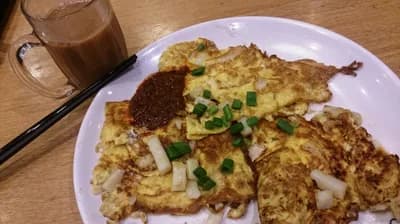
Despite its name, Singapore's Carrot Cake contains no carrot in the Western sense — it is a savory dish of steamed white radish (chai tow in Hokkien, also called "white carrot") cake cut into cubes and stir-fried with eggs, preserved radish, and spring onions in either the "white" (plain) or "black" (dark sweet soy sauce) version. The dish is a beloved breakfast and supper staple, and the debate between white and black versions is a deeply personal one for Singaporeans — both are equally popular and available at virtually every hawker centre. It was brought to Singapore by Teochew immigrants from the Chaoshan region of Guangdong province and has evolved into a distinctly Singaporean preparation over the past century.

Bak Chor Mee is a Singaporean Teochew-style noodle dish featuring springy yellow noodles or kway teow tossed in a pungent vinegar-spiked sauce or served in a clear soup, topped with minced pork, sliced pork, braised mushrooms, fish dumplings (mee pok), and crispy lard. The dish is defined by its vinegar-chili sauce balance in the dry version, which requires precise calibration — too much vinegar and it overpowers; too little and the dish loses its characteristic brightness. Tai Wah Pork Noodle at Hill Street, operated by the same family since 1939, received a Michelin star in 2016 and has maintained it continuously, with daily queues often exceeding 90 minutes.

Roti Prata is Singapore's most beloved breakfast item of South Indian Muslim origin, a crispy-yet-chewy pan-fried flatbread made by skilled prata masters who flip the dough through the air until paper-thin before folding and cooking it on a cast-iron griddle, served with curry sauce for dipping. The dish is consumed at all hours — Singapore's many 24-hour prata shops are a city institution — and comes in dozens of variants including egg (telur), coin prata, cheese prata, and the elaborately filled "mushroom cheese egg" combination. Springleaf Prata Place in the Upper Thomson area is considered by many to offer the finest prata in the city, serving a consistent queue of diners from 6am until midnight seven days a week.

Ice Kachang is Singapore's most iconic dessert, a towering mountain of machine-shaved ice drenched in colorful syrups — rose syrup, pandan syrup, and attap chee (palm seed) syrup — over a base of red beans, grass jelly, corn, and sweet potato, finishing with evaporated milk drizzled over the top. It is the definitive antidote to Singapore's relentless tropical heat and humidity, sold at hawker centres and dessert stalls across the city for SGD 2-4. The dessert has roots in the 19th-century ice kachang of the Malay-Chinese Peranakan community and remains an enduring symbol of Singapore's multicultural identity, with the multi-colored layers representing the various ethnic communities that make up the city-state.
The most-voted lists across every category — curated weekly. Join the early readers.
No spam. One email per week. Unsubscribe anytime.

Create a free account or sign in to join the discussion.
Sign in to join the conversation
Top 10 Cabbage Dishes Transforming 2026 Home CookingTop 10 Emerging Protein Innovation Snacks That Actually Taste Good
Top Food Products — beverages — March 2026
Top 10 Restaurants in Tokyo 2026Explore more Food rankings on Top10Grid

Hainanese Chicken Rice is Singapore's unofficial national dish, a deceptively simple preparation of poached or roasted chicken served over fragrant rice cooked in chicken fat and broth, accompanied by a trio of dipping sauces — chili-ginger, dark soy, and pounded ginger — and a bowl of clear chicken soup. The dish was brought to Singapore by Hainanese immigrants in the early 20th century and refined over decades into the definitive Singaporean version. Tian Tian Chicken Rice at Maxwell Food Centre, repeatedly named Singapore's best by food guides and visited by celebrity chefs including Gordon Ramsay and Anthony Bourdain, sells over 500 portions daily.

Singapore Laksa (specifically Katong Laksa) is a rich, coconut milk-based curry noodle soup considered by many food critics to be Singapore's most representative dish and listed at number 44 on CNN Travel's 50 best foods in the world. The Katong variant, originating from the Peranakan community of the East Coast's Katong neighborhood, uses short cut rice vermicelli that can be eaten entirely with a spoon, thick coconut milk broth, large fresh shrimp, fish cake, cockles, and a fragrant rempah spice paste base. The dish's origins are disputed between competing hawker stalls on East Coast Road, with the "Laksa Wars" of the 1990s — a legal battle over the dish's name — becoming a piece of Singaporean culinary folklore.

Singapore's Char Kway Teow is a stir-fried flat rice noodle dish cooked over extremely high heat to achieve smoky "wok hei," combined with Chinese sausage (lap cheong), cockles, bean sprouts, eggs, and dark soy sauce for a dish of extraordinary savory depth. Unlike the Penang version — which Singaporeans acknowledge as a related but distinct preparation — the Singapore style often includes a generous amount of lard for a richer, more indulgent finish. The best plates come from hawkers who cook only 2-3 portions at a time over charcoal or extremely high gas flames, with well-known stalls at Old Airport Road Food Centre and Bedok Interchange Hawker Centre attracting queues of 30-60 minutes.

Singapore Hokkien Mee is a unique local creation distinct from its Malaysian namesake, featuring thick yellow egg noodles and thin rice vermicelli braised together in a rich prawn and pork broth until the noodles absorb almost all the liquid, leaving a saucy, deeply umami dish served with fresh prawns, squid, egg, pork belly, and sambal belachan on the side. The dish originated in the 1950s among Hokkien labourers working in the Singapore River area and evolved into one of the city's most beloved hawker dishes. Nam Sing Hokkien Fried Mee at Old Airport Road has been operating for over 60 years and was included in the Michelin Guide Bib Gourmand list in 2018.

Nasi Padang is a Minangkabau-origin rice meal of West Sumatran heritage consisting of steamed white rice surrounded by a selection of richly spiced dishes — typically beef rendang, curried fish, omelette, long beans with chili, and jackfruit curry — chosen from a display of dozens of options at Padang-style restaurant counters. In Singapore, Warong Nasi Pariaman in the Central area is among the oldest and most respected Nasi Padang institutions, having operated since 1948. The meal is a cornerstone of Singaporean Malay and Indonesian food culture and a UNESCO-recognized element of the city's culinary heritage alongside Chinese and Indian hawker traditions.

Satay Bee Hoon is a uniquely Singaporean hawker dish almost unknown outside the island, featuring fine rice vermicelli topped with a thick, savory satay peanut sauce and an assortment of ingredients including cockles, cuttlefish, pork belly, tofu puffs, and water convolvulus (kangkong). It is a product of Singapore's Teochew Chinese community and has been sold at hawker centres across the island since the 1950s. The dish is closely associated with Marsiling Lane Hawker Centre in the north and Alexandra Village Food Centre, two venues that have preserved the art of Satay Bee Hoon through multiple generations of the same hawker families.

Despite its name, Singapore's Carrot Cake contains no carrot in the Western sense — it is a savory dish of steamed white radish (chai tow in Hokkien, also called "white carrot") cake cut into cubes and stir-fried with eggs, preserved radish, and spring onions in either the "white" (plain) or "black" (dark sweet soy sauce) version. The dish is a beloved breakfast and supper staple, and the debate between white and black versions is a deeply personal one for Singaporeans — both are equally popular and available at virtually every hawker centre. It was brought to Singapore by Teochew immigrants from the Chaoshan region of Guangdong province and has evolved into a distinctly Singaporean preparation over the past century.

Bak Chor Mee is a Singaporean Teochew-style noodle dish featuring springy yellow noodles or kway teow tossed in a pungent vinegar-spiked sauce or served in a clear soup, topped with minced pork, sliced pork, braised mushrooms, fish dumplings (mee pok), and crispy lard. The dish is defined by its vinegar-chili sauce balance in the dry version, which requires precise calibration — too much vinegar and it overpowers; too little and the dish loses its characteristic brightness. Tai Wah Pork Noodle at Hill Street, operated by the same family since 1939, received a Michelin star in 2016 and has maintained it continuously, with daily queues often exceeding 90 minutes.

Roti Prata is Singapore's most beloved breakfast item of South Indian Muslim origin, a crispy-yet-chewy pan-fried flatbread made by skilled prata masters who flip the dough through the air until paper-thin before folding and cooking it on a cast-iron griddle, served with curry sauce for dipping. The dish is consumed at all hours — Singapore's many 24-hour prata shops are a city institution — and comes in dozens of variants including egg (telur), coin prata, cheese prata, and the elaborately filled "mushroom cheese egg" combination. Springleaf Prata Place in the Upper Thomson area is considered by many to offer the finest prata in the city, serving a consistent queue of diners from 6am until midnight seven days a week.

Ice Kachang is Singapore's most iconic dessert, a towering mountain of machine-shaved ice drenched in colorful syrups — rose syrup, pandan syrup, and attap chee (palm seed) syrup — over a base of red beans, grass jelly, corn, and sweet potato, finishing with evaporated milk drizzled over the top. It is the definitive antidote to Singapore's relentless tropical heat and humidity, sold at hawker centres and dessert stalls across the city for SGD 2-4. The dessert has roots in the 19th-century ice kachang of the Malay-Chinese Peranakan community and remains an enduring symbol of Singapore's multicultural identity, with the multi-colored layers representing the various ethnic communities that make up the city-state.
If you liked this, you might love these

Top 10 Malaysian Street Food Experiences in 2026
10 items

Top 10 Foods Banned in Other Countries But Legal in the US
57 views · @admin

Top 10 Easter Foods From Around the World in 2026
51 views · @admin

Top 10 Thai Dishes You Must Try in 2026
34 views · @admin

Top 10 Budget Meals That Feed a Family of Four for Under $10
32 views · @admin

Top 10 Italian Pasta Dishes in 2026
32 views · @admin

Top 10 Fast Food Menu Items That Became Cultural Phenomena
30 views · @admin
Because you're viewing Food

Top 10 Cabbage Dishes Transforming 2026 Home Cooking
482 views · 1 votes
Top 10 Emerging Protein Innovation Snacks That Actually Taste Good
106 views · 0 votes

Top Food Products — beverages — March 2026
99 views · 0 votes

Top 10 Restaurants in Tokyo 2026
89 views · 0 votes
Top 10 Best Grilling Marinades Taking Over Summer 2026
88 views · 0 votes

Top 10 Street Food Destinations in Southeast Asia
85 views · 0 votes