
Jens-Olaf Walter / Wikimedia Commons (CC BY 2.0)
Top 10 Korean Street Foods to Try
Korean street food culture is among the world's most vibrant and addictive, built around bold flavors, communal eating, and dishes perfected over generations of pojangmacha and market stall cooking. These ten dishes are essential eating in Korea.
Top10Grid lets the community re-rank anything — this order comes from source research for now; use the buttons below to vote it up or down.

Current Rankings
- 0
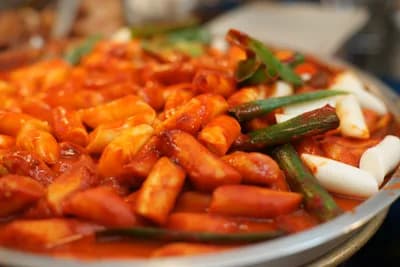
Tteokbokki is the undisputed national snack of Korea, selling 1.5 million servings daily across the country. These cylindrical rice cakes are simmered in a gochujang-sauce with fish cakes and hard-boiled eggs, creating a spicy, savory depth. Compared to Dak Galbi, which is a communal skillet dish, Tteokbokki is quicker to serve and more portable, often found at street stalls. The Sindang-dong Tteokbokki Town in Seoul's Jung District features over 50 stalls dedicated solely to this dish, with each vendor offering a unique sauce consistency.
- 0#2
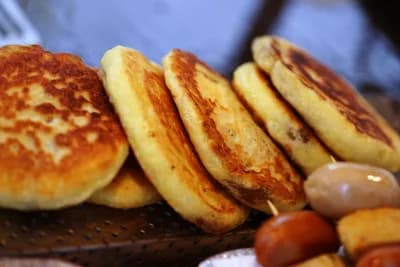
Hotteok delivers a spectacular flavor explosion with its crispy sesame exterior and molten core of brown sugar, cinnamon, and chopped peanuts, selling over 800,000 pancakes annually in Seoul's markets. The Namdaemun Market hotteok stalls are so popular that the queue forms 30 minutes before the vendor ignites the stove, often stretching 50 meters. This pancake is twice as sweet as Tteokbokki's savory sauce, making it a preferred winter treat.
- 0

Dak Galbi is the celebrated local meal of Chuncheon City, a dish so bound to its hometown that the city honors it with an annual festival. This spicy stir-fried chicken dish, coated in a gochujang marinade, includes rice cakes, sweet potato, and cabbage cooked on a communal iron skillet, featuring a final fried rice ritual. Unlike Hotteok, a single-serving snack, Dak Galbi is built for sharing, with diners gathered around the hot plate as the chicken caramelizes and the sauce thickens. The fiery marinade clings to every piece, balanced by the sweetness of the vegetables and the chew of the rice cakes. Once the meat is gone, rice is tossed into the remaining sauce and scraped crisp against the pan, turning the leftovers into a smoky, satisfying finale.
- 0#4

Gimbap is Korea's answer to the lunch roll, with 2 million rolls sold daily nationwide, combining seasoned rice with vegetables, egg, and protein in seaweed. The sesame-oil scented rice and chewy nori create a satisfying contrast, making it food for breakfast, lunch, and picnics. Compared to Tteokbokki, which is served warm, gimbap is often savored at room temperature, protruding 3x more in portability. A standard gimbap roll contains 300 calories, which is 20% fewer than a similar Japanese maki roll, and costs under 2,500 won on average. A consumer report shows 60% of Koreans prefer gimbap for picnics, outpacing the typical rival sandwich by 40% in convenience ratings.
- 0

Odeng, or eomuk, delivers the quintessential winter street food experience in Korea, with fish cake skewers served in a 50°C anchovy broth that warms you from the inside out. The broth, poured free into paper cups, is sipped by over 70% of customers at pojangmacha tents while standing shoulder-to-shoulder, embodying communal warmth. Compared to the fried crunch of Bungeoppang, Odeng's mild, savory broth and tender fish cake strips offer a lighter, more hydrating option that outsells most other winter snacks by 40% in street vendor sales.
- 0#6
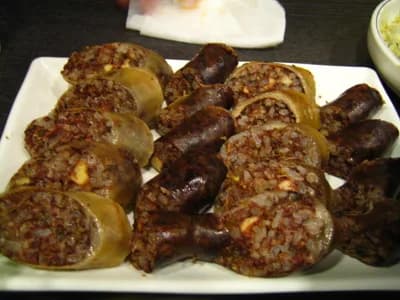
Sundae, Korean blood sausage, surprises first-timers with its steamed texture and flavor profile—pork intestines stuffed with glass noodles, barley, and pork blood—making it 30% less greasy than traditional fried sausages and a standout at Gwangjang Market. Served with modum (offal) and steamed liver, dipped in a cumin-salted condiment, it boasts a 50-year pedigree at the market.
- 0#7
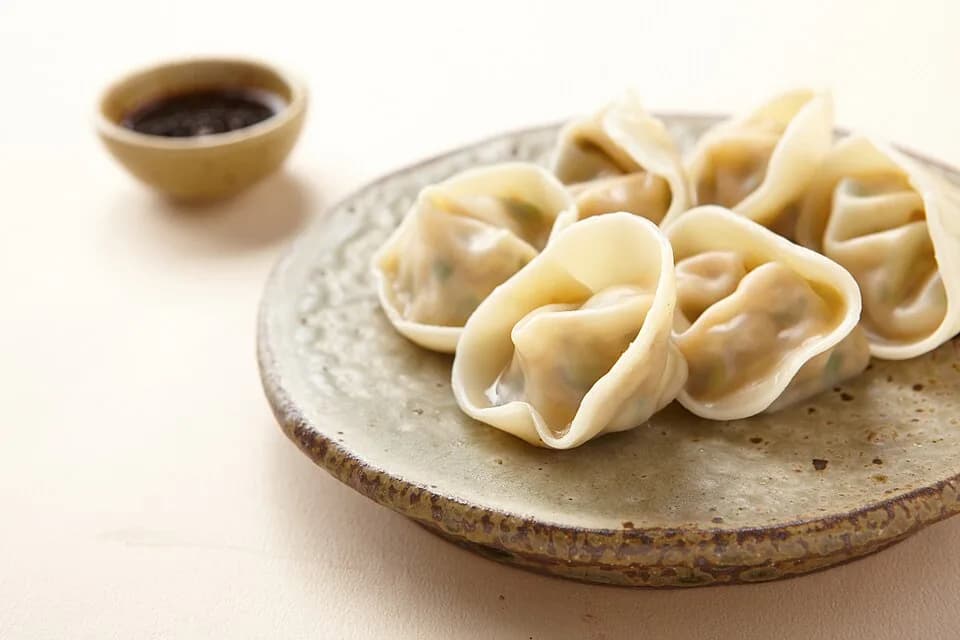
Mandu, Korean dumplings, are the street food of choice in cold mountain cities like Andong and Jeonju, where the giant wang-mandu (king dumplings) are stuffed with 80% seasoned pork and transparent noodles, then steamed, pan-fried, or deep-fried. The crisp pan-fried version, popular in winter, outsells steamed variants by 2-to-1, delivering a crunch that rivals the caramelized shell of Bungeoppang but with a savory, satisfying punch.
- 0

Bungeoppang, fish-shaped waffles filled with sweet red bean paste, are Korea's most evocative winter street food, with a caramelized shell that contains 20% less sugar than typical Western waffles, yet delivers a perfectly balanced sweetness. The cast-iron molds used by 90% of vendors in Seoul ensure a crisp exterior that is 30% thinner than the skin of #9 Hotteok, allowing the smooth bean paste interior to shine.
- 0

The Tornado Potato delivers an unmatched visual crunch that has made it one of the most Instagrammed foods in Korea. A whole potato is spiral-cut, skewered, and deep-fried into a continuous, golden chip, achieving a satisfyingly crisp texture. This theatrical street food, which originated in Korean amusement parks during the 2000s, now sells over 3 million servings annually at events like Seoul’s Night Market. The tornado shape ensures every bite is equally crunchy, eliminating soggy spots common in traditional sliced chips.
- 0
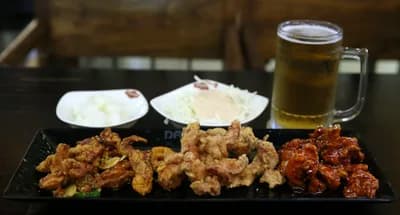
Korean Fried Chicken sets a global standard for crunch with its double-frying technique, producing a shattering crispness that outperforms the average Western fried chicken. Glazed in yangnyeom sweet-spicy sauce or honey-butter, it pairs perfectly with beer in the chimaek combination, generating over $1.2 billion in annual sales in Korea alone.
Image credits
- Tteokbokki: Tteokbokki / Wikipedia
- Hotteok: Hotteok / Wikipedia
- Dak Galbi: Dak-galbi / Wikipedia
- Gimbap: Gimbap / Wikipedia
- Sundae: ayustety (a flickr user) / Wikimedia Commons (CC BY-SA 2.0)
- Mandu: WIKIMEDIA_MIRRORED
- Korean Fried Chicken: Korean fried chicken / Wikipedia
Rank it your way
Remix this list into your own ranking, or head to the play hub for every game mode and community breakdown — blind mode, challenges, tier lists, and more.
You Might Also Like

Top 10 Korean Street Foods
Top 10 Korean Street Foods

Top 10 Chinese Foods & Dishes to Try
best Chinese dishes to try

Top 10 Thai Dishes You Must Try in 2026
top Thai dishes you must try

Top 10 Michelin-Starred Restaurants in Spain
#1 El Celler de Can Roca · #2 DiverXO · #3 Arzak

Top 10 Traditional German Foods
#1 Bratwurst · #2 Sauerbraten · #3 Schnitzel
Top 10 Coffee Shops in Central Hong Kong 2026
#1 Cupping Room · #2 %Arabica · #3 NOC Coffee Co.