Wikipedia
The best food in the world has almost never been found in restaurants. It has been found at carts, roadside stalls, and market counters where generations of cooks have refined a single dish to an art form — feeding workers, travelers, and everyone in between. From Osaka's octopus-filled batter balls to Colombia's pre-Columbian corn cakes, from Bangkok's tamarind-spiked noodles to Mexico City's Lebanese-influenced pork tacos, these ten dishes represent the richest, most flavourful cross-section of global street food culture — selected for their history, complexity, and the sheer joy of eating them standing up.
Curated by our food editors. Critical reception and community vote both shape the ranking — updated as opinions shift.

Thailand's unofficial national dish is a masterclass in balance: tamarind paste, fish sauce, palm sugar, rice noodles, eggs, and bean sprouts combine in a wok over flame-licked heat to produce something that tastes simultaneously sour, sweet, salty, and umami. The dish was actively promoted by the Thai government in the 1930s and 1940s as part of a nation-building campaign to create a unified national identity through food, replacing rice consumption with cheaper wheat-based noodles during wartime scarcity. Today it is sold by an estimated 16,000 street vendors in Bangkok alone, with every cook maintaining a slightly different formula — the best versions come from carts operating since before most of their customers were born.
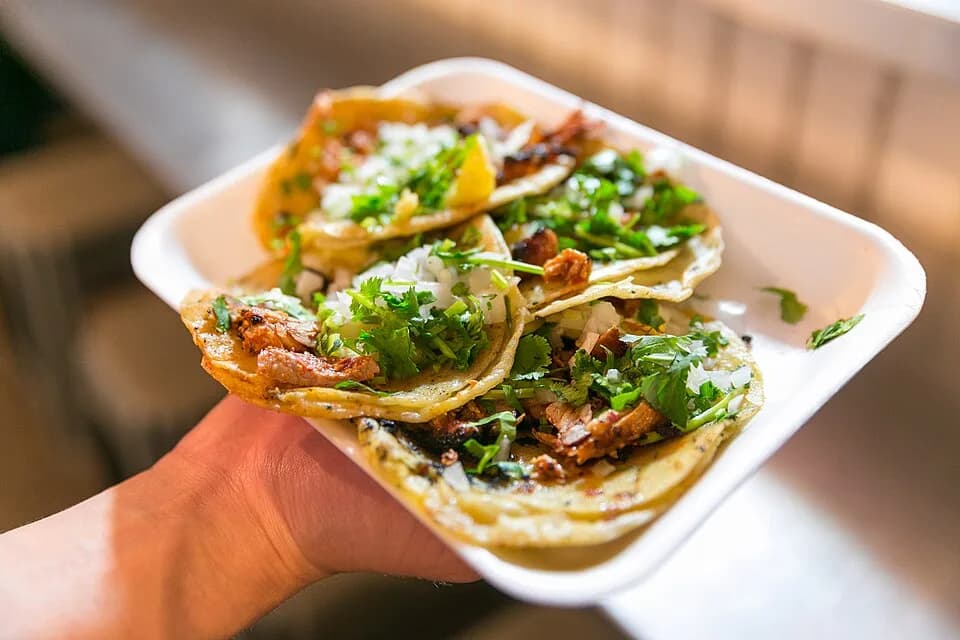
One of the most remarkable culinary fusions in food history, tacos al pastor were born in the 1930s when Lebanese immigrants arrived in Mexico City bringing shawarma — spit-roasted lamb marinated in spices — and adapted it with local ingredients: achiote paste, dried chilli peppers, pineapple, and pork. The vertical spit (trompo) is still used today, the meat shaved to order and served in doubled-up corn tortillas with cilantro and raw onion. The dish is now so embedded in Mexican identity that the taquero's theatrical spit-carving technique — slicing meat and catching it mid-air in a tortilla — is recognised by UNESCO as part of Mexico's intangible cultural heritage.
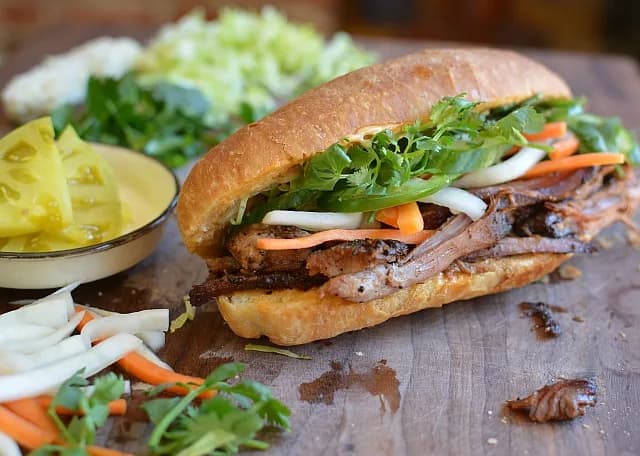
The banh mi is the product of French colonial occupation made delicious: a Vietnamese cook took the French baguette introduced during the 19th-century colonisation of Indochina and filled it with pickled daikon and carrot, fresh cucumber, cilantro, chilli, pate, and grilled pork, creating a sandwich that obliterates every French original in flavour and complexity. Selling for as little as $1 from pavement stalls across Vietnam, banh mi has been under consideration for UNESCO intangible cultural heritage status and has been ranked by multiple publications as the world's greatest sandwich. The contrast of the crisp, airy baguette against the sharp pickles and rich meat filling is a textural achievement that no other sandwich tradition has matched.
Jerk cooking is one of the oldest continuously practised cooking techniques in the Western Hemisphere, originating with the Taino people of pre-Columbian Jamaica who preserved and cooked meat over slow fires using a blend of allspice (the island's native pimento berry) and scotch bonnet peppers. Enslaved Maroons who escaped into Jamaica's Blue Mountains refined the technique through the 17th and 18th centuries, using the smoke and spice to preserve meat on long mountain journeys. Modern jerk chicken retains the same essential character — the char of the pimento wood, the fierce heat of the scotch bonnet, the deep perfume of allspice — and is now replicated in Jamaican restaurants on every continent, though nothing matches eating it from a roadside drum pan in St. Elizabeth.

The modern doner kebab as a handheld street food was invented not in Istanbul but in West Berlin in 1972, when Turkish immigrant Kadir Nurman began serving seasoned lamb shaved from a rotating vertical spit inside a flatbread at a stand near Zoo Station — a faster, more portable adaptation of the Turkish sit-down dish to suit the needs of Berlin's workers. The invention spread with extraordinary speed: Germany now consumes an estimated 400 tonnes of doner kebab daily, with over 16,000 doner shops operating across the country and the dish generating roughly €3.5 billion in annual revenue. The Berlin doner — distinguished by its use of flatbread rather than pita, and its combination of lamb, salad, and white sauce — has become a distinct culinary tradition in its own right, claimed equally by Turkish and German culture.
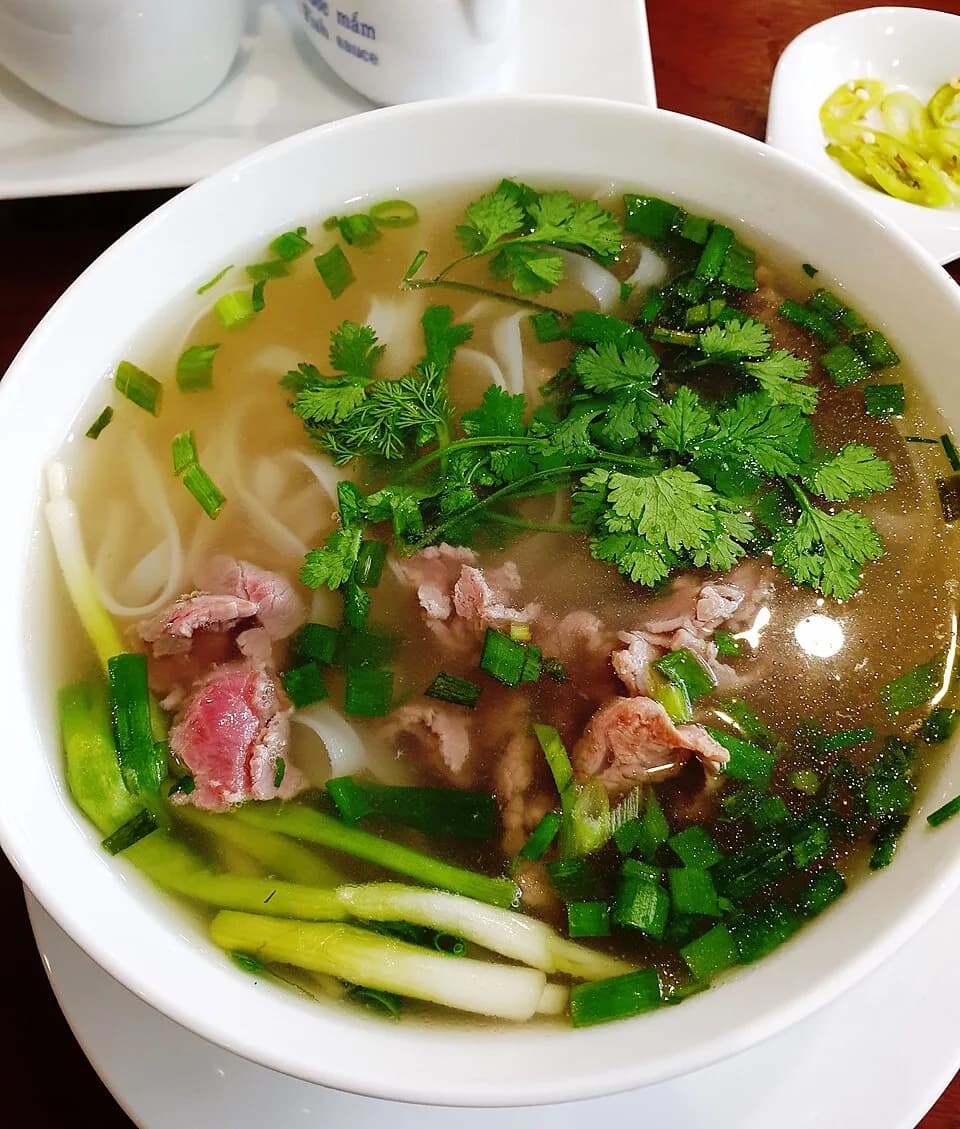
Vietnam's most famous dish emerged on the streets of Hanoi around the turn of the 20th century as a fusion of Chinese rice noodle soups and the French colonial beef-bone broth tradition — before French colonisation, beef was rarely eaten in Vietnam, and the long-simmered stock that defines pho would have been unrecognisable as Vietnamese food a century earlier. The broth is built over many hours from charred onion, ginger, star anise, clove, and cinnamon alongside beef bones, creating a fragrant, deeply savoury liquid that is served over rice noodles with thin slices of raw beef that cook in the bowl. Vietnam's food and beverage market, substantially driven by pho culture, exceeded $4.5 billion annually by the mid-2020s, with the dish now a global export served in dedicated pho restaurants across North America, Europe, and Australia.
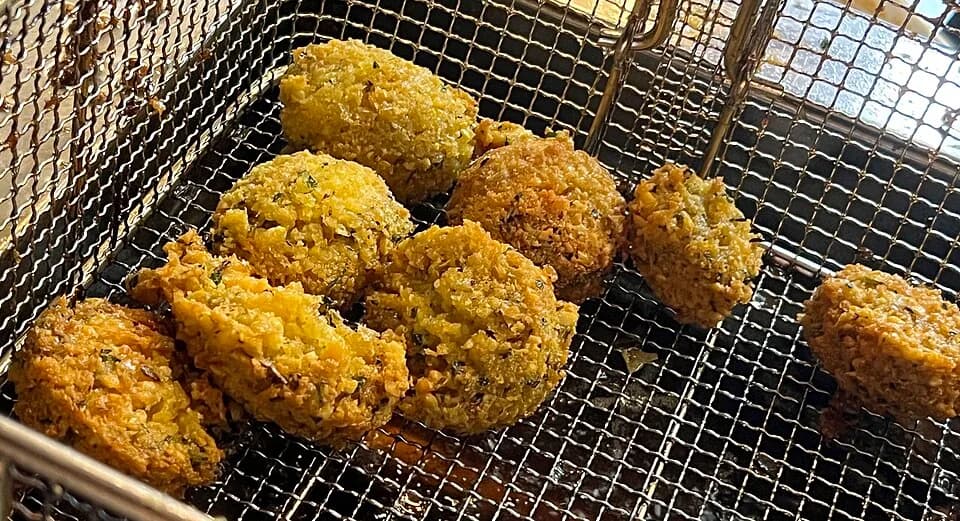
The origins of falafel are fiercely contested — Egypt's Coptic Christians claim it as a meat substitute developed during Lent, using fava beans rather than the chickpeas favoured in the Levant, while Palestinians, Israelis, and Lebanese all claim it as a national dish — but all evidence points to a dish at least 2,000 years old that travelled the Silk Road and the Arab trade routes to become the most ubiquitous street food across the Middle East and North Africa. The combination of ground legumes, cumin, coriander, garlic, and parsley formed into balls and fried in oil, then served in flatbread with tahini and pickled vegetables, is nutritionally complete, inexpensive, and produces one of the most satisfying flavour combinations in world cuisine. Falafel's global spread — via Israeli, Lebanese, and Egyptian diaspora communities — makes it now one of the most widely eaten street foods outside its region of origin.
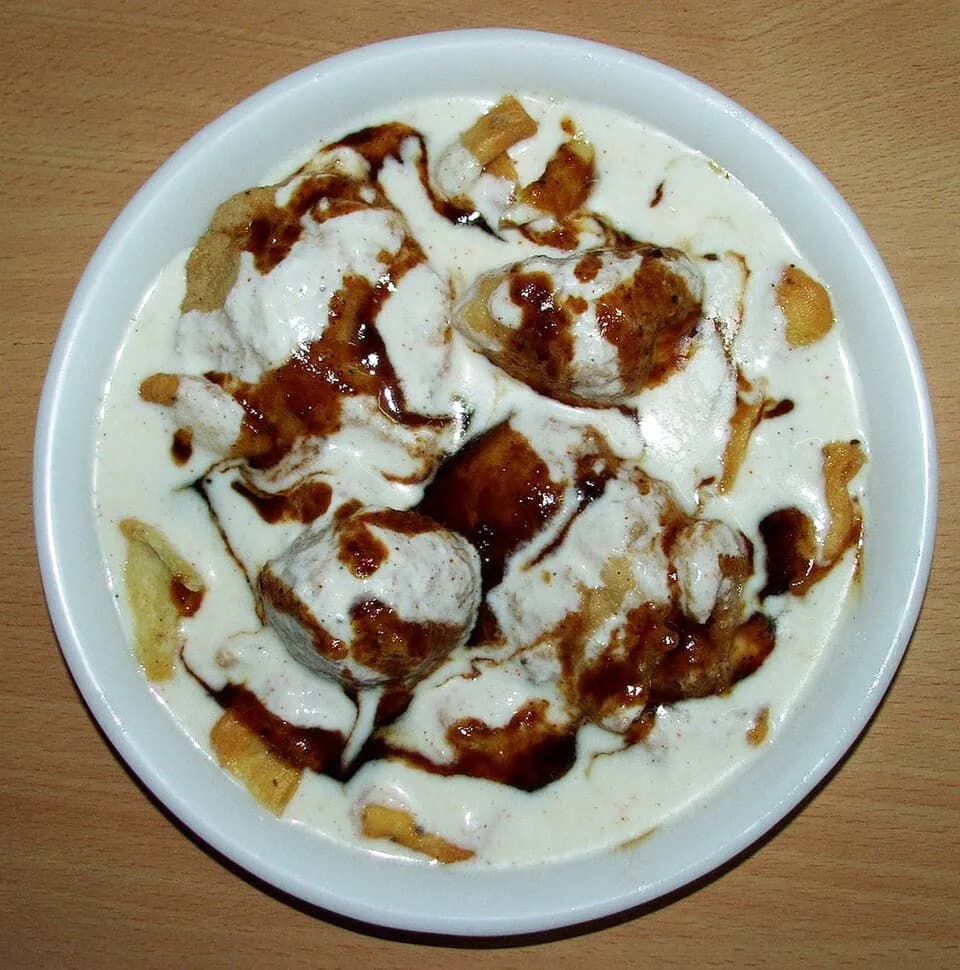
Chaat is not a single dish but an entire culinary philosophy — a category of over 100 distinct street snacks originating in the bazaars of Mughal Delhi in the 17th century, united by the principle of combining contrasting tastes and textures in a single bite: something crisp, something soft, something sour, something sweet, something fiery, all layered together. The word chaat derives from a Hindi verb meaning "to lick," a reference to the involuntary response the flavours provoke. From pani puri (hollow fried dough filled with spiced tamarind water and chickpeas) to bhel puri (puffed rice with chutneys and raw mango) to aloo tikki (spiced potato cakes), chaat encompasses a tradition of extraordinary inventiveness that has shaped Indian street food culture for four centuries and travelled globally with the Indian diaspora.

Takoyaki — batter balls filled with diced octopus, tempura scraps, pickled ginger, and green onion, cooked in a specialised cast-iron mould and topped with bonito flakes, mayo, and okonomiyaki sauce — was invented in Osaka in 1935 by street vendor Tomekichi Endo, who adapted a similar snack called akashiyaki into a richer, more portable format. The dish became so associated with Osaka's food culture that the city's residents are colloquially known as kuidaore (eating oneself into bankruptcy), and the Dotonbori district alone hosts dozens of competing takoyaki stalls each claiming the definitive version. The dish requires skill to execute — the balls are flipped with picks at a precise moment in cooking to achieve a crisp exterior and liquid-centred interior — and the theatre of watching an expert takoyaki maker at a Dotonbori stall is as much of the experience as the eating.
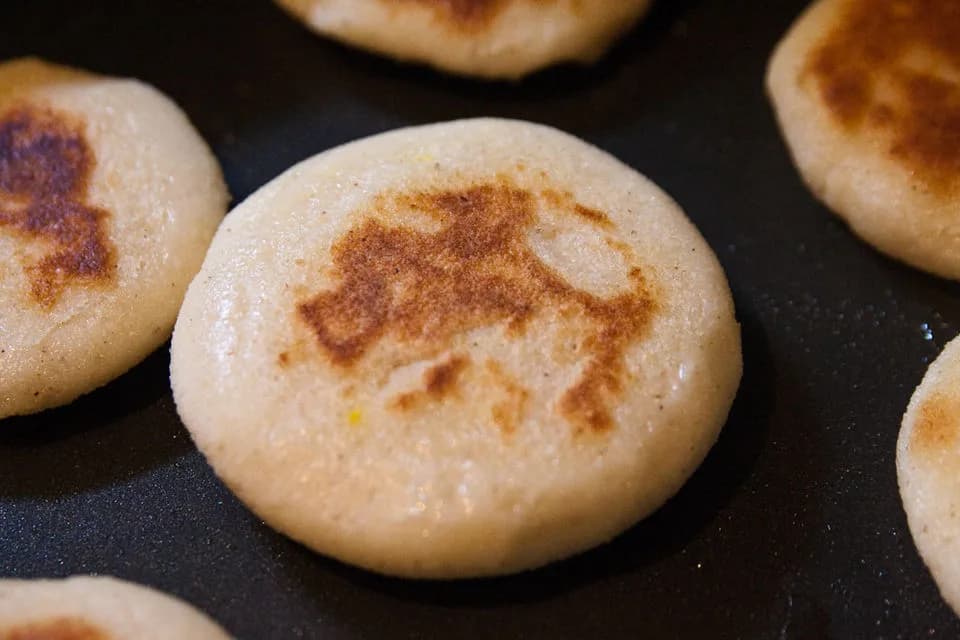
The arepa is one of the oldest continuously eaten foods in the world, a ground maize patty cooked on a griddle or over open flame whose origins stretch back over 3,000 years to the pre-Columbian indigenous peoples of present-day Colombia and Venezuela long before European contact. Christopher Columbus documented indigenous people eating arepas on his arrival in 1494, and the dish has been eaten without interruption ever since — making it one of the few pre-Columbian staples to survive colonisation and become the foundation of a modern national cuisine. Over 100 distinct regional varieties exist across the two countries, stuffed or topped with everything from black beans and cheese to pulled pork and avocado, and the arepa's simple genius — a naturally gluten-free corn cake that works as bread, container, and meal in one — has made it one of the fastest-growing street foods in North America and Europe.
The most-voted lists across every category — curated weekly. Join the early readers.
No spam. One email per week. Unsubscribe anytime.

Create a free account or sign in to join the discussion.
Sign in to join the conversation
Top 10 Cabbage Dishes Transforming 2026 Home CookingTop 10 Emerging Protein Innovation Snacks That Actually Taste Good
Top Food Products — beverages — March 2026
Top 10 Restaurants in Tokyo 2026Explore more Food rankings on Top10Grid

Thailand's unofficial national dish is a masterclass in balance: tamarind paste, fish sauce, palm sugar, rice noodles, eggs, and bean sprouts combine in a wok over flame-licked heat to produce something that tastes simultaneously sour, sweet, salty, and umami. The dish was actively promoted by the Thai government in the 1930s and 1940s as part of a nation-building campaign to create a unified national identity through food, replacing rice consumption with cheaper wheat-based noodles during wartime scarcity. Today it is sold by an estimated 16,000 street vendors in Bangkok alone, with every cook maintaining a slightly different formula — the best versions come from carts operating since before most of their customers were born.
One of the most remarkable culinary fusions in food history, tacos al pastor were born in the 1930s when Lebanese immigrants arrived in Mexico City bringing shawarma — spit-roasted lamb marinated in spices — and adapted it with local ingredients: achiote paste, dried chilli peppers, pineapple, and pork. The vertical spit (trompo) is still used today, the meat shaved to order and served in doubled-up corn tortillas with cilantro and raw onion. The dish is now so embedded in Mexican identity that the taquero's theatrical spit-carving technique — slicing meat and catching it mid-air in a tortilla — is recognised by UNESCO as part of Mexico's intangible cultural heritage.
The banh mi is the product of French colonial occupation made delicious: a Vietnamese cook took the French baguette introduced during the 19th-century colonisation of Indochina and filled it with pickled daikon and carrot, fresh cucumber, cilantro, chilli, pate, and grilled pork, creating a sandwich that obliterates every French original in flavour and complexity. Selling for as little as $1 from pavement stalls across Vietnam, banh mi has been under consideration for UNESCO intangible cultural heritage status and has been ranked by multiple publications as the world's greatest sandwich. The contrast of the crisp, airy baguette against the sharp pickles and rich meat filling is a textural achievement that no other sandwich tradition has matched.
Jerk cooking is one of the oldest continuously practised cooking techniques in the Western Hemisphere, originating with the Taino people of pre-Columbian Jamaica who preserved and cooked meat over slow fires using a blend of allspice (the island's native pimento berry) and scotch bonnet peppers. Enslaved Maroons who escaped into Jamaica's Blue Mountains refined the technique through the 17th and 18th centuries, using the smoke and spice to preserve meat on long mountain journeys. Modern jerk chicken retains the same essential character — the char of the pimento wood, the fierce heat of the scotch bonnet, the deep perfume of allspice — and is now replicated in Jamaican restaurants on every continent, though nothing matches eating it from a roadside drum pan in St. Elizabeth.

The modern doner kebab as a handheld street food was invented not in Istanbul but in West Berlin in 1972, when Turkish immigrant Kadir Nurman began serving seasoned lamb shaved from a rotating vertical spit inside a flatbread at a stand near Zoo Station — a faster, more portable adaptation of the Turkish sit-down dish to suit the needs of Berlin's workers. The invention spread with extraordinary speed: Germany now consumes an estimated 400 tonnes of doner kebab daily, with over 16,000 doner shops operating across the country and the dish generating roughly €3.5 billion in annual revenue. The Berlin doner — distinguished by its use of flatbread rather than pita, and its combination of lamb, salad, and white sauce — has become a distinct culinary tradition in its own right, claimed equally by Turkish and German culture.
Vietnam's most famous dish emerged on the streets of Hanoi around the turn of the 20th century as a fusion of Chinese rice noodle soups and the French colonial beef-bone broth tradition — before French colonisation, beef was rarely eaten in Vietnam, and the long-simmered stock that defines pho would have been unrecognisable as Vietnamese food a century earlier. The broth is built over many hours from charred onion, ginger, star anise, clove, and cinnamon alongside beef bones, creating a fragrant, deeply savoury liquid that is served over rice noodles with thin slices of raw beef that cook in the bowl. Vietnam's food and beverage market, substantially driven by pho culture, exceeded $4.5 billion annually by the mid-2020s, with the dish now a global export served in dedicated pho restaurants across North America, Europe, and Australia.
The origins of falafel are fiercely contested — Egypt's Coptic Christians claim it as a meat substitute developed during Lent, using fava beans rather than the chickpeas favoured in the Levant, while Palestinians, Israelis, and Lebanese all claim it as a national dish — but all evidence points to a dish at least 2,000 years old that travelled the Silk Road and the Arab trade routes to become the most ubiquitous street food across the Middle East and North Africa. The combination of ground legumes, cumin, coriander, garlic, and parsley formed into balls and fried in oil, then served in flatbread with tahini and pickled vegetables, is nutritionally complete, inexpensive, and produces one of the most satisfying flavour combinations in world cuisine. Falafel's global spread — via Israeli, Lebanese, and Egyptian diaspora communities — makes it now one of the most widely eaten street foods outside its region of origin.
Chaat is not a single dish but an entire culinary philosophy — a category of over 100 distinct street snacks originating in the bazaars of Mughal Delhi in the 17th century, united by the principle of combining contrasting tastes and textures in a single bite: something crisp, something soft, something sour, something sweet, something fiery, all layered together. The word chaat derives from a Hindi verb meaning "to lick," a reference to the involuntary response the flavours provoke. From pani puri (hollow fried dough filled with spiced tamarind water and chickpeas) to bhel puri (puffed rice with chutneys and raw mango) to aloo tikki (spiced potato cakes), chaat encompasses a tradition of extraordinary inventiveness that has shaped Indian street food culture for four centuries and travelled globally with the Indian diaspora.

Takoyaki — batter balls filled with diced octopus, tempura scraps, pickled ginger, and green onion, cooked in a specialised cast-iron mould and topped with bonito flakes, mayo, and okonomiyaki sauce — was invented in Osaka in 1935 by street vendor Tomekichi Endo, who adapted a similar snack called akashiyaki into a richer, more portable format. The dish became so associated with Osaka's food culture that the city's residents are colloquially known as kuidaore (eating oneself into bankruptcy), and the Dotonbori district alone hosts dozens of competing takoyaki stalls each claiming the definitive version. The dish requires skill to execute — the balls are flipped with picks at a precise moment in cooking to achieve a crisp exterior and liquid-centred interior — and the theatre of watching an expert takoyaki maker at a Dotonbori stall is as much of the experience as the eating.
The arepa is one of the oldest continuously eaten foods in the world, a ground maize patty cooked on a griddle or over open flame whose origins stretch back over 3,000 years to the pre-Columbian indigenous peoples of present-day Colombia and Venezuela long before European contact. Christopher Columbus documented indigenous people eating arepas on his arrival in 1494, and the dish has been eaten without interruption ever since — making it one of the few pre-Columbian staples to survive colonisation and become the foundation of a modern national cuisine. Over 100 distinct regional varieties exist across the two countries, stuffed or topped with everything from black beans and cheese to pulled pork and avocado, and the arepa's simple genius — a naturally gluten-free corn cake that works as bread, container, and meal in one — has made it one of the fastest-growing street foods in North America and Europe.

Top 10 Foods Banned in Other Countries But Legal in the US
55 views · @admin

Top 10 Easter Foods From Around the World in 2026
51 views · @admin

Top 10 Thai Dishes You Must Try in 2026
34 views · @admin

Top 10 Budget Meals That Feed a Family of Four for Under $10
30 views · @admin

Top 10 Italian Pasta Dishes in 2026
30 views · @admin

Top 10 Fast Food Menu Items That Became Cultural Phenomena
29 views · @admin
Because you're viewing Food

Top 10 Cabbage Dishes Transforming 2026 Home Cooking
478 views · 1 votes
Top 10 Emerging Protein Innovation Snacks That Actually Taste Good
106 views · 0 votes

Top Food Products — beverages — March 2026
99 views · 0 votes

Top 10 Restaurants in Tokyo 2026
89 views · 0 votes
Top 10 Best Grilling Marinades Taking Over Summer 2026
88 views · 0 votes

Top 10 Street Food Destinations in Southeast Asia
85 views · 0 votes

Top 10 Street Food Cities That Destroy Michelin Stars
10 items

Top 10 Best Street Food Cities
10 items

Top 10 Korean Street Foods to Try
10 items

Top 10 Thailand Street Food Experiences in 2026
10 items

Top 10 Argentine Street Foods
10 items

Top 10 Best Comfort Foods Around the World
10 items
If you liked this, you might love these