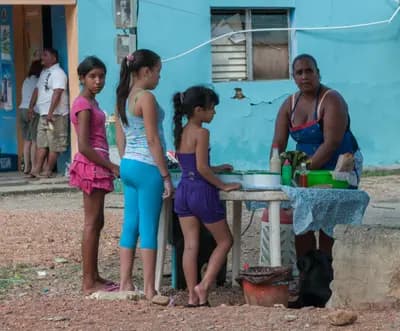
Street food culture is deeply embedded in Brazilian daily life, from the acaraje sellers of Salvador to the pastel stands at Sao Paulo's Japanese-Brazilian weekend markets. Brazil's street food reflects its extraordinary ethnic diversity โ African, Indigenous, Portuguese, Italian, German, Japanese, and Lebanese culinary traditions have all contributed to what Brazilians eat on the go. The informal food sector employs an estimated 1.5 million Brazilians and generates billions of reais annually, with street food spots ranging from single pushcarts to beloved local institutions that have operated in the same spot for generations.
Curated by our food editors. Critical reception and community vote both shape the ranking โ updated as opinions shift.
Top 10 Brazilian Street Foods

Acaraje is a deep-fried ball of black-eyed pea dough, split open and filled with vatapa (a spicy paste of bread, shrimp, peanuts, and palm oil), camarao seco (dried shrimp), and caruru (okra stew), sold by baianas (women dressed in traditional white lace Candomble attire) at street corners across Salvador, Bahia. Recognized by UNESCO in 2005 as an Intangible Cultural Heritage of Brazil, acaraje is a direct descendant of the Yoruba street food akara, brought to Brazil by enslaved West Africans and preserved through Candomble religious traditions over four centuries. The preparation and sale of acaraje by baianas in traditional dress is considered one of the most important living expressions of Afro-Brazilian culture.

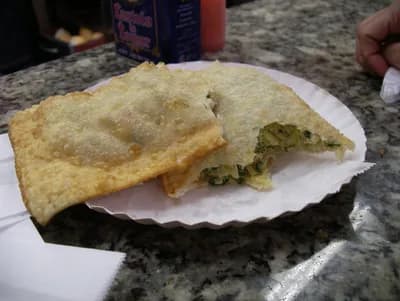
Pastel โ a thin, crispy deep-fried pastry filled with cheese, meat, palmito (heart of palm), or shrimp โ is arguably the most universally beloved street food across Brazil, sold at feiras livres (open-air markets) in every Brazilian city and town. The pastel de feira tradition is particularly associated with the Japanese-Brazilian community of Sao Paulo, whose members adopted the pastry from Chinese immigrants in the mid-20th century and refined it into the ultra-thin, blister-fried version now considered the gold standard. Sao Paulo's Liberdade neighborhood market, the largest Japanese market in the Americas, is considered the pilgrimage destination for the definitive pastel experience.

Coxinha โ a teardrop-shaped fried dough croquette filled with shredded chicken and catupiry (Brazilian cream cheese), designed to vaguely resemble a chicken drumstick โ is the definitive Brazilian salgado (savory snack) and can be found at padarias (bakeries), lanchonetes (snack bars), and street stalls across the entire country. Allegedly invented in the late 19th century at the royal estate of Princess Isabel in Campinas to feed a young prince who would only eat chicken drumsticks, the coxinha has become so embedded in Brazilian snack culture that it appears at virtually every social gathering from birthday parties to corporate events. The Sao Paulo style โ larger, with a thinner dough and crispier exterior than the Rio version โ and the Rio style โ smaller, denser, and made with potato in the dough โ are subjects of genuine regional debate.

Pao de queijo โ cheese bread made from tapioca starch (polvilho) and minas cheese, chewy on the inside and lightly crispy on the outside โ originated in Minas Gerais in the 18th century when enslaved Africans began incorporating cassava starch (a slave-produced crop) into the Portuguese colonial bread-making tradition. Today it is the most exported Brazilian food product and has achieved widespread international recognition as a naturally gluten-free bread, appearing in specialty food stores across Europe, the United States, and Japan. In Minas Gerais, pao de queijo is eaten at any time of day and is considered as fundamental to local identity as baguettes are to the French.

Tapioca โ a crepe-like pancake made from hydrated tapioca starch griddle-cooked without oil until it forms a naturally adhesive disc, then filled with sweet or savory ingredients โ is the definitive street food of Brazil's northeast, particularly in Fortaleza, Recife, and Natal. Unlike wheat-based crepes, tapioca has a distinctive slightly elastic, almost springy texture and can be filled with everything from coalho cheese and butter to carne seca (dried beef) and caju (cashew) jam, making it a meal adaptable to any time of day. The global fitness industry has contributed to a nationwide tapioca revival since the 2010s, with the naturally gluten-free, low-fat preparation being adopted far beyond the northeast as a health-conscious alternative to bread.

Brazilian churros โ introduced via Portuguese and Spanish culinary influence but thoroughly adapted over centuries โ are larger, softer, and more heavily filled than their Iberian counterparts, typically piped full of doce de leite (caramel), chocolate, or goiabada (guava paste) before being rolled in cinnamon sugar and sold from dedicated churros carts that are fixtures outside shopping centers, football stadiums, and beach promenades. The Brazilian churros cart is a specific street food institution, with operators using large gas-powered presses to extrude the dough and fill each churro to order, ensuring maximum warmth and freshness. They are particularly associated with paulistano (Sao Paulo) street culture, where churros carts cluster outside every major shopping mall.

Espetinho โ small skewers of meat, typically chicken hearts, beef, cheese, or sausage grilled over hot coals โ are the quintessential Brazilian street barbecue food, sold by vendors who set up mobile charcoal grills on sidewalks and in parks across Brazilian cities, particularly in the evenings. The espetinho culture is especially strong in Sao Paulo's peripheral neighborhoods, where street vendors (espeteiros) are neighborhood institutions who may serve the same block for decades. The coracoes de frango (chicken heart) espetinho is the iconic version โ inexpensive, intensely flavored, and cooked to order at the cart with a charred exterior and pink center.

Acai na tigela โ frozen acai berry pulp blended to a thick, sorbet-like consistency and served in a bowl topped with granola, sliced banana, and honey โ originated as a high-calorie energy food for athletes and surfers in Para and Amapa states in the 1970s and 1980s before spreading to become a nationwide dietary staple. Brazil produces approximately 95% of the world's acai, with the state of Para alone harvesting over 1 million tonnes annually from wild palm trees in the Amazon estuary. The global acai boom has transformed Brazilian agriculture, contributed to rainforest preservation (standing acai palms are more economically valuable than cleared land), and made the acai bowl one of the most internationally recognized Brazilian food exports alongside brigadeiro and caipirinha.

Brigadeiro โ a chocolate fudge bonbon made from condensed milk, cocoa powder, and butter, rolled in chocolate sprinkles โ is Brazil's most beloved sweet and the nation's unofficial culinary ambassador. Created during World War II when fresh milk and sugar were scarce and condensed milk provided a shelf-stable alternative, the brigadeiro was named after Brigadeiro Eduardo Gomes, a presidential candidate whose female supporters allegedly created the sweet to sell at campaign fundraisers. Today, gourmet brigadeiro shops have elevated the simple sweet into a multimillion-real artisan industry, with premium versions using Belgian chocolate, sea salt, pistachio, and exotic Brazilian fruits, sold in boutique shops across Brazilian cities and exported internationally.

Caldo de cana โ fresh-pressed sugarcane juice, served ice-cold and often mixed with lime or ginger โ is the most democratic Brazilian street beverage, sold for under R$5 at garapa (sugarcane press) carts found at every major market, bus station, and beach in Brazil. Brazil is the world's largest sugarcane producer, harvesting approximately 620 million tonnes annually, and sugarcane has been grown in the country since Portuguese colonizers planted the first cane fields in Pernambuco in the 1530s. On a hot Brazilian afternoon, a cup of garapa pressed to order โ with its pale green color, extraordinary sweetness, and faint grassy freshness โ is one of the most satisfying and distinctly Brazilian drinking experiences.
The most-voted lists across every category โ curated weekly. Join the early readers.
No spam. One email per week. Unsubscribe anytime.

Create a free account or sign in to join the discussion.
Sign in to join the conversation
Top 10 Cabbage Dishes Transforming 2026 Home CookingTop 10 Emerging Protein Innovation Snacks That Actually Taste Good
Top Food Products โ beverages โ March 2026
Top 10 Restaurants in Tokyo 2026Explore more Food rankings on Top10Grid

Acaraje is a deep-fried ball of black-eyed pea dough, split open and filled with vatapa (a spicy paste of bread, shrimp, peanuts, and palm oil), camarao seco (dried shrimp), and caruru (okra stew), sold by baianas (women dressed in traditional white lace Candomble attire) at street corners across Salvador, Bahia. Recognized by UNESCO in 2005 as an Intangible Cultural Heritage of Brazil, acaraje is a direct descendant of the Yoruba street food akara, brought to Brazil by enslaved West Africans and preserved through Candomble religious traditions over four centuries. The preparation and sale of acaraje by baianas in traditional dress is considered one of the most important living expressions of Afro-Brazilian culture.

Pastel โ a thin, crispy deep-fried pastry filled with cheese, meat, palmito (heart of palm), or shrimp โ is arguably the most universally beloved street food across Brazil, sold at feiras livres (open-air markets) in every Brazilian city and town. The pastel de feira tradition is particularly associated with the Japanese-Brazilian community of Sao Paulo, whose members adopted the pastry from Chinese immigrants in the mid-20th century and refined it into the ultra-thin, blister-fried version now considered the gold standard. Sao Paulo's Liberdade neighborhood market, the largest Japanese market in the Americas, is considered the pilgrimage destination for the definitive pastel experience.

Coxinha โ a teardrop-shaped fried dough croquette filled with shredded chicken and catupiry (Brazilian cream cheese), designed to vaguely resemble a chicken drumstick โ is the definitive Brazilian salgado (savory snack) and can be found at padarias (bakeries), lanchonetes (snack bars), and street stalls across the entire country. Allegedly invented in the late 19th century at the royal estate of Princess Isabel in Campinas to feed a young prince who would only eat chicken drumsticks, the coxinha has become so embedded in Brazilian snack culture that it appears at virtually every social gathering from birthday parties to corporate events. The Sao Paulo style โ larger, with a thinner dough and crispier exterior than the Rio version โ and the Rio style โ smaller, denser, and made with potato in the dough โ are subjects of genuine regional debate.

Pao de queijo โ cheese bread made from tapioca starch (polvilho) and minas cheese, chewy on the inside and lightly crispy on the outside โ originated in Minas Gerais in the 18th century when enslaved Africans began incorporating cassava starch (a slave-produced crop) into the Portuguese colonial bread-making tradition. Today it is the most exported Brazilian food product and has achieved widespread international recognition as a naturally gluten-free bread, appearing in specialty food stores across Europe, the United States, and Japan. In Minas Gerais, pao de queijo is eaten at any time of day and is considered as fundamental to local identity as baguettes are to the French.

Tapioca โ a crepe-like pancake made from hydrated tapioca starch griddle-cooked without oil until it forms a naturally adhesive disc, then filled with sweet or savory ingredients โ is the definitive street food of Brazil's northeast, particularly in Fortaleza, Recife, and Natal. Unlike wheat-based crepes, tapioca has a distinctive slightly elastic, almost springy texture and can be filled with everything from coalho cheese and butter to carne seca (dried beef) and caju (cashew) jam, making it a meal adaptable to any time of day. The global fitness industry has contributed to a nationwide tapioca revival since the 2010s, with the naturally gluten-free, low-fat preparation being adopted far beyond the northeast as a health-conscious alternative to bread.

Brazilian churros โ introduced via Portuguese and Spanish culinary influence but thoroughly adapted over centuries โ are larger, softer, and more heavily filled than their Iberian counterparts, typically piped full of doce de leite (caramel), chocolate, or goiabada (guava paste) before being rolled in cinnamon sugar and sold from dedicated churros carts that are fixtures outside shopping centers, football stadiums, and beach promenades. The Brazilian churros cart is a specific street food institution, with operators using large gas-powered presses to extrude the dough and fill each churro to order, ensuring maximum warmth and freshness. They are particularly associated with paulistano (Sao Paulo) street culture, where churros carts cluster outside every major shopping mall.

Espetinho โ small skewers of meat, typically chicken hearts, beef, cheese, or sausage grilled over hot coals โ are the quintessential Brazilian street barbecue food, sold by vendors who set up mobile charcoal grills on sidewalks and in parks across Brazilian cities, particularly in the evenings. The espetinho culture is especially strong in Sao Paulo's peripheral neighborhoods, where street vendors (espeteiros) are neighborhood institutions who may serve the same block for decades. The coracoes de frango (chicken heart) espetinho is the iconic version โ inexpensive, intensely flavored, and cooked to order at the cart with a charred exterior and pink center.

Acai na tigela โ frozen acai berry pulp blended to a thick, sorbet-like consistency and served in a bowl topped with granola, sliced banana, and honey โ originated as a high-calorie energy food for athletes and surfers in Para and Amapa states in the 1970s and 1980s before spreading to become a nationwide dietary staple. Brazil produces approximately 95% of the world's acai, with the state of Para alone harvesting over 1 million tonnes annually from wild palm trees in the Amazon estuary. The global acai boom has transformed Brazilian agriculture, contributed to rainforest preservation (standing acai palms are more economically valuable than cleared land), and made the acai bowl one of the most internationally recognized Brazilian food exports alongside brigadeiro and caipirinha.

Brigadeiro โ a chocolate fudge bonbon made from condensed milk, cocoa powder, and butter, rolled in chocolate sprinkles โ is Brazil's most beloved sweet and the nation's unofficial culinary ambassador. Created during World War II when fresh milk and sugar were scarce and condensed milk provided a shelf-stable alternative, the brigadeiro was named after Brigadeiro Eduardo Gomes, a presidential candidate whose female supporters allegedly created the sweet to sell at campaign fundraisers. Today, gourmet brigadeiro shops have elevated the simple sweet into a multimillion-real artisan industry, with premium versions using Belgian chocolate, sea salt, pistachio, and exotic Brazilian fruits, sold in boutique shops across Brazilian cities and exported internationally.

Caldo de cana โ fresh-pressed sugarcane juice, served ice-cold and often mixed with lime or ginger โ is the most democratic Brazilian street beverage, sold for under R$5 at garapa (sugarcane press) carts found at every major market, bus station, and beach in Brazil. Brazil is the world's largest sugarcane producer, harvesting approximately 620 million tonnes annually, and sugarcane has been grown in the country since Portuguese colonizers planted the first cane fields in Pernambuco in the 1530s. On a hot Brazilian afternoon, a cup of garapa pressed to order โ with its pale green color, extraordinary sweetness, and faint grassy freshness โ is one of the most satisfying and distinctly Brazilian drinking experiences.

Top 10 Foods Banned in Other Countries But Legal in the US
56 views ยท @admin

Top 10 Easter Foods From Around the World in 2026
51 views ยท @admin

Top 10 Thai Dishes You Must Try in 2026
34 views ยท @admin

Top 10 Budget Meals That Feed a Family of Four for Under $10
31 views ยท @admin

Top 10 Italian Pasta Dishes in 2026
30 views ยท @admin

Top 10 Fast Food Menu Items That Became Cultural Phenomena
29 views ยท @admin
Because you're viewing Food

Top 10 Cabbage Dishes Transforming 2026 Home Cooking
480 views ยท 1 votes
Top 10 Emerging Protein Innovation Snacks That Actually Taste Good
106 views ยท 0 votes

Top Food Products โ beverages โ March 2026
99 views ยท 0 votes

Top 10 Restaurants in Tokyo 2026
89 views ยท 0 votes
Top 10 Best Grilling Marinades Taking Over Summer 2026
88 views ยท 0 votes

Top 10 Street Food Destinations in Southeast Asia
85 views ยท 0 votes