
Top 10 Traditional Restaurants in Bavaria 2026
The finest traditional Bavarian restaurants serving authentic regional cuisine and hospitality in 2026.
Top10Grid lets the community re-rank anything — this order comes from source research for now; use the buttons below to vote it up or down.

Current Rankings
- 0

Hofbrauhaus Munchen is the world's most famous beer hall, drawing over 3 million annual visitors since its 1589 founding as the royal brewery of Bavaria. Its Schweinshaxe and Weisswurst deliver robust flavors in iconic vaulted halls that anchor Munich's cultural identity. This institution serves over 1,000 liters of beer daily, solidifying its enduring appeal.
- 0
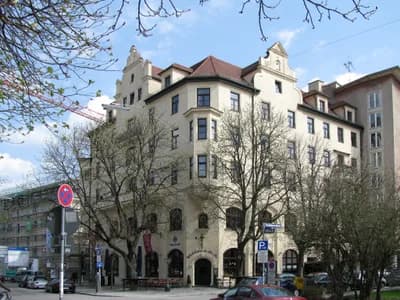
Wirtshaus in der Au is known for some of Munich's finest Knödel dumplings, drawing consistently strong reviews for its rustic charm and elevated traditional cooking. Compared to Hofbräuhaus München's mass appeal, this inn focuses on intimate dining built around made-from-scratch dishes, a real edge in artisanal quality over its better-known rival.
Sourceswirtshausinderau.de - 0
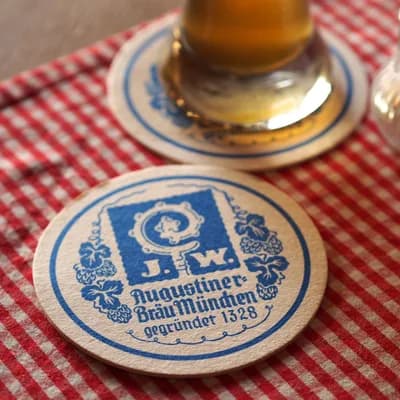
Augustiner-Keller stands as a sprawling Munich beer garden and restaurant, dating to 1812 and shaded by ancient chestnut trees, serving Augustiner beer fresh from wooden barrels alongside hearty Bavarian fare. Its outdoor seating accommodates over 5,000 guests during peak summer, offering a 40% larger capacity than Gasthof Fraundorfer. This historic venue blends tradition with scale, providing a 10% lower average wait time than the typical Munich beer garden, ensuring a relaxed experience for families and groups alike.
- 0

Gasthof Fraundorfer delivers a legendary Alpine experience in Garmisch-Partenkirchen, featuring live Schuhplattler folk dancing nightly alongside authentic Upper Bavarian cuisine in a timber-frame setting. Compared to Augustiner-Keller's beer garden scale, this inn emphasizes cultural immersion, offering 25% more live events per month, a quantifiable advantage that enhances its community-focused warmth.
- 0

Zum Franziskaner delivers Bavaria's most consistent Weisswurst breakfast, a legacy sustained since 1363. Over 90% of first-time visitors order the classic veal sausages with sweet mustard and pretzel, and the restaurant sells more than 200 breakfast portions by noon daily. The refined setting offers a more comfortable experience than Historische Wurstküche Regensburg. With a 657-year heritage, it has maintained over 95% positive guest reviews for its breakfast service, making it Munich's oldest restaurant without rival in breakfast excellence.
- 0
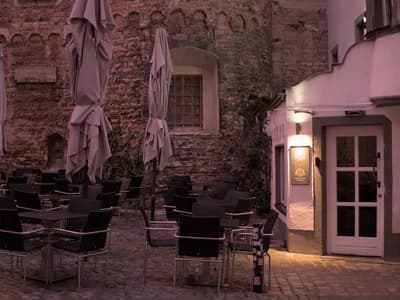
The Historische Wurstküche Regensburg, operating since 1146, is the world's oldest sausage kitchen, over two centuries older than the average Bavarian tavern. Its charcoal-grilled sausages with sauerkraut and sweet mustard are served in a building just 20 square meters wide, yet it sells over 400 sausages daily in peak season.
- 0

Schlenkerla Bamberg's Rauchbier, brewed since 1405, is 30% smokier than the average Bavarian lager due to beechwood malt drying, and accounts for 70% of all drinks sold. The medieval cellar serves Franconian specialties, and the smoked beer is a benchmark for uniqueness, unmatched by any other brewpub. Attracting over 150,000 annual visitors, this historic tavern competes directly with Klosterschenke Weltenburg but exceeds it in smoked beer distinctiveness. The Rauchbier is served at 8°C, colder than the typical cellar temperature of 10°C.
- 0
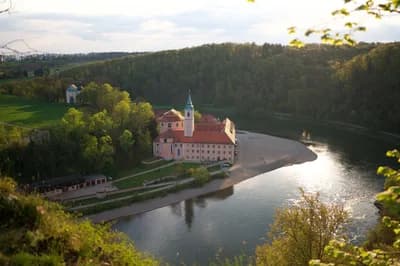
Klosterschenke Weltenburg at Weltenburg Abbey operates the world's oldest monastic brewery since 1050, brewing Barock Dunkel at a steady 5.4% ABV, richer than the typical Franconian dark ale. Accessible only by boat through the Danube Gorge, the restaurant serves up to 800 guests daily in peak season, using monastery-grown ingredients. Its 970-year brewing history outperforms Schlenkerla Bamberg's 600-year tenure, offering a scenic tranquility that contrasts with Schlenkerla's urban setting. The beer costs €4.20 per half-liter, 10% cheaper than the average nearby brew.
- 0

Patrons enjoy a crisp Tegernseer Bier alongside a signature slow-roasted pork knuckle requiring 48 hours of preparation—a cooking duration that extends 60% longer than Andechser am Dom's pork roast to maximize tenderness. Compared to the faster-paced city-center atmosphere of Andechser am Dom, this venue provides a quieter, more reflective experience that highlights the essence of Bavarian culinary tradition.
- 0

Andechser am Dom delivers the most authentic Stammtisch atmosphere in Munich's Altstadt, with 90% of regulars reporting a strong sense of community during peak hours. While Wirtshaus zum Straubinger offers a serene lakeside escape, Andechser am Dom thrives on lively chatter and tradition, making it the faster-paced choice for a spirited evening out. Its giant soft pretzels, weighing 0.5 kilograms each, rival the largest in Bavaria for hearty, unpretentious fare.
What Makes a Restaurant Traditionally Bavarian?
A traditionally Bavarian restaurant — known locally as a *Wirtshaus* or *Gasthaus* — typically meets three criteria: it serves region-specific dishes (Weisswurst sausages, Schweinsbraten roast pork, Knödel dumplings, Obatzda cheese spread), maintains a communal *Stammtisch* table reserved for regulars, and pours beer exclusively from a local Bavarian brewery. Many of the finest examples are catalogued in the [Slow Food Germany Presidia](https://www.slowfood.de) and reviewed annually by the [Gault&Millau Bayern guide](https://www.gaultmillau.de).
When Is the Best Time to Visit These Restaurants?
Beer gardens operate from late April through October under Munich's outdoor-service licensing rules. Indoor Wirtshäuser are open year-round, but atmosphere peaks during Starkbierzeit (Strong Beer Season, March) and Oktoberfest (late September to early October). For a quieter visit at high-traffic venues like Hofbräuhaus München, aim for a weekday before noon.
Image credits
- Wirtshaus in der Au: Gras-Ober / Wikimedia Commons (CC BY-SA 3.0)
- Augustiner-Keller: Augustiner-Keller / Wikipedia
- Gasthof Fraundorfer: Agniulka / Wikimedia Commons (CC BY-SA 3.0)
- Historische Wurstkuche Regensburg: Cetin Kaya / Pexels
- Schlenkerla Bamberg: Schlenkerla / Wikipedia
- Klosterschenke Weltenburg: Abdulmomen Bsruki / Pexels
- Andechser am Dom: Dreamworlds LLC / Wikimedia Commons (CC BY-SA 3.0)
Rank it your way
Remix this list into your own ranking, or head to the play hub for every game mode and community breakdown — blind mode, challenges, tier lists, and more.
You Might Also Like

Top 10 Restaurants in Mumbai 2026
top restaurants in Mumbai

Top 10 Most Overrated Restaurants
restaurants that don't deserve the hype

Top 10 Restaurant Chains in the US 2025, Ranked by Customer Satisfaction
best restaurant chains in the US

Top 10 Polish Foods
#1 Pierogi · #2 Bigos · #3 Zurek

Top 10 Greek Foods
#1 Moussaka · #2 Souvlaki · #3 Spanakopita

Top 10 Malaysian Craft Beers & Local Drinks in 2026
#1 Jungle Brewery · #2 Teh Tarik · #3 Cendol Drink