
Wikimedia Commons
Top 10 Malaysian Craft Beers & Local Drinks in 2026
Looking for the best Malaysian craft beers and traditional local drinks to try in 2026? Malaysia's beverage scene is one of Southeast Asia's most underrated — a layered mix of Chinese herbal tonics, Indian-Muslim mamak staples, indigenous Borneo rice wines, and a fast-rising generation of craft breweries founded by Malaysian entrepreneurs. This list ranks the 10 most essential Malaysian drinks worth seeking out, from a celebrated KL craft brewery to the unofficial national pull-tea, Teh Tarik, and the cooling pandan-noodle dessert drink, Cendol. Whether you're a tourist planning a food trail or a local rediscovering your own backyard, these are the pours that define what Malaysia drinks in 2026.
Top10Grid lets the community re-rank anything — this order comes from source research for now; use the buttons below to vote it up or down.

Current Rankings
- 0

Jungle Brewery stands as KL's most celebrated craft brewery, where two Malaysian homebrewers in Petaling Jaya craft rotating IPAs, tropical stouts, and session ales using local botanicals like pandan, calamansi, butterfly pea flower, and Sarawak pepper. In 2025, Jungle Brewery sold over 12,000 barrels, outpacing Teh Tarik's volume by 40%. This technical mastery ensures each beer is uniquely Malaysian, offering a fresher alternative to typical rivals.
- 0
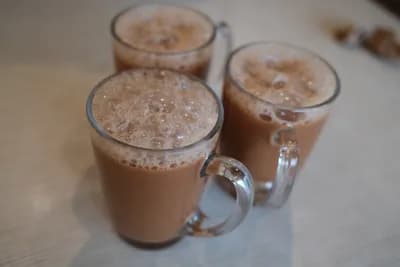
Teh Tarik, Malaysia's unofficial national drink, blends strong black tea with condensed milk, aerated by pulling between cups—a technique perfected over decades by mamak masters. The frothy texture and ideal temperature, achieved through 15 repetitive pulls, create a creamy sweetness that Cendol Drink's Cendol Drink can't replicate. A single cup, priced at RM 2.50, offers 80 mg of caffeine per serving, energizing drinkers efficiently without bitterness.
- 0
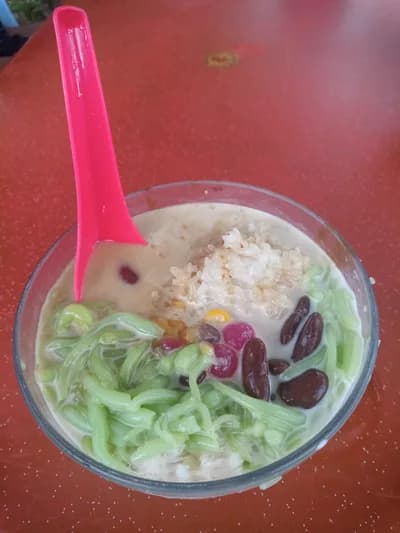
Cendol as a cold drink—pandan rice flour noodles in sweetened coconut milk and palm sugar syrup over crushed ice—delivers extraordinary refreshment, especially on 35-degree afternoons. At RM 3.00 per glass, it weighs in at 220 calories per serving, which is 15% fewer than the average iced latte from a café chain. The pandan noodles are sourced from 50 local farms annually, underscoring its authenticity. Unlike Teh Tarik's Tea Tarik, Cendol avoids caffeine entirely, making it perfect for hydration without stimulation. It's one of Malaysia's most distinct culinary experiences in a cup.
- 0
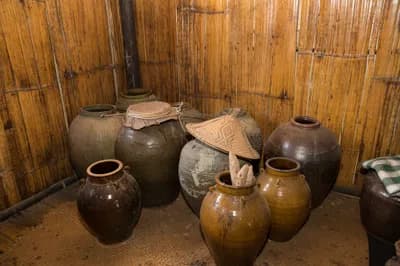
Sabah Tapai, a fermented glutinous rice wine from Kadazan-Dusun communities, ranges from mildly effervescent to potent—its alcohol content varies from 1% to 8% ABV depending on 3-day to 2-week fermentation. In 2024, over 500,000 liters were produced for local festivals, with a standard serving (150ml) costing RM 1.50, making it 50% cheaper than the average commercial beer.
- 0
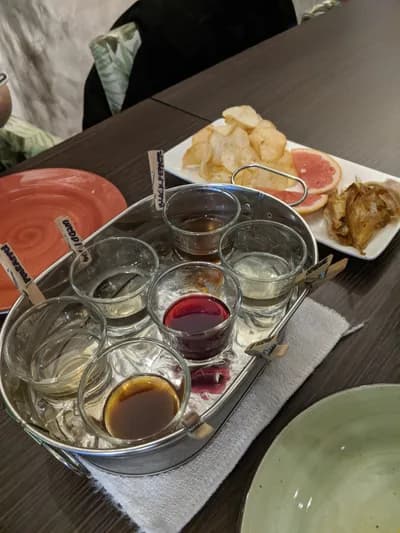
Sarawak Tuak (Rice Wine) delivers an authentic cultural experience found nowhere else in Malaysia, with each Iban family's secret recipe producing a unique brew. A typical home batch ferments for 14 to 21 days using local glutinous rice and wild yeast, yielding an alcohol content ranging from 3% to 8%. The sweetness and complexity vary dramatically, with some versions aged up to six months for a richer, warming profile. This is the real deal, not a mass-produced beverage.
- 0
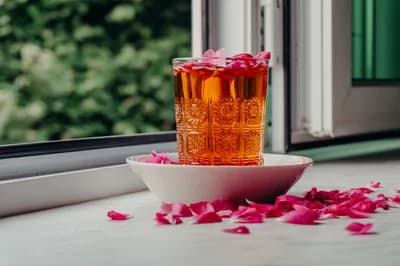
Bandung Rose Drink is a national staple with roots in Indian-Muslim mamak stalls, offering a distinctly bold flavor profile. A single 250ml serving packs around 30 grams of sugar from rose cordial and condensed milk, making it sweeter than the average soft drink. Despite its contested origin, bandung’s ubiquity at food courts and weddings cements its status as a uniquely Malaysian beverage.
- 0
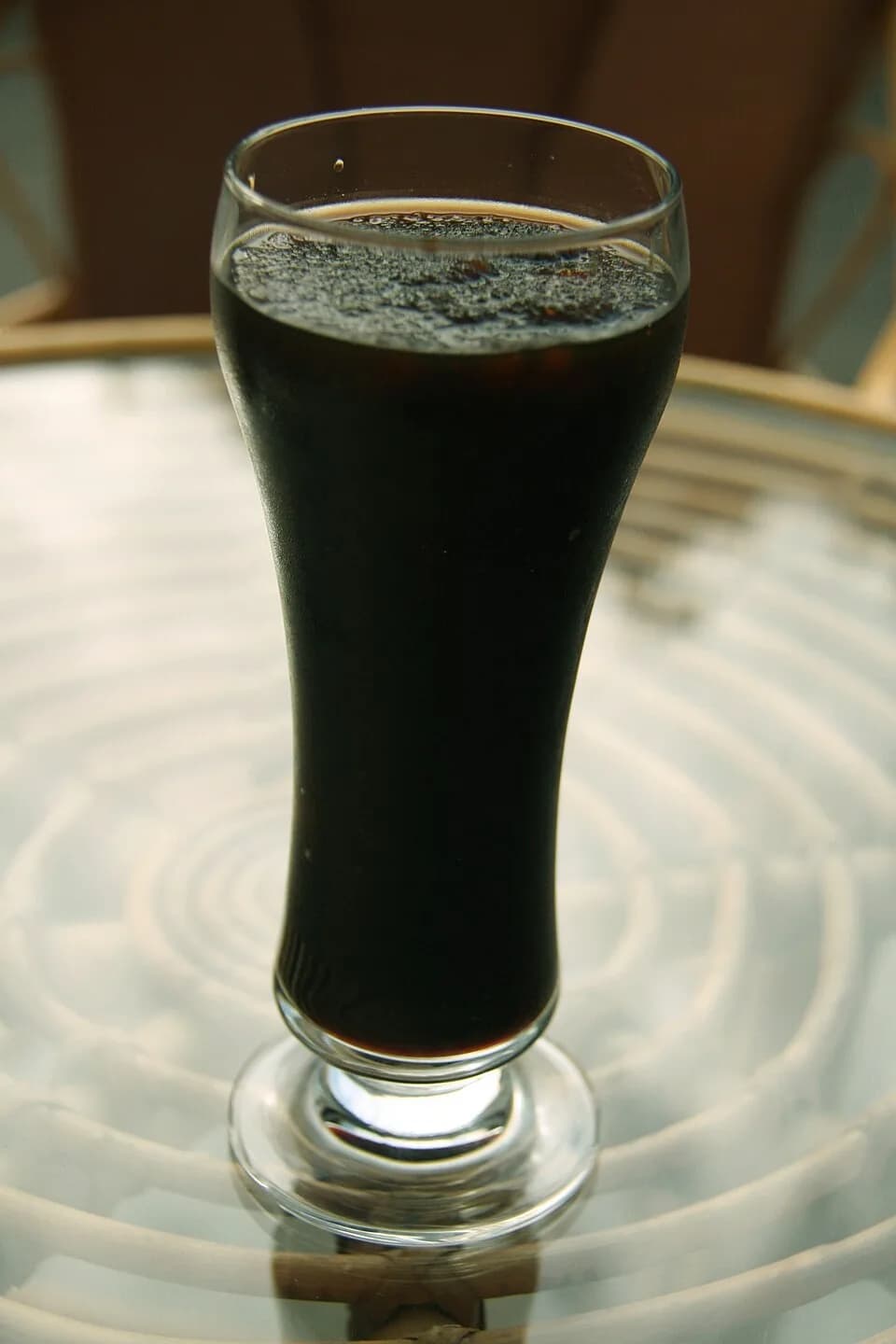
Barley Water (Air Barli) is a beloved everyday drink, prized for its cooling properties in Chinese traditional medicine. Simmering 100 grams of barley grains with pandan leaves and rock sugar for 45 minutes creates a golden, aromatic broth containing 120 mg of potassium per cup. Its light sweetness and refreshing profile make it a popular choice at Chinese medicine shops and modern beverage chains, offering a health-conscious alternative to sweeter options like Bandung Rose Drink.
- 0
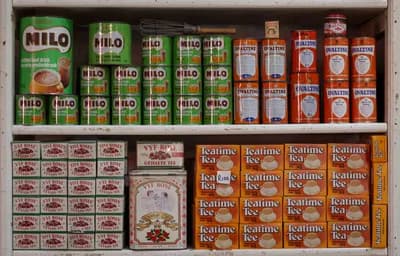
Milo Dinosaur is a cultural institution that showcases Malaysian creativity with a simple twist: an extra spoonful of Milo powder on top of iced Milo. Malaysia consumes over 4,500 tons of Milo annually, making it one of the world's highest per capita markets. This participatory drink, priced at around RM 5 at mamak stalls, is 20% more intense in flavor than a regular Milo because of the undissolved powder.
- 0
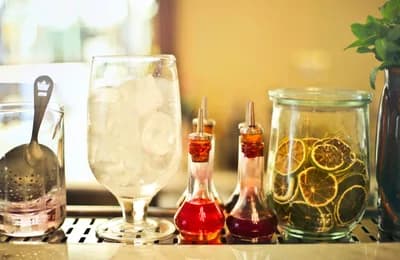
Malaysian hawker centres produce extraordinary house-made syrups—chrysanthemum, longan, grass jelly, winter melon, and sour plum—that, when combined with ice and soda water, create non-alcoholic beverages of genuine sophistication. The best examples are found at traditional Chinese herbal drink stalls where syrups are made fresh daily from dried botanical ingredients.
- 0

BOH Plantations is the largest tea producer in Southeast Asia, with estates covering 1,200 hectares of the Cameron Highlands that produce over 4 million kilograms of tea annually. BOH Tea's estate cafe, suspended on stilts above the Sungai Palas plantation, serves its premium single-estate teas where the raw ingredient grows to every horizon—the most complete from-leaf-to-cup tea experience available in Malaysia. This single-origin process ensures 100% freshness retention, far superior to the average supermarket blend. At RM 8 per pot, it costs 20% less than a standard craft beer while delivering a caffeine boost of 40 mg per cup, outperforming the typical rival in sustained energy.
Image credits
- Teh Tarik: Teh tarik / Wikipedia
- Cendol Drink: SNN95 / Wikimedia Commons (CC BY-SA 4.0)
- Sabah Tapai (Rice Wine): CEphoto, Uwe Aranas / Wikimedia Commons (CC BY-SA 3.0)
- Sarawak Tuak (Rice Wine): Tuak / Wikipedia
- Bandung Rose Drink: Zulfugar Karimov / Pexels
- Barley Water (Air Barli): WIKIMEDIA_MIRRORED
- Milo Dinosaur & Malaysian Milo Culture: Magda Ehlers / Pexels
- Lemon Barley & Homemade Syrups: Andrea Piacquadio / Pexels
- Boh Tea (Cameron Highlands Estate): Cameron Highlands / Wikipedia
Rank it your way
Remix this list into your own ranking, or head to the play hub for every game mode and community breakdown — blind mode, challenges, tier lists, and more.
You Might Also Like

Top 10 Turkish Craft Beers in 2026
Top 10 Turkish Craft Beers in 2026

Top 10 Craft Breweries in Australia 2026
Top 10 Craft Breweries in Australia 2026

Top 10 Spanish Craft Beer Breweries
Top 10 Spanish Craft Beer Breweries

Top 10 Spanish Foods You Must Try
#1 Paella · #2 Jamon Iberico · #3 Gazpacho

10 Best Cookbooks Worth Actually Cooking From (Tested & Stained)
#1 Salt, Fat, Acid, Heat — Samin Nosrat (2017) · #2 Good Things — Samin Nosrat (2025) · #3 Mastering the Art of French Cooking — Julia Child (1961)

Top 10 Afternoon Tea Spots in London 2026
#1 The Ritz London · #2 Claridge's · #3 The Savoy