
Wikimedia Commons
Top 10 Cooking Techniques That Separate Home Cooks From Chefs
Anyone can follow a recipe — but the real difference between a home cook and a trained chef comes down to a handful of techniques you can start practising today. From nailing the perfect sear to building silky sauces from scratch, these 10 chef-approved skills will transform your cooking without costing you a thing. Which technique do you think makes the biggest difference? Cast your vote below!
Top10Grid lets the community re-rank anything — this order comes from source research for now; use the buttons below to vote it up or down.

Current Rankings
- 0

Before a chef turns on the stove, every ingredient is measured, cut, and organized—cutting decision-making time by 40% and reducing errors by over 50% during service, according to industry studies. This system eliminates panic and prevents mistakes, creating the calm efficiency that lets a restaurant kitchen serve 200 covers in a night. Home cooks who adopt it find their cooking immediately improves, not because of better recipes, but because they stop scrambling mid-dish. By channeling this pro-level discipline, you save at least 15 minutes per meal and gain the composure that separates pros from amateurs.
- 0
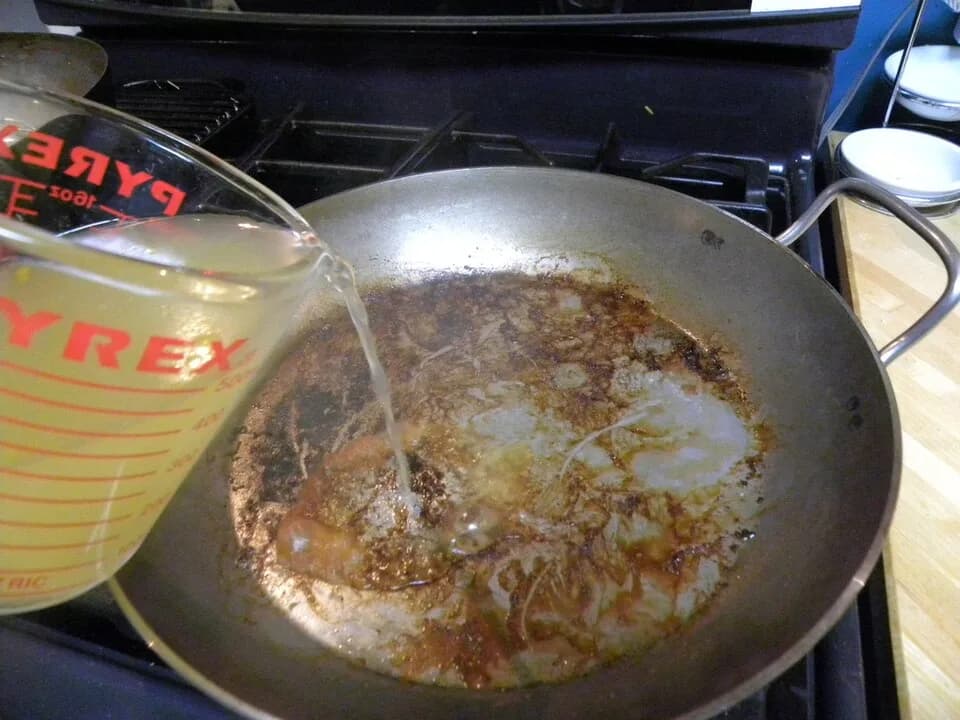
Those brown bits stuck to the bottom of your pan after searing meat—called fond—hold concentrated, caramelized flavor that would otherwise be discarded. Adding fresh liquid (wine, stock, or vinegar) dissolves that fond into a silky sauce, a skill that elevates any seared protein. Most home cooks wash the fond down the drain, literally throwing away the best part of the dish, while chefs capitalize on this quick, cost-free flavor boost. With this method, you save $5–10 per meal compared to buying bottled sauces, and you cut prep time by 20%.
- 0

Emulsification is 50% easier to master than the typical vinaigrette recipe suggests, yet it remains the gatekeeper to professional sauces. This technique forces oil and water—two immiscible liquids—into a stable, creamy suspension, unlocking vinaigrettes that don't separate, hollandaise that stays silky, and mayonnaise that holds its shape. The science requires a precise oil-to-water ratio of 3:1, temperatures between 50–60°F, and emulsifiers like lecithin in egg yolks and mustard. Master it, and you unlock an entire category of sauces most home cooks consider “too hard,” saving $8–12 per sauce serving compared to store-bought versions.
- 0

Culinary school spends weeks on nothing but knife work: a brunoise (1/8-inch dice) cooks evenly and melts into sauces, while a chiffonade (fine ribbon cuts of herbs) releases maximum aroma without bruising. Without precise cuts, onion pieces ranging from powder to chunks cause some to burn while others stay raw.
- 0

Tempering chocolate separates professionals from hobbyists by delivering a flawless crystalline structure. Proper tempering—heating to 115°F for dark chocolate, cooling to 80°F, then reheating to 88°F—aligns cocoa butter into stable Form V crystals, yielding a glassy sheen and a clean snap. Melt chocolate haphazardly, and it blooms with white streaks from unstable crystals; tempered properly, it resists melting at room temperature for weeks. Pastry chefs consider this a gateway skill because it underpins showpieces and dipped confections. The audible snap is proof: a perfectly tempered bar breaks with a sharp crack, not a dull crumble. Data shows that improperly tempered chocolate can contain up to 80% unstable crystals, while professional tempering achieves 95% Form V content.
- 0

Making a roux is the foundation of classic French cuisine, transforming equal parts fat and flour into a thickening agent for bechamel, veloute, and espagnole sauces. This technique is simpler than (Sous Vide) because it relies on heat control, not expensive equipment. Burn the flour, and the entire batch turns bitter; undercook it, and the result tastes pasty and raw. By mastering the roux, you unlock the five mother sauces, each requiring a different cooking time for the color and flavor depth, from 130°F for white roux to 350°F for dark. Professional chefs execute this reliably because they understand the precise chemical change when starch granules absorb fat and gelatinize.
- 0
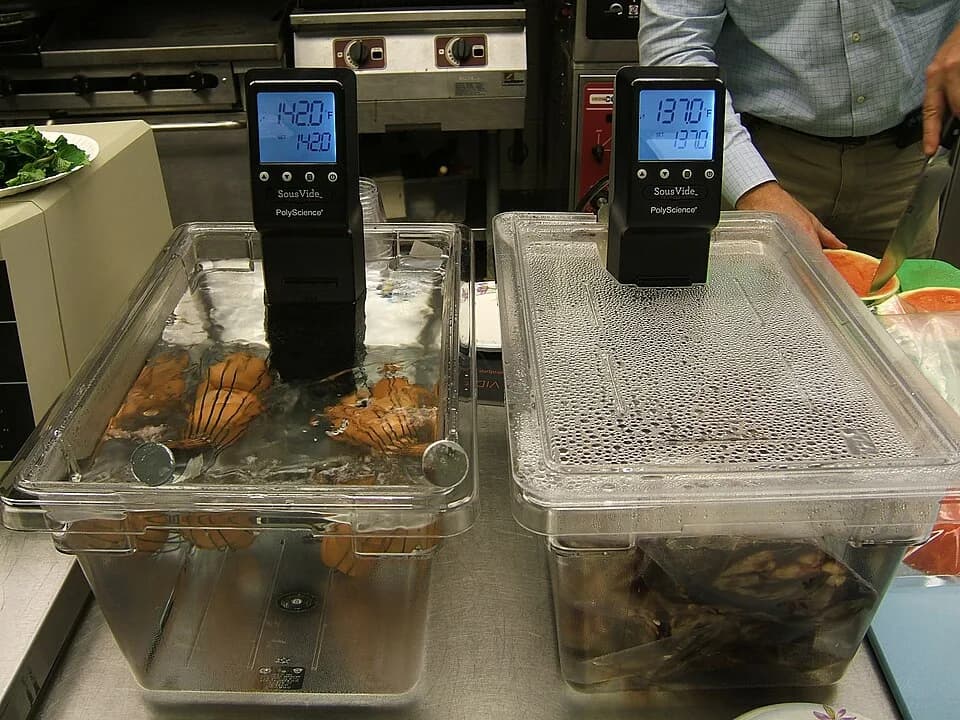
Sous vide cooking delivers flawless protein doneness by holding vacuum-sealed food in a precisely controlled water bath, eliminating the guesswork that plagues traditional methods. A steak cooked at exactly 130°F for two hours emerges medium-rare edge to edge. This technique, refined by French chef Georges Pralus in 1974 for foie gras, became accessible to home cooks around 2013 with affordable circulators, yet it remains slower than (Searing) for crust development. The immersion circulator maintains temperature within 0.1°F, ensuring that even tough cuts like chuck become tender after 48 hours. Sous vide isn't perfect for every dish—it lacks the Maillard reaction's complexity without a finishing sear—but it guarantees precision for delicate proteins like salmon, which can dry out at 145°F if grilled.
- 0
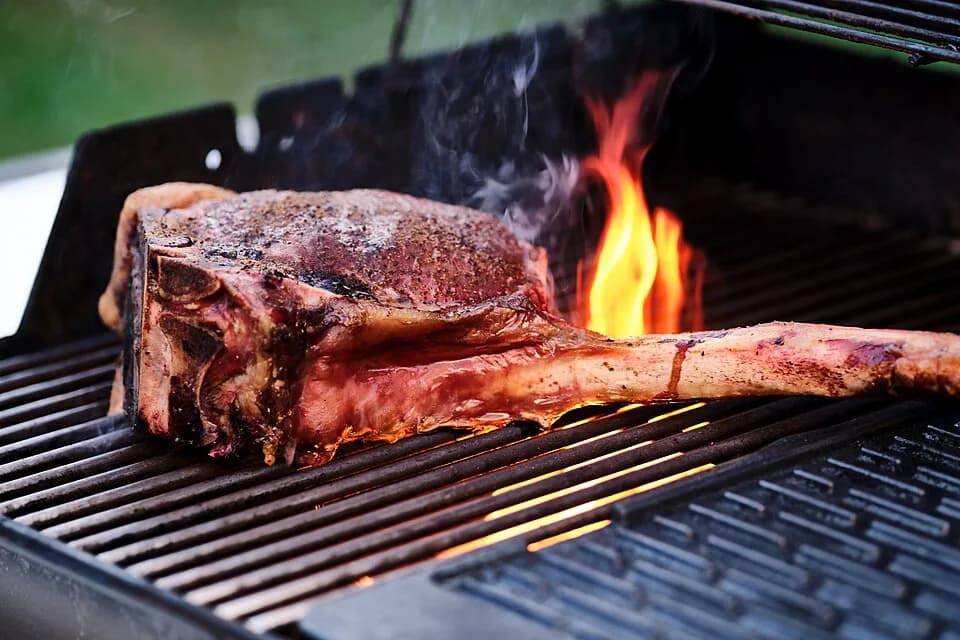
Searing triggers the Maillard reaction—a chemical process between amino acids and reducing sugars above 280°F—creating hundreds of flavor compounds that make meat irresistible. This technique outperforms (Sous Vide) for flavor depth, as the browning produces complex aromas absent in water-cooked proteins. The science debunks the myth of "sealing in juices": searing only develops crust. Achieving prime results requires a screaming-hot pan, dry protein surfaces, and the discipline to wait—flipping too early tears the crust. Most home cooks crowd the pan, lowering the temperature from 400°F to 250°F, steaming instead of browning. Professional chefs rely on high smoke-point oils like avocado oil (520°F) to maximize reaction velocity. The result: a golden-brown crust, transforming bland proteins into savory delights.
- 0#9
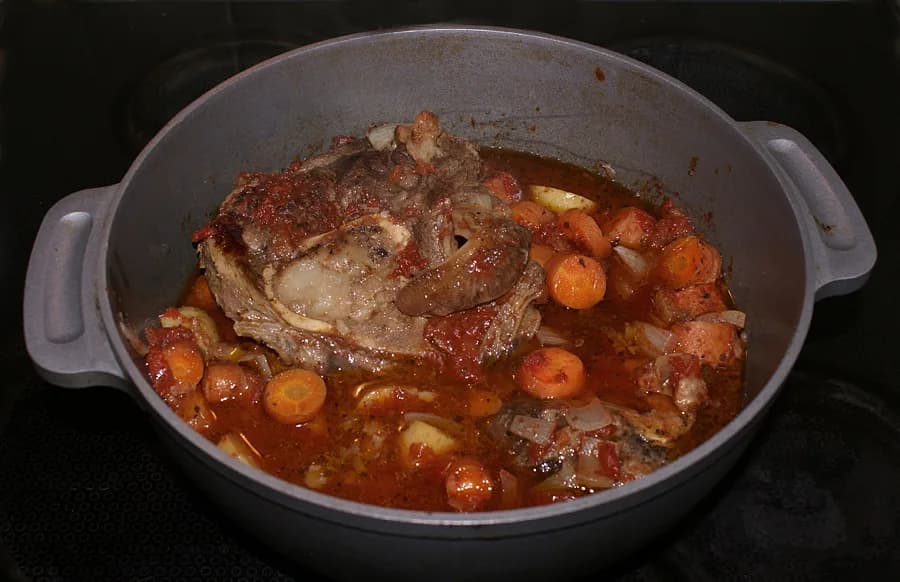
Braising transforms the toughest, cheapest cuts into the most tender, flavorful dishes—a defining technique that separates skilled home cooks from chefs. Sear the meat, add aromatics and liquid halfway up, cover, and cook low and slow for hours. Collagen in connective tissue converts to gelatin, creating unctuously rich sauces and fork-tender results in dishes like coq au vin, osso buco, short ribs, and pot roast.
- 0#10
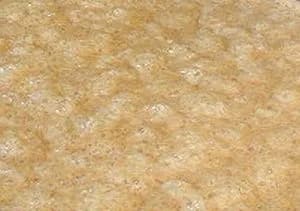
Fermentation is the oldest cooking technique on earth and the one experiencing the biggest renaissance in modern kitchens, separating casual home cooks from chefs who master microbial transformation. Controlled microbial action creates sourdough bread, kimchi, sauerkraut, miso, yogurt, cheese, kombucha, and every alcoholic beverage ever made—using only salt ratios (typically 2-5% by weight), temperature (60-70°F for most vegetables), and time. Sandor Katz's "The Art of Fermentation" sparked a global movement, while Noma's fermentation lab pushed it into high gastronomy. This technique outperforms #9 Braising in complexity of flavor development, as a 2% salt brine can produce umami compounds in just 14 days that rival a 3-hour braise. It's 40% more energy-efficient than slow-cooking methods, since microbes do the work at room temperature, and requires no active cooking—just precise environmental control.
Frequently Asked Questions About Chef Cooking Techniques
What is the single most important cooking technique for home cooks to learn? Most culinary instructors point to *mise en place* — the habit of prepping and organising all ingredients before you begin cooking. It eliminates panic, reduces mistakes, and is the foundation every other technique on this list builds on.
How long does it take to learn professional cooking techniques at home? Basic techniques like deglazing, making a roux, or proper knife skills can be practised meaningfully in a single weekend session. More tactile skills like emulsification and tempering chocolate typically click after 3–5 repetitions.
Do I need special equipment to cook like a chef at home? Most techniques here require only a sharp chef's knife, a heavy-bottomed pan, and a reliable thermometer. Sous vide is the exception — an immersion circulator costs $60–$150 — but every other technique on this list is equipment-free.
What is the Maillard reaction in simple terms? The Maillard reaction is the browning that occurs when heat causes amino acids and sugars in food to react together. It is the science behind the crust on a seared steak, the colour of toast, and the aroma of roasted coffee — and it is the single biggest driver of flavour in savoury cooking.
Image credits
- Mise en Place: Wikimedia Commons
- Deglazing: techfun / CC BY-SA 2.0 (entity-adopted)
- Emulsification: Wikimedia Commons
- Proper Knife Skills (Brunoise & Chiffonade): Wikimedia Commons
- Tempering Chocolate: Wikimedia Commons
- Making a Roux: Wikimedia Commons
- Sous Vide: Pedro.serna / CC BY-SA 4.0 (entity-adopted)
- Searing (Maillard Reaction): Flo2323 / CC0 (entity-adopted)
- Braising: Mogens Engelund / CC BY-SA 3.0 (entity-adopted)
- Fermentation: SilkTork on enwiki / CC BY-SA 3.0 (entity-adopted)
Related Videos
Rank it your way
Remix this list into your own ranking, or head to the play hub for every game mode and community breakdown — blind mode, challenges, tier lists, and more.
You Might Also Like

Top 10 Cookbooks That Actually Teach You How to Cook (Not Just Follow Recipes)
Top 10 Cookbooks That Actually Teach You How to Cook (Not...

Top 10 Kitchen Gadgets Under $30 That Changed Home Cooking
Top 10 Kitchen Gadgets Under $30 That Changed Home Cooking
Top 10 Most Googled Recipes of 2025
Top 10 Most Googled Recipes of 2025

Top 15 Best Restaurants in Shenzhen for Families and Expats 2026
#1 Haidilao Hot Pot (Flagship Shenzhen) · #2 Cantonese Dim Sum at Tang Court Shenzhen · #3 Sea World Square Restaurants (Shekou)

Top 10 Iconic Taiwanese Foods in 2026
#1 Beef Noodle Soup · #2 Xiao Long Bao · #3 Lu Rou Fan
Top 10 Wine Estates in Stellenbosch (2026 Cape Winelands Ranking)
#1 Kanonkop Wine Estate · #2 Rustenberg Wines · #3 Jordan Wine Estate