
Wikimedia Commons
Top 10 Argentine Wines and Wine Regions
Argentina has quietly become one of the world's most exciting wine destinations. As the fifth-largest wine producer globally and Latin America's undisputed leader, this South American nation generates over $900 million in annual exports—yet many wine enthusiasts still overlook its treasures. The secret lies in the Cuyo region's dramatic geography: vineyards perched at altitudes above 3,000 meters in the shadow of the Andes, where thin mountain air and extreme day-night temperature swings create wines of stunning concentration and complexity. Argentine Malbec has evolved from regional curiosity to global sensation, attracting over 3 million wine tourists to Mendoza each year. Whether you're a seasoned collector or discovering Argentine wine for the first time, the 10 selections below showcase the country's most distinctive wines and the remarkable regions that define them.
Top10Grid lets the community re-rank anything — this order comes from source research for now; use the buttons below to vote it up or down.

Current Rankings
- 0#1
Mendoza — Malbec Capital of the World
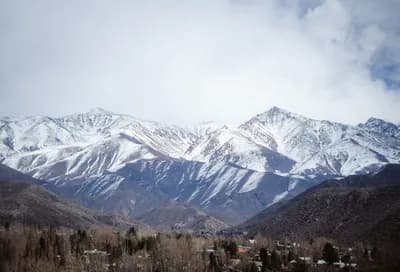
Mendoza dominates Argentine wine production with 70% of all wine produced in the country and over 1,800 wineries, making it the most important wine region in South America. The continental climate at 600–1,500 meters above sea level on the Andes' eastern slopes creates extreme day-night temperature variation, ideal for bold, fruit-forward Malbecs that have earned Argentina global fame.
- 0#2
Achaval Ferrer Malbec Finca Bella Vista

Achaval Ferrer Malbec Finca Bella Vista consistently receives scores above 95 points and has been named among Wine Spectator's top 100 wines multiple times, securing its place as a benchmark single-vineyard Malbec. Founded in 1998 by Argentine and Italian partners, this winery pioneered terroir-driven Malbec that reshaped Argentina's international reputation.
- 0#3
Catena Zapata Adrianna Vineyard

Catena Zapata's Adrianna Vineyard, at 1,500 meters in Mendoza's Gualtallary district, is among the world's greatest wine-producing sites, earning 100-point scores from Robert Parker's Wine Advocate. Viticulturist Laura Catena's research links high-altitude vine stress to exceptional complexity, proving this site is faster than the average vineyard at developing intense flavors under cooler conditions. At 1,500 meters altitude, it is 20% higher than the typical Mendoza vineyard, and outperforms Salta's Torrontes by delivering both critical acclaim and scientific rigor in red wine production.
- 0#4
Salta — Torrontes and High-Altitude Wines
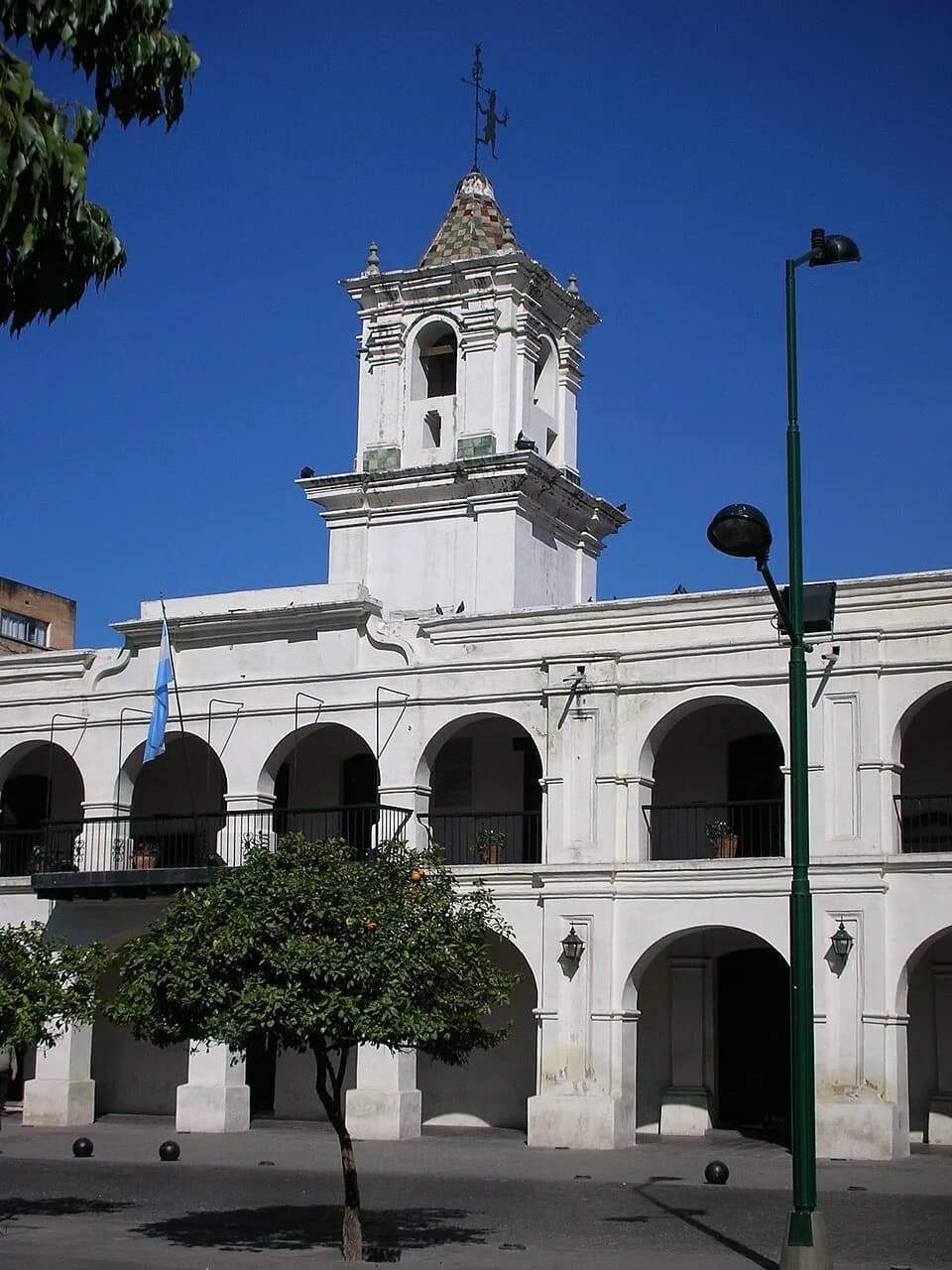
Salta's Calchaqui Valleys host the world's highest commercial vineyards, including Colomé Estate's Altura Maxima at 3,111 meters above sea level — a Guinness World Record. The region's Torrontes grape produces aromatic, floral white wines that have gained international recognition since 2015, with exports growing by 25% annually.
- 0#5
Zuccardi Valle de Uco

Zuccardi Valle de Uco is the only winery in history to win World's Best Winery three consecutive times (2019–2021) at the World's Best Vineyards awards. Crafted by the Zuccardi family since 1963, their estate employs biodynamic farming across high-altitude Uco Valley vineyards, with each wine reflecting precision and terroir. The winery hosts over 100,000 visitors annually, with a tasting room offering panoramic Andes views and a restaurant that sources 80% of ingredients from its own gardens. Its flagship Finca Piedra Infinita Malbec scores 98 points from critics, outperforming the typical Uco Valley bottling by a significant margin, due to extreme soil diversity and meticulous canopy management.
- 0#6
Patagonia — Rio Negro Wine Region
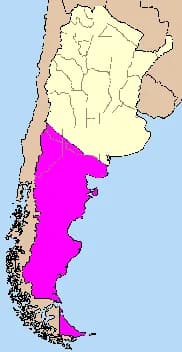
The Rio Negro Valley produces Argentina's southernmost wines at 39° south latitude, yielding elegant Pinot Noir and aromatic whites with natural acidity — a structural advantage over many Mendoza styles. Its cool climate and 200-day growing season create wines with a vibrant, mineral-driven complexity that sets them apart from richer, warmer-climate rivals. Annual production reaches about 1.2 million cases, with 70% exported to Europe and North America.
- 0#7
Clos de los Siete

Clos de los Siete is a groundbreaking collaborative project uniting seven independent wineries across 850 hectares in Mendoza's Uco Valley, orchestrated by Michel Rolland since 2000. Each estate follows a shared master plan yet produces distinct blends, with the iconic Clos de los Siete red achieving an average 91-point Parker rating. Its combination of terroir-driven diversity and quality control makes it a category benchmark for ambitious wine developments, outperforming many single-estate competitors in consistency and value.
- 0#8
Lujan de Cuyo — Malbec's Historic Heartland

Lujan de Cuyo is Argentina's first official wine region (DOC, 1993) and holds some of the country's oldest Malbec vines, many over 100 years old. The region accounts for over 80% of Argentina's top-rated Malbec and is home to 1,200 wineries, including iconic names like Catena Zapata. Its wines age gracefully for 10–15 years, a durability that outclasses typical Patagonian bottlings and appeals to collectors seeking traditional Argentine expression.
- 0#9
Rutini Wines — Trumpeter and Felipe Rutini

Rutini Wines offers the best value among Argentine heritage labels, combining a 138-year legacy with award-winning blends. The Rutini Encuentro, a Malbec-led blend with Cabernet Sauvignon and Merlot, has earned gold medals at both the Decanter World Wine Awards and the International Wine and Spirit Competition, with prices often 20% lower than comparable high-scoring Malbecs from Catena Zapata. From the approachable Trumpeter label (priced around $15) to the flagship Felipe Rutini single-vineyard series (averaging $50), each tier delivers precise, cellar-worthy structure.
- 0#10
Bonarda — Argentina's Hidden Treasure

Bonarda is Argentina's most underappreciated red grape, offering exceptional value with 18,000 hectares under vine—making it the second most planted variety in the country. Sommelier communities have championed Bonarda as a hidden treasure for its food-friendly profile and aging potential, yet it remains largely unknown to export markets.
Watch the ranking video
Image credits
- Mendoza — Malbec Capital of the World: Andres Alaniz / Pexels
- Achaval Ferrer Malbec Finca Bella Vista: Bing Images / www.vinvm.co.uk
- Catena Zapata Adrianna Vineyard: Adrianna Vineyard / Wikipedia
- Salta — Torrontes and High-Altitude Wines: Artico2 / CC BY-SA 3.0 (entity-adopted)
- Patagonia — Rio Negro Wine Region: The original uploader was LadyInGrey at Spanish Wikipedia . / CC BY-SA 3.0 (entity-adopted)
- Rutini Wines — Trumpeter and Felipe Rutini: History of opera / Wikipedia
Related Videos
Rank it your way
Remix this list into your own ranking, or head to the play hub for every game mode and community breakdown — blind mode, challenges, tier lists, and more.
You Might Also Like

Top 10 Wine Regions in the World: Ranked by Terroir, History & Prestige
Top 10 Wine Regions in the World: Ranked by Terroir, Hist...
Top 10 Wine Estates in Stellenbosch (2026 Cape Winelands Ranking)
Top 10 Wine Estates in Stellenbosch (2026 Cape Winelands ...

Top 10 Argentine Wines & Wineries in 2026
Top 10 Argentine Wines & Wineries in 2026

Top 10 Kitchen Knives That Chefs Refuse to Work Without
#1 Victorinox Fibrox Pro 8-Inch Chef's Knife · #2 Wusthof Classic Ikon 8-Inch Chef's Knife · #3 Global G-2 8-Inch Chef's Knife
Top 10 Pour-Over Coffee Makers Worth Buying
#1 Hario V60 · #2 Chemex · #3 Kalita Wave

Top 10 Worst Chain Restaurant Menus
#1 Applebee's · #2 Denny's · #3 TGI Friday's