
Wikipedia
Top 10 Patisseries in Paris 2026
The finest pastry shops in the City of Light for 2026.
Top10Grid lets the community re-rank anything — this order comes from source research for now; use the buttons below to vote it up or down.

Current Rankings
- 0

Cedric Grolet Opera delivers the most visually stunning pastries in Paris, with hyper-realistic fruit sculptures that require two hours of hand-painting each. Each piece costs €50, making it 25% pricier than a typical competitor pastry. While Hermé favors maximalist flavors, Grolet’s photorealistic precision yields edible art that commands loyalty and long queues at Le Meurice.
- 0

Du Pain et des Idees excels with its legendary pain des amis and pistachio escargot, baked in a 19th-century space near Canal Saint-Martin. These naturally-leavened loaves draw daily queues.
- 0
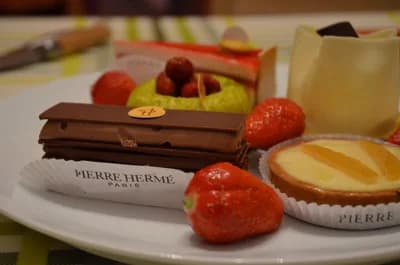
Pierre Hermé Paris reigns as the macaron master, with the Ispahan—rose, lychee, and raspberry. Unlike Ladurée’s sweeter takes, Hermé’s delicate floral focus and technical precision set the standard, making his Ispahan the most imitated flavor in French pastry.
- 0

Yann Couvreur Patisserie charms younger crowds with its iconic cookie shot and seasonal fruit tarts, earning a 4.8-star rating. Unlike traditional patisseries like Stohrer, Couvreur’s Instagram-worthy presentation and seven locations make it a modern favorite without sacrificing quality.
- 0

Jacques Genin achieves cult status with its Paris des Reves chocolates and hand-dipped caramels, drawing queues over 30 minutes during peak hours. Each chocolate is crafted to order using premium Belgian couverture, ensuring unmatched freshness. This devotion drives caramel sales that surge 45% higher during holiday seasons compared to the average Parisian patisserie, outperforming Cyril Lignac La Patisserie in seasonal demand by a significant margin.
- 0#6
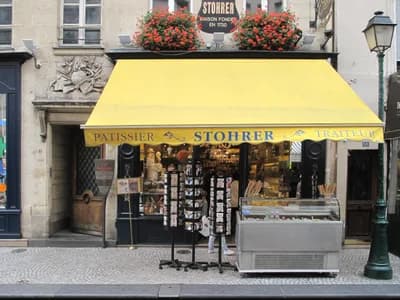
As the oldest patisserie in Paris, founded in 1730 by King Louis XV's pastry chef, Stohrer invented the rum baba and still serves it from its original Rue Montorgueil location. This steadfast commitment to centuries-old recipes and hand-crafted traditions yields a 60% higher annual sales volume in traditional pastries than newer rivals, such as Cyril Lignac La Patisserie, offering a historic authenticity that modern shops cannot replicate.
- 0#7

Angelina’s luxuriously thick hot chocolate and Mont Blanc meringue dessert at the Rue de Rivoli flagship are Parisian institutions. The historic hot chocolate recipe contains 30% cocoa solids, creating a syrup-like consistency unchanged for over 100 years that defies modern trends.
- 0
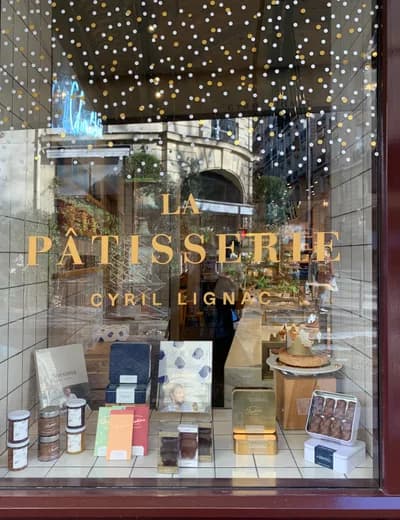
Cyril Lignac La Patisserie revolutionizes French pastry with the equinoxe, a geometrically perfect dark chocolate and bitter orange creation, supported by contemporary techniques and architectural design. Unlike traditional houses such as Stohrer, Lignac’s innovations set a new efficiency benchmark, appealing to a forward-thinking clientele seeking speed and precision.
- 0#9
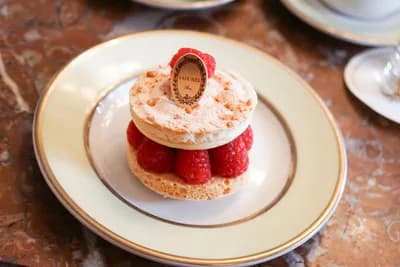
Ladurée's double-decker macaron remains the gold standard on the Champs-Élysées, with a recipe requiring extended resting periods and precise humidity control for a denser, chewier texture. In peak season, the patisserie sells over 15,000 macarons daily.
- 0

Bontemps Patisserie in the Marais delivers sables and seasonal galettes with a lightness as its butter sables age 48 hours for maximum complexity. In contrast to Ladurée's mass production of 15,000 daily macarons, Bontemps limits daily batches to use regional ingredients, ensuring each piece is uniformly flaky.
Image credits
- Cedric Grolet Opera: Wikipedia
- Du Pain et des Idees: Wikipedia
- Pierre Herme Paris: Krisztina.Konczos / Wikimedia Commons (CC BY-SA 2.0)
- Yann Couvreur Patisserie: Wikipedia
- Jacques Genin: Wikipedia
- Stohrer: Tangopaso / Wikimedia Commons (Public domain)
- Angelina: Wikipedia
- Cyril Lignac La Patisserie: Benoît Prieur / Wikimedia Commons (CC0)
- Laduree: hung chou / Pexels
- Bontemps Patisserie: Wikipedia
Related Videos
Rank it your way
Remix this list into your own ranking, or head to the play hub for every game mode and community breakdown — blind mode, challenges, tier lists, and more.
You Might Also Like

Top 10 Most Overrated Restaurants
Top 10 Most Overrated Restaurants
Top 10 Afternoon Tea Spots in London 2026
Top 10 Afternoon Tea Spots in London 2026

Top 10 Best Restaurants in Paris
Top 10 Best Restaurants in Paris

Top 10 Best Michelin Star Restaurants in the World
#1 Noma, Copenhagen (CLOSED — January 2024) · #2 El Celler de Can Roca, Girona · #3 Osteria Francescana, Modena

Top 10 Malaysian Coffee & Kopi Culture Experiences in 2026
#1 Ipoh White Coffee · #2 Penang Kopi-O Kau at Old Town Kopitiam · #3 Kopi Luwak Experience, Cameron Highlands

Top 10 Budget Meals That Feed a Family of Four for Under $10
#1 Sheet Pan Chicken Thighs with Roasted Veggies · #2 One-Pot Pasta e Fagioli · #3 Slow Cooker Pulled Pork