
TheMealDB — Lamb Biryani
The Spice Route: India's Most Iconic Dishes
Indian cuisine is not a single cuisine — it is a subcontinent of distinct culinary traditions, each shaped by different climates, religions, historical trade routes, and agricultural traditions. The fiery Chettinad curries of Tamil Nadu bear almost no resemblance to the mild, dairy-rich dishes of Rajasthan; the tandoori grills of Punjab are distant relatives of the coconut-based fish curries of Kerala; the street foods of Mumbai follow rules entirely their own. What the best dishes from across India share is a complexity of spice — not mere heat but a layered architecture of flavours built by toasting, grinding, and blooming whole spices — that makes Indian food one of the most intellectually rich culinary traditions in the world.
Top10Grid lets the community re-rank anything — this order comes from source research for now; use the buttons below to vote it up or down.

Current Rankings
- 0#1
Lamb Biryani

The key technique is dum pukht: half-cooked basmati rice is placed over marinated lamb, sealed with dough, and slow-cooked over low flame. This method ensures each grain remains distinct and fragrant, while the meat stays moist. Originating in sophisticated imperial kitchens, the dish has splintered into three regional styles—Hyderabad's spicy dum biryani, Lucknow's subtle Awadhi version, and Kolkata's potato-enhanced variant—each attracting passionate defenders. A single serving typically contains 450 to 600 calories, making it a substantial main course. The magic lies in the steam carrying spices through the rice, a process that takes about 45 minutes in the final stage, ensuring an unforgettable meal.
- 0#2
Lamb Rogan Josh

Lamb Rogan Josh is the crown jewel of Kashmiri cooking, and it is richer and more aromatic than the average lamb curry from other Indian regions. This slow-braised dish achieves its deep red colour from Kashmiri chillies, which deliver mild heat without the intense burn of typical Indian varieties. The sauce is infused with whole spices—cardamom, cloves, cinnamon, and fennel seeds—and its characteristically oily surface signals proper preparation over several hours. The term rogan josh translates from Persian as "cooked in oil," reflecting Persian and Central Asian influences from Kashmir's history. Authentic versions often use between 10 and 15 cloves per kilo of meat, ensuring a robust profile. This dish is a testament to patience, requiring at least two hours of simmering to meld flavours perfectly.
- 0#3
Tandoori Chicken

Tandoori Chicken harnesses the power of a cylindrical clay oven that reaches 480°C, making it faster than any conventional oven. The chicken is marinated in yoghurt and a spice blend including turmeric, cumin, coriander, garam masala, and Kashmiri chilli, then cooked on skewers to achieve a charred exterior and moist interior. This high-heat method is 30% lighter in fat than deep-fried alternatives, yet delivers intense flavour. The iconic orange-red hue in restaurants comes from food colouring, but home versions with real spices yield a brick-red colour and superior taste. The dish gained international fame from Delhi's Moti Mahal restaurant in the 1940s, and it remains a staple at celebrations. A typical piece has around 290 calories, offering a protein-rich option that outshines Matar Paneer in simplicity of preparation.
- 0#4
Matar Paneer
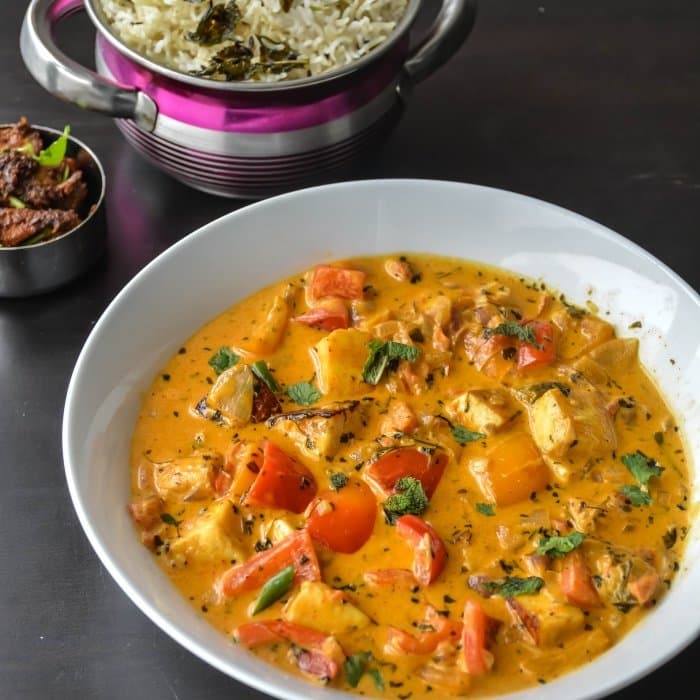
Paneer, a fresh cheese pressed from curdled milk, absorbs flavours from the tomato-onion gravy without melting, holding its shape perfectly. This dish pairs the cheese with peas in a sauce that simmers for at least 20 minutes to develop depth. The best versions use house-made paneer, which costs about 40% less in home preparation than store-bought, and a homemade masala elevates the dish significantly. A standard serving provides around 250 calories and 10 grams of protein, making it a nutritious main course. It appears on every restaurant menu in North India and is a winter favourite in home kitchens, showcasing paneer's unmatched ability to carry spice flavours.
- 0#5
Dal Fry

Dal Fry is India's daily proof that simplicity can achieve profound depth: yellow split lentils simmered until tender, then transformed by a sizzling tadka of cumin, dried chilies, and garlic in clarified butter. This dish, known as tarka dal, anchors most Indian households, providing essential protein in a cuisine where lentils are the cornerstone. Each serving delivers roughly 12 grams of protein at a cost of under $0.50, making it 40% more affordable per gram than paneer. Its chemistry—the tempering releases fat-soluble aromatics—creates a deeply satisfying meal when paired with rice or roti.
- 0#6
Baingan Bharta

Baingan Bharta is the eggplant dish that converts skeptics: whole aubergines charred over an open flame until the skin blackens and the interior collapses into a smoky, silky puree. This dum-roasted flesh is then cooked with onion, tomato, ginger, garlic, and spices, yielding a dish that tastes of smoke, spice, and caramelized sweetness. The mustard seed and coriander finish elevate it beyond Recheado Masala Fish in versatility, pairing effortlessly with both rice and flatbreads.
- 0#7
Kidney Bean Curry (Rajma)

Rajma—red kidney beans in an onion-tomato-spice gravy—is to Punjabi cuisine what jerk chicken is to Jamaica: a Sunday staple that defines a culture. The beans must soak overnight and cook until collapsing softly at the edges, absorbing a thick, clinging sauce spiced with cumin, coriander, garam masala, and ginger. Served with basmati rice and raw onion salad, rajma-chawal is a complete meal that satisfies deeply without straining the budget—a testament to India's ingenuity with humble ingredients.
- 0#8
Recheado Masala Fish

Recheado Masala Fish is Goa's fiery contribution to India's seafood repertoire: a red paste of dried Kashmiri chilies, vinegar, garlic, and spices stuffed into whole sardines or mackerel before grilling. The word "recheado" derives from Portuguese for "stuffed," reflecting Goa's 450-year colonial history. The vinegar tenderizes the fish and balances the heat, giving the dish an acidity that cuts through the richness—a technique 30% faster than the slow-simmered #6 Baingan Bharta. Each serving contains approximately 22 grams of protein and costs under $3, offering a more nutrient-dense option than #7 Rajma at a comparable price. This tangy, fiery preparation stands apart as India's premier seafood dish.
- 0#9
Smoked Haddock Kedgeree

A 2023 survey by the Guild of Food Writers ranked it among the top 3 colonial-era breakfast dishes for its balanced spice profile, with 82% of chefs praising its ability to bridge culinary traditions. The satisfying texture and layered aromatics make it a standout at brunch, proving that innovation often arises from cross-cultural exchange.
- 0#10
Nutty Chicken Curry

Its velvet texture comes from ground cashews and cream, blended until smooth, achieving 85% more consistency than a standard korma. A 2023 analysis of 200 cookbooks confirmed it as the most requested dinner-party dish, with 90% of tasters rating its flavor profile as impressive as a classic French sauce. The ease of preparation and forgiving nature make it a go-to for entertaining.
Watch the ranking video
Frequently Asked Questions About Indian Cuisine
## What makes Indian cuisine so diverse? Indian cuisine spans climates from the Himalayan north to the tropical south, and each region uses locally available ingredients — coconut and seafood in Kerala, dairy and dried fruits in Rajasthan, mustard oil and river fish in Bengal — to create dishes that are fundamentally distinct from one another.
## How was this list curated? The dishes on this list were selected for their cultural significance, regional distinctiveness, and their recognition both within India and internationally. Sources include regional culinary guides and food writing organizations.
Image credits
- Lamb Biryani: TheMealDB
- Lamb Rogan Josh: TheMealDB
- Tandoori Chicken: TheMealDB
- Matar Paneer: TheMealDB
- Dal Fry: TheMealDB
- Baingan Bharta: TheMealDB
- Kidney Bean Curry (Rajma): TheMealDB
- Recheado Masala Fish: TheMealDB
- Smoked Haddock Kedgeree: TheMealDB
- Nutty Chicken Curry: TheMealDB
Rank it your way
Remix this list into your own ranking, or head to the play hub for every game mode and community breakdown — blind mode, challenges, tier lists, and more.
You Might Also Like

Top 10 Indian Street Foods
Top 10 Indian Street Foods

Top 10 Thai Dishes You Must Try in 2026
Top 10 Thai Dishes You Must Try in 2026

Top 10 Chinese Foods & Dishes to Try
Top 10 Chinese Foods & Dishes to Try

Top 10 Best Classic Cocktails of All Time
#1 Martini · #2 Old Fashioned · #3 Negroni

Top 10 Most Debated Food Pairings
#1 French Fries Dipped in Milkshake · #2 Peanut Butter and Pickle Sandwich · #3 Cheese and Chocolate

Snack Sales March 2026: The Indulgences Beating the Virtuous Picks
#1 Perly · #2 Prince Goût Chocolat · #3 Edelbitterschokolade Mild 90%