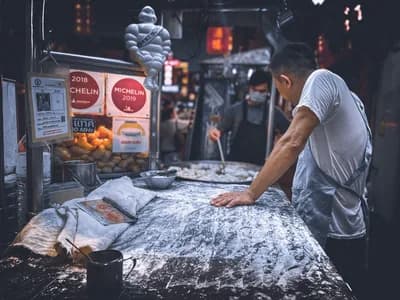
Sora K / Pexels
The 10 Best Thai Restaurants in Thailand: From Michelin Stars to Legendary Street Food
From a one-wok street stall in Bangkok's Old Town to two-Michelin-star tasting menus, Thailand's food scene is unusually wide. This list covers ten of the most-celebrated rooms in the country: Isaan specialists in Udon Thani, heritage Lanna kitchens in Chiang Mai, Bangkok fine-dining landmarks, and a few street-food institutions that draw queues before sunrise. Use it as a starting point whether you're planning a trip or just want to know which kitchens Thai diners themselves talk about.
Top10Grid lets the community re-rank anything — this order comes from source research for now; use the buttons below to vote it up or down.

Current Rankings
- 0
Chef David Thompson's iconic restaurant at COMO Metropolitan Bangkok is widely considered one of the most important Thai restaurants in the world. Drawing from 19th-century manuscripts and ancient recipes, Thompson meticulously reconstructs forgotten southern Thai dishes with complex curry pastes and rare ingredients. The tasting menu is a history lesson as much as a meal — deeply spiced, intensely layered, and unlike anything labeled "Thai" outside Thailand. Not for timid palates, but an essential pilgrimage for serious food lovers.
- 0
Bo Songvisava and Dylan Jones built Bo.lan into Bangkok's most influential sustainable fine-dining Thai restaurant. The couple sources heritage rice varieties, rare vegetables, and fermented pastes directly from Thai farmers — then transforms them into menus that rotate with the harvest. Every dish traces its lineage to a specific Thai region. The cooking is scholarly but never cold: bold, aromatic, and grounded in real Thai home-cooking traditions. One of the few restaurants where sustainability and authentic flavor genuinely reinforce each other.
- 0
Chef Gaggan Anand's eponymous restaurant has held Asia's No. 1 spot multiple times and earned two Michelin stars by deconstructing both Indian and Thai traditions through molecular gastronomy. The progressive tasting menu — served on emoji cards — is theatrical, surprising, and technically dazzling. Dishes like yogurt explosion and charcoal flatbread push flavor boundaries while retaining emotional resonance. Polarizing to purists but undeniably one of Asia's most inventive dining experiences. Reservations require months of lead time.
- 0
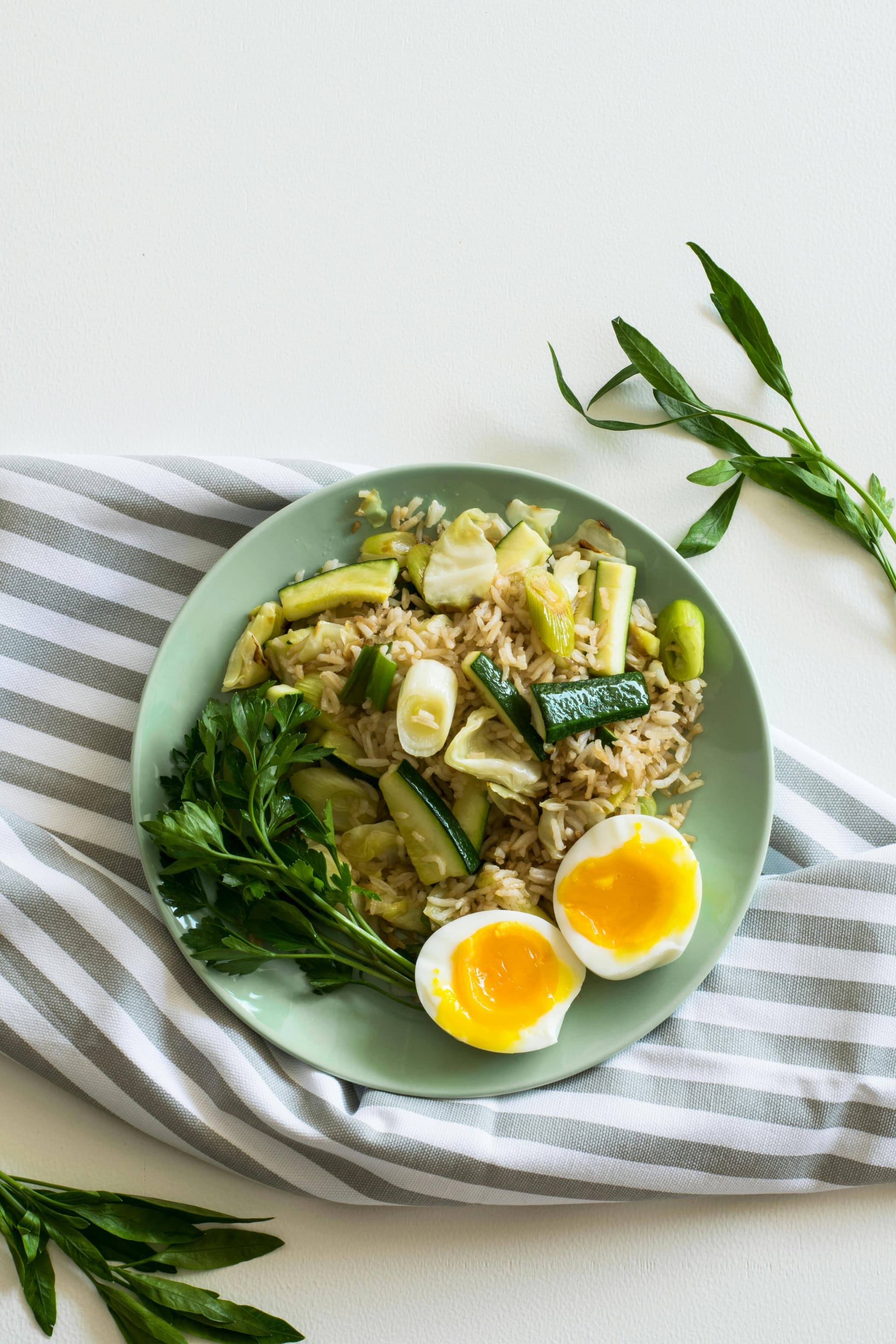
Sorn holds two Michelin stars and ranks among Asia's 50 Best Restaurants — remarkable for a restaurant dedicated entirely to Southern Thai cuisine, historically overlooked by fine-dining establishments. Chef Supaksorn Jongsiri (Nlek) sources ingredients directly from southern Thai farmers and fishermen, including wild-caught crabs, aged shrimp pastes, and heirloom coconut varieties. The multi-course tasting menu is fiercely authentic: bold turmeric heat, sour fermented profiles, and abundant seafood. No fusion, no compromise — just the south at its finest.
- 0
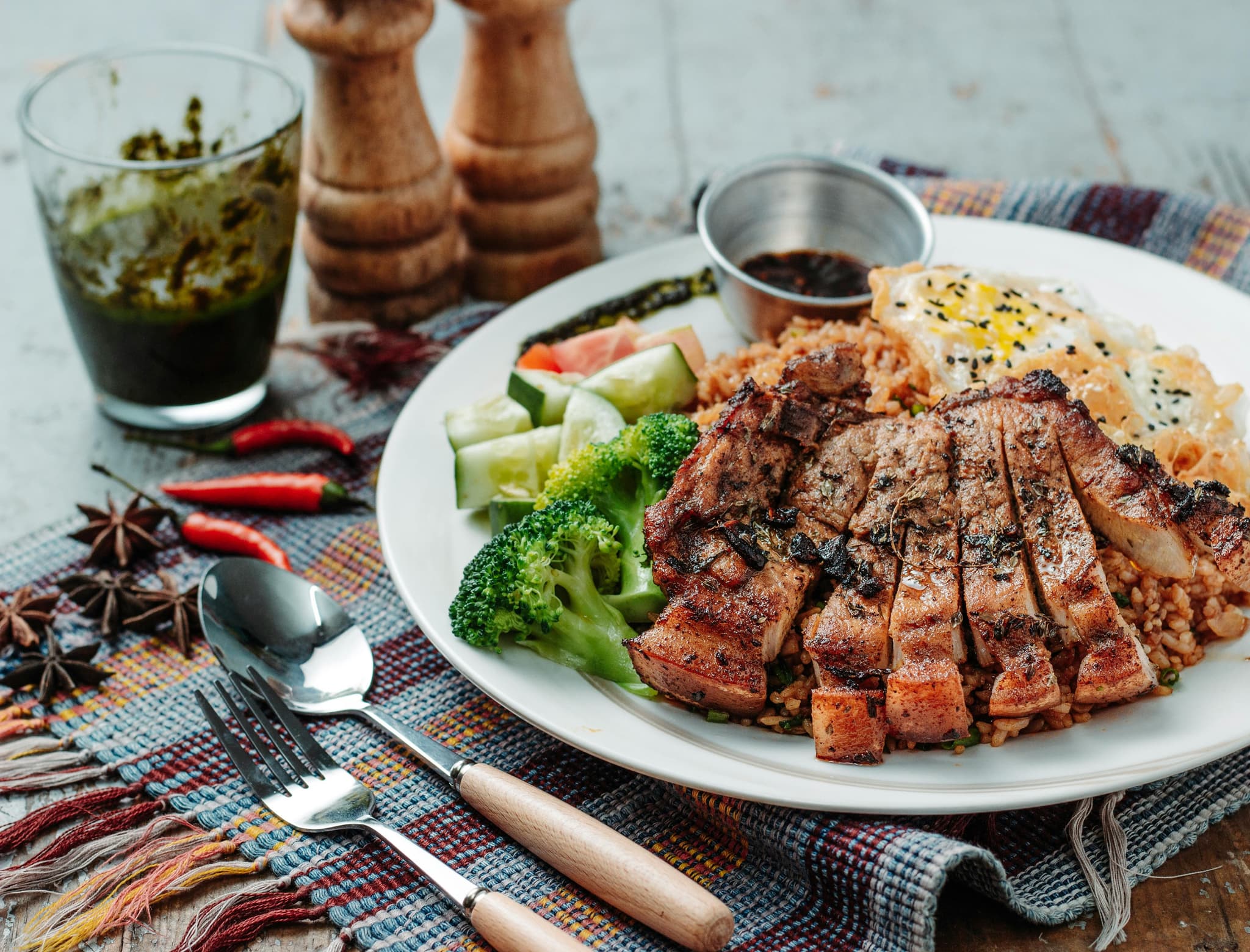
Chef Bee Satongun earned a Michelin star for her singular focus on royal Thai cuisine — a refined court tradition that contrasts with street-food familiarity. At Paste, intricate spice pastes are crafted by hand using pestles and mortars, then combined with heritage ingredients like aqua regia leaves, dried prawns, and lotus seeds in dishes traced from royal manuscripts. The atmosphere is serene, the service ceremonial, and the food reveals just how sophisticated Thai cuisine can be when stripped of modern shortcuts.
- 0
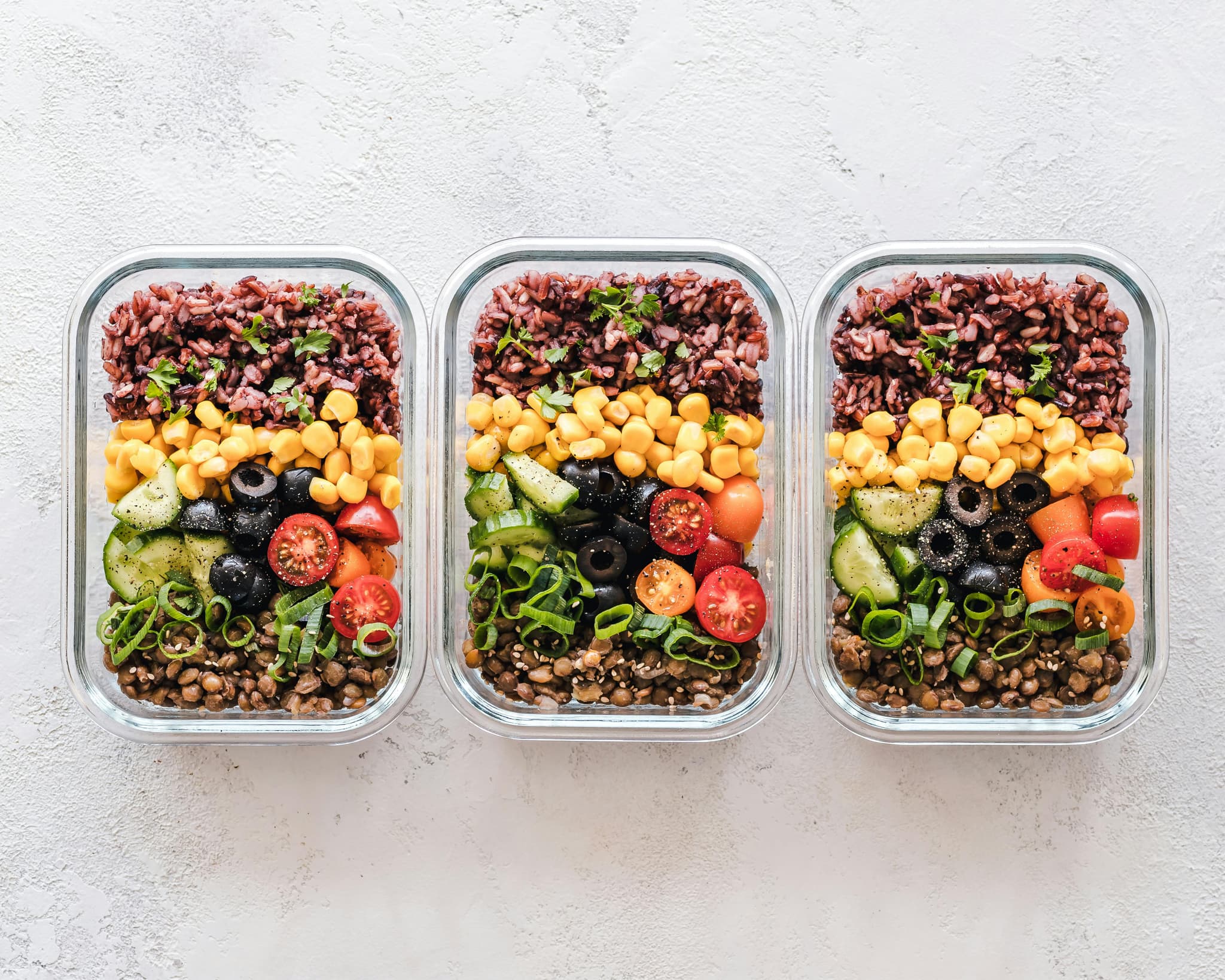
Opened by the Khemmali family to share grandmother's recipes from Thailand's Trat province, Supanniga Eating Room has grown into a beloved Bangkok institution with multiple locations. The menu spotlights flavors from Thailand's eastern coastal region — tangy stir-fried seafood, fermented shrimp pastes, and coconut-based desserts rarely found elsewhere. Presentation is modern but portions are generous, and prices remain genuinely accessible. It's Thai family cooking amplified: comforting, well-executed, and free of tourist-oriented simplification.
- 0
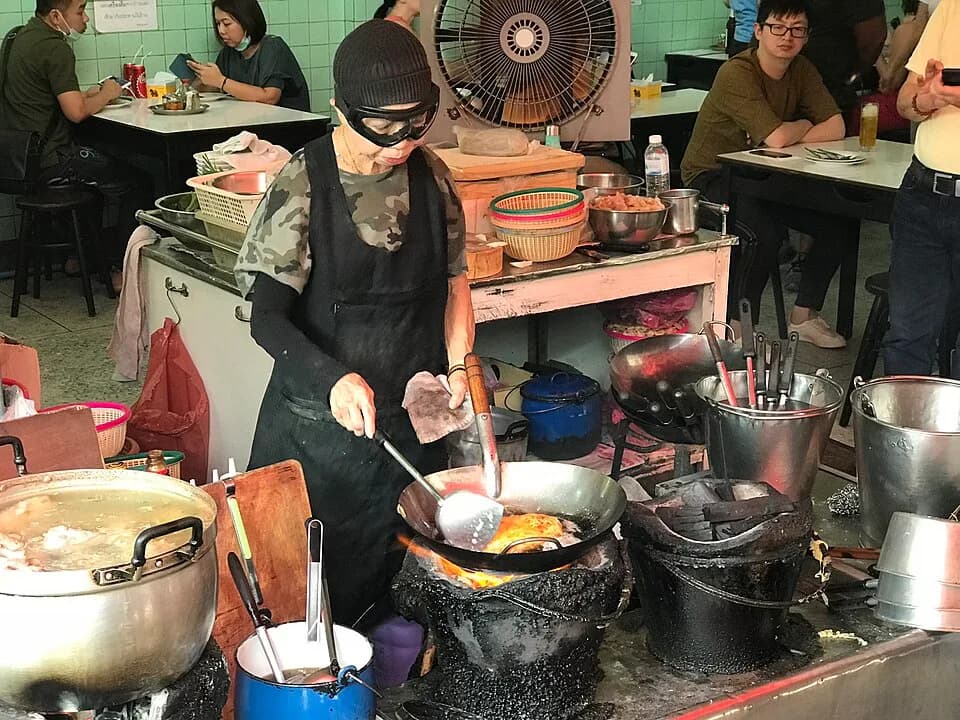
Raan Jay Fai is the world's most famous street-food stall — a 70-year-old shophouse run by chef Supinya Junsuta (Jay Fai), who cooks every dish herself over high-heat charcoal while wearing ski goggles to protect from the oil splatter. Her jumbo crab omelette, dry boat noodles, and wok-fried crab with curry powder earned her a Michelin star in 2018 and global notoriety. Prices are steep by street-food standards, queues are long, and reservations book out weeks ahead — but the skill and drama of watching Jay Fai cook is a Bangkok pilgrimage in itself.
- 0
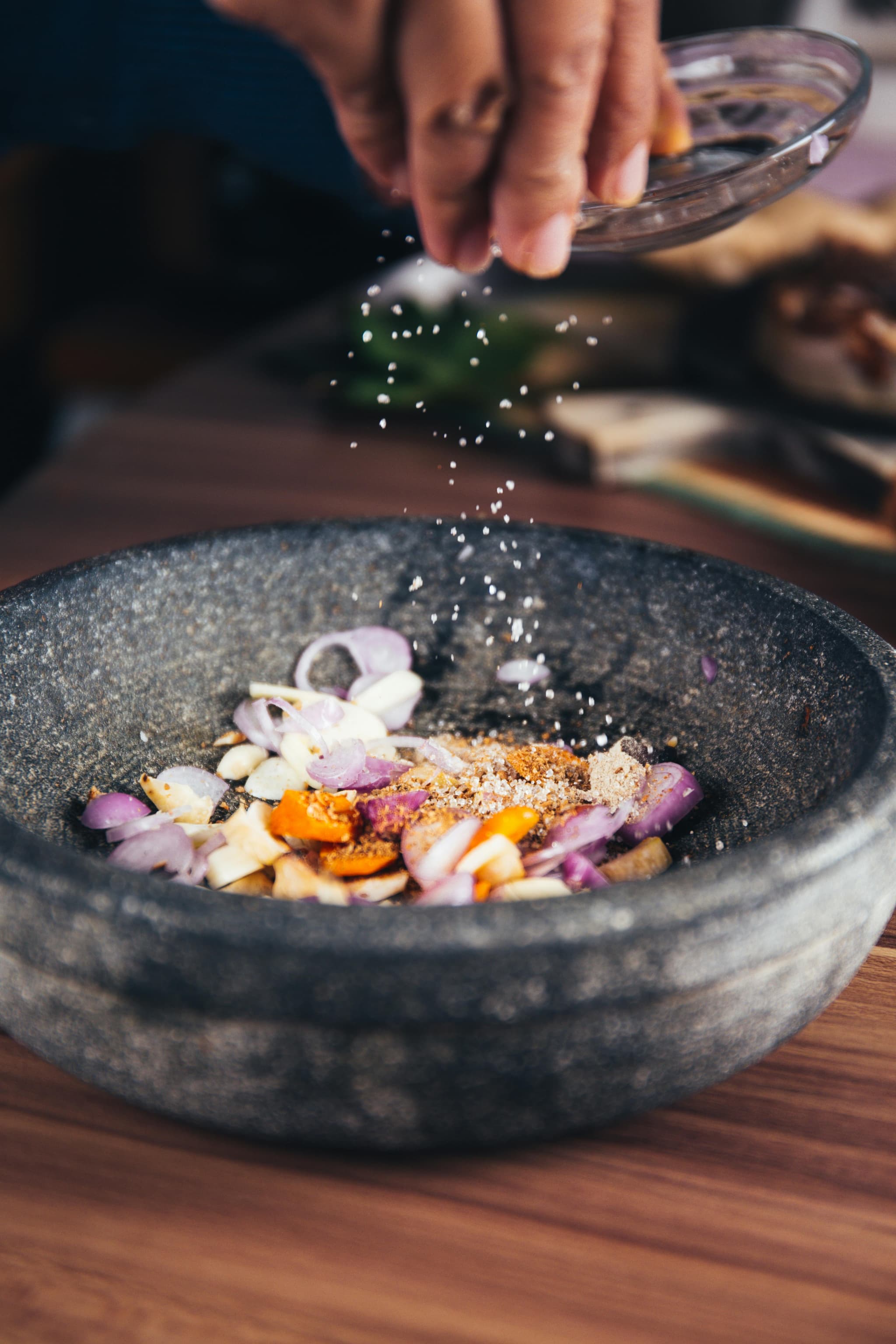
Chote Chitr has been feeding Bangkok's old-town residents since the 1940s — four generations of the same family preserving recipes that most modern Thai restaurants have abandoned. The menu centers on central Thai classics: miang kham (betel leaf parcels), phat mee Bangkok (original fried noodles), and floral desserts made from scratch with pandan and jasmine. The decor is deliberately unchanged: wooden furniture, Thai antiques, and no aircon in parts. It's less restaurant than living museum — a rare chance to eat like Bangkok did 80 years ago.
- 0
In Thailand's northeast (Isaan region), Samuay & Sons has earned national recognition for elevating humble Isaan flavors into a coherent culinary identity. Chef Chumpol Jangprai's kitchen forages locally for wild mushrooms, river herbs, and fermented fish paste (pla ra), then assembles them into seasonal tasting menus that celebrate Isaan's distinctive sour-and-funky flavor profile. The restaurant operates in Udon Thani — well off the tourist circuit — which is precisely the point. No shortcuts for the international palate; this is Isaan cooking on its own terms.
- 0

Huen Phen is the definitive destination for Lanna cuisine — the historic food tradition of northern Thailand, distinct from Bangkok's central Thai cooking in its use of bitter greens, fermented sausage (sai ua), and sticky rice. The house specialty khao soi — a coconut curry noodle soup topped with crispy noodles — is considered by many food critics the benchmark version of the dish. Operating since the 1950s and still family-run, Huen Phen fills two dining rooms: a daytime canteen and a more atmospheric evening space filled with antiques. Essential for any trip to Chiang Mai.
Frequently Asked Questions About Thailand's Best Thai Restaurants
## Frequently Asked Questions About Thailand's Best Thai Restaurants
Which restaurants on this list hold Michelin stars? Paste Bangkok holds one Michelin star, and Sorn Bangkok holds two. Nahm Bangkok has also held a Michelin star in the past.
Are there street-food options on the list? Yes. Raan Jay Fai in Bangkok is the most famous street-food stall on the list, known for its crab omelette and drunken noodles.
Which restaurants represent regional Thai cooking? Huen Phen showcases Lanna cuisine from northern Thailand, while Samuay and Sons in Udon Thani is known for Isaan dishes from the northeast.
Do I need a reservation? Fine-dining spots such as Sorn, Gaggan Anand, Bo.lan, Paste and Nahm typically require reservations weeks in advance. Street-food stalls and long-running neighborhood kitchens like Chote Chitr are usually walk-in only.
Is this list ordered by quality or by region? The list mixes Bangkok fine dining, regional specialists, and street-food institutions to give a balanced view of Thai cuisine rather than a single ranking.
Frequently asked questions about Thailand's best Thai restaurants
Do I need a reservation at these restaurants? Michelin-starred and tasting-menu rooms like Sorn, Gaggan, Bo.lan, Paste and Nahm typically require booking 2–6 weeks ahead, often through the restaurant or a concierge. Heritage spots such as Chote Chitr and Huen Phen usually take walk-ins, with a short wait at peak hours. Raan Jay Fai and Samuay & Sons are walk-in only and can mean a 2–4 hour queue, especially on weekends.
What price range should I expect? Street-food stalls like Raan Jay Fai and many Isaan spots at Samuay & Sons stay under a few hundred baht per person. Mid-range Thai kitchens (Supanniga, Chote Chitr, Huen Phen) generally run a few hundred to around one thousand baht. Bangkok fine-dining rooms (Sorn, Gaggan, Paste, Bo.lan, Nahm) start in the low four figures and rise into multi-course tasting-menu territory.
Which regions does this list cover? Most entries are in Bangkok, with dedicated stops in Chiang Mai (Huen Phen) and Udon Thani (Samuay & Sons), giving a cross-section of central, northern and northeastern Thai cooking.
Are these ranked in order? The list is curated rather than strictly ranked — items are grouped roughly by style (street food, heritage kitchens, modern fine dining) so you can jump to the section that matches your trip and budget.
<h2>Frequently Asked Questions About Thai Restaurants</h2>
### Q: What makes Thai cuisine unique?
Thai cuisine is celebrated for its intricate balance of five fundamental taste senses in each dish or the overall meal: hot (spicy), sour, sweet, salty, and bitter. It often uses fresh herbs and spices like lemongrass, galangal, kaffir lime leaves, and chili, creating complex and aromatic flavors.
### Q: Are all the restaurants on this list located in Thailand?
Yes, this list specifically focuses on top Thai restaurants located within Thailand, showcasing the country's diverse culinary landscape from Bangkok's fine dining to regional specialties in Udon Thani and Chiang Mai.
### Q: What is 'Lanna cuisine'?
Lanna cuisine refers to the traditional food of Northern Thailand, characterized by its milder flavors compared to central or southern Thai dishes, and often featuring sticky rice, herbaceous curries, and unique fermented specialties. Huen Phen in Chiang Mai is a prime example of a restaurant specializing in Lanna heritage dishes.
Image credits
- Raan Jay Fai Bangkok: Sais.isa / CC BY-SA 4.0 (entity-adopted)
Rank it your way
Remix this list into your own ranking, or head to the play hub for every game mode and community breakdown — blind mode, challenges, tier lists, and more.
You Might Also Like

Top 10 Best Restaurants in Paris
Top 10 Best Restaurants in Paris

Top 10 Michelin Restaurants in Singapore 2026
Top 10 Michelin Restaurants in Singapore 2026

Top 10 Best Michelin Star Restaurants in the World
Top 10 Best Michelin Star Restaurants in the World

Top 10 Italian Desserts in 2026
#1 Tiramisù · #2 Gelato · #3 Cannoli

Top 10 Best Rooftop Cocktail Bars in Hong Kong 2026
#1 Ozone Bar (Ritz-Carlton, ICC) · #2 Felix Bar (The Peninsula Hotel) · #3 Aqua Spirit (One Peking)

Top 10 Italian Cheeses in 2026
#1 Parmigiano-Reggiano · #2 Mozzarella di Bufala Campana · #3 Gorgonzola