
U.S. FDA / Wikimedia Commons (Public Domain)
Top 10 Foods Banned in Other Countries but Legal in the US
The FDA and the European Food Safety Authority examine the same scientific data yet routinely reach opposite conclusions—a regulatory divide that directly affects what's on your plate. Americans routinely consume artificial additives, banned pesticides, growth hormones, and synthetic dyes that are prohibited in the EU, Japan, Australia, Canada, and the UK. This gap stems from a fundamental difference in approach: the US presumes additives are safe until proven otherwise, while most developed nations require proof of safety before approval. The result is a striking list of everyday ingredients—from artificial dyes to banned sweeteners to growth-promoting hormones—that regulatory bodies worldwide have rejected as unacceptable. Whether this reflects American confidence in industry self-regulation or represents global overcaution, the banned-but-legal foods many of us eat daily span surprising categories that likely extend well beyond what most people realize.
Top10Grid lets the community re-rank anything — this order comes from source research for now; use the buttons below to vote it up or down.

Current Rankings
- 0

Potassium bromate is a potent dough strengthener and rising aid used in American bread flour, yet it is banned across the EU, UK, Canada, Brazil, China, India, and most developed nations since the 1990s. The International Agency for Research on Cancer classifies it as a Group 2B possible human carcinogen, and California mandates a Prop 65 cancer warning on bromated flour products. Despite the FDA's 1991 voluntary recommendation to stop using it, many commercial bakeries persist.
- 0

Ractopamine is a growth-accelerating feed additive given to pigs, cattle, and turkeys during their final weeks to promote lean muscle mass, effectively acting as a livestock performance-enhancing drug. It is banned in 160 countries, including the EU, China, Russia, and Taiwan, and the Codex Alimentarius adopted maximum residue limits only through a contentious 69-67 vote in 2012. This creates a costly two-tier export system, where US pork shipments to China must be certified ractopamine-free—a clear example of feeding Americans what cannot be sold abroad.
- 0

Red 40, Yellow 5, and Yellow 6 dominate the US food dye market, accounting for 90% of artificial colorants used in products from Froot Loops to Gatorade, all derived from petroleum. While the EU does not ban these dyes outright, it mandates warning labels stating they "may have an adverse effect on activity and attention in children," a move that prompted most European manufacturers to voluntarily switch to natural colorants. Notably, the same Fanta sold in the US contains Yellow 6 and Red 40, whereas its UK counterpart uses carrot and pumpkin extracts. This discrepancy costs the US industry an estimated 20% more in synthetic dye exposure per capita than the average European.
- 0

Recombinant bovine growth hormone (rBGH/rBST), developed by Monsanto and approved by the FDA in 1993, boosts milk production by 10-15% in treated cows but is banned in the EU, Canada, Australia, New Zealand, and Japan due to animal welfare risks—including increased mastitis and lameness—and concerns over elevated IGF-1 in milk. This consumer-led shift shows that market forces can accomplish what regulation has not.
- 0
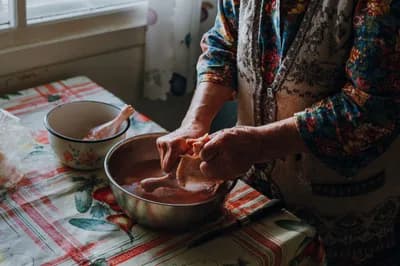
Chlorine-washed chicken stands as the most glaring divergence between US and EU food safety: American processors rinse poultry in chlorinated water at 20–50 ppm to eliminate bacteria post-slaughter. The key data point: the EU considers this a processing aid that violates its farm-to-fork hygiene philosophy. While both regulatory bodies deem the final product safe, the US tolerates chlorine residues up to 1 ppm in potable water used for rinsing. This disagreement remains a litmus test for food sovereignty debates in post-Brexit trade negotiations.
- 0

BHA and BHT, synthetic antioxidants found in cereals and chips, represent a preservative paradox where US tolerance outpaces global caution. BHA is classified by the National Toxicology Program as 'reasonably anticipated to be a human carcinogen,' yet the FDA maintains GRAS status at 0.02% of fat content. Japan's ban on BHA is absolute, while the EU restricts both to 200 mg/kg in foods. A 2018 study found BHT induces lung tumors in mice at 0.5% of diet. Despite General Mills removing BHT from cereals in 2015 after consumer campaigns, thousands of US products still contain these additives — a regulatory gap that continues to puzzle international observers.
- 0

Azodicarbonamide, widely used as a dough conditioner in US bread, shares chemical identity with foaming agents in yoga mats — an optical disaster that forced Subway's 2014 removal after 60,000 signatures. The EU bans this additive entirely (classified as carcinogen 3), while the FDA allows up to 45 ppm in flour. Australia also prohibits it, citing workplace asthma risks during manufacturing. The WHO's 2016 review deemed approved bread levels safe, but the 'yoga mat' moniker proved commercially toxic. Today, while most major US bakeries like Wonder Bread have phased it out voluntarily, the FDA retains approval — a testament to American reluctance to cede to consumer perception over scientific risk.
- 0

Brominated vegetable oil keeps citrus flavor suspended in sodas like Mountain Dew, yet contains bromine — a flame retardant component — that accumulates in body tissue. The FDA's November 2023 proposed ban, finalized in July 2024, cited studies showing thyroid damage and heart lesions in rats at 2,500 ppm. This 54-year delay from first safety concerns in 1970 echoes the regulatory inertia seen with (chlorine-washed chicken). The EU and Japan have banned BVO for decades; even the UK — often aligned with US food policy — prohibits it. California preempted the federal ban with a 2027 prohibition. PepsiCo and Coca-Cola removed BVO from major brands by 2014 after public outcry, but regional sodas like Sun Drop still used it through 2020. The ban affects less than 0.1% of US beverages, but its symbolism is immense: a chemical safe by US standards yet outlawed globally for half a century.
- 0

Atrazine is the second-most used herbicide in the US (80 million pounds per year on corn crops), and it routinely contaminates drinking water in agricultural areas. It's banned in the EU since 2004 due to groundwater contamination concerns. UC Berkeley researcher Tyrone Hayes published studies showing atrazine causes hormonal disruption and sex changes in frogs at concentrations below EPA limits. Syngenta (the manufacturer) spent years attacking Hayes's reputation (revealed in court documents). The EPA has repeatedly reviewed and re-approved atrazine. EU and US regulators look at the same data and reach opposite conclusions.
- 0

Procter & Gamble's calorie-free fat substitute was approved by the FDA in 1996 for snack foods like Lay's WOW chips and Pringles Fat Free. The problem: it caused "anal leakage" (the FDA's actual term in required warning labels) and blocked absorption of fat-soluble vitamins. Canada and the EU never approved it. The FDA removed the warning label requirement in 2003, arguing side effects were minimal at normal consumption levels. Sales collapsed anyway — "anal leakage" on a chip bag is not a marketing advantage. WOW chips were renamed and eventually discontinued. Olestra is technically still FDA-approved but effectively dead in the market.
Image credits
- Potassium Bromate (Bread): Potassium bromate / Wikipedia
- Ractopamine (Pork & Beef): Ractopamine / Wikipedia
- Artificial Food Dyes (Red 40, Yellow 5, Yellow 6): Allura Red AC / Wikipedia
- rBGH/rBST (Dairy Hormones): Dairy cattle / Wikipedia
- Chlorine-Washed Chicken: Ivan Babydov / Pexels
- BHA & BHT (Preservatives): Food preservation / Wikipedia
- Azodicarbonamide (Yoga Mat Chemical): Azodicarbonamide / Wikipedia
- Brominated Vegetable Oil (BVO): Bing Images / blogger.googleusercontent.com
- Atrazine (Herbicide in Water): Atrazine / Wikipedia
- Olestra (Olean): U.S. FDA / Wikimedia Commons
Related Videos
Rank it your way
Remix this list into your own ranking, or head to the play hub for every game mode and community breakdown — blind mode, challenges, tier lists, and more.
You Might Also Like

Top 10 Worst Fast Food Menu Items
Top 10 Worst Fast Food Menu Items

Top 10 Most Polarizing Foods People Love or Hate
Top 10 Most Polarizing Foods People Love or Hate

Top 10 Meal Prep Containers and Systems That Actually Work (2026)
Top 10 Foods Banned in Other Countries But Legal in the US

Top 10 Argentine Wines & Wineries in 2026
#1 Catena Zapata Malbec Argentino · #2 Zuccardi Valle de Uco · #3 Achaval-Ferrer Finca Altamira

Top 10 Best Pizza Cities in America
#1 New Haven, Connecticut · #2 New York City, New York · #3 Detroit, Michigan

Top 15 Best Restaurants and Food in Zhuhai 2026
#1 Gongbei Seafood Street (拱北海鲜街) · #2 Xiangzhou Old Street Seafood Restaurants (香洲旧街) · #3 Haidilao Hot Pot — Hengqin Branch (海底捞横琴)