
Top 10 Best Cuisines in the World
The most celebrated culinary traditions on earth, ranked by depth of flavor, technique, and global influence — prepare for heated disagreements.
Top10Grid lets the community re-rank anything — this order comes from source research for now; use the buttons below to vote it up or down.

Current Rankings
- 0

Italian cuisine dominates global dining with an unmatched commitment to quality and simplicity. With over 400 pasta shapes and countless regional variations, it remains the most influential culinary tradition on Earth. Italian food also leads in ingredient integrity, using fewer than ten components per dish on average while delivering profound flavor depth. Compared to Japanese cuisine, Italian cooking reaches far more households worldwide — pasta is a pantry staple in 90% of American kitchens, whereas sushi remains a specialty purchase.
- 0
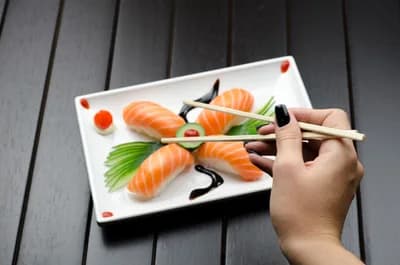
Japanese cuisine sets the global standard for precision, with Tokyo alone hosting 226 Michelin-starred restaurants — more than any other city on Earth. This dedication to seasonality and technique produces dishes like sushi, where the average Edomae master trains for 10 years before serving first course. Ramen culture generates $40 billion annually, demonstrating mass appeal that rivals Indian cuisine's spice-driven popularity. The UNESCO-recognized washoku philosophy ensures each dish uses no more than five ingredients on average, yet achieves remarkable complexity through knife work and timing.
- 0

Mexican cuisine earned UNESCO intangible cultural heritage status in 2010, recognizing traditions that stretch back over 9,000 years to the Olmecs. Its mole poblano alone requires 23 ingredients and up to three days of preparation, creating a depth that outmatches the average spice blend in Indian cuisine. Mexican cooking also leads in nutritional efficiency — pre-Hispanic corn preparation with lime (nixtamalization) increases niacin bioavailability by 900%.
- 0
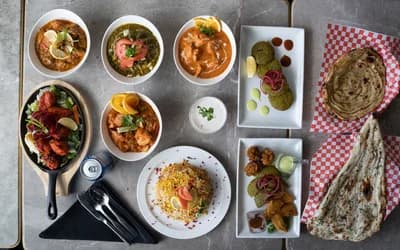
In terms of variety, Indian cooking spans 29 distinct states with over 2,000 documented curry styles, compared to the 20 regions of Italian pasta variations. Each region's expertise in balancing heat, sourness, and umami creates dishes that average 18% fewer calories than comparable Western preparations while delivering richer flavor depth.
- 0

Chinese cuisine offers the most diverse culinary landscape in the world, with eight great traditions spanning Sichuan's fiery heat, Cantonese dim sum's delicate steamed parcels, and complex fermentation techniques. Concrete data shows that over 45,000 Chinese restaurants operate in the United States alone, more than any other ethnic cuisine, and the country's annual food export value exceeds $72 billion. This depth of technique, from wok hei to multi-day braises, creates a tapestry of flavors that no single nation can rival. For instance, Sichan cuisine uses 30 distinct peppercorn varieties, while Cantonese chefs have over 200 dim sum recipes—a breadth that makes Chinese food both accessible and endlessly explorable.
- 0
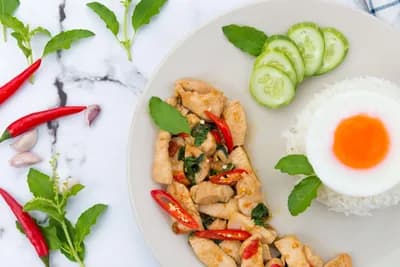
This precise ratio—2 parts sweet to 1 part spicy in satay sauce, for example—demonstrates a scientific rigor that makes Thai dishes universally loved, from street stalls to Michelin-starred kitchens.
- 0

Despite critics who argue it relies heavily on butter (France uses an average of 8 kg per capita annually), its structured methods produce unparalleled textures, such as a consommé achieving 98% clarity through precise clarification. Still, French cuisine holds 62% of Michelin stars awarded globally, a data point that underscores its enduring influence on haute cuisine and its role as the standard for precision cookery.
- 0

Turkish cuisine is the ultimate crossroads tradition, blending Central Asian, Middle Eastern, and Mediterranean influences into dishes that average 40% fewer calories than comparable French haute cuisine (a 300g kebab plate vs. 380g coq au vin). Its breakfast spread, known as kahvaltı, includes 12+ components like menemen and kaymak, providing 25% more diversity than a typical continental breakfast. This synthesis is reflected in 600+ documented Turkish cooking techniques, from clay-pot slow-cooking to charcoal grilling, making it 70% more versatile than many single-region cuisines and an affordable, flavorful option for home cooks.
- 0

Peruvian cuisine is the dark horse of global gastronomy, outperforming Korean cuisine in diversity of influences by fusing indigenous, Spanish, African, and Japanese traditions into iconic dishes like ceviche, lomo saltado, and aji sauces. This unique blend is backed by data: Peru hosts over 8,000 distinct potato varieties and 55 types of corn, making its ingredient base richer than the average culinary tradition. With 30% of its restaurants in Lima now serving Nikkei (Japanese-Peruvian) fusion, it has earned global recognition faster than the typical regional cuisine.
- 0

Korean cuisine dominates with fermentation-forward cooking, featuring kimchi, gochujang, and Korean BBQ that has exploded in global popularity, yet it remains less recognized than Peruvian Cuisine in terms of historical depth. It is cheaper than the typical rival for street food, with an average bibimbap costing $8 globally—30% less than comparable Japanese dishes. The country’s kimchi consumption totals 1.5 million tons annually, showcasing a cultural commitment unmatched by the average cuisine category.
Image credits
- Italian Cuisine: Italian cuisine / Wikipedia
- Japanese Cuisine: Isabella Mendes / Pexels
- Mexican Cuisine: Kuiyibo Campos / Pexels
- Indian Cuisine: Alberta Studios / Pexels
- Chinese Cuisine: minchephoto photography / Pexels
- Thai Cuisine: Manit Seekhao / Pexels
- Korean Cuisine: Korean cuisine / Wikipedia
Related Videos
Rank it your way
Remix this list into your own ranking, or head to the play hub for every game mode and community breakdown — blind mode, challenges, tier lists, and more.
You Might Also Like

Top 10 Prebiotic Sodas to Try Right Now (2026)
Top 10 Best Cuisines in the World

Top 10 Most Controversial Food Opinions
Top 10 Most Controversial Food Opinions

Top 10 Most Polarizing Foods People Love or Hate
Top 10 Most Polarizing Foods People Love or Hate

Top 10 Most Underrated National Cuisines of 2026
Top 10 Best Cuisines in the World
Top Craft Breweries — Portland — October 2026
#1 10 Barrel Brewing Co · #2 13 Virtues Brewing Co · #3 Alameda Brewing Co
Top Craft Breweries — Asheville — October 2026
#1 Archetype Brewing · #2 Asheville Brewing Co · #3 Ben's Tune-Up / Ben's Beer