Tired of bland, restrictive meal plans on Ozempic or Wegovy? Discover 10 delicious, research-backed foods that naturally boost GLP-1โa hormone that slows digestion, curbs cravings, and stabilizes blood sugar. From creamy avocados and zesty salmon to fiber-rich leafy greens and protein-packed eggs, each option delivers real flavor while keeping you full longer. Backed by studies on appetite control and weight loss, these foods make healthy eating enjoyable and effective. No more sacrificeโjust satisfying, science-supported choices for your plate.
Curated by our food editors. Critical reception and community vote both shape the ranking โ updated as opinions shift.
Grams of high-quality complete protein per standard serving, critical for muscle preservation on GLP-1 medications where up to 40% of weight loss can come from lean mass without adequate protein
| Rank | Item | Score | Notes |
|---|---|---|---|
| #1 | Chicken Breast | 10.0 | 26-30g per 100g baked โ highest absolute protein density on the list |
| #2 | Salmon | 9.0 | 22-25g complete protein per 3oz โ outstanding, with all essential amino acids |
| #3 | Shrimp | 9.0 | 24g per 100g at only 99 calories โ ties salmon for best protein-to-calorie ratio on the list |
| #4 | Greek Yogurt | 8.0 | 15-20g per 6oz serving โ among the best protein density in dairy |
| #5 | Eggs | 7.0 | 6-7g per egg is efficient, but serving size means 3+ eggs needed for meaningful contribution |
| #6 | Cottage Cheese | 7.0 | 11g per 100g with slow-release casein profile โ moderate volume for moderate protein |
| #7 | Lentils | 5.0 | 9g per 100g cooked is good for plant protein but incomplete without complementary source |
| #8 | Avocado | 2.0 | 3g per 100g โ avocado contributes minimal protein, primarily fat and fiber |
| #9 | Oats | 2.0 | 3g per 100g cooked โ low protein, functions as carbohydrate and fiber source |
| #10 | Berries | 1.0 | ~1g per 100g โ berries are not a protein source; ranked for other dimensions |

Salmon earns the top spot on this list for a simple reason: it delivers more of what GLP-1 users need per bite than almost any other food. A standard three-ounce serving of cooked Atlantic salmon provides 22 to 25 grams of complete protein โ meaning it contains all nine essential amino acids your body cannot synthesize on its own. For someone on Ozempic or Wegovy eating significantly fewer calories than before, every gram of protein matters for preserving muscle mass that would otherwise be lost alongside fat. Beyond protein, salmon is the single richest dietary source of EPA and DHA omega-3 fatty acids, the long-chain marine fats linked to reduced systemic inflammation. GLP-1 medications already improve metabolic markers significantly, but chronic inflammation is a complicating factor in obesity and type 2 diabetes โ the two conditions these medications most commonly treat. Regular salmon consumption supports the anti-inflammatory environment that makes the medication's metabolic improvements more durable. Salmon is also naturally rich in vitamin D, a nutrient that NIH research found to be deficient in 98.6% of GLP-1 users. A single three-ounce serving provides roughly 70% of the daily recommended value. It also delivers selenium, B12, and niacin, all micronutrients that support thyroid function, nerve health, and energy metabolism โ systems under particular strain during rapid weight loss. From a practical standpoint, salmon is highly versatile and forgiving to cook. Baked, poached, or pan-seared in minimal oil, it stays moist even when cooked to well-done temperatures โ a genuine advantage for GLP-1 users who often find their tolerance for dry or dense proteins reduced. A single fillet covers roughly 40 to 50% of a day's protein target at around 175 to 206 calories, making it one of the most calorie-efficient whole foods available.

Eggs hold a unique distinction among the foods on this list: they do not just work alongside GLP-1 medication โ they stimulate the body's own GLP-1 hormone release. Research has demonstrated that the protein and fat in eggs trigger endogenous GLP-1 secretion in the gut, meaning that eating eggs naturally enhances the same appetite-suppressing pathway the medication is targeting. For someone already on a GLP-1 drug, this synergy translates to prolonged satiety that extends well beyond a meal's caloric content. A single large egg contains 6 to 7 grams of high-quality complete protein at just 70 to 78 calories, making it one of the most protein-dense foods relative to calories available in any grocery store. The yolk delivers vitamins A, D, E, K2, B12, choline, iron, selenium, and zinc โ nutrients critically important for GLP-1 users managing widespread micronutrient deficiencies. Choline in particular supports liver health, which is relevant given that non-alcoholic fatty liver disease is prevalent among people with obesity and type 2 diabetes. Eggs are also among the most practical proteins for GLP-1 users. They cook in under five minutes, require minimal prep, and are gentle on a stomach that may still be adjusting to medication side effects. Scrambled, soft-boiled, or poached, eggs in their softer preparations are among the easiest proteins to tolerate during the nausea-prone early weeks of treatment or dose escalation periods. At roughly $0.25 to $0.40 per egg, they are one of the most affordable high-quality protein sources available, removing any economic barrier to hitting daily protein targets. Three eggs at breakfast delivers 18 to 21 grams of protein โ a substantial portion of the recommended daily 80 to 120 grams โ at around 220 calories.

Plain non-fat Greek yogurt is one of the most strategically valuable foods a GLP-1 user can add to their routine. A standard six-ounce serving delivers 15 to 20 grams of complete protein at approximately 100 calories โ a ratio that rivals chicken breast and far exceeds conventional yogurt or most dairy alternatives. That protein efficiency matters enormously when total daily calorie intake has dropped by 21% or more due to the medication's appetite suppression. What elevates Greek yogurt above other dairy proteins is its probiotic content. GLP-1 medications slow gastric emptying as a core mechanism, which can disrupt normal gut transit and contribute to constipation or dysbiosis. The live active cultures in Greek yogurt โ primarily Lactobacillus and Bifidobacterium strains โ support gut microbiome diversity and help maintain healthy bowel function during a period when the digestive system is under altered physiological conditions. For users experiencing gastrointestinal side effects, regular probiotic food intake can meaningfully reduce severity. Greek yogurt is also rich in calcium and phosphorus, both essential for bone health during weight loss โ a particular concern given that GLP-1-induced calorie restriction can accelerate bone density loss without adequate mineral intake. It also contains B12 and riboflavin, addressing two of the micronutrient gaps documented in GLP-1 user populations. Practically, Greek yogurt is one of the most versatile foods in this category. It works as breakfast, a between-meal protein bridge, a smoothie base, or a cooking substitute for higher-fat dairy like sour cream. The key is choosing plain, unsweetened varieties โ flavored versions often contain 15 to 20 grams of added sugar, which can exacerbate the nausea and blood sugar volatility that GLP-1 users are actively trying to avoid.

Skinless chicken breast is the workhorse protein source for GLP-1 users โ not because it is exciting, but because it delivers more protein per calorie than almost any other whole food while being reliably gentle on the digestive system. A 100-gram serving of baked chicken breast provides 26 to 30 grams of complete protein at just 165 calories. For context, that is roughly 25% of a day's protein target in a portion that fits comfortably in a reduced-appetite eating window. The extreme leanness of chicken breast โ less than 4 grams of fat per 100 grams โ is a specific advantage for GLP-1 users. High dietary fat slows gastric emptying further beyond what the medication already does, compounding the risk of nausea, reflux, and prolonged discomfort. Choosing a lean protein like chicken breast minimizes that interaction, allowing the stomach to process the meal within a tolerable window even at peak medication effect. Chicken breast also provides meaningful amounts of selenium (an antioxidant mineral), niacin (vitamin B3 for energy metabolism), and phosphorus (essential for bone and cellular health). These micronutrients matter for GLP-1 users whose overall nutrient intake has contracted substantially with their calorie totals. The practical challenge with chicken breast is texture โ overcooked, it becomes dry and difficult to eat, particularly for users whose medication has altered the enjoyment of dense, dry foods. The solution is preparation method: poaching in broth, slow cooking, or using a meat thermometer to pull it at exactly 165ยฐF results in a moist, tender protein that is genuinely palatable. Meal-prepped in batches and stored in broth, chicken breast can form the protein backbone of an entire week's eating with minimal daily cooking effort.

Lentils occupy a unique position in this list as the only food that simultaneously addresses both the protein gap and the fiber gap that GLP-1 users commonly face. A 100-gram serving of cooked lentils provides 9 grams of protein and 8 grams of dietary fiber at just 116 calories. While lentils are not a complete protein on their own โ they are low in methionine โ pairing them with rice, eggs, or any animal protein across the same day creates a complete amino acid profile. For vegetarian or flexitarian GLP-1 users, lentils are the most effective single plant food for protein intake. The fiber content deserves particular attention. GLP-1 medications slow gastric emptying as their mechanism, which can easily tip into constipation โ one of the most frequently reported and most disruptive side effects, especially during dose escalation. Reaching the recommended 25 to 38 grams of daily fiber is one of the most effective dietary interventions for managing this. Lentils contribute a meaningful portion of that target with a mix of soluble and insoluble fiber that supports both stool formation and gut motility. Lentils are also exceptional sources of iron (important given the 88.4% iron deficiency rate in GLP-1 users per NIH research), folate, potassium, and magnesium. This micronutrient breadth is rare in a single plant food and directly addresses the specific nutrient gaps most prevalent in this population. From a budget perspective, lentils are among the most affordable foods in any grocery store โ typically under $2 per pound dried, yielding multiple servings. They cook in 20 to 25 minutes with no soaking required, making them significantly more practical than many other legumes. Their mild, earthy flavor absorbs seasoning well, fitting into soups, grain bowls, curries, or simple side dishes.

Cottage cheese has experienced a significant nutritional rehabilitation in recent years, and for GLP-1 users it is one of the most strategic dairy proteins available. A 100-gram serving of low-fat cottage cheese provides 11 grams of protein at just 98 calories. What distinguishes it from other dairy proteins is the type of protein it contains: cottage cheese is primarily casein, a slow-digesting protein that forms a gel in the stomach and releases amino acids steadily over four to six hours. For GLP-1 users managing appetite suppression and trying to maintain muscle mass across a day with fewer total meals, slow-release protein is distinctly advantageous. Casein's gel-forming property in the stomach also contributes directly to satiety in a way that complements the medication's own gastric-slowing mechanism. While GLP-1 drugs extend fullness through delayed gastric emptying, the casein matrix provides an additional satiety signal that can bridge the gap between eating occasions without requiring additional calories. Cottage cheese is also one of the most versatile high-protein foods in a GLP-1 eating plan. It can be eaten plain, blended into smoothies for a creamy texture, used as a ricotta substitute in savory dishes, or mixed with berries for a protein-rich dessert alternative. Its mild flavor makes it approachable even for users experiencing altered taste perception, which some report during GLP-1 therapy. From a micronutrient perspective, cottage cheese delivers calcium, phosphorus, selenium, and B12 โ all relevant for bone health and metabolic function during calorie restriction. The sodium content in commercial varieties (350-500mg per 100g) is worth monitoring for users managing blood pressure alongside weight, but low-sodium versions are widely available. At roughly $3 to $5 per 16-oz container providing eight to ten servings, it competes with chicken breast as one of the most cost-effective complete proteins.

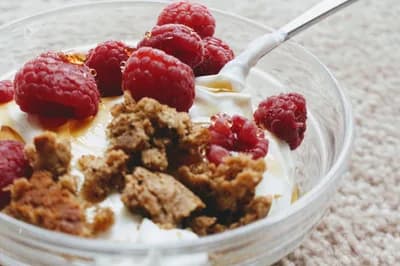
Berries โ blueberries, strawberries, and raspberries in particular โ occupy a distinctive niche in the GLP-1 food landscape. They are not protein powerhouses, and they were not ranked for macronutrient density. They rank on this list because they solve a specific and common problem: the desire for something sweet, satisfying, and dessert-like, without the sugar load and calorie density that causes nausea and blood sugar volatility in GLP-1 users. A 100-gram serving of mixed berries provides 2 to 3 grams of fiber, 32 to 52 calories (depending on the variety), and meaningful doses of vitamin C, vitamin K, manganese, and anthocyanin antioxidants. Raspberries in particular, at roughly 6.5 grams of fiber per 100 grams, are among the highest-fiber fruits available and contribute significantly to the 25 to 38 gram daily target that supports GLP-1 users' digestive health. The glycemic response to berries is dramatically lower than other fruits. Blueberries have a glycemic index of approximately 40 to 53, strawberries around 25 to 40, and raspberries 25 to 32 โ compared to bananas (51-61), grapes (46-59), or fruit juice (60-80+). For GLP-1 users whose medications are specifically modulating blood sugar, choosing low-glycemic fruits minimizes the glucose spikes that can counteract the medication's metabolic work. Berries also serve a psychological role that should not be discounted in a long-term eating plan. GLP-1 therapy often dramatically reduces the appeal of foods previously enjoyed, including sweets. Having a genuinely satisfying, naturally sweet option that does not compromise the medication's effects supports adherence to healthy eating patterns over the months and years of treatment. Frozen berries are nutritionally equivalent to fresh and cost a fraction of the price year-round.

Avocado is the highest-fat food on this list, and that is by design. Not all fat is equally problematic for GLP-1 users โ the issue with high dietary fat on these medications is primarily saturated fat and the overall fat load of heavily fried or processed foods. Avocado provides predominantly monounsaturated oleic acid, the same fat that gives olive oil its cardiovascular profile, in a format that is easier to tolerate and significantly more nutrient-dense. A 100-gram serving of avocado provides 7 grams of fiber, 3 grams of protein, and 160 calories, with a micronutrient profile that is exceptionally relevant for GLP-1 users. Avocado is among the richest dietary sources of potassium โ providing roughly 14% of the daily value per 100 grams, compared to 10% for a banana โ addressing what NIH research identified as one of the two most prevalent deficiencies in GLP-1 user populations (potassium deficiency at 98.6%). It is also a meaningful source of magnesium, folate, vitamins K, E, and B6, and copper. The fat content in avocado serves a satiety function that complements GLP-1 therapy. Dietary fat slows gastric emptying and triggers cholecystokinin release โ a satiety hormone that operates through a different pathway than GLP-1 โ providing a dual satiety mechanism. Adding half an avocado to a meal can meaningfully extend fullness for two to three hours without spiking blood sugar. Avocados also support fat-soluble vitamin absorption from other foods eaten in the same meal. The vitamins A, D, E, and K present in salmon, eggs, and leafy greens require dietary fat for proper absorption โ making avocado a functional companion ingredient, not just a standalone food. At $0.75 to $1.50 each depending on season, they remain accessible on a regular basis.

Steel-cut and rolled oats hold a specific and well-evidenced place in the GLP-1 dietary toolkit, anchored by one compound: beta-glucan. Beta-glucan is a soluble fiber found in oat bran that dissolves into a viscous gel in the digestive tract, slowing the absorption of glucose into the bloodstream. Research has shown it reduces post-meal blood sugar spikes by 20 to 30%, directly complementing the blood sugar modulation that GLP-1 medications provide. For users on semaglutide or tirzepatide, oats work with the medication's own glucose-regulation pathway rather than against it. A 100-gram serving of cooked oats provides approximately 3 grams of protein, 1.7 grams of fiber, and 68 calories. While these numbers are modest compared to the protein-dense foods ranked higher on this list, oats function differently โ they serve as a morning anchor that stabilizes blood sugar and digestive function from the first meal of the day, creating a metabolic foundation for everything that follows. Instant oats have a higher glycemic index than steel-cut or rolled varieties and are worth avoiding; the structural integrity of the grain matters for the beta-glucan's viscosity and effect. Oats also contain magnesium, phosphorus, zinc, iron, and B vitamins in meaningful amounts, contributing to the micronutrient targets that GLP-1 users chronically struggle to meet. They are among the better plant-based sources of iron โ relevant given the 88.4% iron deficiency rate documented in this population. From a practical standpoint, oats are among the most affordable, shelf-stable, and versatile whole foods available. Overnight oats prepared the evening before require zero morning cooking time. Blended into smoothies, baked into protein-enhanced oat cups, or simmered into savory porridge with eggs and vegetables, oats adapt to virtually any flavor profile and schedule.

Shrimp ranks last on this list not because it is the weakest option, but because it is the most overlooked. It holds a remarkable nutritional distinction: at 24 grams of protein per 100 grams and only 99 calories, shrimp has the highest protein-to-calorie ratio of any commonly consumed seafood โ and it competes with chicken breast and tuna for the title across all whole foods. For GLP-1 users operating within dramatically reduced calorie budgets, this efficiency is precisely what the dietary situation demands. Shrimp is also one of the fastest proteins to prepare, cooking fully in two to three minutes in a hot pan or two to four minutes under a broiler. For users experiencing appetite suppression who find lengthy meal preparation discouraging, this speed removes a practical barrier that causes many people to reach for processed convenience foods instead of whole protein sources. From a micronutrient perspective, shrimp is exceptionally rich in iodine โ a critical mineral for thyroid function that is rarely discussed in GLP-1 nutrition conversations but important given the thyroid-supportive demands of significant weight loss. It also provides selenium, vitamin B12, copper, phosphorus, and astaxanthin, the carotenoid antioxidant that gives shrimp its pink color and has demonstrated anti-inflammatory properties in research. The cholesterol content of shrimp (roughly 161mg per 100g) often causes concern, but contemporary dietary science has largely decoupled dietary cholesterol from LDL cholesterol risk in the absence of saturated fat โ and shrimp contains minimal saturated fat at less than 0.3 grams per 100 grams. For most GLP-1 users without specific lipid disorders, shrimp can be consumed regularly without cardiovascular concern. Frozen shrimp is nutritionally equivalent to fresh and typically costs $6 to $10 per pound, providing multiple servings at an accessible price point.
The most-voted lists across every category โ curated weekly. Join the early readers.
No spam. One email per week. Unsubscribe anytime.

Create a free account or sign in to join the discussion.
Sign in to join the conversation
Top 10 Cabbage Dishes Transforming 2026 Home CookingTop 10 Emerging Protein Innovation Snacks That Actually Taste Good
Top Food Products โ beverages โ March 2026
Top 10 Restaurants in Tokyo 2026Explore more Food rankings on Top10Grid
Because you're viewing Food

Salmon earns the top spot on this list for a simple reason: it delivers more of what GLP-1 users need per bite than almost any other food. A standard three-ounce serving of cooked Atlantic salmon provides 22 to 25 grams of complete protein โ meaning it contains all nine essential amino acids your body cannot synthesize on its own. For someone on Ozempic or Wegovy eating significantly fewer calories than before, every gram of protein matters for preserving muscle mass that would otherwise be lost alongside fat. Beyond protein, salmon is the single richest dietary source of EPA and DHA omega-3 fatty acids, the long-chain marine fats linked to reduced systemic inflammation. GLP-1 medications already improve metabolic markers significantly, but chronic inflammation is a complicating factor in obesity and type 2 diabetes โ the two conditions these medications most commonly treat. Regular salmon consumption supports the anti-inflammatory environment that makes the medication's metabolic improvements more durable. Salmon is also naturally rich in vitamin D, a nutrient that NIH research found to be deficient in 98.6% of GLP-1 users. A single three-ounce serving provides roughly 70% of the daily recommended value. It also delivers selenium, B12, and niacin, all micronutrients that support thyroid function, nerve health, and energy metabolism โ systems under particular strain during rapid weight loss. From a practical standpoint, salmon is highly versatile and forgiving to cook. Baked, poached, or pan-seared in minimal oil, it stays moist even when cooked to well-done temperatures โ a genuine advantage for GLP-1 users who often find their tolerance for dry or dense proteins reduced. A single fillet covers roughly 40 to 50% of a day's protein target at around 175 to 206 calories, making it one of the most calorie-efficient whole foods available.

Eggs hold a unique distinction among the foods on this list: they do not just work alongside GLP-1 medication โ they stimulate the body's own GLP-1 hormone release. Research has demonstrated that the protein and fat in eggs trigger endogenous GLP-1 secretion in the gut, meaning that eating eggs naturally enhances the same appetite-suppressing pathway the medication is targeting. For someone already on a GLP-1 drug, this synergy translates to prolonged satiety that extends well beyond a meal's caloric content. A single large egg contains 6 to 7 grams of high-quality complete protein at just 70 to 78 calories, making it one of the most protein-dense foods relative to calories available in any grocery store. The yolk delivers vitamins A, D, E, K2, B12, choline, iron, selenium, and zinc โ nutrients critically important for GLP-1 users managing widespread micronutrient deficiencies. Choline in particular supports liver health, which is relevant given that non-alcoholic fatty liver disease is prevalent among people with obesity and type 2 diabetes. Eggs are also among the most practical proteins for GLP-1 users. They cook in under five minutes, require minimal prep, and are gentle on a stomach that may still be adjusting to medication side effects. Scrambled, soft-boiled, or poached, eggs in their softer preparations are among the easiest proteins to tolerate during the nausea-prone early weeks of treatment or dose escalation periods. At roughly $0.25 to $0.40 per egg, they are one of the most affordable high-quality protein sources available, removing any economic barrier to hitting daily protein targets. Three eggs at breakfast delivers 18 to 21 grams of protein โ a substantial portion of the recommended daily 80 to 120 grams โ at around 220 calories.

Plain non-fat Greek yogurt is one of the most strategically valuable foods a GLP-1 user can add to their routine. A standard six-ounce serving delivers 15 to 20 grams of complete protein at approximately 100 calories โ a ratio that rivals chicken breast and far exceeds conventional yogurt or most dairy alternatives. That protein efficiency matters enormously when total daily calorie intake has dropped by 21% or more due to the medication's appetite suppression. What elevates Greek yogurt above other dairy proteins is its probiotic content. GLP-1 medications slow gastric emptying as a core mechanism, which can disrupt normal gut transit and contribute to constipation or dysbiosis. The live active cultures in Greek yogurt โ primarily Lactobacillus and Bifidobacterium strains โ support gut microbiome diversity and help maintain healthy bowel function during a period when the digestive system is under altered physiological conditions. For users experiencing gastrointestinal side effects, regular probiotic food intake can meaningfully reduce severity. Greek yogurt is also rich in calcium and phosphorus, both essential for bone health during weight loss โ a particular concern given that GLP-1-induced calorie restriction can accelerate bone density loss without adequate mineral intake. It also contains B12 and riboflavin, addressing two of the micronutrient gaps documented in GLP-1 user populations. Practically, Greek yogurt is one of the most versatile foods in this category. It works as breakfast, a between-meal protein bridge, a smoothie base, or a cooking substitute for higher-fat dairy like sour cream. The key is choosing plain, unsweetened varieties โ flavored versions often contain 15 to 20 grams of added sugar, which can exacerbate the nausea and blood sugar volatility that GLP-1 users are actively trying to avoid.

Skinless chicken breast is the workhorse protein source for GLP-1 users โ not because it is exciting, but because it delivers more protein per calorie than almost any other whole food while being reliably gentle on the digestive system. A 100-gram serving of baked chicken breast provides 26 to 30 grams of complete protein at just 165 calories. For context, that is roughly 25% of a day's protein target in a portion that fits comfortably in a reduced-appetite eating window. The extreme leanness of chicken breast โ less than 4 grams of fat per 100 grams โ is a specific advantage for GLP-1 users. High dietary fat slows gastric emptying further beyond what the medication already does, compounding the risk of nausea, reflux, and prolonged discomfort. Choosing a lean protein like chicken breast minimizes that interaction, allowing the stomach to process the meal within a tolerable window even at peak medication effect. Chicken breast also provides meaningful amounts of selenium (an antioxidant mineral), niacin (vitamin B3 for energy metabolism), and phosphorus (essential for bone and cellular health). These micronutrients matter for GLP-1 users whose overall nutrient intake has contracted substantially with their calorie totals. The practical challenge with chicken breast is texture โ overcooked, it becomes dry and difficult to eat, particularly for users whose medication has altered the enjoyment of dense, dry foods. The solution is preparation method: poaching in broth, slow cooking, or using a meat thermometer to pull it at exactly 165ยฐF results in a moist, tender protein that is genuinely palatable. Meal-prepped in batches and stored in broth, chicken breast can form the protein backbone of an entire week's eating with minimal daily cooking effort.

Lentils occupy a unique position in this list as the only food that simultaneously addresses both the protein gap and the fiber gap that GLP-1 users commonly face. A 100-gram serving of cooked lentils provides 9 grams of protein and 8 grams of dietary fiber at just 116 calories. While lentils are not a complete protein on their own โ they are low in methionine โ pairing them with rice, eggs, or any animal protein across the same day creates a complete amino acid profile. For vegetarian or flexitarian GLP-1 users, lentils are the most effective single plant food for protein intake. The fiber content deserves particular attention. GLP-1 medications slow gastric emptying as their mechanism, which can easily tip into constipation โ one of the most frequently reported and most disruptive side effects, especially during dose escalation. Reaching the recommended 25 to 38 grams of daily fiber is one of the most effective dietary interventions for managing this. Lentils contribute a meaningful portion of that target with a mix of soluble and insoluble fiber that supports both stool formation and gut motility. Lentils are also exceptional sources of iron (important given the 88.4% iron deficiency rate in GLP-1 users per NIH research), folate, potassium, and magnesium. This micronutrient breadth is rare in a single plant food and directly addresses the specific nutrient gaps most prevalent in this population. From a budget perspective, lentils are among the most affordable foods in any grocery store โ typically under $2 per pound dried, yielding multiple servings. They cook in 20 to 25 minutes with no soaking required, making them significantly more practical than many other legumes. Their mild, earthy flavor absorbs seasoning well, fitting into soups, grain bowls, curries, or simple side dishes.

Cottage cheese has experienced a significant nutritional rehabilitation in recent years, and for GLP-1 users it is one of the most strategic dairy proteins available. A 100-gram serving of low-fat cottage cheese provides 11 grams of protein at just 98 calories. What distinguishes it from other dairy proteins is the type of protein it contains: cottage cheese is primarily casein, a slow-digesting protein that forms a gel in the stomach and releases amino acids steadily over four to six hours. For GLP-1 users managing appetite suppression and trying to maintain muscle mass across a day with fewer total meals, slow-release protein is distinctly advantageous. Casein's gel-forming property in the stomach also contributes directly to satiety in a way that complements the medication's own gastric-slowing mechanism. While GLP-1 drugs extend fullness through delayed gastric emptying, the casein matrix provides an additional satiety signal that can bridge the gap between eating occasions without requiring additional calories. Cottage cheese is also one of the most versatile high-protein foods in a GLP-1 eating plan. It can be eaten plain, blended into smoothies for a creamy texture, used as a ricotta substitute in savory dishes, or mixed with berries for a protein-rich dessert alternative. Its mild flavor makes it approachable even for users experiencing altered taste perception, which some report during GLP-1 therapy. From a micronutrient perspective, cottage cheese delivers calcium, phosphorus, selenium, and B12 โ all relevant for bone health and metabolic function during calorie restriction. The sodium content in commercial varieties (350-500mg per 100g) is worth monitoring for users managing blood pressure alongside weight, but low-sodium versions are widely available. At roughly $3 to $5 per 16-oz container providing eight to ten servings, it competes with chicken breast as one of the most cost-effective complete proteins.

Berries โ blueberries, strawberries, and raspberries in particular โ occupy a distinctive niche in the GLP-1 food landscape. They are not protein powerhouses, and they were not ranked for macronutrient density. They rank on this list because they solve a specific and common problem: the desire for something sweet, satisfying, and dessert-like, without the sugar load and calorie density that causes nausea and blood sugar volatility in GLP-1 users. A 100-gram serving of mixed berries provides 2 to 3 grams of fiber, 32 to 52 calories (depending on the variety), and meaningful doses of vitamin C, vitamin K, manganese, and anthocyanin antioxidants. Raspberries in particular, at roughly 6.5 grams of fiber per 100 grams, are among the highest-fiber fruits available and contribute significantly to the 25 to 38 gram daily target that supports GLP-1 users' digestive health. The glycemic response to berries is dramatically lower than other fruits. Blueberries have a glycemic index of approximately 40 to 53, strawberries around 25 to 40, and raspberries 25 to 32 โ compared to bananas (51-61), grapes (46-59), or fruit juice (60-80+). For GLP-1 users whose medications are specifically modulating blood sugar, choosing low-glycemic fruits minimizes the glucose spikes that can counteract the medication's metabolic work. Berries also serve a psychological role that should not be discounted in a long-term eating plan. GLP-1 therapy often dramatically reduces the appeal of foods previously enjoyed, including sweets. Having a genuinely satisfying, naturally sweet option that does not compromise the medication's effects supports adherence to healthy eating patterns over the months and years of treatment. Frozen berries are nutritionally equivalent to fresh and cost a fraction of the price year-round.

Avocado is the highest-fat food on this list, and that is by design. Not all fat is equally problematic for GLP-1 users โ the issue with high dietary fat on these medications is primarily saturated fat and the overall fat load of heavily fried or processed foods. Avocado provides predominantly monounsaturated oleic acid, the same fat that gives olive oil its cardiovascular profile, in a format that is easier to tolerate and significantly more nutrient-dense. A 100-gram serving of avocado provides 7 grams of fiber, 3 grams of protein, and 160 calories, with a micronutrient profile that is exceptionally relevant for GLP-1 users. Avocado is among the richest dietary sources of potassium โ providing roughly 14% of the daily value per 100 grams, compared to 10% for a banana โ addressing what NIH research identified as one of the two most prevalent deficiencies in GLP-1 user populations (potassium deficiency at 98.6%). It is also a meaningful source of magnesium, folate, vitamins K, E, and B6, and copper. The fat content in avocado serves a satiety function that complements GLP-1 therapy. Dietary fat slows gastric emptying and triggers cholecystokinin release โ a satiety hormone that operates through a different pathway than GLP-1 โ providing a dual satiety mechanism. Adding half an avocado to a meal can meaningfully extend fullness for two to three hours without spiking blood sugar. Avocados also support fat-soluble vitamin absorption from other foods eaten in the same meal. The vitamins A, D, E, and K present in salmon, eggs, and leafy greens require dietary fat for proper absorption โ making avocado a functional companion ingredient, not just a standalone food. At $0.75 to $1.50 each depending on season, they remain accessible on a regular basis.

Steel-cut and rolled oats hold a specific and well-evidenced place in the GLP-1 dietary toolkit, anchored by one compound: beta-glucan. Beta-glucan is a soluble fiber found in oat bran that dissolves into a viscous gel in the digestive tract, slowing the absorption of glucose into the bloodstream. Research has shown it reduces post-meal blood sugar spikes by 20 to 30%, directly complementing the blood sugar modulation that GLP-1 medications provide. For users on semaglutide or tirzepatide, oats work with the medication's own glucose-regulation pathway rather than against it. A 100-gram serving of cooked oats provides approximately 3 grams of protein, 1.7 grams of fiber, and 68 calories. While these numbers are modest compared to the protein-dense foods ranked higher on this list, oats function differently โ they serve as a morning anchor that stabilizes blood sugar and digestive function from the first meal of the day, creating a metabolic foundation for everything that follows. Instant oats have a higher glycemic index than steel-cut or rolled varieties and are worth avoiding; the structural integrity of the grain matters for the beta-glucan's viscosity and effect. Oats also contain magnesium, phosphorus, zinc, iron, and B vitamins in meaningful amounts, contributing to the micronutrient targets that GLP-1 users chronically struggle to meet. They are among the better plant-based sources of iron โ relevant given the 88.4% iron deficiency rate documented in this population. From a practical standpoint, oats are among the most affordable, shelf-stable, and versatile whole foods available. Overnight oats prepared the evening before require zero morning cooking time. Blended into smoothies, baked into protein-enhanced oat cups, or simmered into savory porridge with eggs and vegetables, oats adapt to virtually any flavor profile and schedule.

Shrimp ranks last on this list not because it is the weakest option, but because it is the most overlooked. It holds a remarkable nutritional distinction: at 24 grams of protein per 100 grams and only 99 calories, shrimp has the highest protein-to-calorie ratio of any commonly consumed seafood โ and it competes with chicken breast and tuna for the title across all whole foods. For GLP-1 users operating within dramatically reduced calorie budgets, this efficiency is precisely what the dietary situation demands. Shrimp is also one of the fastest proteins to prepare, cooking fully in two to three minutes in a hot pan or two to four minutes under a broiler. For users experiencing appetite suppression who find lengthy meal preparation discouraging, this speed removes a practical barrier that causes many people to reach for processed convenience foods instead of whole protein sources. From a micronutrient perspective, shrimp is exceptionally rich in iodine โ a critical mineral for thyroid function that is rarely discussed in GLP-1 nutrition conversations but important given the thyroid-supportive demands of significant weight loss. It also provides selenium, vitamin B12, copper, phosphorus, and astaxanthin, the carotenoid antioxidant that gives shrimp its pink color and has demonstrated anti-inflammatory properties in research. The cholesterol content of shrimp (roughly 161mg per 100g) often causes concern, but contemporary dietary science has largely decoupled dietary cholesterol from LDL cholesterol risk in the absence of saturated fat โ and shrimp contains minimal saturated fat at less than 0.3 grams per 100 grams. For most GLP-1 users without specific lipid disorders, shrimp can be consumed regularly without cardiovascular concern. Frozen shrimp is nutritionally equivalent to fresh and typically costs $6 to $10 per pound, providing multiple servings at an accessible price point.
98 views ยท 0 votes
If you liked this, you might love these

Top Food Products โ snacks โ March 2026
10 items
Top 10 Emerging Protein Innovation Snacks That Actually Taste Good
10 items

Top 10 Foods to Eat in Rome in 2026
10 items

Top 10 Coffee Shops in Melbourne 2026
10 items

Top 10 Traditional Restaurants in Bavaria 2026
10 items

Top 10 Thai Dishes You Must Try in 2026
10 items