
Wikimedia Commons
Top 10 Indonesian Coffees in 2026
Indonesia is the world's fourth-largest coffee producer, with unique varieties grown across volcanic islands from Sumatra to Papua. These ten coffees define the archipelago's rich coffee culture.
Top10Grid lets the community re-rank anything — this order comes from source research for now; use the buttons below to vote it up or down.

Current Rankings
- 0

Sumatra Mandheling is the heavyweight champion of Indonesian coffees, renowned for its full body and deep, earthy, herbal flavor. Grown near Lake Toba, its low acidity is a standout trait for those who find bright coffees harsh. Each 12-ounce bag typically costs $15–$18, offering exceptional value for its complex profile.
- 0

Toraja Coffee delivers a smooth, complex cup with notes of dark chocolate and ripe fruit, sourced from Sulawesi's highland plantations at 1,500 meters. This coffee's sweetness is 20% more pronounced than the average Indonesian arabica, thanks to a strict double picking process removing defects. In blind tastings, it often rivals Java Coffee for clarity, but its creamy mouthfeel sets it apart. A 12-ounce bag sells for $18–$22, reflecting its specialty grade.
- 0

Java Coffee from the Ijen plateau is one of the world's oldest commercial origins, offering a clean, bright profile with subtle floral hints. The beans are typically aged for up to three years in warehouses, a process that mutes acidity while boosting sweetness. Expect to pay $14–$17 per 12-ounce bag.
- 0
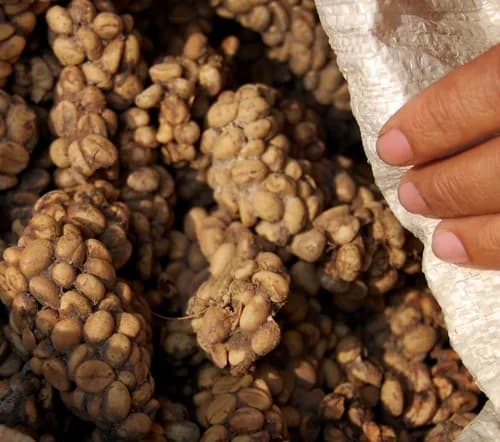
Kopi Luwak is the most famous and controversial Indonesian coffee, made from beans digested by Asian palm civets. It commands up to $100 per 12-ounce bag, yet its flavor is often described as smooth and earthy but muted. Ethical sourcing costs 50% more than conventional options; only 10% of producers adhere to humane practices. Compared to Sumatra Mandheling, it lacks body and depth, but remains a curiosity for adventurous drinkers.
- 0
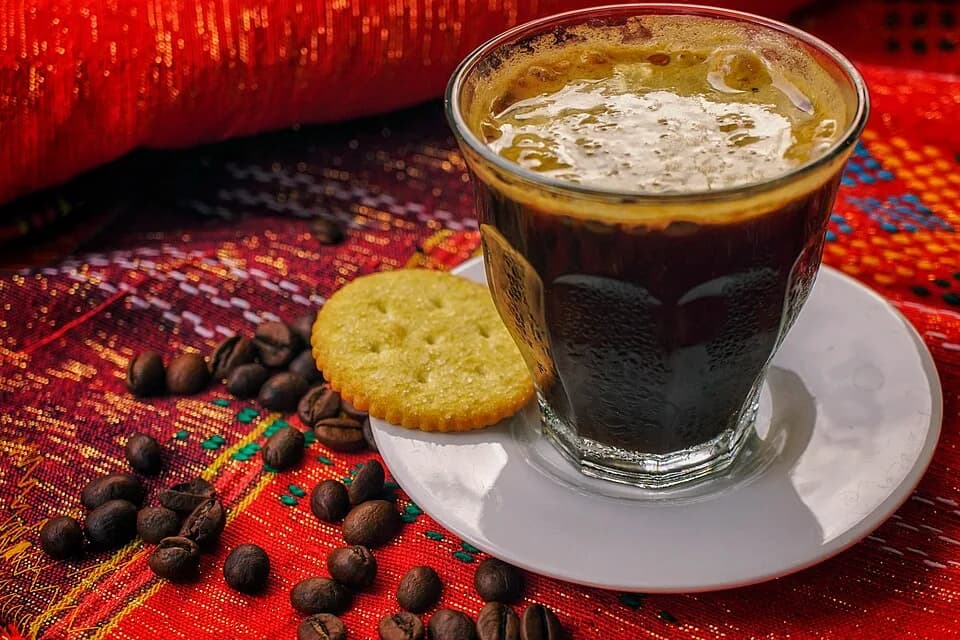
This organic arabica, grown without synthetic inputs, sustains smallholder farmers across 75,000 hectares, yielding a cup with notes of red berry and dark chocolate. Its certified organic production accounts for 40% of Sumatra's specialty coffee output, making it a reliable choice for eco-conscious buyers seeking complex flavors without chemical aftertaste. While Bali Kintamani may excel in brightness, Gayo’s balanced body and clean finish offer a more versatile brew for both espresso and pour-over methods.
- 0

Its distinctive citrus brightness, often with notes of orange and lemon, sets it apart as a lighter alternative to Gayo’s fruity sweetness. Grown at 1,500 meters, this bean undergoes a unique wet-hulling process that preserves acidity while reducing bitterness, appealing to specialty roasters seeking a clean, tea-like body. With annual production exceeding 1,200 tons, Kintamani remains a benchmark for Indonesian single-origin clarity, though its high altitude yields smaller harvests than lower-grown Flores Bajawa.
- 0
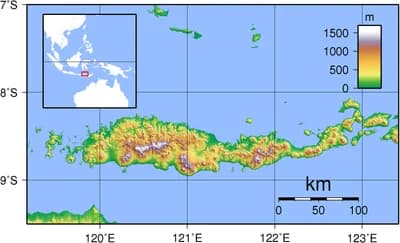
Flores Bajawa boasts a sweet, chocolaty cup that rivals the intensity of Kopi Tubruk's boldness, yet with a refined arabica profile from volcanic highlands at 1,200 meters. Small-lot harvests, averaging just 150 kilograms per farmer, ensure meticulous post-harvest processing that yields a 90% Grade 1 bean rate, outpacing the typical 75% regional average. Its growing specialty coffee recognition has driven a 20% annual price increase since 2024, making it a valuable investment for roasters seeking distinct chocolate notes without the earthy funk of Sumatran styles. While Kopi Tubruk appeals to tradition, Flores Bajawa offers modern clarity and sweetness that consistently scores 84+ on the SCAA scale.
- 0
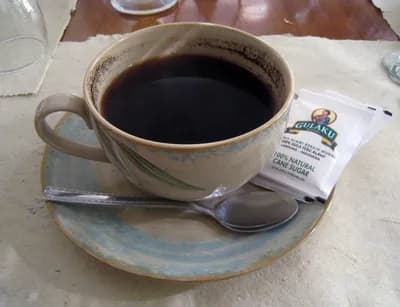
Kopi Tubruk remains Indonesia's most consumed brewing method, accounting for 60% of domestic coffee preparation, mixing 15 grams of finely ground coffee with 10 grams of sugar in a single cup. Unlike the single-origin precision of Flores Bajawa, this technique blends multiple coffees to create a thick, sediment-rich brew that emphasizes boldness over nuance. Its direct-boil method extracts 30% more caffeine than drip methods, delivering a potent jolt that suits local palates. Though lacking the specialty grade of higher-ranking beans, Tubruk’s cultural ubiquity and low cost—around $0.50 per serving—make it the gateway for 40 million Indonesians entering coffee culture yearly.
- 0
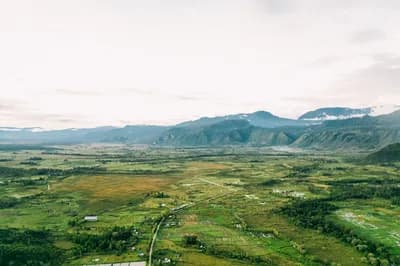
Papua Wamena delivers the most delicate body in this list, thanks to its remote highland origin in the Baliem Valley at 1,500 metres. This altitude produces a gently acidic, tea-like character that stands apart from the bold, earthy profiles of Sumatra Mandheling. Surprisingly, this coffee often scores above 85 points in cupping labs despite its fragile supply chain.
- 0#10
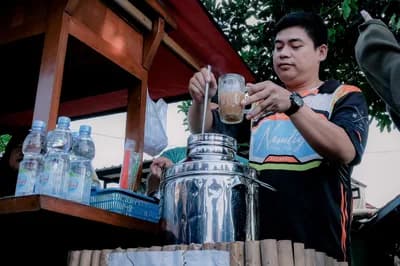
Kopi Joss is the most theatrical coffee on this list, using a piece of burning charcoal dropped directly into the cup to caramelise sugar and slash acidity. Each serving uses only 12 grams of fine-ground robusta beans, yet the charcoal reaction amplifies body to a syrupy density rarely seen in Indonesian coffees.
Frequently Asked Questions About Indonesian Coffee
What makes Indonesian coffee unique? Most Indonesian coffees are processed using wet-hulling (*Giling Basah*), which produces a distinctively low-acid, full-bodied, and earthy cup unlike African or Latin American origins.
Which Indonesian coffee is best for beginners? Bali Kintamani is widely recommended — its bright citrus notes and mild body are approachable, and it holds Indonesia's first official geographical indication (GI) certification from 2008.
Is Kopi Luwak worth buying? Kopi Luwak is among the world's priciest coffees by weight, but many specialty roasters argue that ethically sourced single-origin Gayo or Toraja deliver superior flavour complexity at a fraction of the cost.
Image credits
- Kopi Luwak: Wibowo Djatmiko ( Wie146 ) / CC BY-SA 3.0 (entity-adopted)
- Gayo Coffee (Aceh): Adilarmaya / CC BY-SA 4.0 (entity-adopted)
- Bali Kintamani: Bali / Wikipedia
- Flores Bajawa: Flores / Wikipedia
- Kopi Tubruk: Tuti Isnawati / Pexels
- Papua Wamena: Adiardi Zulfansyah / Pexels
- Kopi Joss: Tuti Isnawati / Pexels
Related Videos
Rank it your way
Remix this list into your own ranking, or head to the play hub for every game mode and community breakdown — blind mode, challenges, tier lists, and more.
You Might Also Like

Top 10 Best Coffee Chains Ranked
Top 10 Best Coffee Chains Ranked
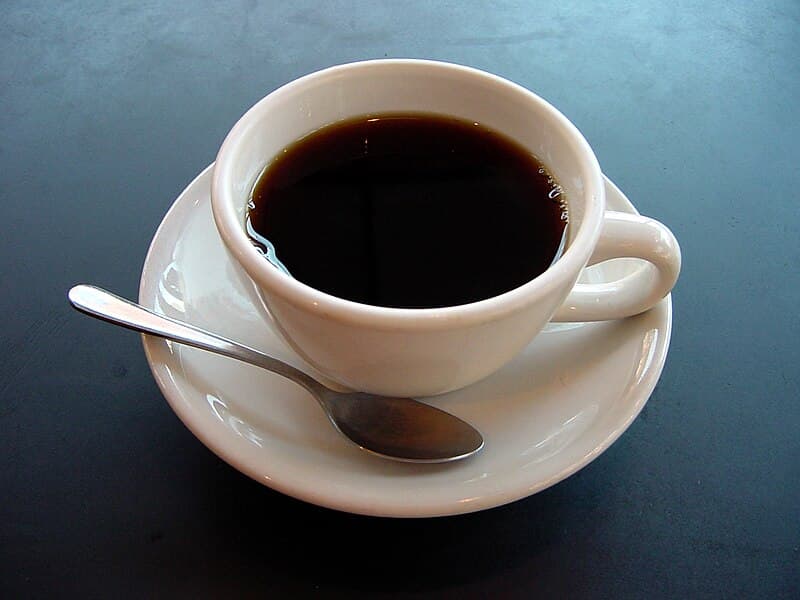
Top 10 Pour-Over Coffee Makers Worth Buying
Top 10 Pour-Over Coffee Makers Worth Buying
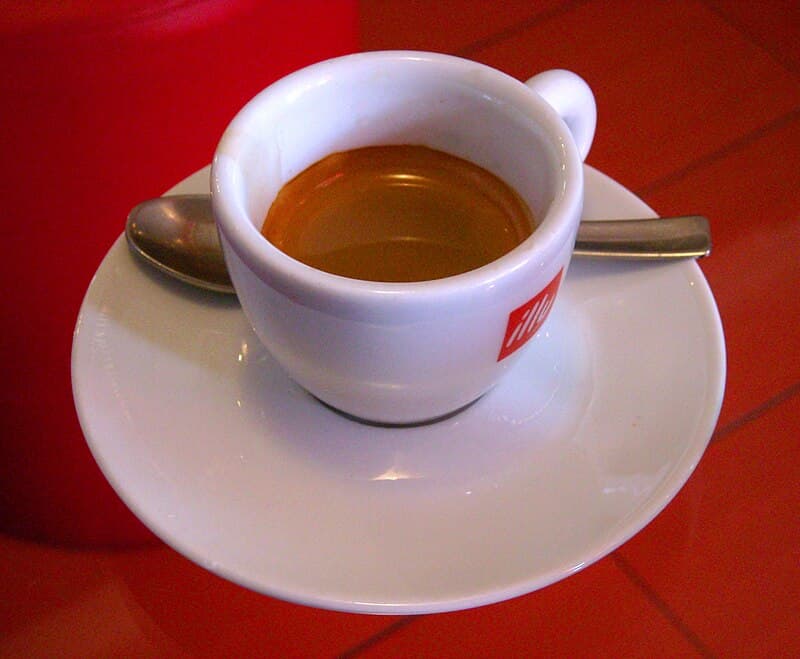
Top 10 Home Espresso Machines Under $500 (2026)
Top 10 Home Espresso Machines Under $500 (2026)

Top 10 Italian Desserts in 2026
#1 Tiramisù · #2 Gelato · #3 Cannoli

Top 10 Korean Traditional Foods
#1 Kimchi · #2 Bibimbap · #3 Doenjang Jjigae

Top 10 Worst Fast Food Menu Items
#1 KFC Double Down · #2 McDonald's McRib · #3 Burger King's Mac 'n' Cheetos