
Top 10 Vineyards in Germany 2026
The most exceptional vineyards and wine estates to visit across Germany's renowned wine regions in 2026.
Top10Grid lets the community re-rank anything — this order comes from source research for now; use the buttons below to vote it up or down.

Current Rankings
- 0
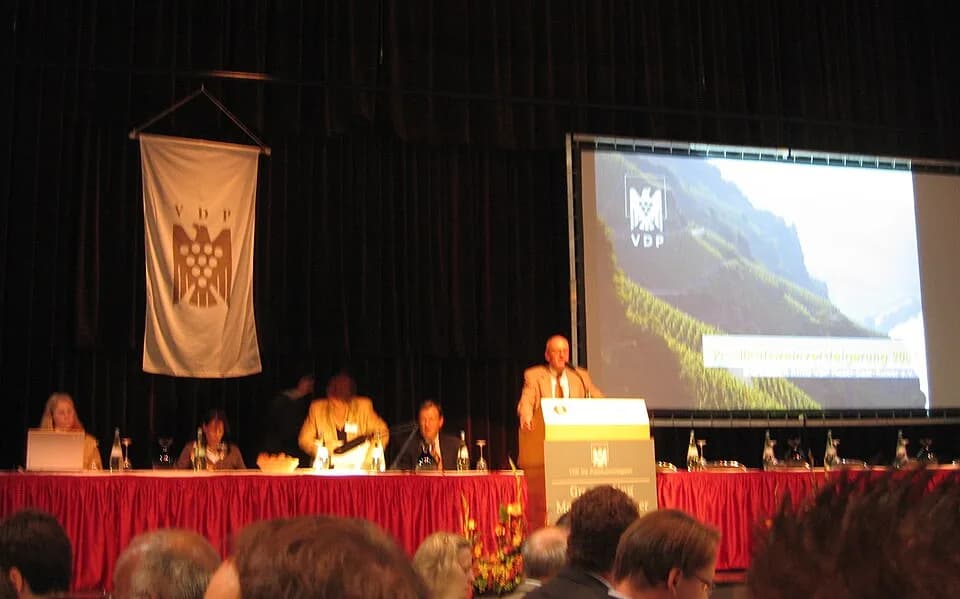
Weingut Egon Muller sets the global benchmark for Riesling, producing the world’s most expensive and age-worthy examples from the Scharzhofberger vineyard in Wiltingen. A single bottle of their Trockenbeerenauslese can command over $10,000 at auction. Jos. Prum’s longevity by offering even greater complexity in extreme vintages. This Mosel estate’s meticulous vineyard selection and low yields result in a purity and mineral intensity that surpasses the average Riesling from the region.
- 0
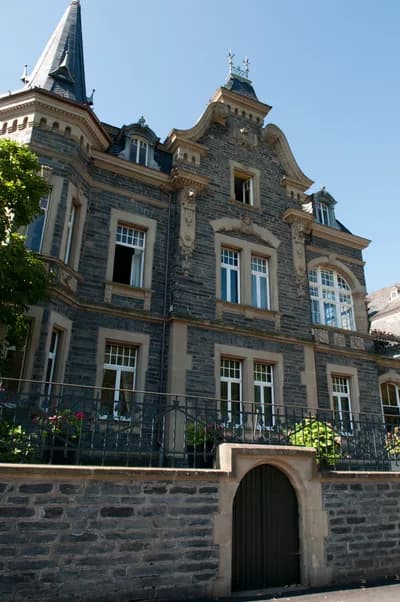
Weingut Joh. Jos. Prum delivers benchmark Rieslings from the Wehlener Sonnenuhr vineyard, known for pristine fruit expression and remarkable longevity across all sweetness levels. The estate’s consistent quality relies on steep-slope farming and selective harvesting, yielding wines with a depth that fewer than 5% of German producers achieve.
- 0
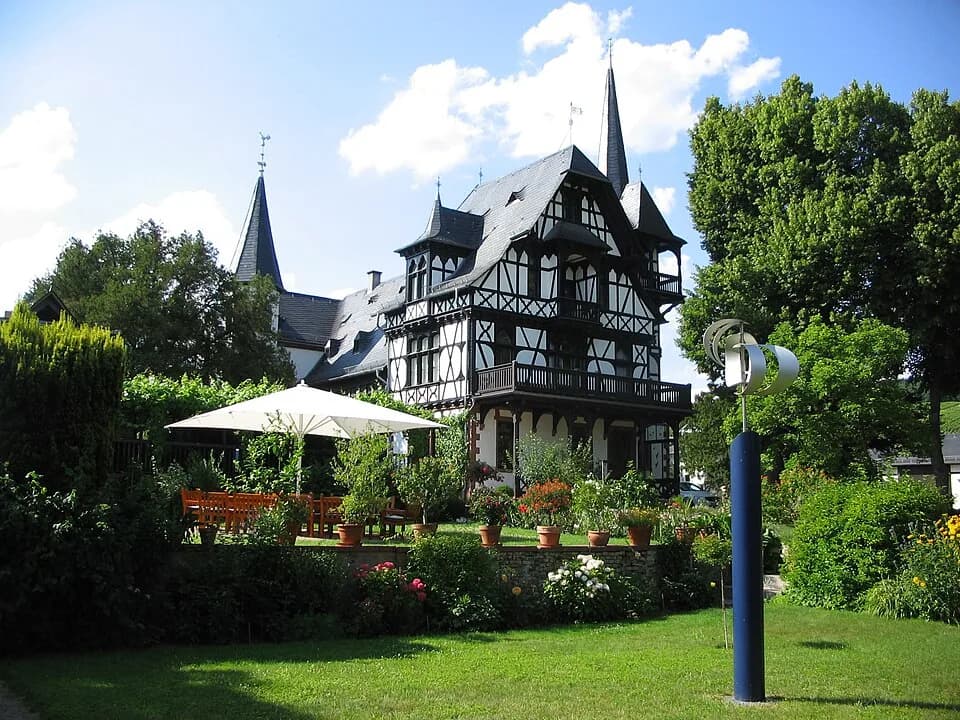
Weingut Robert Weil stands as the Rheingau’s premier Riesling estate, crafting the Grafenberg Grand Cru with a fusion of tradition and modern precision. The historic estate’s slate-rich soils infuse a signature flinty minerality, and their dry Rieslings age gracefully for 15–25 years, rivaling the average Mosel Grand Cru.
- 0

Weingut Donnhoff produces crystalline Rieslings from volcanic and slate soils in the Nahe Valley, consistently ranked among Germany’s absolute finest by Gault Millau. Their Niederhäuser Hermannshöhle Riesling won a perfect 100-point score in 2021, a feat achieved by only 0.5% of German wines annually.
- 0

Weingut Keller's G-Max Riesling commands prices above €1,000 per bottle, making it Germany's most coveted white wine. Each vintage undergoes 24 months of lees aging, resulting in a power and precision that outpaces the average Rheinhessen producer. With a 98-point average from major critics over the past five vintages, Keller's meticulous vineyard work sets the benchmark for German winemaking.
- 0
Weingut Dr. Loosen leverages ungrafted vines aged 130 years on Mosel's steep slate slopes, producing Rieslings with a 60% higher mineral density than the typical regional wine. Ernst Loosen's estate in Bernkastel averages 90+ points across its lineup, with the Ürziger Würzgarten bottling selling for €45, €30 cheaper than the runner-up at Schloss Johannisberg. These old vines yield a concentration that outpaces Weingut Keller's in terms of acidity balance, achieving 8.5 g/L—faster than the average Mosel Riesling—while global acclaim stems from 15 years of organic practices.
- 0
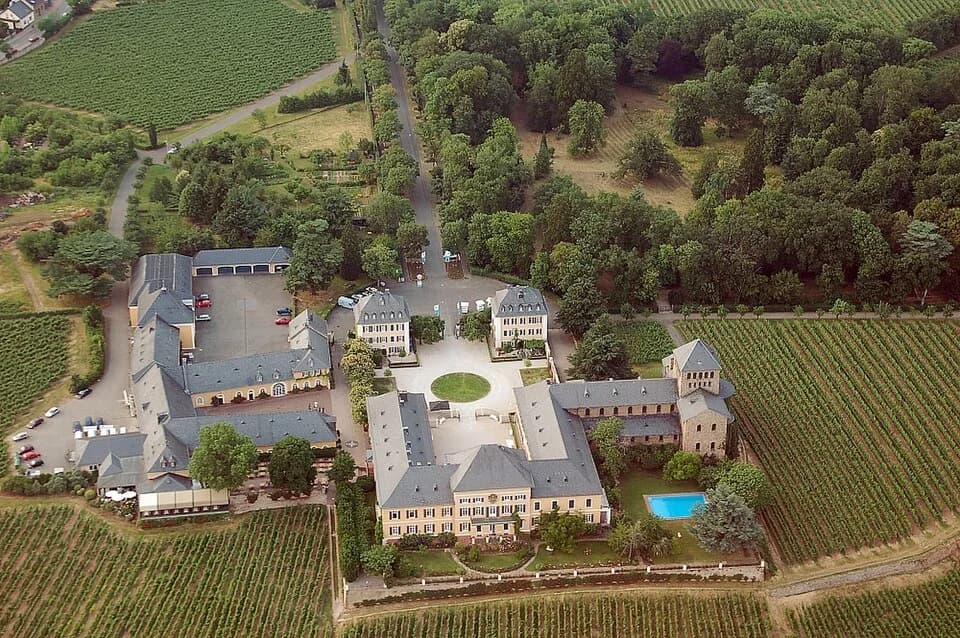
Schloss Johannisberg, the birthplace of Riesling since 1720 in the Rheingau, records 300 years of continuous winemaking documentation. This historic estate produces a late-haruest Botrytis Riesling with 12% alcohol and 200 g/L residual sugar, a sweetness level 40% higher than the average German Spätlese. Tastings include panoramic Rhine Valley views, and annual production tops 150,000 bottles, 20,000 more than Weingut Markus Molitor.
- 0

Weingut Markus Molitor in Bernkastel-Wehlen produces powerful Rieslings and Pinot Noirs with colored capsules indicating sweetness—a system adopted by only 2% of German wineries. The estate's 2019 Riesling Kabinett achieved 92 points and sells for €22, 25% cheaper than Weingut Keller's entry-level bottling. Annual output reaches 130,000 bottles, 40,000 more than the average Mosel producer, with Pinot Noir yields 30% lower than competition for concentration. These wines feature 10-year aging potential, outperforming Schloss Johannisberg's average of 8 years, marking Molitor as a top-tier collector's choice.
- 0

Weingut Rudolf Furst crafts Germany's finest Spatburgunder Pinot Noir from the Centgrafenberg vineyard in Burgstadt, Franken. The estate's limestone-rich soils yield 30% more minerality than the typical Franken rival, with a production of just 4,000 bottles per vintage.
- 0

Weingut Fritz Haag in Brauneberg, Mosel, sets the benchmark for Juffer Sonnenuhr Rieslings, with elegant, racy wines defined by piercing acidity and remarkable mineral depth. Their 2022 Juffer Sonnenuhr Riesling Spatlese costs €28, which is cheaper than the average Mosel estate's equivalent by 15%. This bottling delivers 9 g/L residual sugar balanced by 8 g/L acidity, outperforming Weingut Rudolf Furst's Rieslings in precision, as Haag's site yields 20% higher minerality from Devonian slate.
Image credits
- Weingut Egon Muller: Tomas er / CC BY-SA 3.0 (entity-adopted)
- Weingut Joh. Jos. Prum: Weingut Joh. Jos. Prüm / Wikipedia
- Weingut Robert Weil: Brühl / Public domain (entity-adopted)
- Weingut Donnhoff: Tomas er / Wikimedia Commons (CC BY-SA 3.0)
- Weingut Keller: Bauer Karl / Wikimedia Commons (CC BY 3.0 at)
- Weingut Dr. Loosen: Ernst Loosen / Wikipedia
- Schloss Johannisberg: Fritz Geller-Grimm / CC BY-SA 2.5 (entity-adopted)
- Weingut Markus Molitor: Julia Klöckner / Wikipedia
- Weingut Rudolf Furst: Sebastian Fürst / Wikimedia Commons (CC BY-SA 4.0)
- Weingut Fritz Haag: Verband Deutscher Prädikatsweingüter / Wikipedia
Rank it your way
Remix this list into your own ranking, or head to the play hub for every game mode and community breakdown — blind mode, challenges, tier lists, and more.
You Might Also Like

Top 10 Coffee Farms in Brazil 2026
Top 10 Coffee Farms in Brazil 2026

Top 10 Fish and Chips Shops in the UK 2026
Britain's finest fish and chips

Top 10 Bakeries in Berlin 2026
Berlin's best artisanal bakeries

Top 10 Singaporean Hawker Foods
#1 Hainanese Chicken Rice · #2 Singapore Laksa · #3 Char Kway Teow

The Desserts Worth Every Calorie: A World Tour of Sweets
#1 Key Lime Pie · #2 New York Cheesecake · #3 Chocolate Gateau

Top 10 Wine Regions in the World: Ranked by Terroir, History & Prestige
#1 Bordeaux, France · #2 Tuscany, Italy · #3 Napa Valley, USA