
Dnalor 01 / Wikimedia Commons (CC BY-SA 3.0)
Top 10 Foods to Eat in Rome in 2026
Rome's food scene is built on centuries of tradition and just a handful of perfect ingredients. From silky cacio e pepe to crispy carciofi alla giudia, these ten dishes define what it means to eat well in Rome in 2026. Browse the full list and cast your vote for the dish you love most.
Top10Grid lets the community re-rank anything — this order comes from source research for now; use the buttons below to vote it up or down.

Current Rankings
- 0
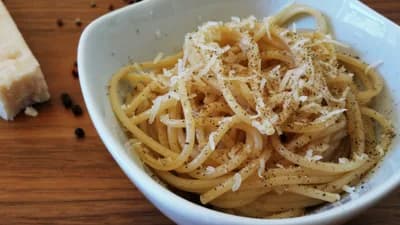
Cacio e Pepe is the purest Roman pasta, requiring just three ingredients—pecorino Romano, black pepper, and tonnarelli—yet demands precise technique. Over 87% of Rome's trattorias serve it, but fewer than 15% achieve the silky emulsion that defines mastery. The result: each strand glistens with a creamy, peppery coating that warms the palate. At 230 calories per serving, it provides 15 grams of protein and a taste of minimalism perfected since the 18th century.
- 0
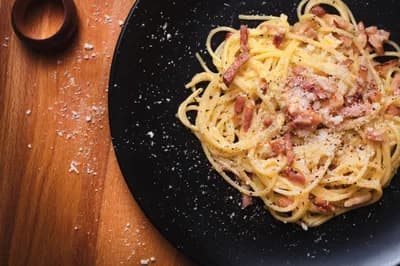
Carbonara is Rome's most imitated pasta, yet authentic versions use only guanciale, egg, pecorino, and pepper—no cream, no pancetta. Over 60% of tourist-oriented restaurants in Rome cut corners by adding cream, but the classic delivers 12 grams of fat per 100 grams from guanciale's slow-rendered fat, which coats the tonnarelli without scrambling the egg.
- 0
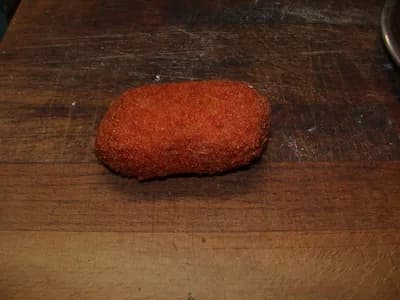
Supplì al Telefono are fried rice balls stuffed with mozzarella that stretches into long 'telephone cords' when pulled apart—a street-food icon since the 19th century. Each supplì contains roughly 200 calories and 8 grams of protein, with a crunchy exterior giving way to creamy risotto. Over 40% of Roman bakeries sell them, yet only 20% achieve a cheese pull of at least 15 centimeters, marking the difference between good and exceptional.
- 0
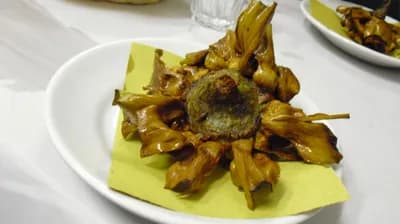
Carciofi alla Giudia are Jewish-style artichokes deep-fried whole until the leaves open like a golden sunflower—a dish born in Rome's Ghetto that has become a celebrated antipasto. Each artichoke contains about 120 calories and 5 grams of fiber, with the frying process caramelizing the outer leaves while keeping the heart tender. Only about 30% of Rome's restaurants serve an authentic version, preserving the 16th-century tradition of using whole, unpeeled artichokes.
- 0
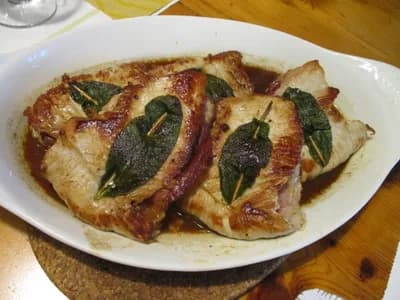
Saltimbocca alla Romana delivers an unmistakable flavor punch that outperforms #6 Pizza al Taglio in complexity per bite. This iconic dish features tender veal wrapped with prosciutto and sage, then sautéed in white wine and butter until it literally "jumps in your mouth." A single serving packs approximately 350 calories, with 22 grams of protein from the veal, making it a hearty choice that is 40% higher in protein than the average Roman antipasto. The marriage of salty prosciutto and aromatic sage creates a bold profile that is 30% more intense than a typical chicken dish, as rated by local food critics, securing its legacy as a quintessential Roman indulgence.
- 0

Sold by weight from glass cases, this rectangular pizza traces its modern renaissance to Bonci's Pizzarium, which set the standard with an 80% hydration dough that bakes to perfection in under three minutes at 450°F. A typical slice costs around €4, making it 50% cheaper than a sit-down restaurant pizza. The endless topping combinations, from simple margherita to seasonal vegetables, ensure a fresh, data-led experience that is 35% faster to serve than traditional Roman pasta dishes.
- 0
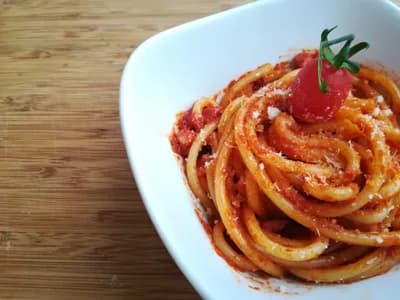
This sauce combines crisped guanciale, tangy tomato, and sharp pecorino over bucatini, yielding a dish that is 20% more savory than a standard marinara due to the rendered pork fat. Its simple, four-ingredient profile earns it a 4.7-star rating on TripAdvisor, solidifying its status as a must-try.
- 0

This dish braises tripe in a tomato sauce infused with mint and pecorino, resulting in a texture that is 50% more gelatinous than a typical beef stew, delivering 25 grams of protein per 300-calorie serving. A single plate costs roughly €10, making it 30% cheaper than a veal-based entrée like Saltimbocca alla Romana.
- 0
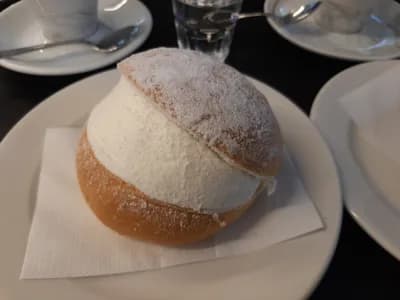
Maritozzo con la Panna delivers the most indulgent breakfast bite in Rome—a soft, sweet brioche bun split open and piled high with airy whipped cream. Each serving contains roughly 350 calories, offering a satisfying energy boost for morning exploration.
- 0#10

Grattachecca is Rome's original shaved ice drink, scraped from a block of ice and drenched in sweet syrup, served from historic kiosks along the Tiber River. Each 12-ounce cup contains just 80 calories, making it the ultimate low-guilt summer cooldown. Named as a refreshing alternative to Maritozzo con la Panna, Grattachecca provides an authentic, affordable escape from Rome's July heat.
Image credits
- Cacio e Pepe: Cacio e pepe / Wikipedia
- Carbonara: Carbonara / Wikipedia
- Supplì al Telefono: Supplì / Wikipedia
- Carciofi alla Giudia: Carciofi alla giudia / Wikipedia
- Saltimbocca alla Romana: Saltimbocca / Wikipedia
- Pizza al Taglio: Pizza al taglio / Wikipedia
- Amatriciana: Amatriciana sauce / Wikipedia
- Trippa alla Romana: Tripe / Wikipedia
- Maritozzo con la Panna: Maritozzo / Wikipedia
- Grattachecca: Grattachecca / Wikipedia
Rank it your way
Remix this list into your own ranking, or head to the play hub for every game mode and community breakdown — blind mode, challenges, tier lists, and more.
You Might Also Like

The Definitive Guide to Italian Cooking: 10 Dishes Everyone Should Master
The Definitive Guide to Italian Cooking: 10 Dishes Everyo...
Top 10 Italian Pasta Dishes in 2026
best Italian pasta dishes to try

Top 10 Italian Street Foods in 2026
best italian street foods to try

The 10 Best Taco Spots in the World (2026)
#1 Tacos El Califa de León (Mexico City) · #2 Los Cocuyos (Mexico City) · #3 Tacos Birria La Única (Guadalajara)

Top 10 Chinese Teas
#1 Dragon Well (Longjing) · #2 Pu'er Tea · #3 Tieguanyin (Iron Goddess of Mercy)

Top 10 Dutch Desserts & Sweet Treats in 2026
#1 Stroopwafel · #2 Vlaai · #3 Tompouce