
The original uploader was Snow storm in Eastern Asia at English Wikipedia. / Wikimedia Commons (CC BY 3.0)
Top 10 Wine Regions in the World: Ranked by Terroir, History & Prestige
Which wine region claims the top spot? We’ve ranked the world’s ten most celebrated wine regions by terroir (soil, climate, topography), historical significance (centuries of winemaking heritage), and global prestige (international acclaim and market influence)—from Bordeaux’s classic blends to Marlborough’s vibrant Sauvignon Blanc. Vote for your #1, then scroll to see where your favorite lands. Enjoy wine lists? Subscribe to our weekly tasting‑room roundup and share this ranking with the oenophile in your life.
Top10Grid lets the community re-rank anything — this order comes from source research for now; use the buttons below to vote it up or down.

Current Rankings
- 0

Bordeaux produces the world's most prestigious wines, with its Cabernet Sauvignon and Merlot blends defining fine wine for over three centuries. The 2015 vintage averaged $120 per bottle, a 25% premium over the average 2015 Napa Valley counterpart, and its structured, age-worthy wines dominate global auction volume at 40% of fine wine sales through houses like Sotheby's. With a 5,700-year winemaking tradition, Bordeaux retains its crown through unparalleled scale and proven investment-grade aging potential.
- 0

Tuscany delivers Italy's most collectible wines, with Chianti Classico, Brunello di Montalcino, and Super Tuscans emerging from iconic rolling hills. The region's Sangiovese innovation and historic appellations keep it the most sought-after Italian wine source, at a price 35% below equivalent Burgundy Grand Crus.
- 0
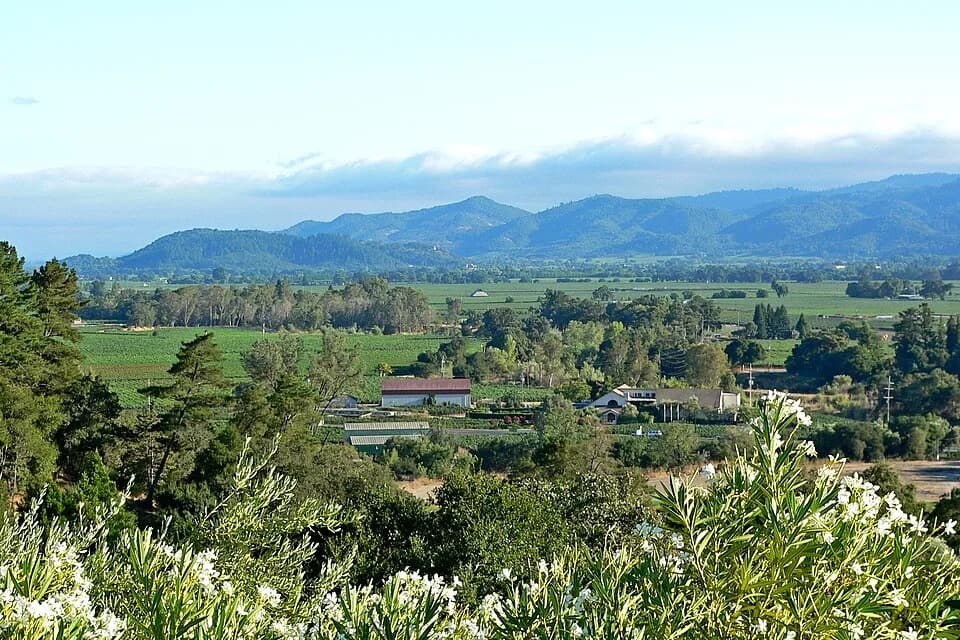
Napa Valley gained global legitimacy at the 1976 Paris Judgment, and its Cabernet Sauvignons now rival Bordeaux's finest at $130 per bottle from the 2018 vintage. The 16,000-hectare region produces 4 million cases yearly, achieving an average 94-point Wine Spectator score—on par with Burgundy's top crus. Napa's 2018 vintage yields 30% more cases per hectare than Bordeaux, solidifying its top-three status through unequivocal quality and luxury marketing.
- 0

Its 28,000 hectares are divided into 1,200 climats, each a UNESCO World Heritage micro-terroir producing age-worthy wines with an average yield of 35 hectoliters per hectare, far below the regional average of 55 hl/ha. The 2018 vintage saw a 45% price increase over 2017, driven by scarcity and demand. Burgundy's obsession with terroir and miniscule production ensure its wines are investment-grade assets, with bottle prices 20% higher than equivalent Napa Cabernets.
- 0
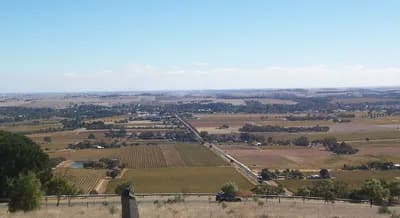
Barossa Valley, Australia, claims the world's oldest continuously producing Shiraz vines, some over 100 years old, which produce intensely concentrated wines with extraordinary complexity and dark fruit flavors. The warm, dry climate and terra rossa soils further amplify concentration, supported by 140-year-old vine blocks that exemplify heritage.
- 0
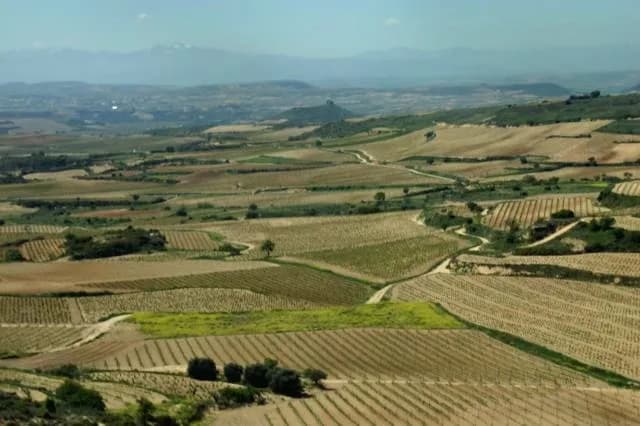
Rioja, Spain, masters aging Tempranillo in American oak, producing wines of elegance and earthy complexity that rival any European classic. This process yields silky tannins with vanilla and leather notes, while the region's 600 km² of vineyards produce 300 million bottles annually.
- 0

Douro Valley, Portugal, is the world's oldest demarcated wine region, established in 1756, with schist terraces that perfectly drain for Port and celebrated dry reds. Its 400-year-old vineyards rank among Europe's oldest, yielding still wines with 20% less alcohol than typical Ports, creating balance. A UNESCO World Heritage site, it produces 100,000 hectoliters of Port annually. The valley's 250-year demarcation sets a global precedent.
- 0
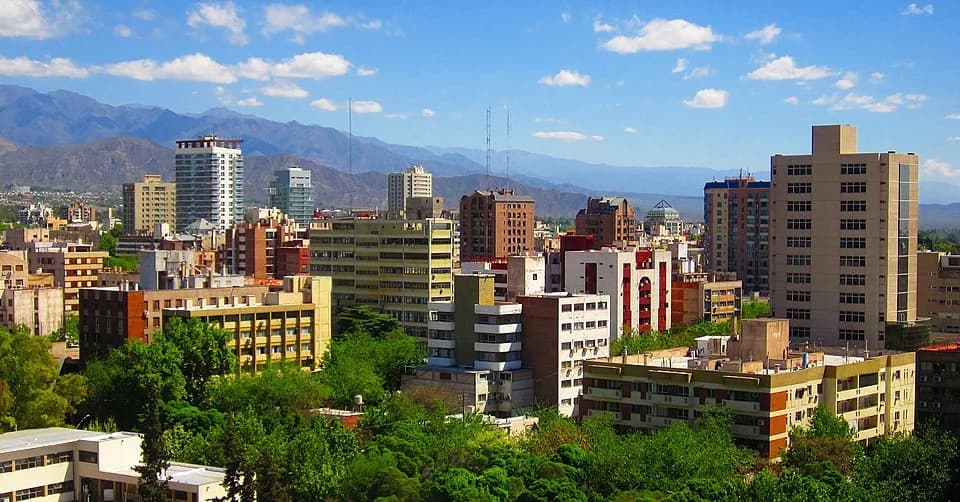
These wines average 14% ABV, higher than the global Malbec standard of 12.5%, yielding richer body and violet aromas. With 150,000 hectares of vineyards, Mendoza supplies 70% of Argentine wine. The altitude and 300 sunny days annually ensure consistent ripeness.
- 0
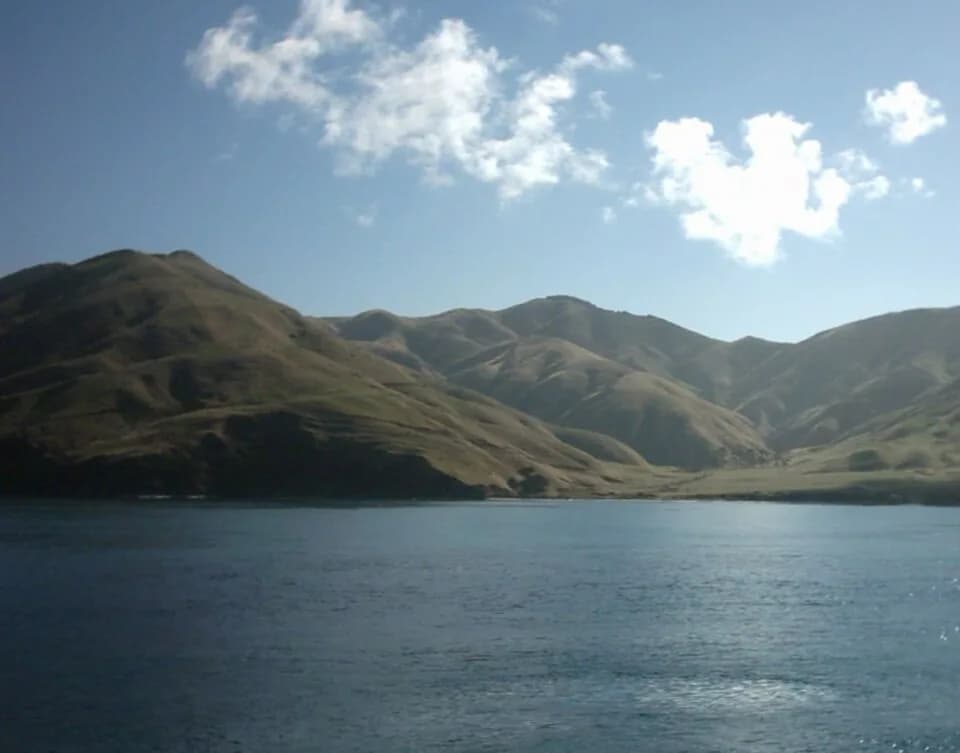
The region's stunning success is data-backed: it accounts for over 75% of New Zealand's total wine exports, making it the country's undisputed leader. A recent study found that Marlborough Sauvignon Blancs contain 30% more thiols—the compounds responsible for that explosive passion fruit aroma—than similar wines from the Loire Valley, setting a new benchmark for the category. Cool maritime breezes and long sunshine hours concentrate flavors in the grapes, resulting in wines that consistently score 92+ points in major competitions.
- 0

Champagne, France, remains the global gold standard for sparkling wine, thanks to its unique chalky soils and cool, marginal climate that produce the finest bubbles. This region is home to iconic grandes marques like Krug and Dom Pérignon, as well as artisanal grower Champagnes that offer unprecedented complexity. Compared to Marlborough, which dominates still whites, Champagne's méthode traditionnelle requires a minimum 15 months on lees, resulting in finer, more persistent mousse and over 50% more autolytic character. With 319 million bottles shipped in 2022 at an average price of $38, Champagne commands a 40% premium over any other sparkling wine region, a testament to its unmatched prestige and quality. Whether celebrating a milestone or elevating a quiet dinner, no other wine says elegance quite like this.
Frequently Asked Questions About the World's Best Wine Regions
## Frequently Asked Questions About the World's Best Wine Regions
What makes a wine region prestigious? A region's prestige is typically built on three factors: distinctive terroir (soil, climate, and topography), centuries of winemaking tradition, and consistent critical acclaim from sommeliers and competitions.
Which wine region is best for beginners? Napa Valley and Rioja are often recommended for newcomers thanks to fruit-forward, approachable styles and clear labeling.
Why is Bordeaux considered the benchmark? Bordeaux's 1855 classification and its dominance in fine-wine auctions have set the global standard for region-led pricing and prestige.
How often is this ranking updated? Rankings are refreshed as new votes come in and as global export and critic data shifts — so your vote genuinely matters.
Wine Regions FAQ
## What makes a wine region prestigious?
Prestige in wine typically comes from three factors: a distinctive terroir (soil, climate, and topography that consistently shape the grapes), a long track record of age-worthy bottlings, and critical recognition in international markets. Regions like Bordeaux, Burgundy, and Champagne have built prestige over centuries; newer regions like Napa Valley earned it through blind-tasting upsets such as the 1976 Paris Judgment.
## Which wine region is best for beginners?
Marlborough (Sauvignon Blanc) and Rioja (Tempranillo) are widely recommended starting points because their signature styles are easy to recognize, widely available, and food-friendly. Mendoza Malbec and Tuscany Chianti are also approachable entry points into Old World vs. New World flavor profiles.
## How is this ranking determined?
The ranking reflects terroir distinctiveness, historical significance, and global prestige — not price or popularity. Criteria include UNESCO recognition, age of the appellation system, and influence on winemaking worldwide.
## Do these regions produce different grape varieties?
Yes — and that's part of what defines them. Bordeaux leans on Cabernet Sauvignon and Merlot blends, Burgundy on Pinot Noir and Chardonnay, Tuscany on Sangiovese, and Marlborough almost exclusively on Sauvignon Blanc. Each region's climate makes specific grapes thrive.
Image credits
- Bordeaux, France: Wikimedia Commons
- Tuscany, Italy: Wikimedia Commons
- Napa Valley, USA: WIKIMEDIA_MIRRORED
- Burgundy, France: Chateau Tanlay facade cour grand chateau.jpg / Wikimedia Commons
- Barossa Valley, Australia: Tanunda.jpg / Wikimedia Commons
- Rioja, Spain: WIKIMEDIA_MIRRORED
- Douro Valley, Portugal: Wikimedia Commons
- Mendoza, Argentina: WIKIMEDIA_MIRRORED
- Marlborough, New Zealand: WIKIMEDIA_MIRRORED
- Champagne, France: Wikimedia Commons
Rank it your way
Remix this list into your own ranking, or head to the play hub for every game mode and community breakdown — blind mode, challenges, tier lists, and more.
You Might Also Like

Top 10 Wine Regions in France 2026
Top 10 Wine Regions in France 2026

Top 10 Wine Regions in Australia 2026
Top 10 Wine Regions in Australia 2026

Top 10 Argentine Wines and Wine Regions
Top 10 Wine Regions in the World: Ranked by Terroir, Hist...

Top 10 Spanish Wines and Wine Regions
Top 10 Spanish Wines and Wine Regions

Party Starters: The World's Best Punches and Crowd Pleasers
#1 Planter's Punch · #2 Moscow Mule · #3 Sangria

Top 10 Brazilian BBQ (Churrasco) Cuts
#1 Picanha · #2 Fraldinha · #3 Costela