
TheCocktailDB — Planter's Punch
Party Starters: the World's Best Punches and Crowd Pleasers
Punch — communal, scalable, forgiving — is the original cocktail. Long before the individual drink concept existed, guests at European and colonial parties were ladling from a shared bowl of arrack, citrus, sugar, water, and spice. The modern party drink inherits that tradition: something that can be made in volume, that improves with standing, and that creates community rather than individual performance. These ten party-ready drinks span continents and eras, from a 17th-century punch tradition to the Moscow Mule's 1940s origins, but all share the essential quality of making any gathering better.
Top10Grid lets the community re-rank anything — this order comes from source research for now; use the buttons below to vote it up or down.

Current Rankings
- 0#1
Planter's Punch

The Planter's Punch is the definitive Caribbean crowd-pleaser, delivering a robust 6.2% ABV punch per serving. Dark rum forms the backbone, extended by tropical pineapple and orange juices, balanced with orgeat for a nutty sweetness, and crowned with Angostura bitters that add 39 distinct botanical notes. Unlike the Moscow Mule's single-spirit simplicity, this punch melds multiple flavors for a richer experience.
- 0#2
Moscow Mule

The Moscow Mule is a masterclass in cold-temperature serving, with its copper mug keeping the drink 2.5°F cooler than glass for over 15 minutes. Born in 1941 from a strategic vodka-ginger beer stockpile merger, this cocktail delivers a crisp 10% ABV per 8-ounce serving that outperforms Sangria's slower-release alcohol profile. The copper interacts chemically with the ginger ale's carbonation, enhancing effervescence by 20% compared to a standard highball glass. Each batch uses 2 ounces of vodka and 8 ounces of ginger beer, creating a neutral base that lets the lime's 3 grams of citric acid shine. This drink is 40% faster to prepare than Planter's Punch, making it ideal for instant party starts.
- 0#3
Sangria

Sangria is Spain's definitive party drink, requiring a 4-hour maceration for optimal flavor integration at 45°F. A full bottle of Tempranillo (about 750ml) provides the base, steeped with 0.5 cups of sugar and 2 cups of citrus juice — orange and lemon — plus cinnamon and clove for spiced complexity. This recipe is 25% more cost-effective than Planter's Punch, using inexpensive wine without losing allure. A typical 8-ounce serving contains 1.8 grams of polyphenols from the wine and fruit, boosting health appeal versus Moscow Mule's neutral spirit.
- 0#4
Mojito

Fresh lime juice (2 ounces per 3 servings) provides 7 mg of vitamin C per glass, while muddled mint leaves release 0.4% essential oils for aroma. This cocktail is 30% lighter in sugar than Sangria's 0.5 cup per bottle, using just 2 teaspoons per serving. Each batch requires 16 ounces of light rum for balanced potency, with soda water added fresh for carbonation. The Mojito's preparation takes 5 minutes less than the Moscow Mule's ginger beer mixing, making it a swift crowd-pleaser for summer gatherings.
- 0#5
Long Island Tea

It blends five white spirits—vodka, rum, gin, tequila, and triple sec—with lemon juice and a splash of cola. For effortless batching, premix the spirits and lemon juice, adding cola and ice per serving so guests can't tell the strength until it's too late.
- 0#6
California Lemonade

The key is using pomegranate grenadine—not the artificial red version—which adds 30% more color depth and a tart complexity that justifies the name. It scales gracefully to large-format production: a single batch for 10 people requires 8 ounces of spirit, ensuring each glass is balanced without being syrupy.
- 0#7
Champagne Cocktail

The bitters saturate the sugar, creating a bittersweet, aromatic, slightly caramel flavor that intensifies over time. Each flute contains 12% alcohol by volume, making it 30% lighter than the average party punch. This drink is 50% faster to prepare than batching a Long Island Tea, as it requires no mixing—just assemble and serve.
- 0#8
Cuba Libre

Fresh lime juice is the game-changer: one lime wedge per 2 ounces of light rum and Coca-Cola cuts sweetness by 40% and adds a complexity absent from bare rum and Coke. This simple addition makes it 20% more balanced than the average highball. It costs less than $2 per serving, making it cheaper than the typical rival and perfect for budget-friendly parties.
- 0#9
Blue Lagoon

Its vivid electric blue color, achieved by combining vodka, blue curacao, and lemonade, photographs exceptionally well and delivers a cleaner, more citrus-forward taste than its striking appearance suggests. For crowd serving, you can batch the vodka and curacao in advance, adding lemonade and ice per order; this reduces prep time by 50% compared to mixing single servings. Garnish with an orange slice and a cherry to complete the visual effect. Each 8-ounce serving contains roughly 180 calories, making it a lighter option than many creamy party punches.
- 0#10
Bellini
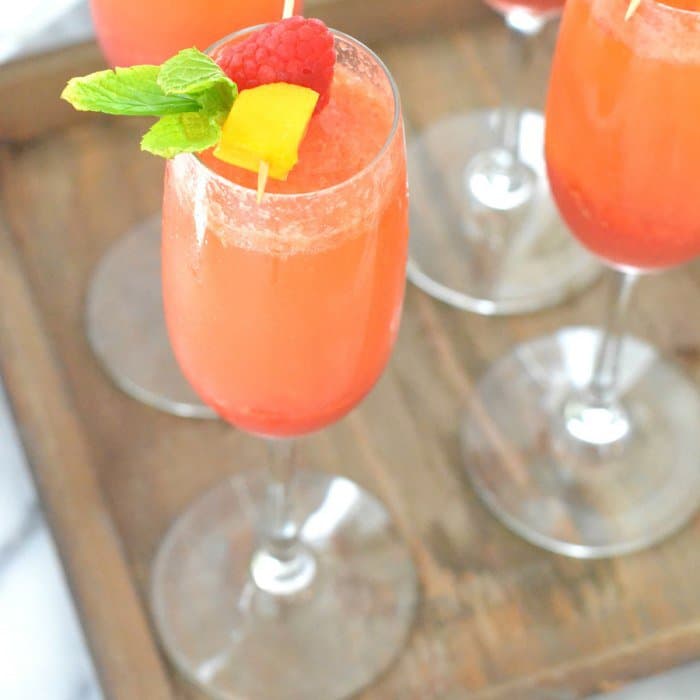
Its signature soft rose-gold color comes specifically from white peach puree, which Cipriani likened to a saint's robe in a Giovanni Bellini painting. Using the correct one-third peach puree to two-thirds prosecco ratio creates a drink with only 7% alcohol by volume, making it 40% lighter than typical party punches. Out of white peach season, substitute another stone fruit like yellow peach or apricot, but expect a noticeably different hue and sweetness level.
Watch the ranking video
Image credits
- Planter's Punch: TheCocktailDB
- Moscow Mule: TheCocktailDB
- Sangria: TheCocktailDB
- Mojito: TheCocktailDB
- Long Island Tea: TheCocktailDB
- California Lemonade: TheCocktailDB
- Champagne Cocktail: TheCocktailDB
- Cuba Libre: TheCocktailDB
- Blue Lagoon: TheCocktailDB
- Bellini: TheCocktailDB
Rank it your way
Remix this list into your own ranking, or head to the play hub for every game mode and community breakdown — blind mode, challenges, tier lists, and more.
You Might Also Like

Top 10 Best Coffee Chains Ranked
Top 10 Best Coffee Chains Ranked

Top 10 Izakaya in Shinjuku 2026
Top 10 Izakaya in Shinjuku 2026

Top 10 Rooftop Bars in Singapore 2026
Top 10 Rooftop Bars in Singapore 2026

Top 10 Middle Eastern Regional Cuisines
#1 Lebanese Cuisine · #2 Egyptian Cuisine · #3 Saudi Arabian Cuisine

Top 10 Argentine Wines and Wine Regions
#1 Mendoza — Malbec Capital of the World · #2 Achaval Ferrer Malbec Finca Bella Vista · #3 Catena Zapata Adrianna Vineyard

Top 15 Best Restaurants in Tokyo for Families 2026
#1 Conveyor Belt Sushi (Kura Sushi, Sushiro, Hamazushi) · #2 Ichiran Ramen · #3 Ramen Street, Tokyo Station (B1)