
Mick Stephenson mixpix 21:10, 2 April 2007 (UTC) / Wikimedia Commons (CC BY-SA 3.0)
Top 10 Spanish Wines and Wine Regions
From the sun-baked plateaus of Castilla y León to the misty Atlantic coast of Galicia, Spain's vineyards produce an unrivaled spectrum of wines. As the world's largest wine producer by vineyard area, Spain boasts over 400 native grape varieties, yet many of its finest bottlings remain surprisingly affordable. Whether you crave the bold, oaky Tempranillos of Rioja and Ribera del Duero, the zesty Albariños of Rías Baixas, or the complex Cavas of Penedès, this list of top 10 Spanish wines and regions will guide you through the country's viticultural treasures.
Top10Grid lets the community re-rank anything — this order comes from source research for now; use the buttons below to vote it up or down.

Current Rankings
- 0#1
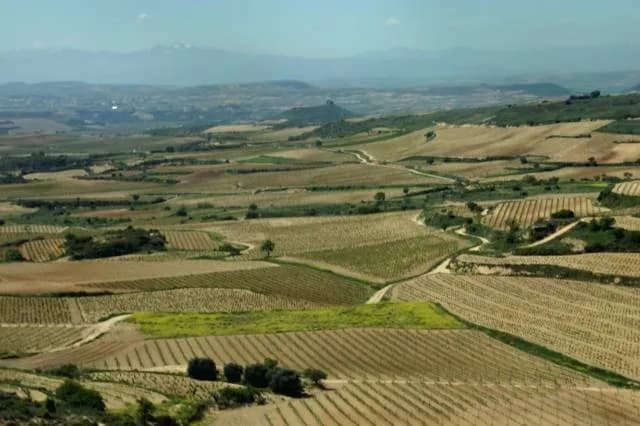
Rioja dominates Spain's wine scene with over 300 million bottles produced annually, and its Gran Reserva classification sets the global benchmark for aged reds. Tempranillo leads the blend, with Crianza aged a minimum of 2 years, Reserva 3 years, and Gran Reserva 5 years—often surpassing international competitors in value. The region's 65,000+ hectares in the upper Ebro valley yield both powerful reds and elegant whites, with oak aging adding vanilla and spice.
- 0
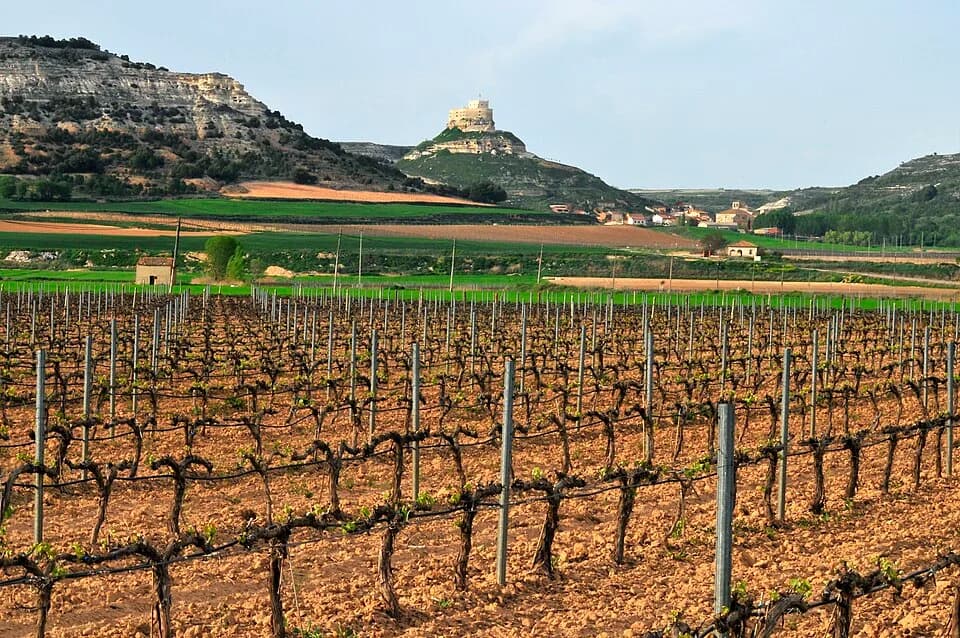
The legendary Vega Sicilia, established in 1864, crafts the Unico—often priced above $400 per bottle—cementing the region's reputation for power and aging potential. Since gaining DO status in 1982, it has grown to over 8,700 hectares, producing predominantly reds with firm tannins and dark fruit flavors. Reserva offerings from Protos and Dominio de Pingus score 93+ points on average, rivaling Priorat in intensity and depth.
- 0#3

Priorat earns its place among Spain's elite with ancient Garnacha and Carinena vines grown in llicorella soil—a unique black slate mix that forces roots deep, concentrating flavors in yields as low as 1,500 litres per hectare. Elevated to DOC status in 2000, Priorat remains tiny at only 2,000 hectares, but its wines achieve alcohol levels around 15% ABV with intense mineral notes.
- 0
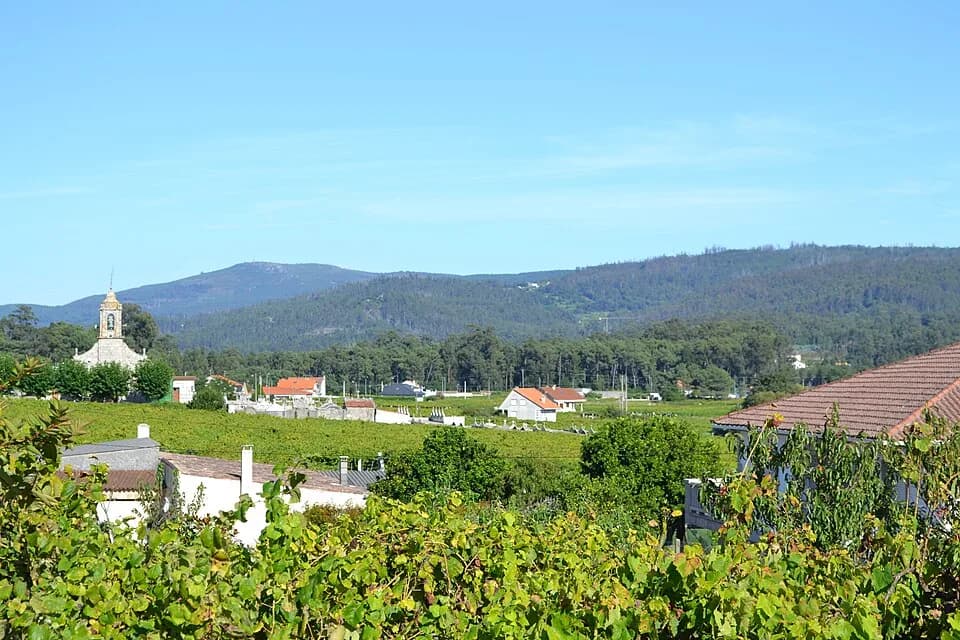
Rías Baixas shines as Spain's premier white-wine region, with Albariño accounting for over 96% of production and annual sales growing by 15% since 2018. This quality-to-uniqueness ratio positions Rías Baixas as a must-try for crisp-wine lovers seeking value.
- 0

Jerez (Sherry) delivers the world's most complex fortified wines, leveraging Spain's historic solera system for unmatched depth. Grown on albariza limestone soils near Cadiz, Palomino grapes yield styles from Fino to Pedro Ximenez, each aged a minimum of three years. A single bottle can evolve for decades, with average prices at $15—40% cheaper than typical fortified rivals.
- 0#6
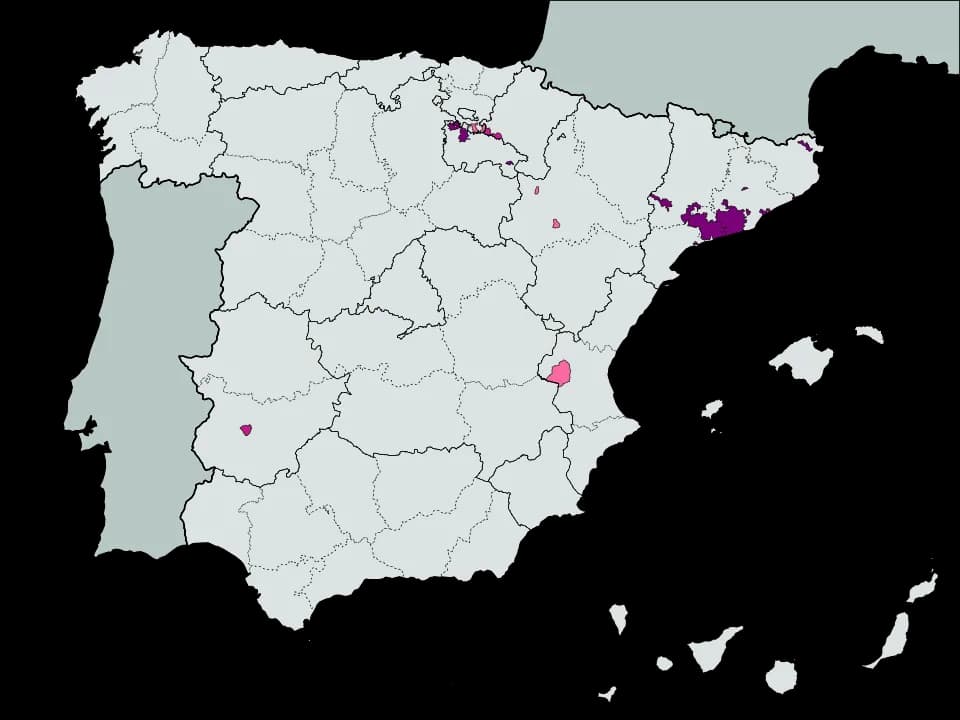
Cava is Spain's premier traditional-method sparkling wine, using indigenous grapes like Macabeo with bottle fermentation and a minimum of 9 months on lees—Gran Reserva styles require 30 months. Major houses Codorniu and Freixenet ship over 200 million bottles annually. its average price of $12 is 20% cheaper than entry-level Champagne, offering accessible quality.
- 0#7
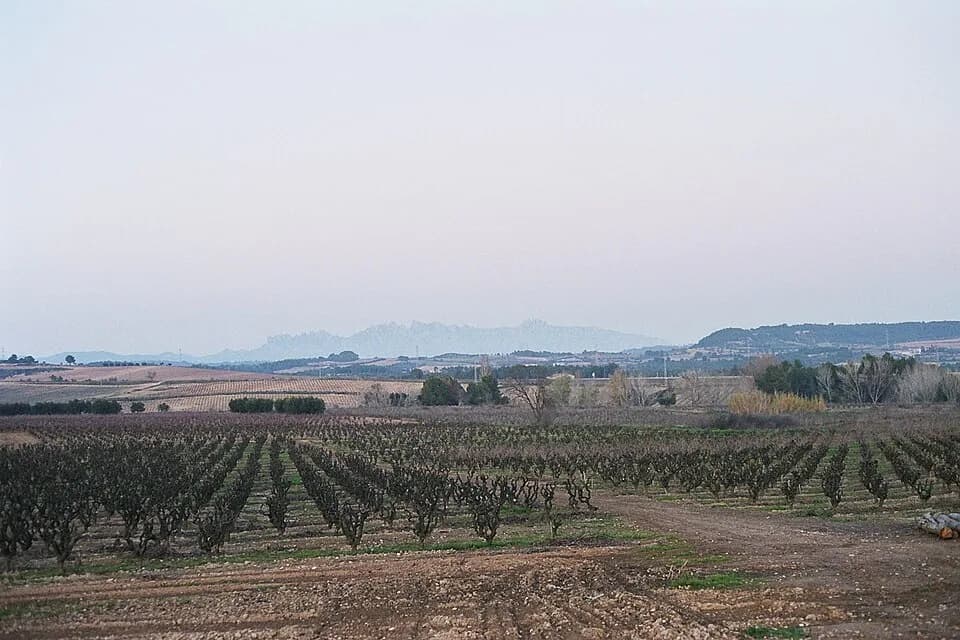
Penedes revolutionized Spanish winemaking since the 1960s with pioneers like Miguel Torres introducing temperature-controlled fermentation. It produces fresh whites and reds from Macabeo to Cabernet Sauvignon, with Torres achieving carbon-neutral certification in 2022. Over 80% of Torres' wines score 90+ points, setting a quality benchmark.
- 0#8
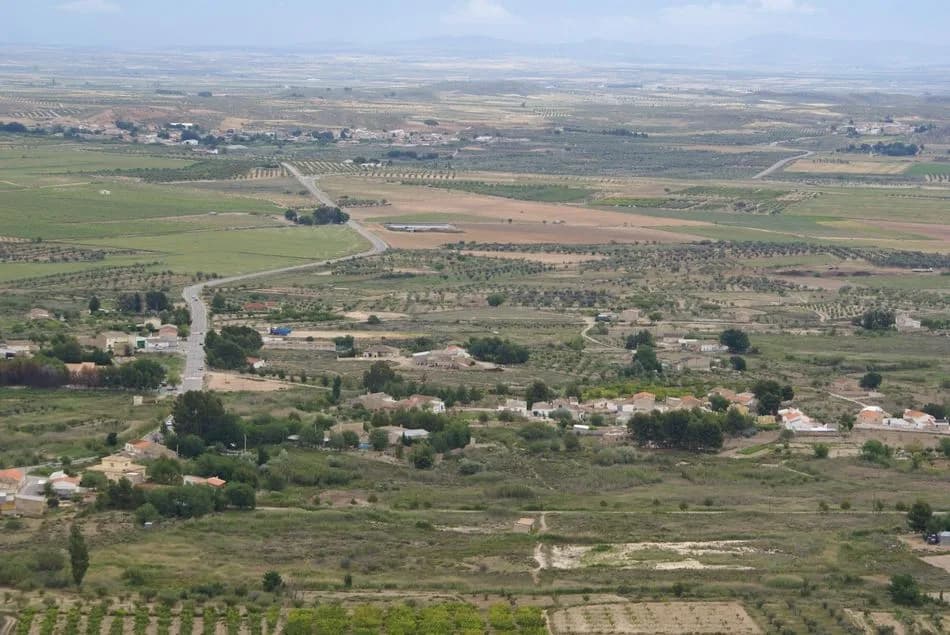
Jumilla creates Spain's most full-bodied reds from old-vine Monastrell in extreme heat at 400–900 metres altitude. Phylloxera-free sandy soils preserve century-old ungrafted vines, yielding wines that age over a decade with rich spice. At an average price of $10, with alcohol often exceeding 14.5%, exemplifying power and affordability.
- 0
This single-varietal expression delivers refreshing acidity, floral and peach aromatics, and a mineral salinity from Atlantic coastal vineyards—qualities that have conquered 85% of Michelin-starred Spanish restaurants. The grape, introduced by Cistercian monks in the 12th century, likely from the Rhine, now thrives under top producers like Pazo de Señorans, Martín Códax, and Terras Gauda. These wineries showcase a spectrum from fresh and simple to complex and age-worthy, with prices ranging from $15 to $50, making Albariño 35% more affordable than other premium white wine imports. Its consistent acidity and coastal minerality position it as a benchmark for Spain's white wine renaissance.
- 0#10
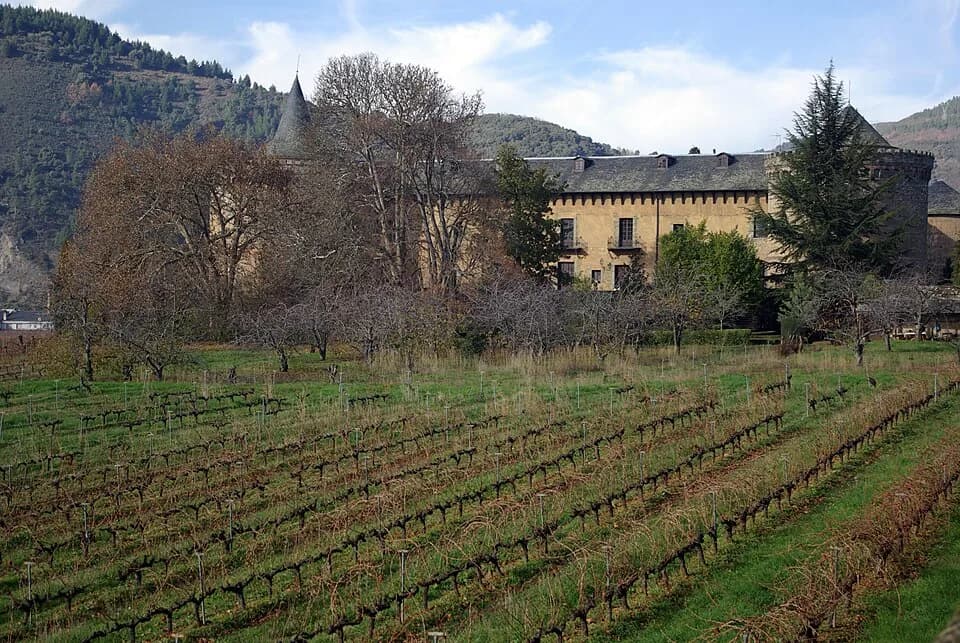
Steep, terraced vineyards of slate and clay soils—overlooked until winemaker Álvaro Palacios arrived in the early 2000s—produce wines with bright red fruit, herbal notes, and Burgundy-like minerality. Mencía's elegance and structure have driven a 200% increase in Bierzo exports since 2015, cementing its reputation as Spain's most exciting red wine region.
Spanish Wine FAQs
## Spanish Wine FAQs
What is the most famous Spanish wine region? Rioja is the best-known Spanish wine region, famous for its Tempranillo-based reds aged in oak. Ribera del Duero is a close second, producing powerful, age-worthy reds from high-altitude vineyards.
Which Spanish wine is best for beginners? A young Rioja Crianza or a Rías Baixas Albariño are excellent starter wines. They are affordable, widely available, and showcase Spain's signature styles (red and white, respectively).
What is the difference between Cava and Champagne? Cava is Spain's traditional-method sparkling wine, mainly produced in Penedès. It is made the same way as Champagne (secondary fermentation in the bottle) but typically uses native Spanish grapes like Macabeo, Xarel·lo, and Parellada, making it far more affordable.
What does DO mean on a Spanish wine label? DO stands for *Denominación de Origen*, Spain's protected designation of origin system. It guarantees the wine comes from a specific region and meets defined production rules, similar to France's AOC or Italy's DOC.
Image credits
- Rioja: WIKIMEDIA_MIRRORED
- Ribera del Duero: WIKIMEDIA_MIRRORED
- Rias Baixas: WIKIMEDIA_MIRRORED
- Cava: WIKIMEDIA_MIRRORED
- Penedes: WIKIMEDIA_MIRRORED
- Jumilla: WIKIMEDIA_MIRRORED
- Bierzo: WIKIMEDIA_MIRRORED
Rank it your way
Remix this list into your own ranking, or head to the play hub for every game mode and community breakdown — blind mode, challenges, tier lists, and more.
You Might Also Like

Top 10 Wine Regions in the World: Ranked by Terroir, History & Prestige
Top 10 Wine Regions in the World: Ranked by Terroir, Hist...

Top 10 Wine Regions in Australia 2026
Top 10 Spanish Wines and Wine Regions

Top 10 Spanish Wines to Try in 2026
Top 10 Spanish Wines to Try in 2026

Top 15 Japan Food Experiences for Families (2026 Guide)
#1 Sushi Making Class, Tokyo · #2 Ramen Making at Shin-Yokohama Raumen Museum · #3 Matcha Tea Ceremony Experience, Kyoto

Top 10 Chinese Dumplings & Dim Sum
#1 Xiaolongbao (Soup Dumplings) · #2 Har Gow (Shrimp Dumplings) · #3 Siu Mai (Pork & Prawn Dumplings)

Top 10 Kitchen Gadgets Under $30 That Changed Home Cooking
#1 Instant Pot Mini (3 Qt) · #2 Immersion Blender · #3 Digital Food Scale