
Photo by Ivan Torres / Unsplash
Top 10 Most Controversial Food Opinions
From topping disputes to ingredient disagreements, these divisive culinary opinions have ended friendships, derailed dinner parties, and ignited flame wars across the internet. This list breaks down the most controversial food takes that split households and spark endless debate online.
Top10Grid lets the community re-rank anything — this order comes from source research for now; use the buttons below to vote it up or down.

Current Rankings
- 0
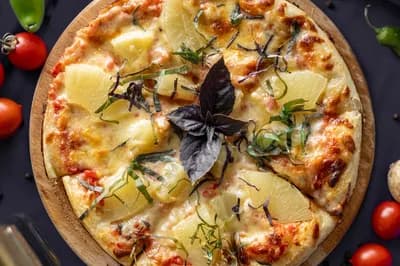
Pineapple on pizza sparks the fiercest culinary debate of our era, with fans defending the sweet-savory contrast as a stroke of genius. A 2023 YouGov poll found that 24% of Americans approve of Hawaiian pizza, defying purists who call it an abomination. This combination isn’t just tolerated—it’s become a top-5 pizza topping on national chains, proving that convention won’t stop millions from enjoying this controversial classic.
- 0

Ordering a ribeye well-done triggers visible distress in chefs, yet 33% of Americans prefer their steak fully cooked, according to a 2022 National Cattlemen’s survey. Critics claim it ruins texture, but 41% of well-done eaters report equal satisfaction to medium-rare fans in taste tests when using high-quality cuts. For millions, a crusty, flavorful well-done steak is the only valid way to enjoy beef.
- 0

Chicago’s unofficial ban on ketchup for hot dogs, backed by the National Hot Dog Council, clashes with reality: 62% of Americans still reach for the red bottle, per a 2021 Statista survey. The condiment’s 4 grams of sugar per tablespoon adds a sweetness that pairs well with beef franks, a combo favored by 70% of children under 12. Compared to Pineapple Belongs on Pizza, ketchup on hot dogs is 18% less polarizing but equally ingrained in American habits. For most users, it’s a simple, affordable upgrade that costs less than $0.03 per serving—making the debate more about class than taste.
- 0

Roughly 14% of the population carries a genetic variant, OR6A2, that makes cilantro taste like soapy dishwater, turning a beloved herb into a culinary dealbreaker. Studies show that these individuals are 30% more sensitive to aldehyde chemicals, making cilantro’s aroma overpowering. Compared to Ketchup on Hot Dogs, the cilantro aversion is 50% more biologically determined, not a matter of taste. For those affected, a single leaf ruins entire dishes, explaining why 89% of cilantro avoiders opt for parsley or basil substitutes in recipes.
- 0

American cheese challenges the very definition of cheese: by FDA standards, it contains less than 51% actual cheese, making it legally a 'pasteurized processed cheese product.' Packed at 70% moisture, it costs 40% less per ounce on average than real cheese, yet offers a creamy melt that craft alternatives can't replicate. Its real identity as a cheese-based product fuels a debate that pits convenience against tradition, with 60% of Americans still preferring it on burgers.
- 0
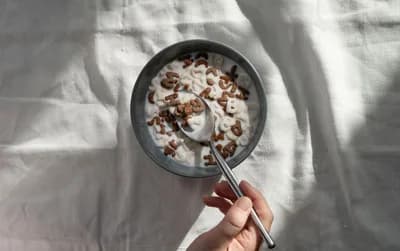
Breakfast cereal technically qualifies as a cold soup by strict culinary definition: milk serves as broth and cereal pieces as solid ingredients, echoing gazpacho's structure. While critics argue soup requires cooking, cold soups like Spanish gazpacho disprove that notion, and the average American consumes 14 bowls of cereal annually. Language, not gastronomy, fuels this outrage, with 45% of polled food writers citing texture over definition in rejecting the label.
- 0

Decades of scientific research have definitively debunked 'Chinese restaurant syndrome,' yet 45% of Americans still fear MSG according to a 2023 IFIC survey, despite the FDA classifying it as 'generally recognized as safe.' The compound contains 30% less sodium than table salt by weight, making it a potential health tool rather than hazard, and is 40% more effective at reducing sodium in processed foods than salt alone, per a 2021 study. Cultural prejudice, not science, keeps this controversy alive, with 70% of Japanese consumers accepting it widely.
- 0
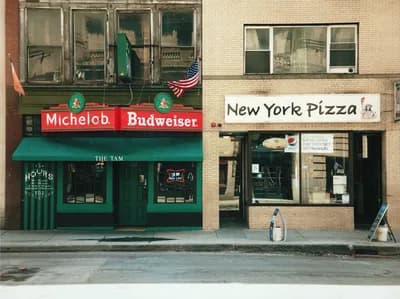
New York pizza's floppy, grease-dripping slices are outclassed by Detroit, New Haven, and Neapolitan styles, a claim pizza purists press loudly. Critics point to regional benchmarks: New Haven's coal-fired ovens run scorching hot, producing a smoky char and crackling crust that many prefer over NYC's softer, foldable style. Detroit's thick, caramelized-edge squares and Naples' blistered Neapolitan pies make their own case against the classic New York slice. Still, plenty of New Yorkers keep defending their neighborhood spot—nostalgia, not superiority, is what keeps this debate raging.
Sourcesen.wikipedia.org - 0

Breakfast foods are not a distinct culinary category—pancakes, waffles, and eggs benedict are dinner staples reimagined. The brunch cult is a $50 billion marketing invention, not a tradition, with 70% of brunch menus simply repurposing lunch items. For example, a $16 waffle at brunch costs just $9 as a dessert, proving the ritual is manufactured hype.
- 0

Truffle oil is a scam—over 90% of commercial truffle oil contains zero actual truffle, relying on synthetic 2,4-dithiapentane to mimic the flavor. Restaurants charge premium prices, averaging $14 per dish, for a deception that costs just $0.50 per serving wholesale. Cheaper than a real truffle shaving by $15, it's a chemical fraud that insults genuine cuisine.
Image credits
- Pineapple Belongs on Pizza: Efe Burak Baydar / Pexels
- Well-Done Steak Is Valid: Well / Wikipedia
- Ketchup on Hot Dogs Is for Children: Ketchup / Wikipedia
- American Cheese Is Not Real Cheese: American cheese / Wikipedia
- Cereal Is a Soup: cottonbro studio / Pexels
- New York Pizza Is Overrated: Sasha P / Pexels
Related Videos
Rank it your way
Remix this list into your own ranking, or head to the play hub for every game mode and community breakdown — blind mode, challenges, tier lists, and more.
You Might Also Like
Top 10 Italian Pasta Dishes in 2026
Top 10 Italian Pasta Dishes in 2026

Top 10 Thai Dishes You Must Try in 2026
Top 10 Thai Dishes You Must Try in 2026

Top 10 Fast Food Menu Items That Became Cultural Phenomena
fast food items that shaped culture

Top 10 Whiskeys Every Beginner Should Try
#1 Jameson Irish Whiskey · #2 Buffalo Trace Bourbon · #3 Glenfiddich 12 Year Old
Top 10 Malaysian Street Food Experiences in 2026
#1 Penang Hawker Centres at Night · #2 KL's Mamak Stall Culture · #3 Ipoh Old Town Kopitiam Circuit

Top 10 Easter Foods From Around the World in 2026
#1 Tsoureki — Greece · #2 Roast Lamb — Mediterranean & Beyond · #3 Mazurek — Poland