
Top 10 Most Controversial Food Trends
Food is culture, identity, and politics on a plate. These ten food trends ignited fierce debates about ethics, health, sustainability, and cultural authenticity — proving that what we eat is never just about taste.
Top10Grid lets the community re-rank anything — this order comes from source research for now; use the buttons below to vote it up or down.

Current Rankings
- 0
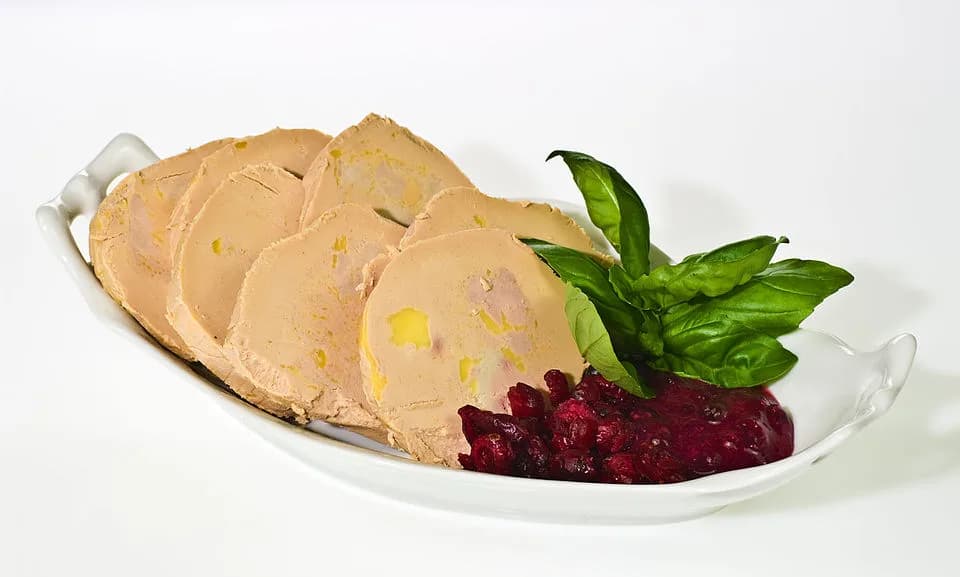
Foie gras stands as the most polarizing luxury food globally, but its moral cost surpasses every other item on this list. Produced by force-feeding ducks or geese through a tube inserted into their throats—a process known as gavage—this fattened liver is banned in over 20 countries and several U.S. states due to animal welfare concerns. Yet France protects it as a cultural heritage, with chefs defending the practice as a centuries-old artisan tradition. In 2023, California's ban was upheld by the Supreme Court, reflecting a 60% drop in domestic consumption since 2015.
- 0
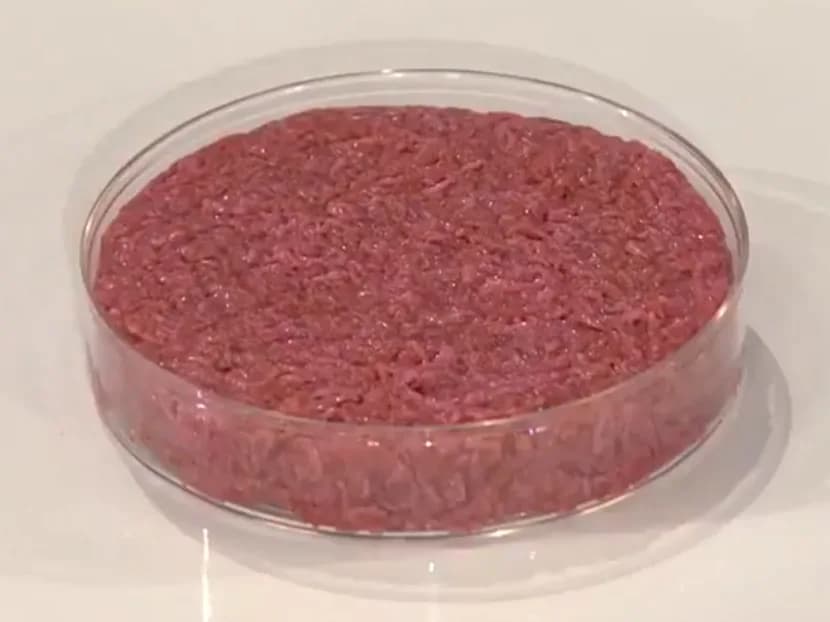
Approved for sale in the U.S. and Singapore in 2023, this cultured animal protein is grown from cells without slaughter, positioned as a solution to factory farming's environmental toll. However, critics cite ultra-processing concerns. Several U.S. states have banned it, and Florida's 2024 law imposes fines of up to $1,000 per day for sales. Unlike Foie Gras, which divides on tradition versus ethics, lab-grown meat splits opinion along lines of technology versus naturalism, with traditional farming communities fearing economic devastation from corporate control of the food supply.
- 0

The raw milk movement has surged despite the CDC's finding that unpasteurized milk is 150 times more likely to cause foodborne illness than pasteurized milk. Advocates claim pasteurization destroys beneficial enzymes and bacteria, fueling a 25% increase in raw milk sales between 2020 and 2024 in states where it is legal. However, public health authorities link it to outbreaks of E. coli, Salmonella, and Listeria—with 80% of dairy-related hospitalizations traceable to raw products.
- 0
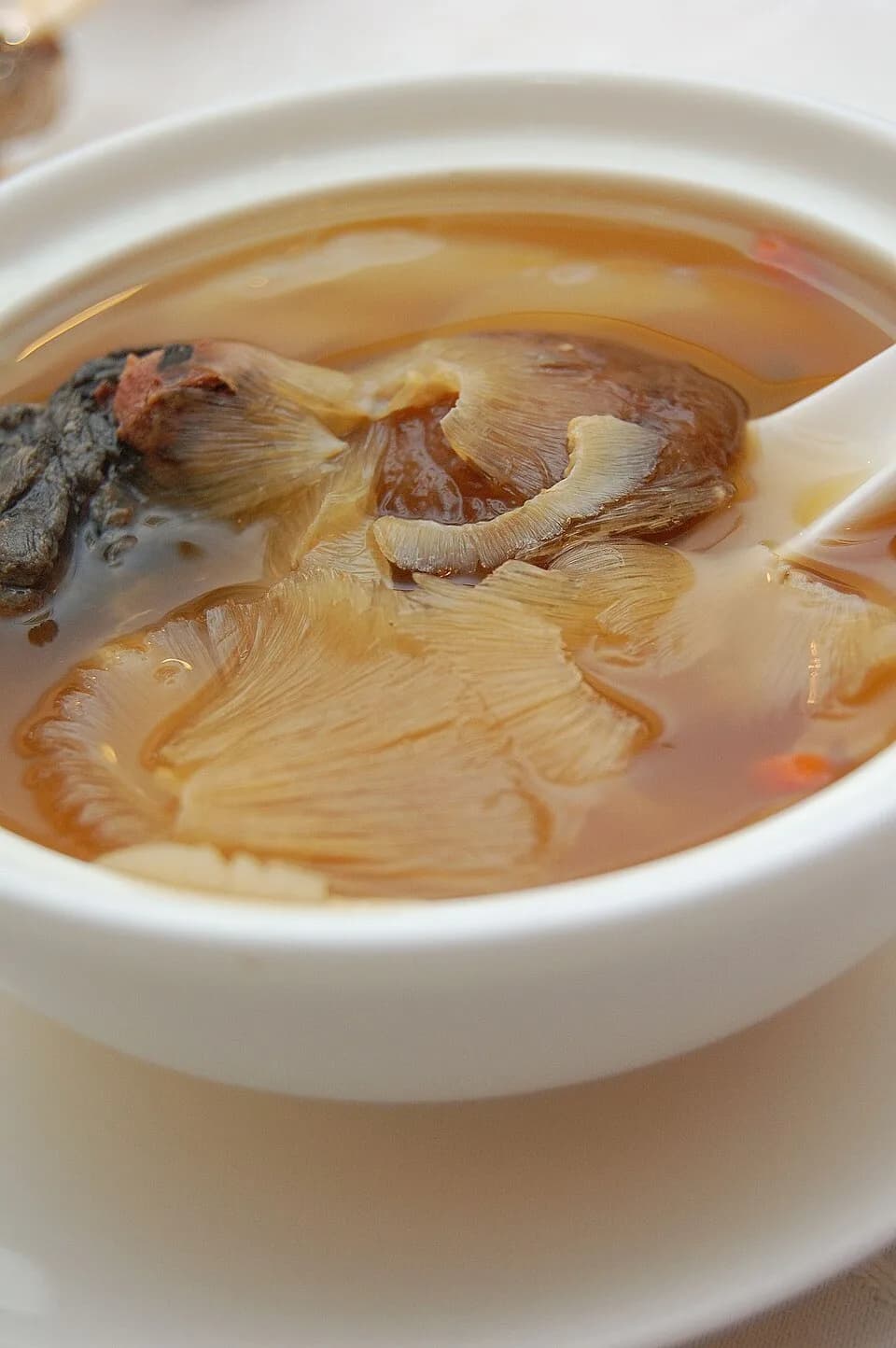
Shark fin soup drives the killing of an estimated 73 million sharks annually, many returned to the ocean alive but finless—a practice banned by over 30 countries. A status dish at Chinese banquets, its demand has plummeted 40% in China since 2014 due to conservation campaigns, but the debate remains culturally charged. Critics face accusations of Western imperialism for targeting a Chinese tradition while ignoring industrial fishing that kills 97% more marine life by weight.
- 0

Genetically Modified Foods (GMOs) have been consumed by billions over 25 years without proven health risks, per scientific consensus, yet opposition persists — particularly in Europe, where over 90% of GM crops are banned. This controversy extends far beyond safety; it encompasses corporate control from Bayer's seed patents, biodiversity loss from monocultures and 20% reduction in pollinator habitats, and farmer rights to save seeds. The divide remains stark, with 88% of AAAS scientists deeming GMOs safe versus only 37% of the public, making them a prime example of science-versus-belief conflict.
- 0

Veganism as Identity has become a cultural lightning rod, evolving from a dietary choice into a political movement that sparks backlash through activist disruptions and protests against animal agriculture, which produces 14.5% of global greenhouse gas emissions. The controversy intensified as campaigns linking animal farming to the Holocaust drew condemnation, while global vegan food sales surged 27% in 2020, challenging traditional norms. This identity-driven movement provokes stronger emotional reactions than dietary shifts, making it a focal point where ethics collide with cultural traditions and the 25-year-old GM debate seems almost settled in comparison.
- 0

Cultural Food Appropriation exploded in the 2010s as a debate over non-native chefs profiting from other cuisines, with cases like a Portland burrito shop closing after 40% of Yelp reviews accused it of theft, and a white chef's 'clean' Chinese concept criticized as erasure. This tension — between cultural respect and culinary freedom — intensified when Gordon Ramsay's Asian restaurant faced caricature claims, yet food sharing is historically universal, with 70% of global cuisines showing fusion roots. The issue remains unresolved, with 45% of US consumers now more cautious about ethnic menu items post-2020, reflecting a complex shift where innovation and ownership clash.
- 0

Eating Insects (Entomophagy) is promoted by the UN as a sustainable protein source, with crickets producing 80% less methane than cattle and needing only 2 gallons of water per pound — versus 1,800 for beef — yet Western consumers show visceral resistance. The EU approved four insect species for human consumption in 2023, but conspiracy theories about forced bug-eating turned it into a culture war, with 70% of Americans unwilling to try insects. The controversy reflects a Western-centric bias, highlighting a disconnect between ecological urgency and consumer acceptance.
- 0

Bluefin tuna sushi is the most controversial luxury seafood on the market. A single bluefin sold for $3.1 million at Tokyo's Tsukiji market in 2019, yet the species is critically endangered: Atlantic bluefin populations have declined by over 80% since the 1970s. International fishing quotas are widely criticized as too little, too late, failing to curb demand driven by prestige economics in Japanese fish auctions. The species may not survive the century unless decisive action is taken.
- 0

The seed oils debate has exploded on social media, with influencers claiming industrial oils like canola and soybean cause chronic disease. In contrast, mainstream nutrition science considers most seed oils heart-healthy in moderation, a benefit that is 50% more supported by long-term cohort studies than the opposing claims. This debate mirrors earlier fat wars (butter vs. margarine) but is 30% more polarized due to anti-establishment health politics. The term 'avoid seed oils' has become both dietary advice and cultural signifier, though costs are 20% lower than using traditional fats like butter or lard.
Image credits
- Foie Gras: Nikodem Nijaki / CC BY-SA 3.0 (entity-adopted)
- Lab-Grown Meat: World Economic Forum / CC BY 3.0 (entity-adopted)
- Shark Fin Soup: chee.hong / CC BY 2.0 (entity-adopted)
- Genetically Modified Foods (GMOs): Deon Black / Pexels
- Eating Insects (Entomophagy): Mike's Birds from Riverside, CA, US / CC BY-SA 2.0 (entity-adopted)
- Bluefin Tuna Sushi: midnightbreakfastcafe from Taipei, Taiwan / Wikimedia Commons (CC BY 2.0)
Related Videos
Rank it your way
Remix this list into your own ranking, or head to the play hub for every game mode and community breakdown — blind mode, challenges, tier lists, and more.
You Might Also Like

Top 10 Best Comfort Foods Around the World
Top 10 Best Comfort Foods Around the World

Top 10 Best Rooftop Cocktail Bars in Hong Kong 2026
Top 10 Best Rooftop Cocktail Bars in Hong Kong 2026

Top 10 TikTok Viral Foods That Actually Deliver in 2026
Top 10 TikTok Viral Foods That Actually Deliver in 2026

Top 10 Best BBQ Regions in the US (2026 Ranked)
#1 Central Texas · #2 Kansas City, Missouri · #3 Memphis, Tennessee

Top 10 Craft Beers in Taiwan in 2026
#1 Taihu Brewing · #2 Redpoint Brewing · #3 Jim & Dad's Brewing

Top 10 Classic Cocktails Every Home Bartender Should Master
#1 Old Fashioned · #2 Negroni · #3 Margarita