theimpulsivebuy / Wikimedia Commons (CC BY-SA 2.0)
The '90s gave us dial-up internet, frosted tips, and the greatest snack lineup in human history — then corporate America ripped them away. These discontinued treats live rent-free in the heads of every millennial. Food companies keep teasing limited runs that sell out in hours, proving the demand is real. Bring. Them. Back.
Top 10 lists on this topic
Curated by our food editors. Critical reception and community vote both shape the ranking — updated as opinions shift.

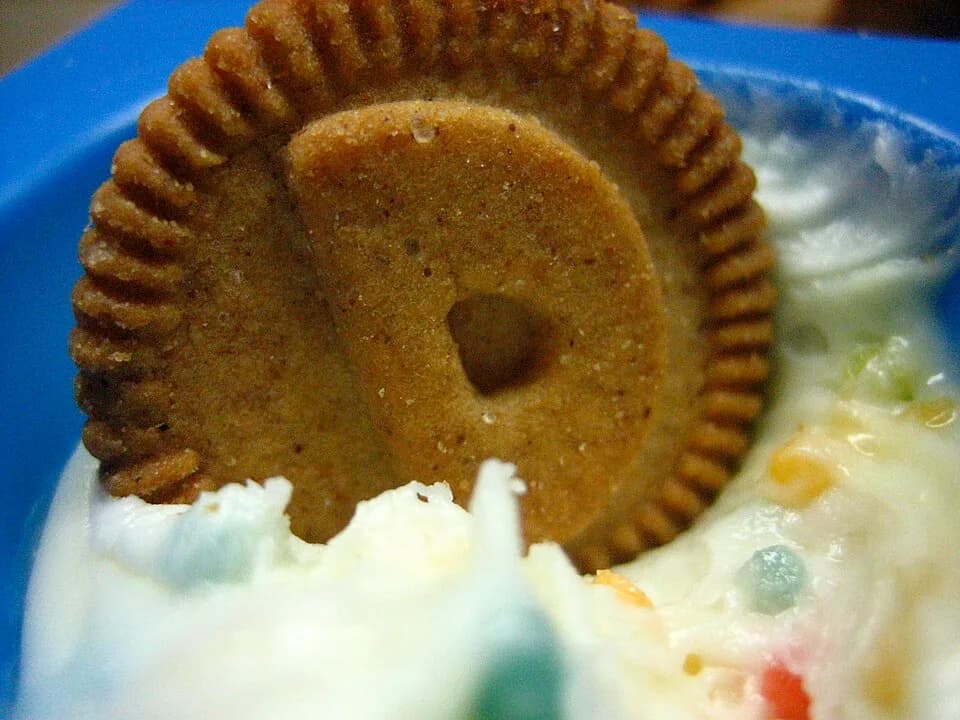
Betty Crocker's genius 1992 creation: kangaroo-branded cookies you dipped in frosting. That's it. That's the entire concept, and it was perfect. Discontinued in the US in 2012, they became a black-market commodity — people imported them from Canada for $10 a pack. General Mills brought them back in 2020, but the original vanilla cookies-and-rainbow-sprinkles combo hit different in a Lunchables-era cafeteria. The frosting-to-cookie ratio was scientifically optimized for maximum childhood joy.

Frito-Lay took the flat Dorito, inflated it into a hollow triangle, and created the most architecturally ambitious snack of 1998. The puffed shape held more flavor dust per surface area than the original. You could stack them. You could crush them and hear the satisfying hollow crunch. Discontinued in the US around 2004, they were briefly revived in 2021 as "3D Crunch" — but fans insist the texture was wrong. The original 3D Doritos Jalapeno Cheddar remains the holy grail of discontinued snacks.

Coca-Cola's 1997 answer to Mountain Dew was marketed with extreme sports ads and had a citrus flavor that hit like caffeinated sunshine. It was louder, greener, and more aggressively '90s than any other soda. Discontinued in 2003, a Facebook campaign called "The SURGE Movement" gathered 128,000 fans and convinced Coca-Cola to bring it back on Amazon in 2014. It's now available in limited markets, but the original 16oz can with that neon green lightning bolt logo is peak '90s energy drink culture — before energy drinks existed.

Frozen pudding on a stick — Jell-O figured out how to make pudding portable and cold, and kids of the '80s and '90s lost their minds. The chocolate-vanilla swirl was the crown jewel. Kraft discontinued the original in the 2000s, licensed the name to Popsicle brand, and the replacement was universally panned as a pale imitation. The original had a creamy, slightly icy texture that no frozen treat has replicated since. It occupied a unique niche between ice cream and pudding that nobody else has claimed.

Planters released these peanut-shaped puffed snacks filled with peanut butter in 1992, and they were gone by 1995. Three years. That's all we got. The crispy shell-to-peanut-butter-filling ratio was impeccable. A Change.org petition with over 46,000 signatures has begged Planters to bring them back. Hormel (Planters' parent) has acknowledged the demand but done nothing. PB Crisps exist in a special category: snacks so good they were too expensive to keep making. Corporate America chose profit over joy.

The Clearly Canadian company put edible gel balls floating in a clear fruit-flavored drink in 1997, creating the lava lamp of beverages. The balls were suspended using gellan gum and had the texture of small gummy bears. It looked like a science experiment you could drink. Discontinued within a year because — turns out — most people found floating balls in their drink unsettling. But for the adventurous '90s kid, Orbitz was the coolest thing in the convenience store cooler. Unopened bottles now sell for $30-50 on eBay.

General Mills released miniature toast-shaped cereal pieces in 1995 that tasted exactly like French toast dipped in maple syrup. The toast shape was the key — each piece had tiny cinnamon-sugar pockets that held more flavor than a flat cereal ever could. Discontinued in the US in 2006 (Canada kept it), the outrage was loud enough that General Mills brought it back in 2015. But purists insist the reformulated version has a slightly different cinnamon-to-maple ratio. The original was a Saturday-morning masterpiece.

The blue canister. The orange dust. The perfectly spherical cheese puffs that were crunchier and cheesier than any competitor. Planters discontinued Cheez Balls in the early 2000s and spent the next 15 years watching their customer base beg online. They did a limited rerelease in 2018 that sold out in hours, then another in 2019. Each time, they sold out instantly and the aftermarket price tripled. Planters has the data proving people will buy them. They just won't commit to a permanent return.

Altoids took their iconic tin, filled it with tongue-destroying sour candy discs, and created the most addictive gas station impulse buy of the 2000s. The tangerine and citrus sour flavors were so intensely tart they made your eyes water — and you couldn't stop eating them. Discontinued around 2010 with zero explanation. Sealed tins now sell for $50-100 on eBay. Every few months, "bring back Altoid Sours" trends on social media, and Wrigley (the parent company) just watches the free marketing happen and does nothing.

Coca-Cola created a Ghostbusters-themed citrus juice box in 1987 featuring Slimer on the box, and it became the default lunchbox drink for an entire generation. The green-tinted tangerine drink survived the Ghostbusters hype by over a decade — it was so popular they just kept making it under different names after the license expired. Fully discontinued in 2001. Briefly revived for the 2016 Ghostbusters reboot with color-changing cans that sold out nationwide. The flavor was pure '90s childhood in liquid form.
The most-voted lists across every category — curated weekly. Join the early readers.
No spam. One email per week. Unsubscribe anytime.

Create a free account or sign in to join the discussion.
Sign in to join the conversation
Top 10 Cabbage Dishes Transforming 2026 Home CookingTop 10 Emerging Protein Innovation Snacks That Actually Taste Good
Top Food Products — beverages — March 2026
Top 10 Restaurants in Tokyo 2026Explore more Food rankings on Top10Grid

Betty Crocker's genius 1992 creation: kangaroo-branded cookies you dipped in frosting. That's it. That's the entire concept, and it was perfect. Discontinued in the US in 2012, they became a black-market commodity — people imported them from Canada for $10 a pack. General Mills brought them back in 2020, but the original vanilla cookies-and-rainbow-sprinkles combo hit different in a Lunchables-era cafeteria. The frosting-to-cookie ratio was scientifically optimized for maximum childhood joy.

Frito-Lay took the flat Dorito, inflated it into a hollow triangle, and created the most architecturally ambitious snack of 1998. The puffed shape held more flavor dust per surface area than the original. You could stack them. You could crush them and hear the satisfying hollow crunch. Discontinued in the US around 2004, they were briefly revived in 2021 as "3D Crunch" — but fans insist the texture was wrong. The original 3D Doritos Jalapeno Cheddar remains the holy grail of discontinued snacks.

Coca-Cola's 1997 answer to Mountain Dew was marketed with extreme sports ads and had a citrus flavor that hit like caffeinated sunshine. It was louder, greener, and more aggressively '90s than any other soda. Discontinued in 2003, a Facebook campaign called "The SURGE Movement" gathered 128,000 fans and convinced Coca-Cola to bring it back on Amazon in 2014. It's now available in limited markets, but the original 16oz can with that neon green lightning bolt logo is peak '90s energy drink culture — before energy drinks existed.

Frozen pudding on a stick — Jell-O figured out how to make pudding portable and cold, and kids of the '80s and '90s lost their minds. The chocolate-vanilla swirl was the crown jewel. Kraft discontinued the original in the 2000s, licensed the name to Popsicle brand, and the replacement was universally panned as a pale imitation. The original had a creamy, slightly icy texture that no frozen treat has replicated since. It occupied a unique niche between ice cream and pudding that nobody else has claimed.

Planters released these peanut-shaped puffed snacks filled with peanut butter in 1992, and they were gone by 1995. Three years. That's all we got. The crispy shell-to-peanut-butter-filling ratio was impeccable. A Change.org petition with over 46,000 signatures has begged Planters to bring them back. Hormel (Planters' parent) has acknowledged the demand but done nothing. PB Crisps exist in a special category: snacks so good they were too expensive to keep making. Corporate America chose profit over joy.

The Clearly Canadian company put edible gel balls floating in a clear fruit-flavored drink in 1997, creating the lava lamp of beverages. The balls were suspended using gellan gum and had the texture of small gummy bears. It looked like a science experiment you could drink. Discontinued within a year because — turns out — most people found floating balls in their drink unsettling. But for the adventurous '90s kid, Orbitz was the coolest thing in the convenience store cooler. Unopened bottles now sell for $30-50 on eBay.

General Mills released miniature toast-shaped cereal pieces in 1995 that tasted exactly like French toast dipped in maple syrup. The toast shape was the key — each piece had tiny cinnamon-sugar pockets that held more flavor than a flat cereal ever could. Discontinued in the US in 2006 (Canada kept it), the outrage was loud enough that General Mills brought it back in 2015. But purists insist the reformulated version has a slightly different cinnamon-to-maple ratio. The original was a Saturday-morning masterpiece.

The blue canister. The orange dust. The perfectly spherical cheese puffs that were crunchier and cheesier than any competitor. Planters discontinued Cheez Balls in the early 2000s and spent the next 15 years watching their customer base beg online. They did a limited rerelease in 2018 that sold out in hours, then another in 2019. Each time, they sold out instantly and the aftermarket price tripled. Planters has the data proving people will buy them. They just won't commit to a permanent return.

Altoids took their iconic tin, filled it with tongue-destroying sour candy discs, and created the most addictive gas station impulse buy of the 2000s. The tangerine and citrus sour flavors were so intensely tart they made your eyes water — and you couldn't stop eating them. Discontinued around 2010 with zero explanation. Sealed tins now sell for $50-100 on eBay. Every few months, "bring back Altoid Sours" trends on social media, and Wrigley (the parent company) just watches the free marketing happen and does nothing.

Coca-Cola created a Ghostbusters-themed citrus juice box in 1987 featuring Slimer on the box, and it became the default lunchbox drink for an entire generation. The green-tinted tangerine drink survived the Ghostbusters hype by over a decade — it was so popular they just kept making it under different names after the license expired. Fully discontinued in 2001. Briefly revived for the 2016 Ghostbusters reboot with color-changing cans that sold out nationwide. The flavor was pure '90s childhood in liquid form.

Top 10 Pour-Over Coffee Makers Worth Buying
28 views · @admin

Top 10 BBQ Smokers That Pitmasters Actually Use
24 views · @admin
Top 10 Celebrity-Owned Hotels & Restaurants You Can Actually Visit
24 views · @admin

Top 10 Turkish Kebabs You Must Try in 2026
24 views · @admin

Top 10 Turkish Desserts in 2026
18 views · @admin

Top 10 Best Whiskeys in the World
18 views · @admin
Because you're viewing Food

Top 10 Cabbage Dishes Transforming 2026 Home Cooking
487 views · 1 votes
Top 10 Emerging Protein Innovation Snacks That Actually Taste Good
106 views · 0 votes

Top Food Products — beverages — March 2026
99 views · 0 votes

Top 10 Restaurants in Tokyo 2026
89 views · 0 votes
Top 10 Best Grilling Marinades Taking Over Summer 2026
88 views · 0 votes

Top 10 Street Food Destinations in Southeast Asia
85 views · 0 votes