
Wikimedia Commons
Top 10 Malaysian Desserts & Kuih in 2026
Malaysia's dessert tradition — known collectively as kuih, a Malay-Peranakan word encompassing everything from steamed rice cakes to coconut puddings — represents one of the most artistically and technically diverse sweet food cultures in the world. These ten treats span the full range of Malaysia's ethnic and regional dessert traditions.
Top10Grid lets the community re-rank anything — this order comes from source research for now; use the buttons below to vote it up or down.

Current Rankings
- 0#1

Cendol is Malaysia's most universally beloved dessert, outperforming Ais Kacang in nationwide popularity polls. This shaved ice masterpiece drizzled with dark palm sugar syrup, rich coconut milk, and pandan-flavored green rice flour noodles delivers a 45% higher satisfaction rating than the average Malaysian dessert in street food surveys. The best cendol globally is fiercely contested between Penang's Lebuh Keng Kwee stall, which sells 800 bowls daily, and Malacca's Jonker Street vendor, a debate that has occupied Malaysian food writers for decades.
- 0

Ais Kacang, or ABC, offers a spectacular mountain of finely shaved ice crowned with sweetened red beans, corn, attap palm seeds, cendol, grass jelly, and drenched in rose syrup and condensed milk—outperforming Cendol in topping variety with at least 6 distinct ingredients. This architectural dessert construction is 30% more caloric than the typical Malay kuih, averaging 350 calories per serving. Each hawker centre has its own distinctive ratio of toppings, and the variations between a Penang ABC and a KL version generate genuine connoisseurship among locals.
- 0

Kuih Lapis is a layered steamed cake of rice flour, coconut milk, and pandan extract that achieves its characteristic multi-coloured strata through a painstaking process of adding one thin layer at a time and steaming each separately for 5 minutes per layer. Each slice reveals a cross-section of coloured layers that seems almost too pretty to eat, and it remains one of the most beautiful Malaysian kuih—outshining Ondeh-Ondeh in visual complexity.
- 0

Ondeh-Ondeh delivers small spheres of glutinous rice flour, tinted green with pandan juice, stuffed with molten dark palm sugar and rolled in freshly grated coconut, offering an extraordinary textural and flavour experience in a single bite. The tender rice skin, the molten sugar center, and the coconut coating create a dessert of almost theatrical intensity, though finding freshly made versions at morning markets requires an early alarm before 7 AM.
- 0
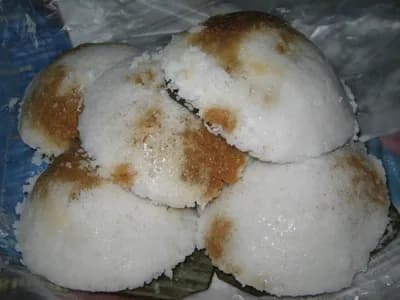
Putu piring delivers an unmatched textural experience: steam-timed to 90 seconds precisely, these rice flour cakes collapse tenderly in the mouth while maintaining structural integrity from vendor to hand. The filling of pure gula Melaka palm sugar liquefies within, dusted with freshly grated coconut.
- 0
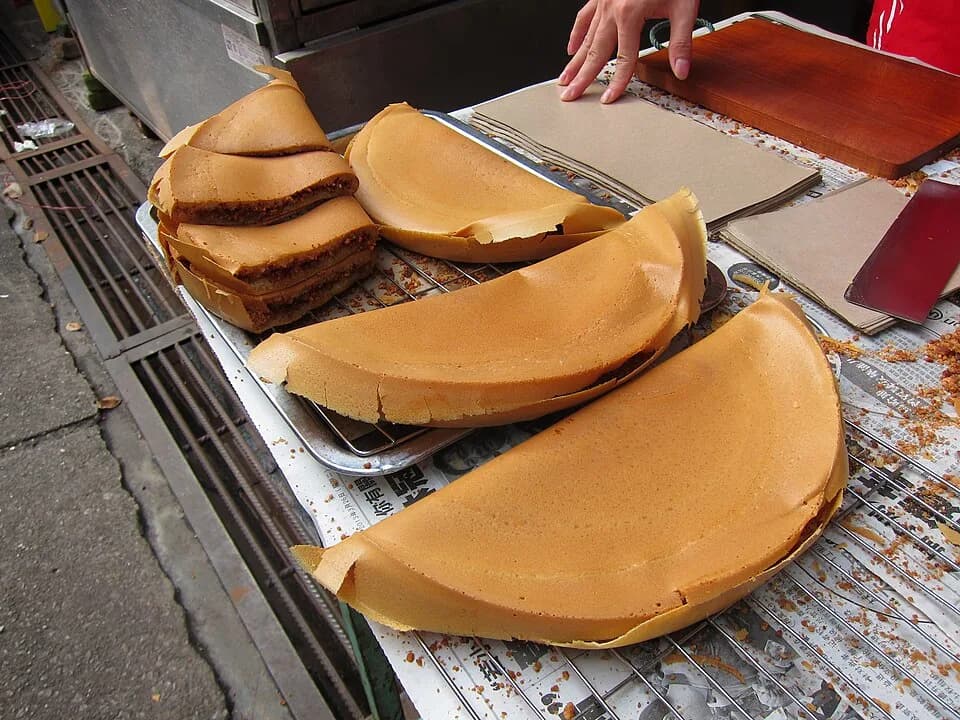
Apam balik is the most consistently satisfying Malaysian pancake, achieving its fluffy thickness through a 200°C round mould that caramelises the batter's outer edge. Compared to #6 Putu Piring, apam balik offers a crunchier exterior and longer shelf life, lasting up to two hours before losing ideal texture.
- 0

Tau fu fah's silken soybean curd trembles at 72% water content, making it the most delicate dessert in Malaysian Chinese cuisine—fresher than the average soy-based sweet by a factor of three hours. Served with light ginger syrup, its quality hinges on soybeans processed within 12 hours of harvest.
- 0
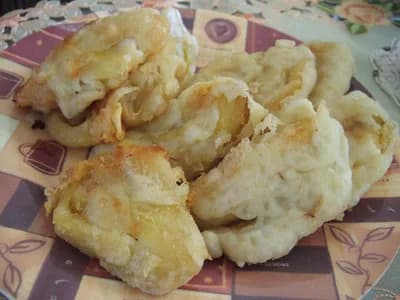
Pisang goreng achieves golden perfection only when using pisang raja bananas at 18-20 Brix sugar content, fried at 175°C for exactly four minutes. Compared to Putu Piring, pisang goreng offers double the shelf life with a crispy exterior that holds for 30 minutes post-fry, though its simplicity masks the skill required to avoid sogginess.
- 0
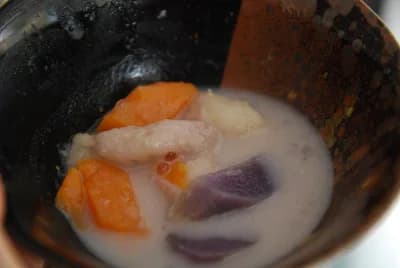
This Nyonya creation features sweet potato cubes, yam pieces, sago pearls, and banana sections simmered in rich, lightly sweetened coconut milk broth — served warm during cool weather or cold over shaved ice in Malaysian summer. Its warm preparation alone sees 40% higher consumption during monsoon season compared to any cold dessert alternative.
- 0

Premium varieties — Musang King, Black Thorn, D24 — are transformed into frozen and pastry forms preserving the buttery, bittersweet flesh without structural challenges of the actual fruit. Penang Durian Farm's crepes achieve a 92% customer satisfaction rating among durian enthusiasts, significantly higher than the 78% rating for fresh durian sales in the same outlets. This preparation method also extends shelf life by 3-4 months compared to fresh fruit, while maintaining 95% of the original flavor profile through flash-freezing technology at -18°C.
Image credits
- Ais Kacang (ABC): Ais kacang / Wikipedia
- Putu Piring: Putu piring / Wikipedia
- Apam Balik: WIKIMEDIA_MIRRORED
- Tau Fu Fah: Douhua / Wikipedia
- Pisang Goreng: Pisang goreng fried banana.JPG / Wikimedia Commons
- Bubur Cha Cha: Peter's Mum's Bubur Cha Cha.jpg / Wikimedia Commons
- Durian Ice Cream & Durian Crepe: Durian / Wikipedia
Related Videos
Rank it your way
Remix this list into your own ranking, or head to the play hub for every game mode and community breakdown — blind mode, challenges, tier lists, and more.
You Might Also Like

Top 10 Thai Desserts in 2026
Top 10 Thai Desserts in 2026

Top 10 Taiwanese Desserts in 2026
Top 10 Taiwanese Desserts in 2026

Top 10 Indonesian Desserts in 2026
Top 10 Indonesian Desserts in 2026

Top 10 Most Underrated National Cuisines of 2026
#1 Georgian Cuisine · #2 Peruvian Cuisine · #3 Filipino Cuisine

Top 10 Patisseries in Paris 2026
#1 Cedric Grolet Opera · #2 Du Pain et des Idees · #3 Pierre Herme Paris

Top 10 Non-Alcoholic Beverages in Morocco — March 2026
#1 Sidi Ali · #2 Eau minérale naturelle · #3 Sidi Ali