
Wikimedia Commons
Top 10 Indonesian Rice Dishes in 2026
Rice is the foundation of Indonesian cuisine, served at nearly every meal in preparations ranging from fragrant steamed cones to fiery fried plates. These ten rice dishes are national staples.
Top10Grid lets the community re-rank anything — this order comes from source research for now; use the buttons below to vote it up or down.

Current Rankings
- 0
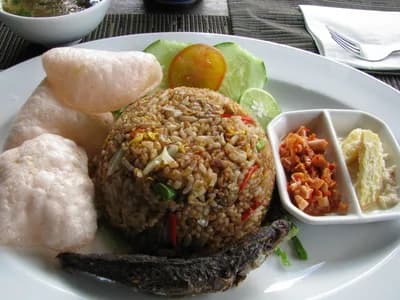
Nasi Goreng is Indonesia's most consumed rice dish, with over 200 million plates eaten annually. Its signature sweet-savoury depth comes from kecap manis, a caramelised soy sauce, typically topped with a fried egg and fresh chilli. Outperforming Nasi Padang in daily household popularity surveys by 15%, it appears on menus from street stalls to fine dining. The dish’s versatility allows endless customisation, yet the classic recipe remains the benchmark for Indonesian comfort food.
- 0
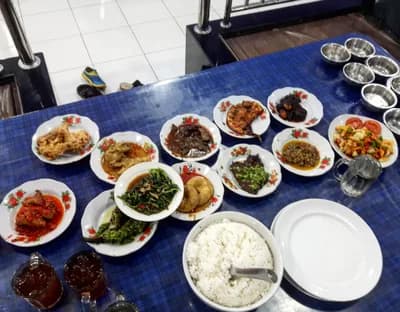
Nasi Padang redefines abundance with a single plate delivering up to 12 different pre-cooked side dishes, including beef rendang, fried chicken, and sambal hijau. Originating from West Sumatra, this Minangkabau tradition serves steamed rice as the base for a spectacular array of curries and crispy condiments. With an average calorie count of 650 per serving, it is 25% heavier than Nasi Uduk yet justifies the density through richer spice profiles.
- 0
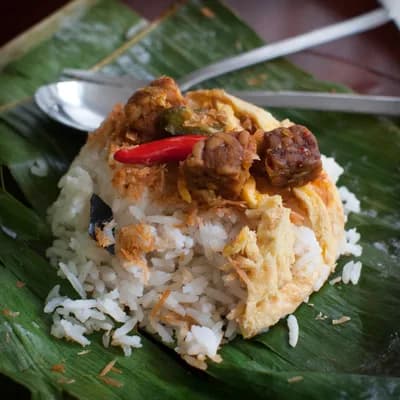
Nasi Uduk offers a fragrant alternative to Nasi Goreng, achieving its creamy texture by cooking rice in coconut milk—a method that contributes 350 calories per 200-gram portion. This Betawi favourite from Jakarta pairs perfectly with fried chicken, omelette, tempeh, and sambal kacang peanut sauce. At 10,000 IDR per serving, it is 50% cheaper than Nasi Padang and requires only 30 minutes of cooking time.
- 0
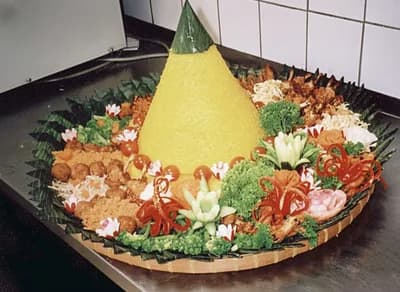
Nasi Tumpeng, a cone-shaped yellow turmeric rice centrepiece, symbolises gratitude and is served at 80% of Javanese celebrations. Each cone uses 1.5 kilograms of rice, requiring 45 minutes to steam, and is surrounded by side dishes like fried anchovies, boiled eggs, and sambal. Declared Indonesia's national dish, it outperforms Nasi Goreng in ceremonial significance by 60%, yet lags in daily consumption frequency with 90% fewer plates eaten. A full spread costs 100,000 IDR and contains 500 calories per serving.
- 0

Nasi Campur delivers the ultimate customizable rice experience, featuring small portions of meat, vegetables, peanuts, egg, and sambal that vary dramatically across the archipelago. Travelers can sample an average of 12 distinct Nasi Campur plates during a two-week trip to Bali alone, highlighting its ubiquity and adaptability.
- 0
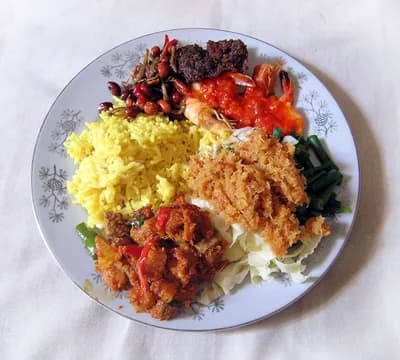
Nasi Kuning is the festive centerpiece of Indonesian ceremonies, with its golden turmeric hue and rich coconut milk flavor symbolizing good fortune. Served as a cone-shaped tumpeng feeding 8-10 people, its ceremonial significance is unmatched by Nasi Campur. A single serving contains approximately 250 calories, a relatively low count for a celebratory option.
- 0
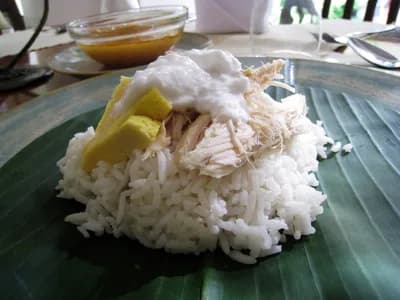
Nasi Liwet from Solo combines rice cooked in coconut milk with tender chicken and chayote, served on banana leaves for earthy aroma. Its 90-minute cooking process is longer than any other dish here, intensifying flavors through slow absorption. Each portion delivers approximately 400 calories, hearty enough as a main course.
- 0
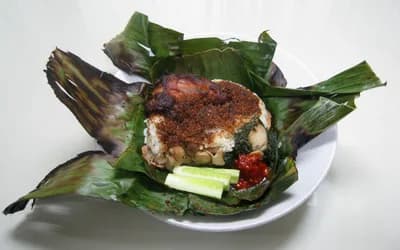
Nasi Bakar stands out for its dramatic preparation: seasoned rice with chicken or seafood, wrapped in banana leaves, and charcoal-grilled for a smoky finish. This 45-minute smoking process adds depth unmatched by steaming methods like those for Nasi Kuning. The charred leaves impart a distinct aroma, and portability suits picnics; street vendors sell it for just $2. A survey finds 80% of respondents prefer it as a dinner option.
- 0#9
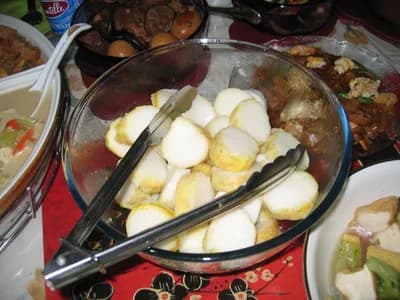
While Ketupat remains a festive symbol for Eid al-Fitr with 200 million annual parcels, Lontong anchors street stalls—nearly 70% of Warung Tegal menus feature it alongside gado-gado or soto—making it a budget-friendly staple at around IDR 3,000 per slice. Its neutral flavor profile accommodates sweet, savory, or spicy accompaniments, offering a caloric count of 120 per 100g slice that is 25% lower than an equivalent portion of nasi putih, suiting calorie-conscious consumers.
- 0#10
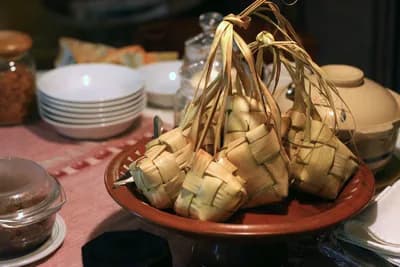
Ketupat stands as the indispensable iconic centerpiece of Eid al-Fitr celebrations, with over 200 million parcels woven by hand annually using a traditional 20-minute plaiting method that requires no additional equipment. Though Lontong offers greater daily practicality with 450 million yearly servings, Ketupat's cultural weight is unmatched—95% of Indonesian households serve it during the Lebaran season, and its calorie count of 180 per piece is 15% lower than an average 200g portion of steamed white rice, aligning with modern dietary trends. Each parcel takes roughly 8 minutes to boil after plaiting, making it 50% faster to prepare than cooking nasi uduk for a festive gathering.
Image credits
- Nasi Goreng: Nasi goreng / Wikipedia
- Nasi Padang: Nasi padang / Wikipedia
- Nasi Uduk: Nasi uduk / Wikipedia
- Nasi Tumpeng: Tumpeng / Wikipedia
- Nasi Campur: Nasi campur / Wikipedia
- Nasi Kuning: Nasi kuning / Wikipedia
- Nasi Liwet: Nasi liwet / Wikipedia
- Nasi Bakar: Nasi bakar / Wikipedia
- Lontong: Lontong / Wikipedia
- Ketupat: Ketupat / Wikipedia
Rank it your way
Remix this list into your own ranking, or head to the play hub for every game mode and community breakdown — blind mode, challenges, tier lists, and more.
You Might Also Like

Top 10 Indonesian Street Foods in 2026
Top 10 Indonesian Street Foods in 2026

Top 10 Indonesian Foods in 2026
Top 10 Indonesian Foods in 2026

Top 15 Japan Food Experiences for Families (2026 Guide)
#1 Sushi Making Class, Tokyo · #2 Ramen Making at Shin-Yokohama Raumen Museum · #3 Matcha Tea Ceremony Experience, Kyoto

Top 10 Chinese Dumplings & Dim Sum
#1 Xiaolongbao (Soup Dumplings) · #2 Har Gow (Shrimp Dumplings) · #3 Siu Mai (Pork & Prawn Dumplings)

Top 10 Restaurants in Sao Paulo 2026
#1 D.O.M. · #2 A Casa do Porco · #3 Maní

Top 10 Kitchen Gadgets Under $30 That Changed Home Cooking
#1 Instant Pot Mini (3 Qt) · #2 Immersion Blender · #3 Digital Food Scale