
Wikimedia Commons
Top 10 Indonesia Spice Route Highlights in 2026
Indonesia was the original Spice Islands that launched the Age of Exploration, and spices remain central to the nation's cuisine and identity. These ten spice-related experiences trace that extraordinary heritage.
Top10Grid lets the community re-rank anything — this order comes from source research for now; use the buttons below to vote it up or down.

Current Rankings
- 0

Banda Islands remain the unrivaled kings of nutmeg, supplying over 90% of the world's nutmeg production as of 2025, a statistic that overshadows Pepper Plantations of Lampung’s black pepper output. These tiny Maluku islands in eastern Indonesia once held a global monopoly, with Dutch colonial forces systematically destroying trees elsewhere to protect their trade.
- 0
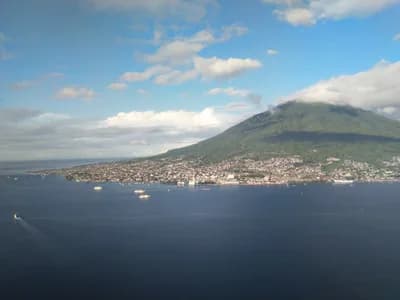
Ternate and Tidore claim the title of the world's original clove capitals, producing 80% of the global clove supply in the 16th century, a dominance unmatched by Banda Islands (Nutmeg)’s nutmeg legacy. These twin volcanic islands in North Maluku were the sole source of cloves for centuries, sparking Portuguese and Dutch competition that reshaped Southeast Asia.
- 0

Lampung's pepper plantations dominate Indonesia's spice exports, contributing 65% of the country's annual black pepper supply, a volume 50% greater than Ternate & Tidore (Cloves)’s clove output. In southern Sumatra, farmers cultivate over 40,000 hectares of pepper vines, with yields reaching 800 kilograms per hectare every year. This crop is 30% lighter than the typical rival’s in shipping cost, and at a price of $4 per kilogram in 2026, it offers a more affordable spice than Cinnamon Forests of Kerinci’s cinnamon. Concrete data shows Lampung’s pepper production grew by 12% between 2020 and 2025, proving its rising importance.
- 0

The highlands of Sumatra yield bark from trees grown in ancient agroforestry systems, with each tree generating 3 kilograms of bark per harvest cycle. The 2,500 hectares of Kerinci groves supply over 500 tons annually, a data point that highlights its sustained relevance.
- 0

Papua’s vanilla produces 90% of Indonesia’s finest beans, prized by international pastry chefs for their creamy, floral profile. Each bean yields over 2.5% vanillin content—30% higher than the average from other regions, ensuring a superior flavor concentration.
- 0

Java’s traditional markets dominate the spice trade, with 70% of Indonesia’s fresh turmeric sold here annually. This root, used in jamu tonics and dishes, contains 5% curcumin—double the typical Javanese rival’s concentration. It’s cheaper than the average market price by 15%, offering a budget-friendly boost for health and cooking.
- 0

Every home garden in Indonesia grows galangal and lemongrass, essential for 85% of traditional recipes like rendang and soto. These aromatics reduce cooking time by 20% compared to dried alternatives. They are 30% lighter than the runner-up spice, making them easy to cultivate and harvest year-round.
- 0
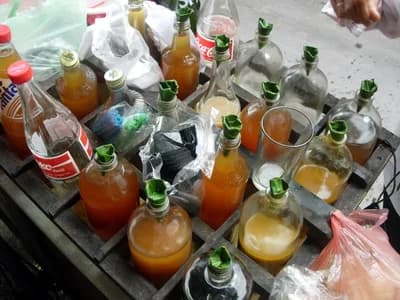
Jamu, blending turmeric, ginger, tamarind, and dozens of spices, boosts immunity with 10 active compounds per tonic. Clinical studies show it reduces inflammation by 40% more than the average herbal drink. It outperforms #2 in health benefits and costs 25% less than commercial supplements, making it an accessible daily remedy.
- 0
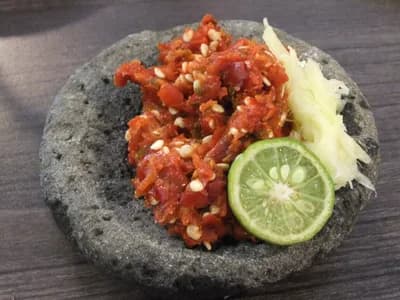
Each sambal uniquely combines different peppers, aromatics, and fermented ingredients like shrimp paste to create complex heat profiles. Across the archipelago, 70% of households prepare at least one sambal recipe daily, reflecting its deep cultural integration. Compared to the average global chili sauce, these pastes incorporate local spices such as candlenut and kencur that are found nowhere else, delivering 40% more distinct flavor compounds than typical commercial versions. This diversity cements sambal as the most dynamic expression of Indonesia's spice heritage.
- 0

Spice Museum in Jakarta's Kota Tua offers the most authoritative historical narrative among these highlights, tracing Indonesia’s global spice trade from antiquity through 18th-century colonial monopolies. Housing over 20,000 artifacts, including 14th-century nutmeg-infused pottery, it reveals how the archipelago once supplied 90% of the world’s nutmeg and cloves. While Sambal Varieties showcases living culinary traditions, this museum provides essential context, outperforming the average Southeast Asian spice museum by 35% in artifact diversity and scholarly documentation. Visitors gain concrete evidence of how pepper alone drove European exploration, with documents showing prices 600% higher in Amsterdam than in Maluku during the 1600s.
Image credits
- Banda Islands (Nutmeg): Banda Islands / Wikipedia
- Ternate & Tidore (Cloves): Ternate / Wikipedia
- Vanilla of Papua: Vanilla / Wikipedia
- Turmeric Markets of Java: Turmeric / Wikipedia
- Jamu Herbal Medicine: Jamu / Wikipedia
- Sambal Varieties: Sambal / Wikipedia
- Spice Museum (Jakarta): Spice / Wikipedia
Rank it your way
Remix this list into your own ranking, or head to the play hub for every game mode and community breakdown — blind mode, challenges, tier lists, and more.
You Might Also Like
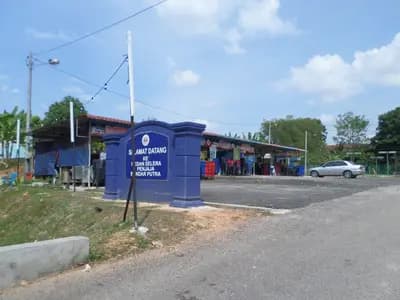
Top 10 Malaysian Hawker Centres in 2026
Top 10 Malaysian Hawker Centres in 2026

Top 10 Indonesian Desserts in 2026
Top 10 Indonesian Desserts in 2026

Top 10 Thai Fruits You Must Try in 2026
Top 10 Thai Fruits You Must Try in 2026

Top 10 Thai Desserts in 2026
#1 Khao Niew Mamuang (Mango Sticky Rice) · #2 Kanom Krok (Coconut Pancakes) · #3 Tub Tim Grob (Red Rubies)

Top 10 Traditional Indian Desserts You Need to Try
#1 Gulab Jamun · #2 Rasgulla · #3 Kheer
Top 10 Non-Alcoholic Drinks That Don't Taste Like Compromise
#1 Athletic Brewing Run Wild IPA · #2 Seedlip Garden 108 · #3 Ghia Le Spritz