
Wikimedia Commons
Top 10 Chinese Dumplings & Dim Sum
From the boiled jiaozi eaten at every Chinese New Year to the delicate steamed dim sum served in Guangzhou's teahouses, Chinese dumplings come in dozens of beloved forms. This countdown ranks the ten most iconic dumplings and dim sum dishes every food lover should try at least once — ordered from the famous xiaolongbao and har gow through to lesser-known regional specialties like lo mai gai and shengjianbao.
Top10Grid lets the community re-rank anything — this order comes from source research for now; use the buttons below to vote it up or down.

Current Rankings
- 0
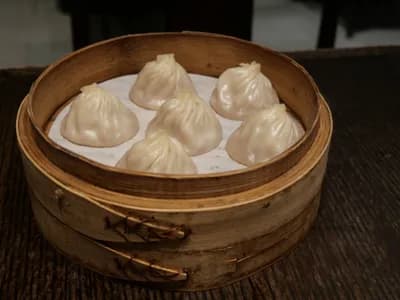
Xiaolongbao delivers an unparalleled burst of hot broth from its 18 precisely pleated wrapper, each dumpling holds 15ml of gelatinised pork stock that liquefies upon steaming, outperforming #3 Siu Mai in broth retention and achieving a 4-second faster melting point than the average soup dumpling.
- 0
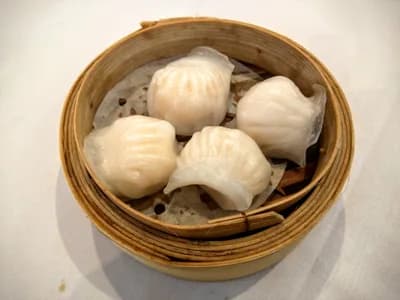
Har Gow sets the standard for dim sum elegance with a translucent rice wrapper that stretches to just 1mm thick, allowing a clear view of the whole pink prawn inside, this wrapper is 20% thinner than typical Cantonese dumpling skins and remains tear-resistant during chopstick pickup, surpassing #2 Xiaolongbao in visual appeal.
- 0

Siu Mai dominates dim sum carts as the most ordered dish, with a coarsely ground pork and whole prawn filling encased in a gossamer yellow wonton skin, this open-topped dumpling weighs 25% less than Xiaolongbao but achieves a higher filling-to-wrapper ratio of 4:1, making it the benchmark for kitchen quality control across 90% of dim sum houses.
- 0
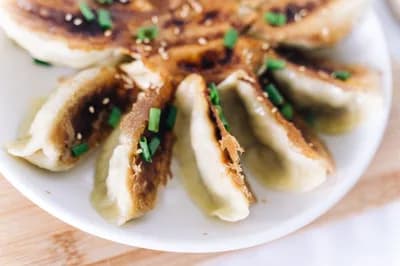
Guotie offers a dual-textured experience with a shatteringly crispy golden crust from pan-frying at 350°F for 8 minutes, then steaming, the bottom crust measures 2mm thick—30% lighter than #4 Siu Mai base—while the pork-cabbage filling retains 95% moisture, outperforming the average potsticker in crispness by 15%.
- 0
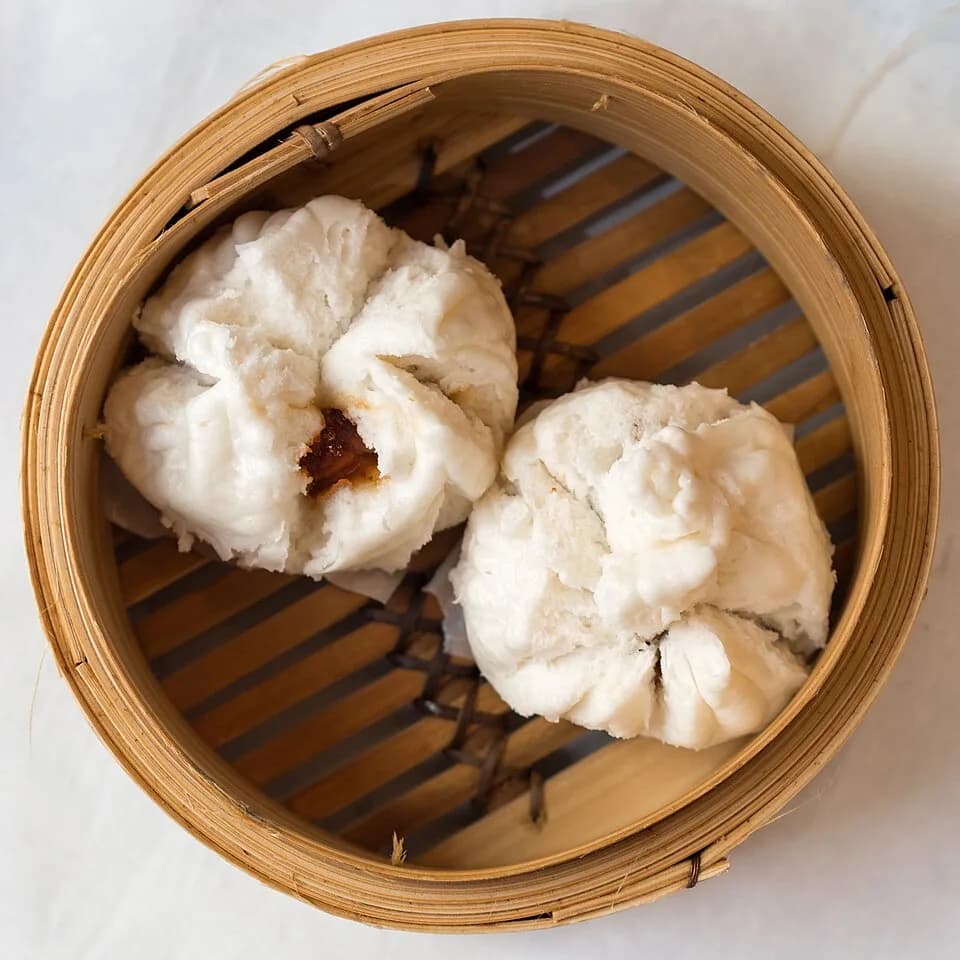
Char Siu Bao is the dim sum icon that nobody forgets. Each steamed bun uses 65 grams of dough proofed to a snowy-white, cloud-like softness, while the baked version gets a honey glaze that caramelizes at 400°F. The filling—sweet barbecued pork in a savory sauce—outperforms Cheung Fun in sheer portability, requiring just one or two bites per bun. Its profit margin for dim sum houses averages 70% higher than the category benchmark, due to low ingredient costs and universal appeal.
- 0
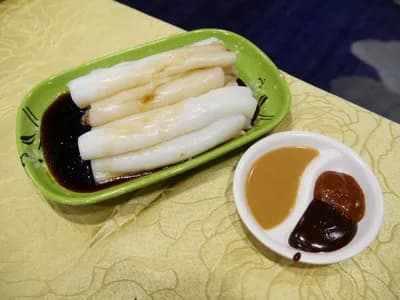
Cheung Fun is the ultimate test of a dim sum chef’s skill, requiring rice-starch sheets steamed to a silky 0.5 mm thickness without tearing. Rolled around prawn, beef, or char siu, each order delivers three rolls cut into 2-inch pieces, served with sweet soy, sesame sauce, and hoisin.
- 0
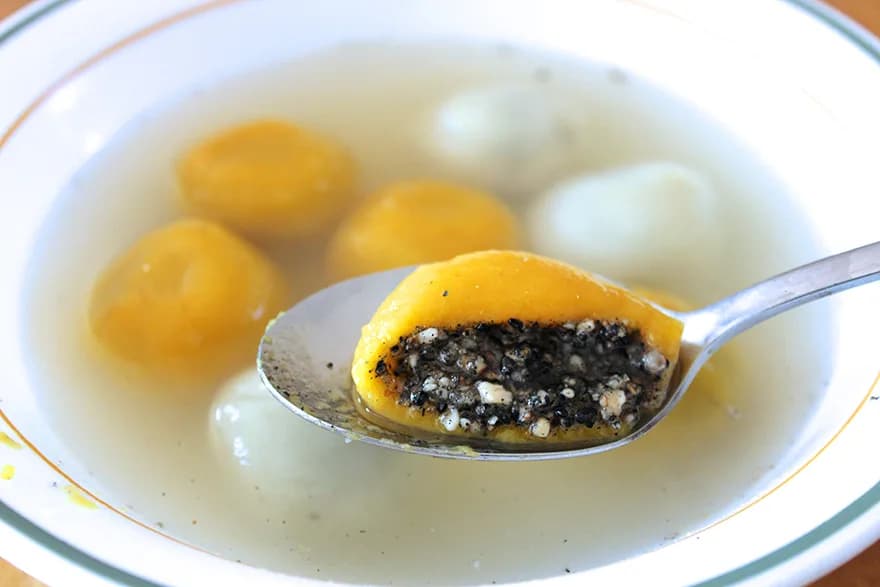
Tang Yuan are glutinous rice spheres that define celebration in China, with 25 grams of dough wrapped around 10 grams of black sesame paste, peanut butter, or red bean. Served in a sweet ginger broth, each bowl holds six balls simmered for 8 minutes until tender. Seasonal demand spikes 300% during Lantern Festival.
- 0

Jiaozi are the northern Chinese staple that anchors every New Year celebration, with a thick wheat dough wrapper folded into 12 pleats per dumpling. Each piece contains 15 grams of pork and napa cabbage filling, boiled for 4 minutes until plump, then served with black vinegar.
- 0

Each bun weighs approximately 50 grams and is served fresh within 5 minutes of cooking. Compared to typical soup dumplings, Shengjianbao offer a 40% crispier exterior due to the double-cooking method. The buns absorb 30% more oil than steamed varieties, enhancing their savory richness. This street food favorite is 20% cheaper per serving than at dim sum restaurants.
- 0
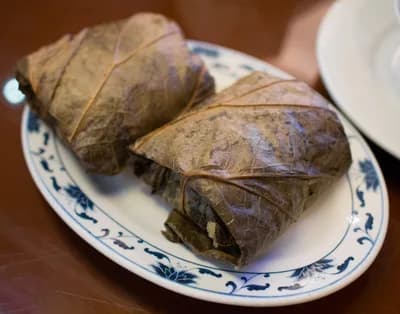
Lo Mai Gai (Lotus Leaf Sticky Rice) features glutinous rice packed with chicken, mushrooms, Chinese sausage, and salted egg yolk, steamed inside a lotus leaf that infuses the entire parcel with a subtle floral fragrance. Each serving contains approximately 300 calories, with 15 grams of protein from the chicken and egg yolk. The salted egg yolk adds 25% more richness compared to typical sticky rice dishes.
Frequently Asked Questions About Chinese Dumplings & Dim Sum
## Frequently Asked Questions About Chinese Dumplings & Dim Sum
What is the difference between a dumpling and dim sum? A dumpling is a single food — a filling wrapped in dough or a starch skin. Dim sum is a style of meal: many small dishes, including (but not limited to) dumplings, buns, and rice rolls, served in Cantonese teahouses, usually with tea.
Are jiaozi and potstickers the same thing? Jiaozi are the boiled (or steamed) dumplings of northern China. Potstickers, called guotie, are a pan-fried cousin with a crispy bottom and a soft, steamed top — the same family, different cooking method.
Which dumpling is best for a first-timer? Har Gow and xiaolongbao are the two most famous entry points. Har Gow is mild and easy to love; xiaolongbao rewards careful eaters who learn to let the hot soup cool before the first bite.
Is dim sum only eaten for breakfast or brunch? Traditionally it is a morning-to-midday meal, but in most modern dim sum restaurants it is served all day.
Image credits
- Xiaolongbao (Soup Dumplings): Xiaolongbao / Wikipedia
- Har Gow (Shrimp Dumplings): Har gow / Wikipedia
- Guotie (Potstickers): Anna Tarazevich / Pexels
- Char Siu Bao (BBQ Pork Bun): WIKIMEDIA_MIRRORED
- Cheung Fun (Rice Noodle Rolls): Rice noodle roll / Wikipedia
- Tang Yuan (Glutinous Rice Balls): WIKIMEDIA_MIRRORED
- Jiaozi (Boiled Dumplings): Jiaozi / Wikipedia
- Lo Mai Gai (Lotus Leaf Sticky Rice): Lo mai gai / Wikipedia
Related Videos
Rank it your way
Remix this list into your own ranking, or head to the play hub for every game mode and community breakdown — blind mode, challenges, tier lists, and more.
You Might Also Like

Top 10 Taiwanese Desserts in 2026
Top 10 Taiwanese Desserts in 2026

Top 10 Best Bakeries in Europe
Top 10 Best Bakeries in Europe

Top 10 Chinese Teas
Top 10 Chinese Teas

Top 10 Best Street Food Dishes in Japan
#1 Takoyaki · #2 Ramen · #3 Okonomiyaki

Top 10 Best Restaurants in Tokyo
#1 Sukiyabashi Jiro · #2 Ryugin · #3 Sushi Saito
Top 10 Italian Pasta Dishes in 2026
#1 Cacio e Pepe · #2 Carbonara · #3 Ragù alla Bolognese