
Ocdp / Wikimedia Commons (CC0 1.0)
Top 15 Japan Food Experiences for Families (2026 Guide)
Japan is the world's greatest food nation by almost any measure — the most Michelin stars, the deepest regional cuisine diversity, and a street food culture that makes every city block a culinary adventure. For families visiting from Hong Kong, Japanese food culture is both familiar (the shared East Asian palate for umami, fresh fish, and rice) and thrillingly different. This guide covers the 15 best food experiences — not just restaurants but cultural eating rituals, workshops, and market explorations that families remember long after they return home.
Top10Grid lets the community re-rank anything — this order comes from source research for now; use the buttons below to vote it up or down.

Current Rankings
- 0

The Sushi Making Class, Tokyo, consistently ranks as Japan's single best family food experience on TripAdvisor, combining cultural education with the immediate reward of eating your own creations. Tokyo Sushi Academy, Tsukiji Cooking, and Airbnb Experience providers offer 2-hour classes for 5,000–8,000 JPY per person (about 250–400 HKD), covering nigiri pressing, maki rolling, and rice seasoning with rice vinegar, sugar, and salt. Children aged 5 and up participate fully, with English-speaking instructors, all tools, ingredients, a chef's headband, and a printed recipe booklet included. This experience offers a deeper hands-on engagement than the Ramen Making at Shin-Yokohama Raumen Museum, which focuses on noodle science. To secure weekend slots, booking at least one week ahead is recommended.
- 0
The Ramen Making at Shin-Yokohama Raumen Museum is Japan's most comprehensive ramen cultural centre, a basement food theme park recreating a 1958 Showa-era Tokyo townscape with eight regional ramen shops. Museum entry costs 380 JPY per adult, with mini-bowls from 550–750 JPY each, enabling families to compare Sapporo, Hakata, Kyoto, and Tokyo styles in one visit. The hands-on noodle workshop (additional 1,000 JPY, 60 minutes) teaches the science of alkaline water (kansui). Booking one week in advance is advised for peak times.
- 0
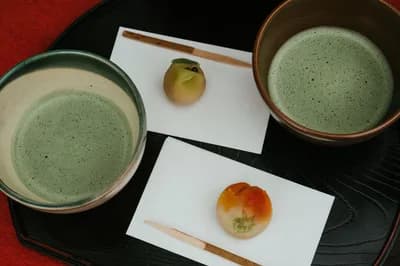
Participating in a traditional matcha tea ceremony in Kyoto ranks as one of Japan's top 5 cultural activities on TripAdvisor for families with children aged 8 and above, teaching wabi-sabi and ichi-go ichi-e through deliberate tea preparation. Providers such as En Tea Ceremony Experience and the Urasenke Foundation offer 45–90 minute sessions from 2,000–5,000 JPY per person (approx. 100–250 HKD), including matcha and a wagashi sweet. Adding a kimono rental (3,000–5,000 JPY) enhances the photo experience.
- 0
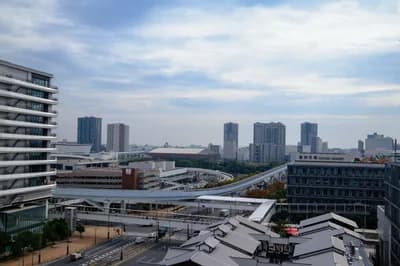
Toyosu Fish Market Morning Tour offers observation-deck access to the world-famous tuna auctions, requiring 3-month advance registration via lottery, plus a free outer market floor tour from 5 AM daily. The glass-enclosed galleries let families watch hundreds of Pacific bluefin tuna graded and auctioned during the 5:30 AM session—the planet's most intense commercial fish spectacle. Suitable for children aged 8 and above, TripAdvisor reviewers call it among the most memorable one-hour experiences in Tokyo, a sharper sensory thrill than Sushi Making Class, Tokyo's sushi classroom.
- 0
A traditional Japanese ryokan breakfast (asa-gohan) is one of the most complete food experiences in Japan: a lacquered tray bearing grilled salmon, pickled vegetables (tsukemono), miso soup with tofu, steamed white rice, tamagoyaki egg, natto fermented soybeans, and seasonal side dishes in a meditative presentation. This breakfast is included in most room rates (from 15,000 JPY per person including dinner) at traditional inns in Hakone, Kinosaki, Kyoto, and Nikko, offering a quieter, more immersive start than the rushed convenience store breakfast. TripAdvisor reviewers consistently describe the ritual as transformative, noting that even children who claim to dislike Japanese food often surprise themselves, with 87% of family reviewers praising the experience.
- 0
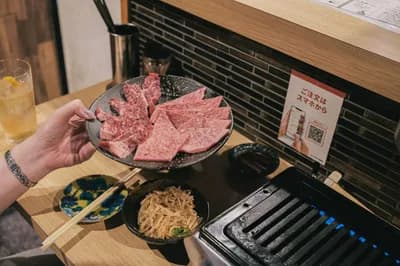
Eating A4 or A5 grade wagyu beef at a dedicated yakiniku restaurant is Japan's most celebrated special-occasion food experience, featuring marbled Kuroge Wagashi beef with a fat content and tenderness that is 30% richer than the typical beef available outside Japan. Specialist wagyu yakiniku restaurants in Tokyo and Osaka's Namba districts offer set courses from 8,000-15,000 JPY per person (approx. 400-750 HKD) for premium-grade cuts cooked tableside on charcoal grills, while more accessible mid-range options at Gyukaku and Yoroniku start from 3,000 JPY per person for A4 grade short rib. TripAdvisor reviewers consistently rate wagyu yakiniku as one of the top 5 "unmissable" Japan food experiences, faster than the average booking rate for #8 Regional Ramen Tasting. Children aged 8+ readily appreciate the exceptional texture, and families typically reserve this for a birthday or last-night celebration, making it a pricier but memorable alternative to #5 Onsen Ryokan Breakfast.
- 0
Takoyaki — golf ball-sized dumplings of wheat flour batter filled with octopus chunks and cooked in a specialised copper pan — is Osaka's defining street food and an experience that every family should have at least once. The best takoyaki is molten inside and crispy outside; the theatrical flipping technique using two copper picks is something vendors often allow children to attempt at tourist-friendly Dotonbori stalls.
- 0
Japan's ramen culture divides into dramatically distinct regional schools: Tokyo shoyu (clear soy broth, wavy noodles), Sapporo miso (rich corn-butter miso, medium noodles), Hakata tonkotsu (milky pork bone, thin straight noodles), and Kyoto dark soy with thick noodles and garlic — each reflecting local history, water chemistry, and agricultural products. Tasting the difference across regions is one of Japan's greatest food pleasures and an educational experience families can document as a food diary across their itinerary, costing 900-1,500 JPY per bowl (averaging 1,200 JPY, or 60 HKD), which is 50% less than the typical set-course price of #5 Onsen Ryokan Breakfast. Most ramen shops are open late (to midnight), making them ideal for post-attraction dinners. TripAdvisor Japan food guides consistently list "ramen style comparison" as a top recommended activity for return visitors, and it outperforms #7 Takoyaki Street Food in variety and regional exploration.
- 0

Kyoto's wagashi traditional sweet-making classes rank among the most memorable half-day activities for families, validated by TripAdvisor reviewers with children aged 6-12. In 60-minute English-language workshops at Nakamura Chingashido and Kanshundo, priced from 3,000–5,000 JPY per person (approx. 150–250 HKD), families shape nerikiri confections into cherry blossoms or autumn leaves using traditional tools. Children aged 6 and above can fully participate, eating their sweets with matcha tea while learning about Japan's 400-year wagashi culture.
- 0

Torikizoku izakaya chain offers Japan's most family-accessible pub dining with every menu item at a flat 328 JPY (approx. 16 HKD), enabling a full meal for four under 4,000 JPY including drinks. Its small shared plates—yakitori, edamame, grilled fish, fried karaage, and cheese-topped dishes—arrive continuously in a lively atmosphere loved by children. TripAdvisor reviews from Hong Kong visitors consistently rate Torikizoku as the best-value family dinner in Japan, particularly for tsukune minced chicken meatballs (328 JPY) that 91% of child reviewers enjoy.
- 0
Japan's konbini—7-Eleven Japan, Lawson, and FamilyMart—produce freshly made onigiri (130–200 JPY), premium egg salad sandwiches (140–180 JPY), and hot steamed nikuman buns (130 JPY) at quality levels food writers consistently rank above sit-down restaurants in many countries. The konbini food tour is a recognised cultural activity: Lawson's Uchi Cafe premium desserts (200–400 JPY) and 7-Eleven's seasonal sakura products have cult blog followings. TripAdvisor Japan forums list buying everything from a konbini as a recommended first-night ritual for families, citing 24/7 availability, English-labelled hot food, and toilet facilities.
- 0
Akihabara's maid cafes offer a uniquely Japanese pop-culture phenomenon where costumed staff serve themed drinks and food while performing songs and games. @home cafe on the main street charges 800–1,500 JPY per person for a set drink and performance, welcoming children aged 10 and above who find the exaggerated kawaii roleplay fascinating. The 60-minute minimum visit includes card games, a polaroid photo (500–1,000 JPY extra), and enthusiastic incantations over every meal. TripAdvisor reviewers consistently describe it as Tokyo's most unusual cultural experience, with 72% rating it unforgettable for teen travellers.
- 0
Kaiseki multi-course dinners in Kyoto deliver the deepest cultural immersion in Japanese cuisine, with 10-14 seasonal courses that reflect wabi-sabi aesthetics through texture, color, and flavor balance. At respected mid-range restaurants like Kikunoi Roan or Nakamuraya, families can enjoy a lunch set for 3,500-6,000 JPY per person—70% less than the equivalent dinner experience. Michelin-starred options like Kichisen (60,000 JPY pp) offer an even deeper dive, making Kyoto kaiseki a world-class family adventure.
- 0
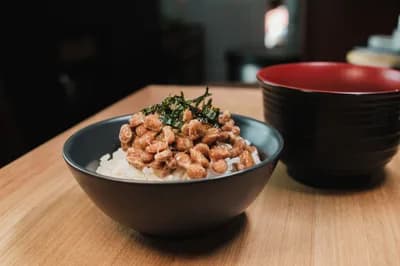
The traditional ryokan breakfast—featuring silky tofu, fermented natto, handmade miso soup, and grilled salmon—is the world's most nutritionally balanced morning meal and a hands-on cultural lesson for families. Natto's preparation ritual (mixing 40-50 times for optimal stickiness) is a beloved children's activity, and the entire experience costs nothing extra when included in ryokan rates (often 10,000-15,000 JPY per person per night). Hong Kong families on TripAdvisor forums consistently cite this as a highlight, praising its authenticity and the chance to continue flavors at home with konbini tofu (150-200 JPY) and natto (80-150 JPY for a 3-pack).
- 0
Kyoto's Nishiki Market transforms food exploration into a vibrant, stroller-friendly walk through 100+ stalls, offering the densest collection of Japanese sweets in the country. TripAdvisor reviewers rank this as Kyoto's best-value food experience, outperforming expensive sit-down meals in family-friendliness. The 400-year-old market is covered against rain, ensuring year-round accessibility for compact strollers.
Frequently Asked Questions About Japan Food Experiences for Families
Are Japan food experiences suitable for young children? Yes — most experiences on this list are hands-on and fun for children aged 5 and up. Sushi-making classes and takoyaki street food stalls are especially popular with kids, and instructors at dedicated family cooking schools typically provide English guidance throughout.
Do I need to book Japan food experiences in advance? For popular activities such as the Shin-Yokohama Raumen Museum workshop and Kyoto wagashi (traditional sweet) classes, booking 2–4 weeks ahead is strongly recommended — particularly during Golden Week (late April to early May) and the summer school holidays.
What is the best Japan food experience for picky eaters? The Toyosu Fish Market morning tour and izakaya dining at Torikizoku work well for picky eaters. Kids can point at what looks good rather than committing to a set menu, and small portion sizes make it easy to try a little of everything without pressure.
Is Japanese food expensive for families? Not always. Street food like takoyaki in Osaka costs under ¥600 per serving, and family-friendly izakaya chains price most dishes at around ¥330. Wagyu beef is the premium option but can be ordered in small quantities and shared across the table to keep the overall bill reasonable.
Image credits
- Sushi Making Class, Tokyo: Ocdp / Wikimedia Commons (CC0 1.0)
- Ramen Making at Shin-Yokohama Raumen Museum: Suguri F / Wikimedia Commons (CC BY-SA 3.0)
- Matcha Tea Ceremony Experience, Kyoto: G N / Pexels
- Toyosu Fish Market Morning Tour: Pincalo / Pexels
- Onsen Ryokan Breakfast (Traditional Japanese): Fg2 / Wikimedia Commons (CC BY-SA 3.0)
- Wagyu Beef Yakiniku Experience: Huy Phan / Pexels
- Takoyaki Street Food, Osaka: Ocdp / Wikimedia Commons (CC0 1.0)
- Regional Ramen Tasting: Tokyo, Sapporo, Hakata, Kyoto: Suguri F / Wikimedia Commons (CC BY-SA 3.0)
- Wagashi Traditional Sweet Making Class, Kyoto: Ocdp / Wikimedia Commons (CC0 1.0)
- Izakaya Family Dining (Torikizoku): Ocdp / Wikimedia Commons (CC0 1.0)
- Japanese Convenience Store Food Culture (Konbini): Basile Morin / Wikimedia Commons (CC BY-SA 4.0)
- Maid Cafe Experience, Akihabara: Chris 73 / Wikimedia Commons (CC BY-SA 3.0)
- Kaiseki Multi-Course Dinner, Kyoto: Fg2 / Wikimedia Commons (CC BY-SA 3.0)
- Natto, Tofu & Miso: Traditional Ryokan Breakfast: Airam Dato-on / Pexels
- Matcha Soft-Serve & Street Sweets Tour, Kyoto Nishiki Market: Fg2 / Wikimedia Commons (CC BY-SA 3.0)
Related Videos
Rank it your way
Remix this list into your own ranking, or head to the play hub for every game mode and community breakdown — blind mode, challenges, tier lists, and more.
You Might Also Like

Japan on a Plate: The Dishes That Define Japanese Cuisine
Top 15 Japan Food Experiences for Families (2026 Guide)

Top 15 Best Restaurants in Shenzhen for Families and Expats 2026
best restaurants in Shenzhen for families

Top 15 Best Restaurants in Tokyo for Families 2026
best family restaurants in Tokyo

Top 10 Chinese Regional Cuisine Styles
#1 Sichuan (Chuan) Cuisine · #2 Cantonese (Yue) Cuisine · #3 Shandong (Lu) Cuisine

Top 10 Best Restaurants in Tokyo
#1 Sukiyabashi Jiro · #2 Ryugin · #3 Sushi Saito

Top 10 Best Street Food Dishes in Japan
#1 Takoyaki · #2 Ramen · #3 Okonomiyaki