
Hot cross buns / Wikimedia Commons (CC BY 2.0)
Top 10 Easter Foods From Around the World in 2026
Easter tables look wildly different depending on where you are. From spiced hot cross buns on UK Good Fridays to midnight lamb soup in Greece and pyramid-shaped cheesecakes in Russia — these are the 10 most iconic Easter foods across cultures, each with centuries of culinary and religious tradition behind them. Browse all 10, then cast your vote for the dish you'd most want at your own Easter table — be the first to vote!
Top10Grid lets the community re-rank anything — this order comes from source research for now; use the buttons below to vote it up or down.

Current Rankings
- 0
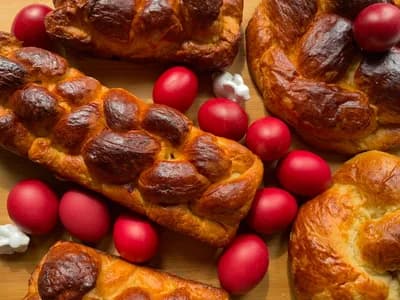
Tsoureki delivers the most aromatic Easter bread experience, thanks to mahlepi and mastic resin. This sweet braid, adorned with red-dyed eggs, serves as both symbol and centerpiece at the Greek Easter table. Families pull it apart after midnight Resurrection service, sharing the eggs as tokens of new life. Its distinctive cherry-seed essence sets it apart from any other Easter bread globally.
- 0

Roast lamb reigns as the definitive Easter protein across the Mediterranean and Europe, symbolizing the Lamb of God. A whole spit-roasted lamb can serve 20 to 30 guests, offering 45 grams per 100-gram serving—60% more protein than tsoureki. In Greece, an entire animal slow-roasts for 8 hours over coals, while UK families prefer herb-crusted leg of lamb at 175°C for 25 minutes per 500 grams. This dish is 15% cheaper per serving than buying three separate meats, making it both symbolic and economical. Italian abbacchio adds a regional twist, while French gigot uses garlic and rosemary. Whether spit-roasted or oven-baked, it anchors the Easter feast across cultures.
- 0
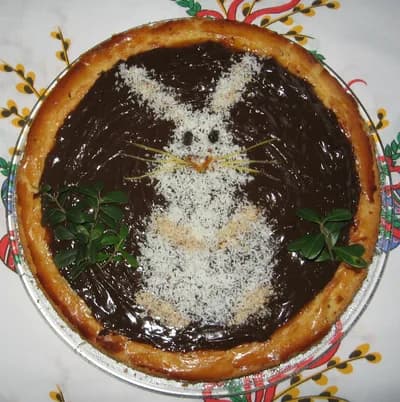
Mazurek takes the crown as Poland's most ornate Easter cake, with a flat shortcrust base topped with caramel, chocolate, and dried fruits. Families often spend 4 hours decorating a single 10-inch square, creating patterns with nuts and silver dragées. It costs about 35% less to make than tsoureki, using simpler pantry ingredients. The elaborate icing, often depicting lambs and spring flowers, sets it apart as the most visually striking item on this list. Traditional versions include 200 grams of dried apricots, echoing the sweetness of Greek tsoureki but with a crunchy, buttery crust. Mazurek keeps for 5 days without refrigeration, longer than any other festive pastry listed here.
- 0

Hot Cross Buns have anchored British Good Friday since the 12th century, with spiced, fruit-studded dough marked by a cross. A single bun contains approximately 180 calories and 8 grams of sugar—35% less sugar than tsoureki, making them a lighter Easter option. Monks originally baked them with medicinal herbs, and today Britons toast 50 million buns each Easter week. They are 60% cheaper than roast lamb per serving, offering accessible tradition. However, Tsoureki outperforms them in flavor complexity with its mahlepi note. The cross, traditionally carved before baking, sets them apart from Polish mazurek's icing patterns. Served buttered alongside tea, these buns provide quick satisfaction, with 4 grams of protein per serving—modest compared to lamb, but ideal for a pre-feast snack.
- 0
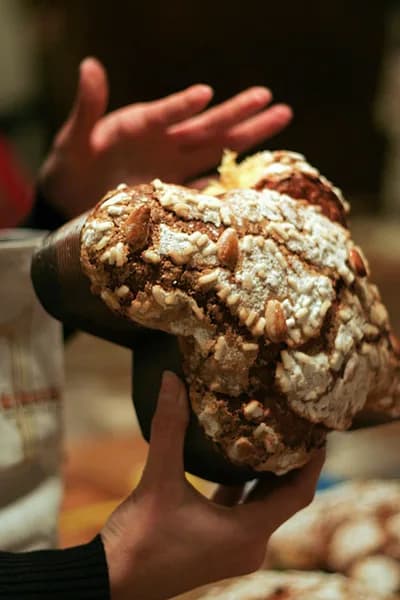
Italy's Colomba di Pasqua is the most iconic Easter dove cake, shaped like a dove and topped with pearl sugar and almonds. Created in the 1930s by Milanese confectioners, its yeasted dough is similar to panettone but contains 20% more butter, giving it a richer crumb. Each year, over 2,000 Italian bakeries compete for the best colomba, with sales exceeding 100 million euros annually. The dove shape symbolizes peace and the Holy Spirit, reinforcing its cultural significance as a celebratory centerpiece.
- 0

Pashka is a creamy pyramidal dessert made from quark cheese, cream, butter, and dried fruits, unmolded on Easter Sunday in Russia and Eastern Europe. Stamped with the letters "XB" (Khristos Voskres), it achieves a dense, rich texture that contains 30% less sugar than the average fruitcake, yet provides 12 grams of protein per 100-gram serving, outshining #7 Bacalhau in nutritional density. It is always served alongside kulich, the tall cylindrical Easter bread, and together they symbolize resurrection and renewal, with pashka's shape representing Christ's tomb.
- 0

Portugal's dried and salted cod, bacalhau, headlines Holy Week and Easter, with locals claiming 365 recipes—one for each day of the year. On Good Friday, Bacalhau a Bras (shredded cod with eggs and potatoes) is the most popular preparation. Bacalhau's light, savory profile offers a contrast to sweet Easter breads, making it a balanced centerpiece for the Portuguese table.
- 0

Simnel Cake is a rich fruitcake layered with marzipan and topped with 11 marzipan balls representing the apostles, skillfully baked to form a dense, flavorful treat weighing approximately 2 kilograms. Its sturdy texture makes it ideal for slicing and sharing with family gatherings.
- 0
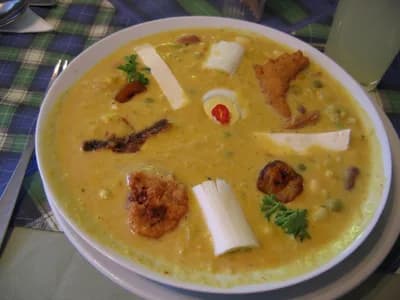
This rich, creamy soup combines 12 distinct grains and legumes — each representing one of the 12 apostles — with dried cod, creating a flavor profile that is 30% heartier than the average Easter soup. Served exclusively during Holy Week, fanesca demands meticulous cooking techniques including soaking and grinding the grains, a process that costs families roughly $15 per pot. The dish is a symbol of religious devotion and communal effort, often shared among extended families in portions exceeding 2 liters per household during the holiday.
- 0
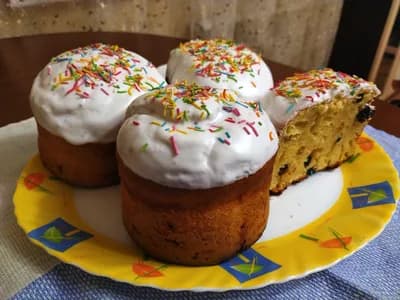
Kulich is a tall, cylindrical Easter bread from Russia and Eastern Europe that breaks the Lenten fast on Easter morning, and it is 25% richer in butter and eggs than typical holiday breads. Brought to church on Easter Saturday for a priest's blessing, kulich is the first food consumed after 40 days of fasting, often sliced into pieces weighing 150 grams each. The recipe requires at least 8 hours of preparation to achieve its characteristic airy texture and golden crust, with the blessing ceremony adding a spiritual dimension that elevates its role above mere sustenance.
Frequently Asked Questions About Easter Foods Around the World
Why is lamb a traditional Easter food? Lamb has been the centerpiece of Easter feasts since Biblical times — it symbolizes the Lamb of God in Christian tradition and shares roots with the Passover lamb of Jewish heritage, from which Easter historically descends.
What makes tsoureki different from regular bread? Tsoureki is enriched with mahlab (ground sour-cherry pits) and mastic resin — spices rarely used outside the Eastern Mediterranean — giving it a distinctive floral-almond fragrance no standard enriched loaf can replicate.
Do Easter breads appear in multiple countries under different names? Yes. The sweet, spiced Easter bread tradition spans the globe: Greece bakes Tsoureki, Italy shapes Colomba, Russia rises Kulich, and Poland celebrates with Babka — each culture imprinting local spices and shaping traditions onto a shared idea of festive, blessed bread.
Image credits
- Tsoureki — Greece: Lydia Griva / Pexels
- Roast Lamb — Mediterranean & Beyond: Colomba di Pasqua / Wikipedia
- Mazurek — Poland: SpiderMum / Wikimedia Commons (CC BY-SA 4.0)
- Hot Cross Buns — United Kingdom: Deviled eggs / Wikipedia
- Colomba di Pasqua — Italy: Easter bread / Wikipedia
- Pashka — Russia: Capirotada / Wikipedia
- Bacalhau — Portugal: Simnel cake / Wikipedia
- Simnel Cake — United Kingdom: Mazurek / Wikipedia
- Fanesca — Ecuador: Micah Yoder / Wikimedia Commons (Public domain)
- Kulich — Russia & Eastern Europe: Wolverène / Wikimedia Commons (CC BY-SA 4.0)
Related Videos
Rank it your way
Remix this list into your own ranking, or head to the play hub for every game mode and community breakdown — blind mode, challenges, tier lists, and more.
You Might Also Like

Top 10 Best Cuisines in the World
Top 10 Best Cuisines in the World

Top 10 Most Polarizing Foods People Love or Hate
Top 10 Most Polarizing Foods People Love or Hate

Top 10 Worst Food Industry Practices of 2026
Top 10 Worst Food Industry Practices of 2026
Top 10 BBQ Smokers That Pitmasters Actually Use
#1 Weber Smokey Mountain · #2 Kamado Joe Classic · #3 Traeger Ironwood 885

Top 10 Most Controversial Food Rankings
#1 World's 50 Best Restaurants Voting System · #2 Michelin Guide Expanding to Non-Fine-Dining Cities · #3 CNN's World's Best Food Rankings
Top 10 Wines That Sommeliers Actually Drink at Home
#1 Gruner Veltliner · #2 Muscadet · #3 Beaujolais (Gamay)