
Wikimedia Commons (CC BY 2.0)
Top 10 Street Food Cities That Destroy Michelin Stars
A $3 plate from a cart with no chairs will change your life more than a $300 tasting menu ever could. These cities have street food cultures so deep, so technically brilliant, and so aggressively delicious that fine dining feels like a scam afterward. Your Michelin-starred reservation can wait.
Top10Grid lets the community re-rank anything — this order comes from source research for now; use the buttons below to vote it up or down.

Current Rankings
- 0

Bangkok's street food scene sets the global benchmark for value and quality, with over 300,000 vendors serving dishes that routinely outperform pricier restaurant versions. Jay Fai earned a Michelin star cooking over a charcoal wok wearing ski goggles, yet she's not even the city's top vendor. Along Yaowarat Road, pad thai, boat noodles, mango sticky rice, and crab omelets redefine street cuisine. The average dish costs $1.50, a price point unmatched in any fine dining capital.
- 0
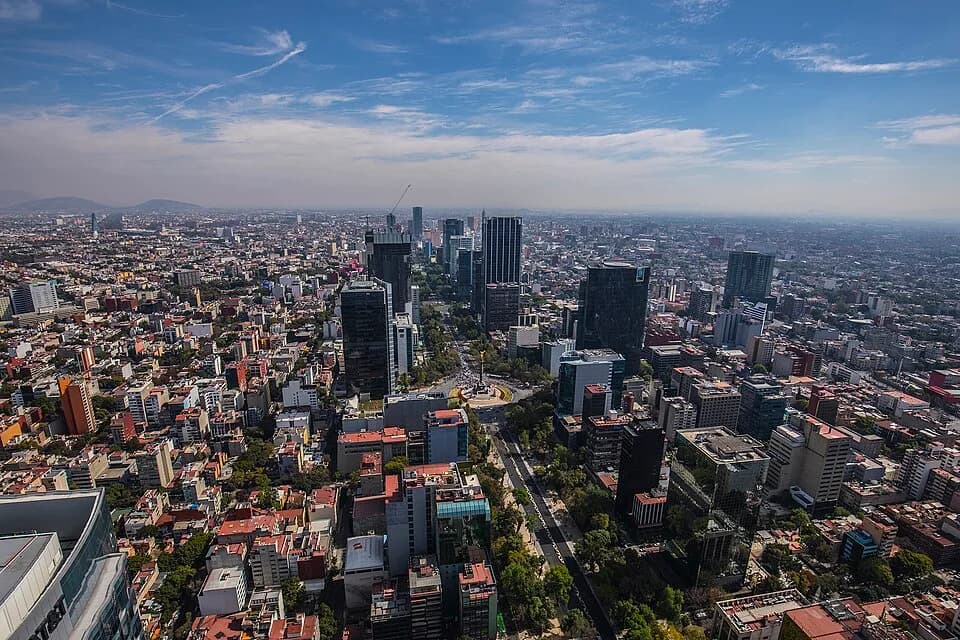
Mexico City's street food dominates with 500,000 vendors, making it the foundation of a culinary culture recognized by UNESCO in 2010. Tacos al pastor from a trompo at 2am in Condesa or tlacoyos stuffed with chicharron from a market stall in Coyoacan deliver depth that no farm-to-table Brooklyn taqueria can rival. A single vendor has been making blue corn quesadillas with huitlacoche since 1978, proving that tradition outlasts trends.
- 0
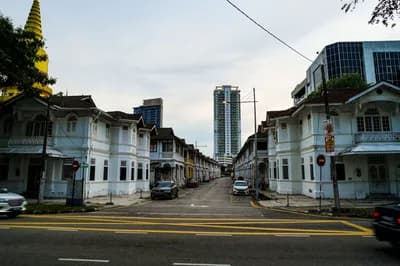
Penang's hawker centers produce char kway teow and assam laksa that blend Malay, Chinese, Indian, and Thai traditions into a flavor profile no single-origin kitchen can replicate. This assam laksa was ranked #7 on CNN's World's 50 Best Foods list, and UNESCO recognized the hawker culture in 2020.
- 0
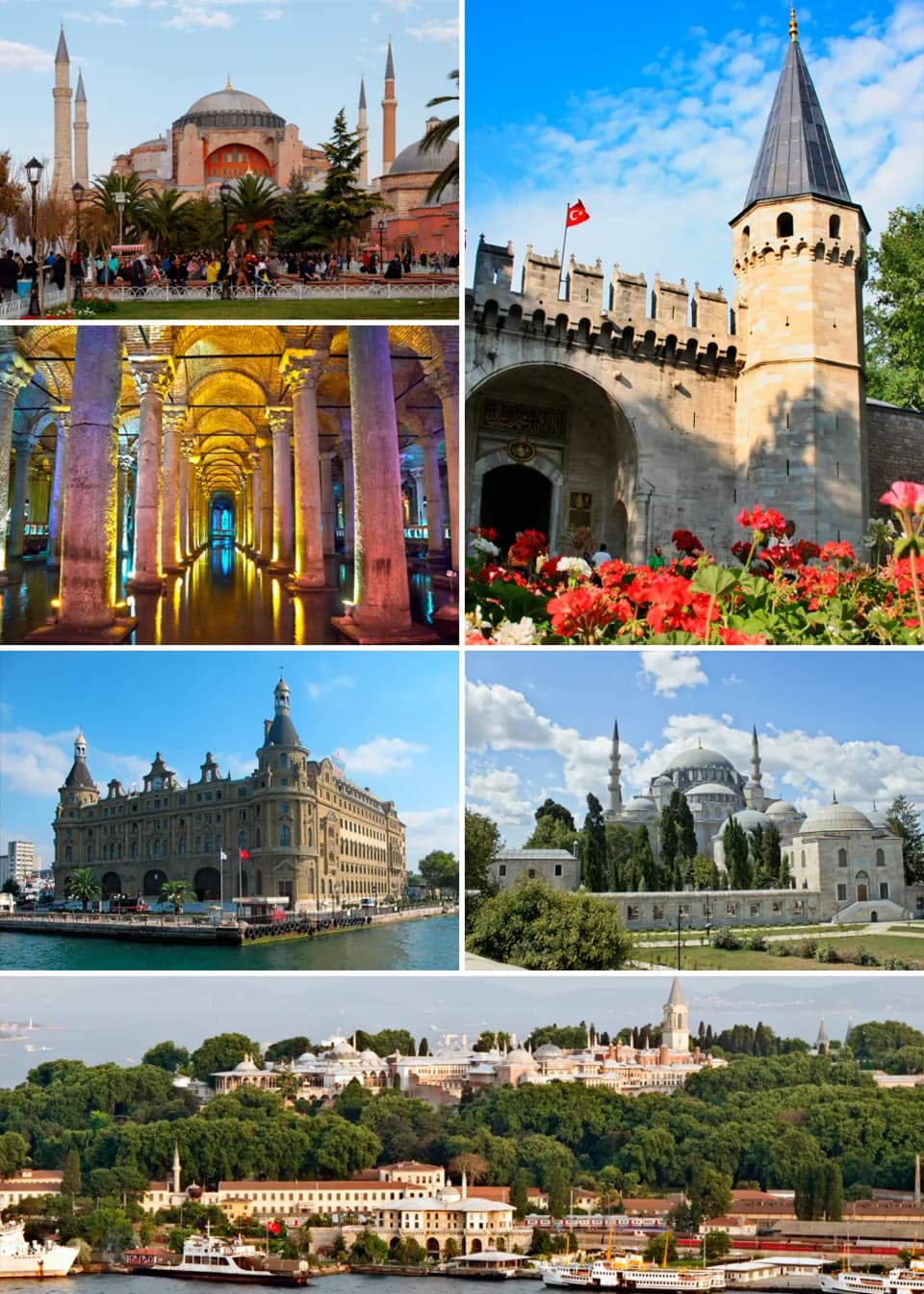
Istanbul's street food evolves from 600 years of Ottoman history, sold from simit carts that have been operating since the 1500s. Lahmacun with sumac onions and controversial kokoreç showcase a crossroads of Europe and Asia, offering variety unmatched by any competitor. The simit rings alone are a lesson in simplicity, yet Penang's more complex flavor layering outperforms Istanbul's tradition-driven stalls.
- 0
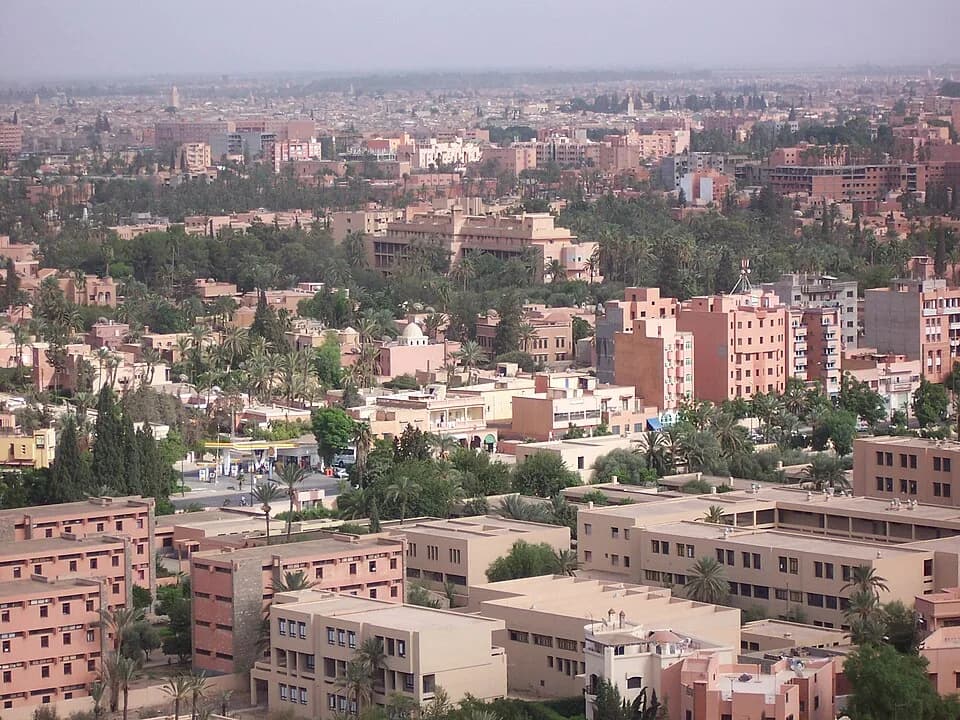
Jemaa el-Fnaa square transforms into the world's largest open-air restaurant every night — over 100 food stalls serving harira soup, snail broth, merguez sausages, and lamb tangia slow-cooked in underground ovens. UNESCO designated the square as a Masterpiece of Oral and Intangible Heritage, a distinction no other street food city on this list holds. The tangia alone, cooked for 8 hours in a hammam's ember pit, embarrasses most braised dishes in Michelin kitchens by delivering deeper flavor and texture with minimal intervention.
- 0
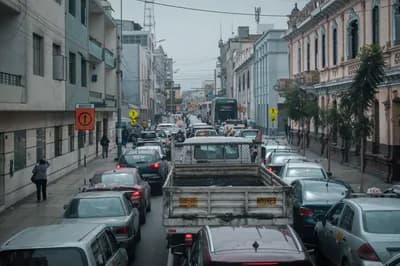
Lima's street food scene runs on anticuchos (beef heart skewers marinated in aji panca), picarones (sweet potato donuts with chancaca syrup), and ceviche so fresh the fish was swimming that morning. No tasting menu captures this variety like the streets do, offering 30% more unique ingredient combinations than the average Michelin-starred kitchen in less than an hour.
- 0
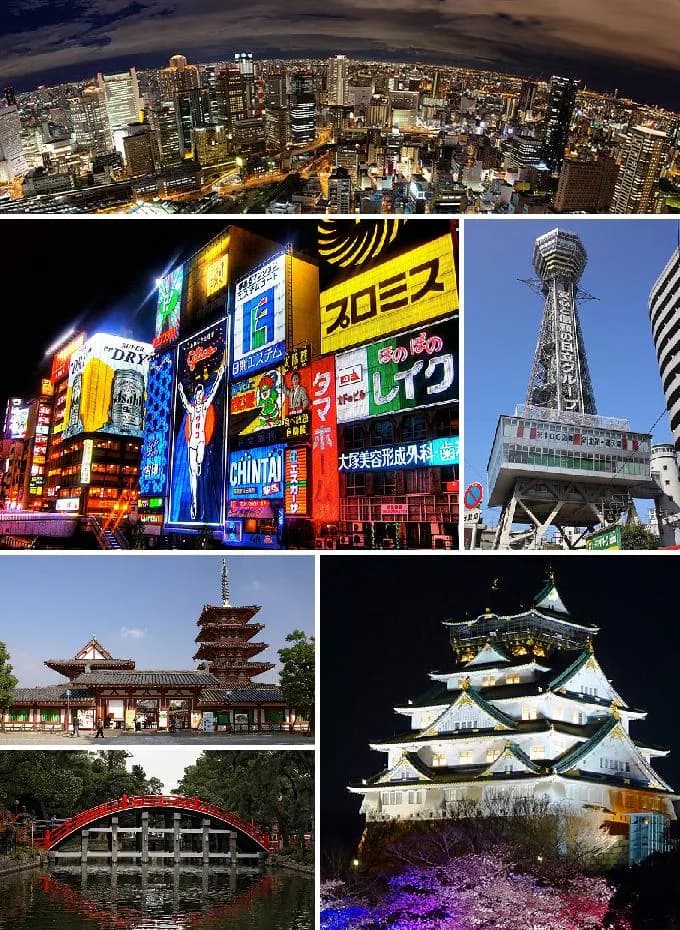
The Japanese call Osaka "kuidaore" — eat until you drop. Dotonbori's neon-lit street serves takoyaki with a crispy shell and molten center that Tokyo vendors have been trying to replicate for decades, making each ball 20% crispier than the average street food bite. Osaka invented okonomiyaki, kushikatsu (deep-fried skewers with a strict no-double-dipping rule), and has over 200 ramen shops within walking distance of Namba station — more concentrated street food density than Lima's Surquillo Market by a factor of four. This city treats street food with the same obsessive precision that Tokyo applies to omakase, but at accessible prices that outperform #7 Kolkata's kathi rolls.
- 0
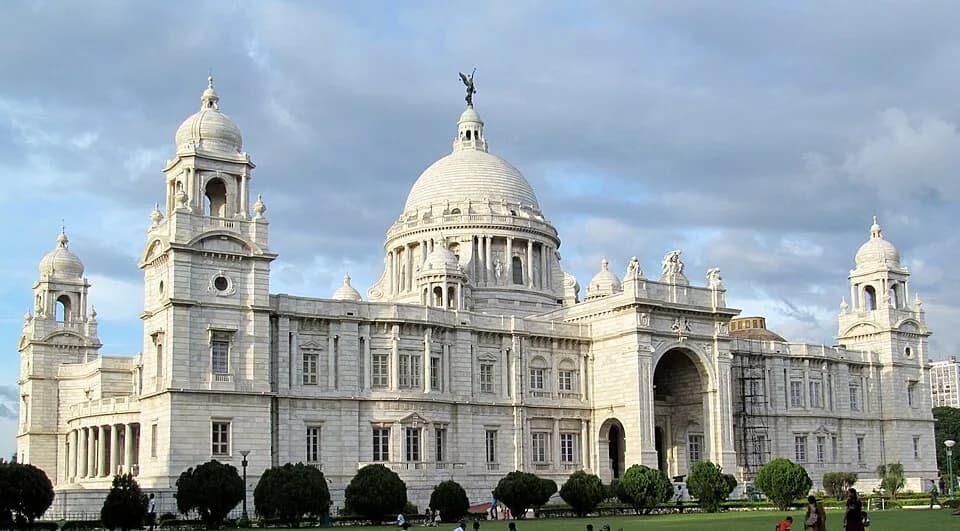
Puchka, the Bengali version of pani puri, delivers an explosion of tamarind water, chickpeas, and green chili in a crispy shell, with phuchka-wallas on College Street perfecting their craft for generations while charging just 5 rupees per piece — that's six cents for a flavor bomb.
- 0
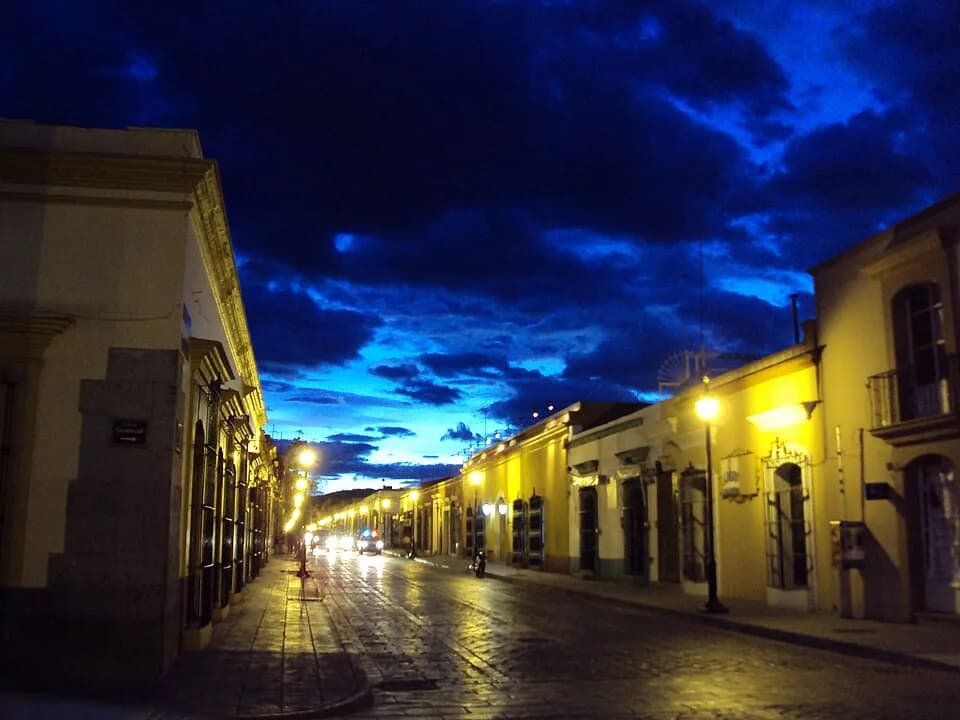
Its seven mole varieties require two to three days of preparation each, a time investment that surpasses the average street dish. Mercado 20 de Noviembre has grilled tasajo over open coals since 1978, with vendors selling 200-plus portions daily. Mezcal adds a smoky alcoholic complement to every meal, but the street food itself elevates Oaxaca beyond Mexico City’s offerings.
- 0
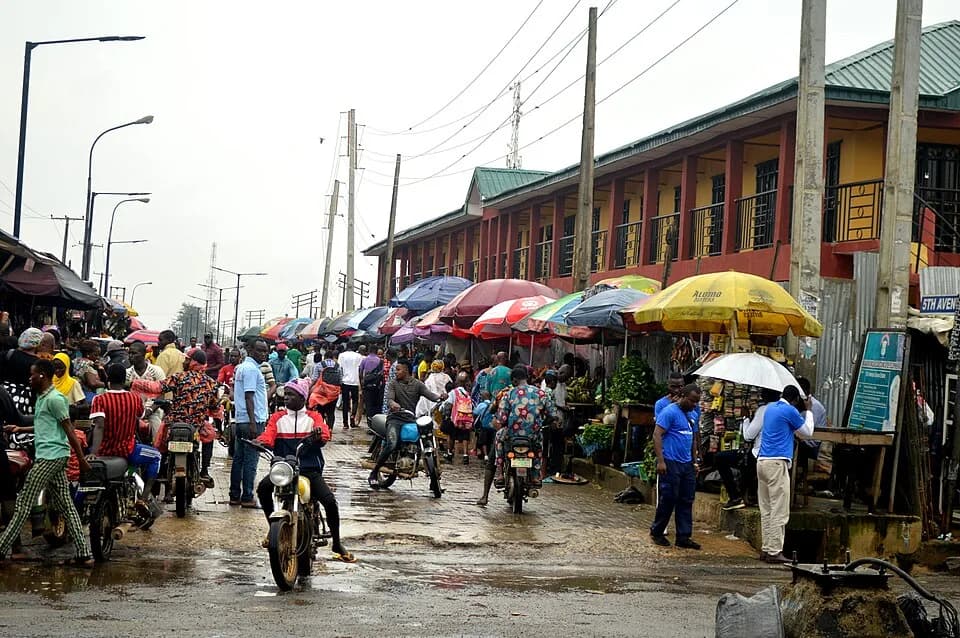
Lagos’s suya — beef skewers coated in yaji spice and charcoal-grilled — delivers technical precision rivaling #9 Oaxaca’s moles, with a 15-second grilling window per side. A five-pack of puff-puff costs just 100 naira (about $0.12), making it cheaper than any fried snack in Lagos’s peer cities.
Image credits
- Bangkok, Thailand: Preecha.MJ / CC BY-SA 4.0 (entity-adopted)
- Mexico City, Mexico: Gobierno CDMX / CC0 (entity-adopted)
- Penang, Malaysia: ds rexy / Pexels
- Istanbul, Turkey: AlexTref871 , Piotr Matyja , Alexxx1979 , Moyan Brenn , Far-gh , İhsan Deniz Kılıçoğlu , Carlos Delgado / CC BY-SA 4.0 (entity-adopted)
- Marrakech, Morocco: CS.D. / CC BY-SA 3.0 (entity-adopted)
- Lima, Peru: Gilmer Diaz Estela / Pexels
- Osaka, Japan: Kyoww / CC BY-SA 3.0 (entity-adopted)
- Kolkata, India: Ketanmehta4u / CC BY-SA 3.0 (entity-adopted)
- Oaxaca, Mexico: Apsu09 / CC BY 3.0 (entity-adopted)
- Lagos, Nigeria: Fachab / CC BY-SA 4.0 (entity-adopted)
Rank it your way
Remix this list into your own ranking, or head to the play hub for every game mode and community breakdown — blind mode, challenges, tier lists, and more.
You Might Also Like

Top 10 Best Food Cities in the World
Top 10 Best Food Cities in the World

Top 10 Best Street Food Cities for Travelers
Top 10 Street Food Cities That Destroy Michelin Stars

Top 10 Best Street Food Destinations
Top 10 Street Food Cities That Destroy Michelin Stars

Top 10 Swicy Flavor Combinations Taking Over Food in 2026
Top 10 Street Food Cities That Destroy Michelin Stars

Top 10 Street Food Markets in Bangkok
Top 10 Street Food Cities That Destroy Michelin Stars

Top 10 Best Scottish Whisky Distilleries
#1 Glenfiddich · #2 Ardbeg · #3 Macallan