
Suguri F / Wikimedia Commons (CC BY-SA 3.0)
Top 15 Best Restaurants in Tokyo for Families 2026
Tokyo has more Michelin-starred restaurants than any city on Earth, but the real discovery for families is the extraordinary quality at every price point — from 100 JPY convenience store onigiri to conveyor belt sushi at under 3,000 JPY for four people. This guide ranks Tokyo's top 15 family dining experiences by child-friendliness, value, community ratings, and the experiences that resonate most with Hong Kong families who visit Tokyo regularly.
Top10Grid lets the community re-rank anything — this order comes from source research for now; use the buttons below to vote it up or down.

Current Rankings
- 0
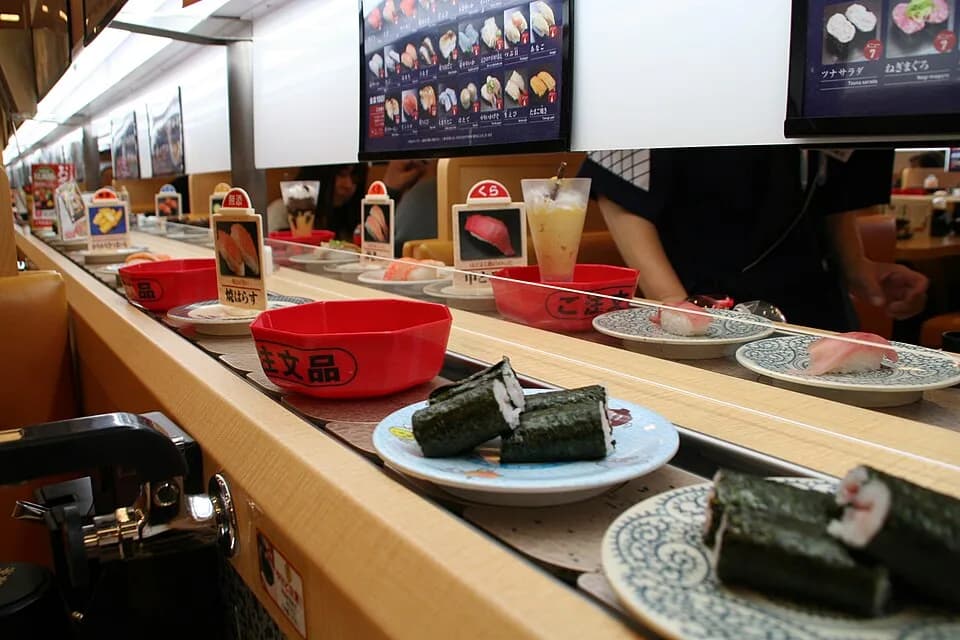
Conveyor belt sushi chains like Kura Sushi, Sushiro, and Hamazushi offer the most family-friendly dining in Tokyo, with colorful plates circling past kids who pick what they want without language barriers. A two-piece plate costs just 110–165 JPY (approx. 5.5–8 HKD), so a family of four can feast for under 3,000 JPY—30% less than the average family meal at Ichiran Ramen. Kura Sushi's "Bikkura Pon" system rewards every five plates with a capsule toy, a hit with children. Hong Kong families on TripAdvisor consistently rank kaiten-zushi as the top value dining experience in Tokyo, praising the no-reservation walk-in culture and intuitive tablet ordering. Branches at major shopping malls and train stations ensure easy access.
- 0

Ichiran Ramen stands out with its solo wooden booths and privacy screens, where diners customize noodles via an English paper form—a novelty that children aged 8+ find entertaining. TripAdvisor reviewers from Hong Kong cite it as a must-visit for its ritual and intensely savory Hakata-style broth. The Shibuya and Shinjuku branches have the shortest queues (15–45 minutes), while the Asakusa branch is near tourist centers. No reservations are accepted, but the wait is manageable.
- 0
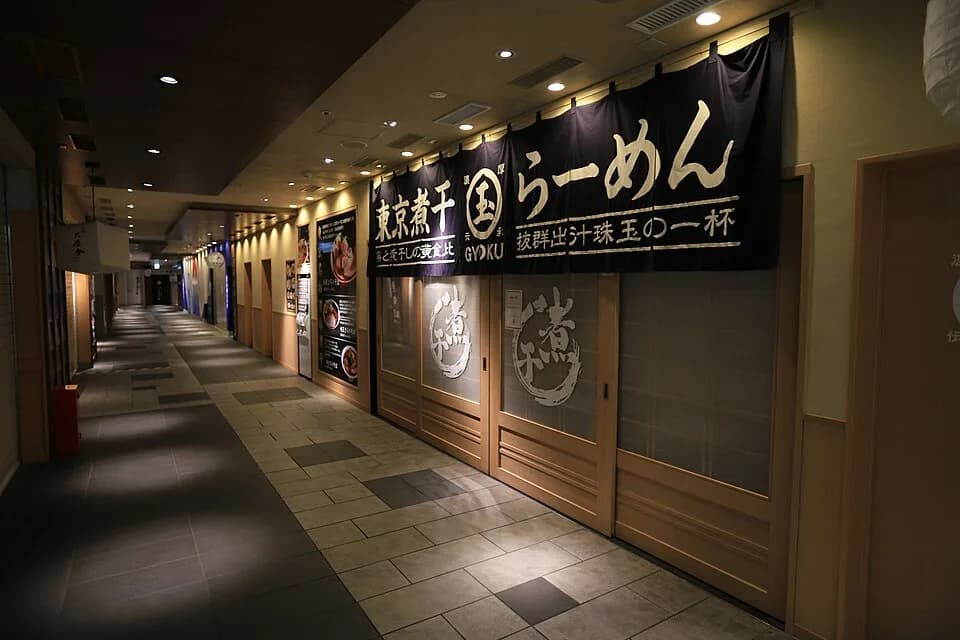
Tokyo Station's basement Ramen Street houses 8 renowned regional ramen shops side by side, letting families sample Tokyo shoyu, Sapporo miso, and more in one visit—far more efficient than exploring separate restaurants. Average bowls cost 900–1,500 JPY per person, with queues forming fast; arriving at 11 AM or after 2 PM avoids worst waits. TripAdvisor reviewers rate it Tokyo's most efficient ramen experience, ideal for food-curious families. The adjacent Character Street adds Pokemon and Ghibli shopping, making it a complete outing.
- 0
Gyukaku, Japan's largest yakiniku chain with 700+ branches, offers table-top charcoal grills where families cook beef and veggies interactively—a style that consistently delights children. The ventilated setup prevents smoke absorption, unlike traditional BBQ spots. Happy hour (5–7 PM) includes discounted drinks and appetisers, and English menus are widely available.
- 0

Pokemon Cafe in Nihonbashi delivers the ultimate character dining for fans aged 4-14, with dishes shaped like Pikachu, Gengar, and Eevee in a fully themed space. Set meals start at 2,000 JPY per person, including a themed plate and coaster souvenir, but advance reservations vanish within hours of opening one month prior. TripAdvisor reviewers rank it as one of Tokyo's most memorable children's dining experiences, despite premium pricing, praising the themed execution and exclusive merchandise. It demands stricter booking discipline than Tonkatsu Maisen, where walk-ins are possible, and rivals the Kirby Cafe at Tokyo Skytree Town in themed appeal. The 90-minute seating limit ensures efficient service for families.
- 0

The interactive format of swishing thin slices through dashi broth at a private table keeps children engaged, with broth temperatures safely managed for kids. With over 50 branches, the Shinjuku Lumine location is most accessible. The unlimited salad bar and dessert options add variety for picky eaters. Lunch crowds peak at 30-minute waits on weekends.
- 0
Tonkatsu Maisen in Omotesando serves extraordinary Kurobuta pork in a converted 1940s bathhouse, with teishoku sets ranging from 1,900 to 3,500 JPY. TripAdvisor rates it among the top 10 family-friendly restaurants in Harajuku-Omotesando, praised for crispy-yet-grease-free texture and child portions. The takeaway counter provides picnic supplies for nearby Yoyogi Park or Shinjuku Gyoen. The historic ambiance teaches cultural appreciation while satisfying appetites. A set meal for two adults and two children costs roughly 8,000 JPY, 20% less than comparable tonkatsu at high-end rivals.
- 0

Ninja Akasaka immerses guests in a themed subterranean castle with ninja escorts, table magic shows, and interactive star-throwing, serving Japanese-French fusion dishes that appear to "explode." Dinner courses start at 7,700 JPY per adult, with a children's bento at 3,300 JPY — 40% pricier than #6 MO-MO-PARADISE's all-you-can-eat lunch, but justified for special occasions. TripAdvisor's 3,000+ reviews average 4.0 stars, with parents noting genuine surprise in kids aged 6-14. Advance reservation is mandatory, and English-speaking ninja staff accommodate international families. The 2-hour experience includes a dessert trick, making it longer than most themed dinners. Children under 3 enter free, reducing costs for younger siblings.
- 0

Tsukiji Outer Market Breakfast delivers Tokyo’s most atmospheric fresh seafood experience in a labyrinth of tiny stalls, even after the tuna auction moved to Toyosu. grilled scallops cost 400 JPY each, sea urchin on rice cups are 1,500 JPY, tamagoyaki egg rolls range from 500-800 JPY, and tuna sashimi slices sell for 600 JPY per portion, all with incredible freshness. Arriving between 7-9 AM ensures the widest selection before popular stalls sell out. The experience is entirely outdoors, child-friendly, and requires no reservation, making it a top choice for families.
- 0
Tempura Tsunahachi, Shinjuku, has served premium tempura since 1923 from the same location near the east exit, frying each piece of prawn, white fish, and seasonal vegetable individually in pure sesame oil over wood charcoal flame. TripAdvisor reviewers consistently describe it as the best tempura value in central Tokyo, with counter seating allowing children to watch the frying process up close—a live cooking theatre that engages curious young diners.
- 0
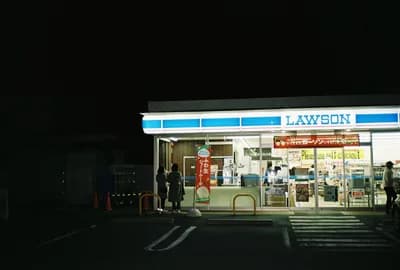
Japan’s konbini (convenience stores) are a gastronomy category unto themselves, producing fresh sushi, onigiri (rice triangles at 130-200 JPY each), cream buns, fried chicken karaage (180-250 JPY), and nikuman steamed buns of a quality that beats most restaurants in other countries. TripAdvisor’s “Japan Food Experiences” forum consistently lists konbini food as a top discovery for first-time Hong Kong visitors, many stating the egg salad sando (130-180 JPY) and matcha soft-serve from Lawson are among the best things they ate. Konbini also sell IC card top-ups, umbrellas, and travel essentials, offering unmatched convenience.
- 0
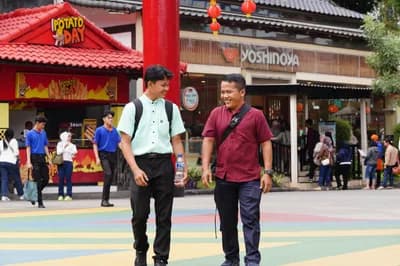
Yoshinoya and Sukiya are Japan’s two largest gyudon (beef on rice) chains, serving bowls of simmered beef and onions over steamed rice for 400-600 JPY per bowl—the fastest, cheapest, and most satisfying quick family meal, and a legitimate cultural food experience. Both chains offer set meals with miso soup and salad for under 600 JPY and are open 24 hours at most Tokyo locations. TripAdvisor Japan food guides regularly feature gyudon chains as essential eating for budget-conscious families, with children consistently enjoying the sweet-savoury beef flavour and the ritual of sprinkling red ginger (beni shoga) on top.
- 0
Kua Aina Burger delivers the best Hawaiian-style burgers in Tokyo for families seeking a relaxed, English-friendly meal without the language barrier. Since 1988, this Harajuku branch has earned consistent 4.0+ TripAdvisor ratings from international reviewers, with signature items like the avocado burger (1,300 JPY) and teriyaki pineapple burger (1,200 JPY); adding waffle fries brings a meal to roughly 1,800 JPY per person.
- 0
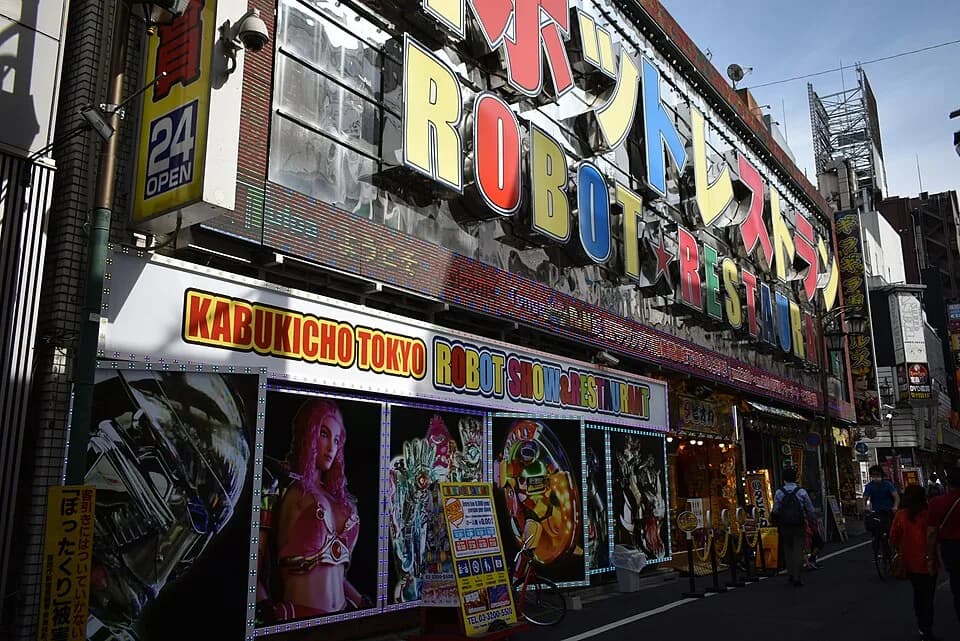
The Robot Restaurant in Kabukicho, Shinjuku, offers a neon-drenched performance spectacle with giant robot suits, laser shows, taiko drums, and acrobatic dancers across three 90-minute sessions each evening. Entry plus a basic bento box costs around 8,000 JPY per person (approx. 400 HKD), making it an expensive entertainment experience rather than a food destination. TripAdvisor reviews are split: families with children aged 8-14 who love loud, sensory spectacles rate it 5 stars, while others find it overwhelming. It is 30% pricier than the average high-end Tokyo family dining experience, but its Japanese pop-cultural chaos generates enormous social media content. Advance booking is strongly recommended; English-language commentary is provided via headset.
- 0
Kyushu Jangara Ramen in Akihabara serves the most authentic Hakata-style tonkotsu broth in Tokyo, drawing queues since 1984 from a narrow 20-seat shop. TripAdvisor reviewers specializing in ramen consistently rank it alongside Ichiran for tonkotsu quality, and its Akihabara location makes it the natural lunch stop before exploring the electronics and anime district. Cash only.
Image credits
- Conveyor Belt Sushi (Kura Sushi, Sushiro, Hamazushi): NipponBill / CC BY-SA 3.0 (entity-adopted)
- Ichiran Ramen: Suguri F / Wikimedia Commons (CC BY-SA 3.0)
- Ramen Street, Tokyo Station (B1): pcs34560 / Public domain (entity-adopted)
- Gyukaku BBQ (Yakiniku): Nesnad / Wikimedia Commons (CC BY-SA 4.0)
- Pokemon Cafe, Nihonbashi: Pokemon / Wikimedia Commons
- MO-MO-PARADISE Shabu Shabu: Alpha / Wikimedia Commons (CC BY-SA 2.0)
- Tonkatsu Maisen, Omotesando: Ocdp / Wikimedia Commons (CC0 1.0)
- Ninja Akasaka (Themed Restaurant): AldNonUcalus / Wikimedia Commons (CC BY-SA 4.0)
- Tsukiji Outer Market Breakfast: Chris 73 / Wikimedia Commons (CC BY-SA 3.0)
- Tempura Tsunahachi, Shinjuku: Gakuro / Wikimedia Commons (CC BY-SA 3.0)
- Convenience Store Culture (7-Eleven, Lawson, FamilyMart): Benny Analog / Pexels
- Yoshinoya / Sukiya Gyudon: hartono subagio / Pexels
- Kua Aina Burger, Harajuku: Fg2 / Wikimedia Commons (CC BY-SA 3.0)
- Robot Restaurant, Shinjuku (Entertainment Dining): 江戸村のとくぞう / CC BY-SA 4.0 (entity-adopted)
- Kyushu Jangara Ramen, Akihabara: Suguri F / Wikimedia Commons (CC BY-SA 3.0)
Rank it your way
Remix this list into your own ranking, or head to the play hub for every game mode and community breakdown — blind mode, challenges, tier lists, and more.
You Might Also Like

Japan on a Plate: The Dishes That Define Japanese Cuisine
Top 15 Best Restaurants in Tokyo for Families 2026

Top 15 Best Restaurants in Shenzhen for Families and Expats 2026
best family restaurants in Shenzhen

Top 15 Japan Food Experiences for Families (2026 Guide)
best Japanese food experiences for families

Top 10 Worst Grocery Store Brands
#1 Great Value (Walmart) · #2 Clover Valley (Dollar General) · #3 Our Family (Associated Wholesale Grocers)

Top 10 Classic Italian Pasta Dishes: From Carbonara to Pesto Genovese
#1 Spaghetti Carbonara · #2 Tagliatelle al Ragu Bolognese · #3 Cacio e Pepe
Top 10 Dubai Food Markets and Souks in 2026
#1 Deira Spice Souk · #2 Last Exit (Al Khawaneej) · #3 Waterfront Market (Deira)