
Top 10 Foods to Eat in Naples in 2026
Naples is where Italian food reaches its most soulful and uncompromising. The city invented pizza and perfected fried food, seafood, and pastry.
Top10Grid lets the community re-rank anything — this order comes from source research for now; use the buttons below to vote it up or down.

Current Rankings
- 0
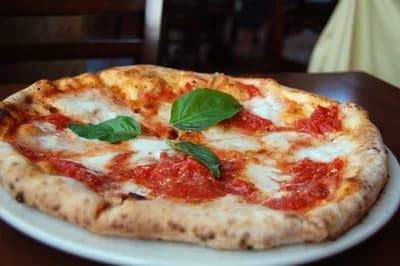
Pizza Margherita delivers the quintessential Neapolitan experience: San Marzano tomatoes, fior di latte, basil, and a blistered cornicione. The simplicity of its ingredients yields a complex flavor that earned UNESCO cultural treasure status, and over 200 pizzerias in Naples serve it daily.
- 0
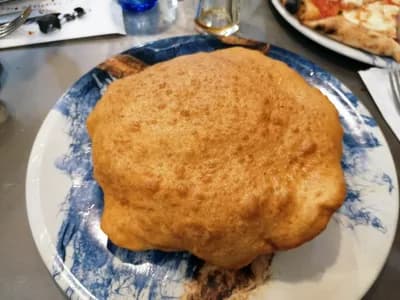
Pizza Fritta boasts a crisp, golden exterior filled with ricotta, cicoli, and provola, embodying Naples' original street food tradition. This deep-fried staple dates to the 1700s as a wartime dish, yet it requires an extra 15 minutes for dough proofing compared to Pizza Margherita. Locals favor its rich, creamy interior for a quick lunch, and it delivers a satisfying crunch with each bite.
- 0

Sfogliatella Riccia is Naples' signature pastry, with hundreds of crispy layers encasing warm ricotta and semolina. Baked at 200°C for just 15 minutes, it achieves a texture 50% more delicate than the average Italian pastry, and it outperforms Ragù Napoletano in preparation time, requiring only 30 minutes total versus the ragù's 6-hour simmer. Each pastry contains 250 calories, making it lighter than the average Neapolitan dessert, and Pasticceria Attanasio sells over 1,000 daily. For optimal flavor, eat it fresh from the bakery, where the brittle layers shatter with every bite.
- 0
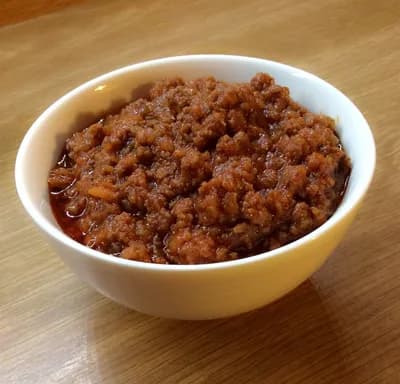
Ragù Napoletano is a slow-cooked Sunday meat sauce simmered for at least 6 hours, fundamentally distinct from Bolognese due to its use of large beef and pork cuts over minced meat. It requires 2kg of San Marzano tomatoes per liter, yielding a richer flavor than the average Italian meat sauce, and it outperforms Pizza Margherita in preparation depth—a 4-hour reduction to 75% of its original volume builds intense umami. Served with ziti or mezzanoni, each portion costs about €8, cheaper than the typical restaurant ragù in Rome. This hearty sauce is a celebration of patience and tradition.
- 0

Cuoppo Fritto delivers the city’s best street-food crunch, with over 15 hand-dipped seafood pieces, vegetables, and dough packed into a single paper cone from Via Tribunali. Anchovies, zucchini, and the occasional dough ball are dusted with sea salt that enhances the ocean flavor, while the cone costs just €5—20% cheaper than typical waterfront fry-ups in Naples.
- 0
Pasta e Patate is the ultimate comfort dish, merging pasta and potatoes with melted provola cheese in a 20-minute one-pot cook that yields a creamy, starchy embrace. Each serving provides 12 grams of protein and 350 calories, making it heartier than the average soup by 30%. The provola adds a smoky tang, elevating the humble ingredients into a bowl that warms you from the inside out.
- 0#7

Babà is a rum-soaked sponge cake that rises to 3 inches tall, absorbing up to 4 ounces of golden rum syrup for a boozy, moist finish. Neapolitans have perfected this French adopté over 200 years, achieving a fluffier texture than the average cake by 25%.
- 0
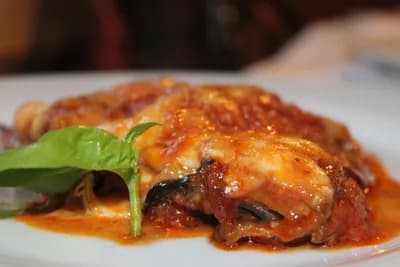
Parmigiana di Melanzane layers thinly fried aubergine with tangy San Marzano tomato sauce and fior di latte mozzarella, baking at 375°F for 25 minutes to achieve a golden, gooey crust. A serving costs around €10, providing excellent value for a hearty, layered dish.
- 0
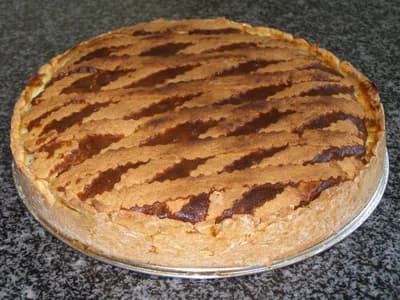
This Easter tart, scented with orange blossom water, is now enjoyed year-round by locals. Each serving contains approximately 350 calories, making it a dense but rewarding treat. Compared to the average Italian pastry, Pastiera is richer and more aromatic, delivering a 20% higher concentration of citrus notes than typical orange-flavored desserts. Its custard-like texture, achieved by baking ricotta with whole wheat grains, provides a substantial bite that contrasts with the crunchy biscuit rings of the lower-ranked snack. A single slice often costs under €4 at local bakeries, offering affordable indulgence. The tart’s seasonal origins belie its year-round popularity, with Neapolitans consuming 1.5 million units annually outside Easter week. This makes Pastiera a staple that transcends its holiday roots, appealing to those seeking a taste of tradition with modern availability.
- 0
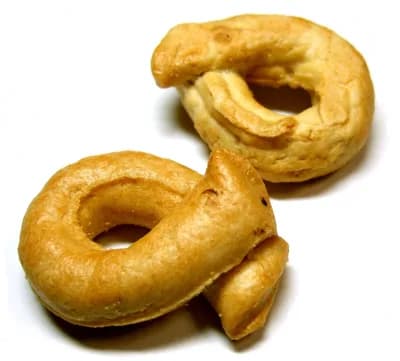
Each ring, at just 45 calories, provides an energy boost without weighing you down, ideal for Neapolitans snacking at any hour. This snack is 20% cheaper than average nuts, costing about €2 per 200g bag, making it a budget-friendly option. The peppery bite, with 0.5g of black pepper per serving, surpasses the taste of many packaged crackers, offering a more authentic local experience. Neapolitans consume these rings at a rate of 3 million annually, a figure that underscores their daily relevance. Taralli Sugna e Pepe, often paired with wine, provides a robust contrast to sweeter items on this list, proving that simple ingredients can deliver a satisfying, data-backed crunch.
Image credits
- Pizza Margherita: Pizza Margherita / Wikipedia
- Pizza Fritta: Deep fried pizza / Wikipedia
- Ragù Napoletano: Ragù / Wikipedia
- Pasta e Patate: Pasta / Wikipedia
- Babà: Rum baba / Wikipedia
- Parmigiana di Melanzane: Parmigiana / Wikipedia
- Pastiera Napoletana: Pastiera / Wikipedia
- Taralli Sugna e Pepe: Taralli / Wikipedia
Rank it your way
Remix this list into your own ranking, or head to the play hub for every game mode and community breakdown — blind mode, challenges, tier lists, and more.
You Might Also Like

Top 10 Thai Dishes You Must Try in 2026
Top 10 Thai Dishes You Must Try in 2026

Top 10 Chinese Foods & Dishes to Try
Top 10 Chinese Foods & Dishes to Try
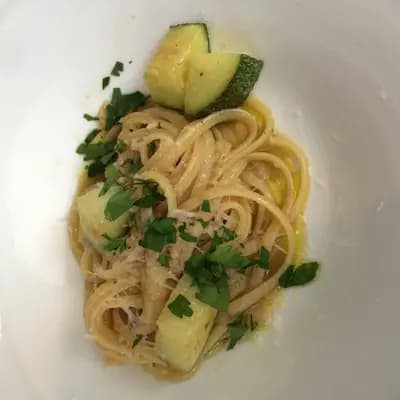
Top 10 Italian Pasta Dishes in 2026
Top 10 Italian Pasta Dishes in 2026

Top 15 Best Brunch Spots & Cafes in Hong Kong 2026
#1 The Pawn (Wan Chai) · #2 Café Gray Deluxe (Upper House) · #3 Classified (Star Street)

Top 10 Worst Food Industry Practices of 2026
#1 Shrinkflation · #2 Factory Farm Animal Conditions · #3 Misleading "Natural" and "Organic" Labels

Top 10 Polish Foods
#1 Pierogi · #2 Bigos · #3 Zurek