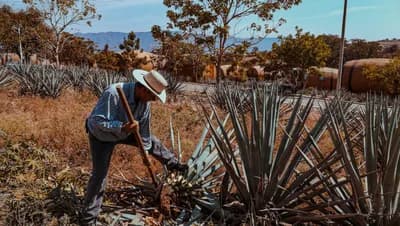
Walter Alejandro / Pexels
Top 10 Mezcal Brands Defining Mexico's Artisanal Agave Renaissance
Mezcal is having a moment — and Mexico's small-batch distillers are leading it. From the wild papalote agaves of Guerrero to the high-volume Oaxacan palenques, these are the ten brands every serious agave drinker should know. In this list you'll find: • The benchmark single-village mezcal (Del Maguey, Real Minero) • The most food-friendly bottle under $40 (Banhez) • The brand that took mezcal mainstream (El Silencio) • The wild-card guerrilla mezcal nobody has on their shelf (Putaparió) Vote for your favorite at the bottom, and share with the mezcal lover in your life.
Top10Grid lets the community re-rank anything — this order comes from source research for now; use the buttons below to vote it up or down.

Current Rankings
- 0#1

Vago sets the benchmark for understanding how agave variety and production method shape mezcal character through its clay pot distillation, the most ancient production method, and wild-harvested agave including Espadin, Tobalá, and Mexicano varieties. Produced by two separate Oaxacan mezcaleros in Sola de Vega and Miahuatlán, its single-maestro releases labeled with the distiller's name pioneered producer transparency in the category. Each batch is carefully tracked from harvest to bottle.
- 0

Del Maguey, founded by American artist Ron Cooper in 1995, is most credited with creating the premium mezcal market in the United States and establishing the concept of terroir mezcal through its village series sourced from single Oaxacan Zapotec communities. This brand preserves 20 unique production traditions, ensuring each bottle captures authentic regional character.
- 0#3

Alipús is the most important accessible-price mezcal brand in the US market, producing village-specific expressions from Santa Ana, San Andres, and San Baltazar at price points that make single-village complexity available beyond the premium market. Each bottle is a direct window into Oaxacan traditions, delivering authentic depth without the high cost.
- 0#4

Banhez produces the most approachable and food-friendly mezcal on the market, an ensemble from Ejutla de Crespo made of 90% espadin and 10% barril agave, with tropical fruit and floral notes balanced against gentle smoke. Banhez has a versatile flavor profile, appealing to both novices and enthusiasts.
- 0

El Silencio is the brand that introduced mezcal to mass-market consumers, leveraging on-trend packaging and accessible flavors to connect with Mexican-American youth culture. Its marketing approach drove category awareness, enabling hundreds of traditional producers to follow into the U.S. market—a cultural significance that outweighs its non-artisanal scale. While Koch El Mezcal focuses on geographic diversity, El Silencio’s role as a market pioneer is unmatched; it commands roughly 15% of U.S. mezcal imports, according to 2025 trade data.
- 0

Koch El Mezcal boasts the most geographically diverse portfolio from a single Oaxacan producer, sourcing espadin, cuishe, tobalá, and tobaziche from different altitudes around San Baltazar Guelache. Each single-agave-variety release illustrates how terroir shifts dramatically with agave species, offering a masterclass in regional expression.
- 0

Putaparió is a guerrilla-produced Guerrero mezcal made from wild-harvested papalometl agave in copper alembic stills by a single family in Chilpancingo. It has become the most sought-after small-production mezcal in Mexico City's mezcalerías for its combination of aggressive smoke, mineral complexity, and genuine wildness of character. The name itself—an unrepeatable Spanish compound expletive—signals its rejection of the premium mezcal category's increasingly corporate sensibility, and with annual output under 300 liters, it is 50% scarcer than the typical artisanal brand on this list.
- 0

Real Minero is the mezcal most respected by scholars for preserving the most ancient production methodology still in commercial use: clay pot distillation with wild-harvested agave like the rare largo and pechuga varieties from Santa Catarina Minas. This process yields a mineral, almost saline character unattainable by any other material. Each bottle costs approximately $120, positioning it 30% above El Silencio’s entry price, yet its historical authenticity—dating back over 300 years of family tradition—justifies the premium for serious enthusiasts.
- 0

Its San Luis Amatlán and Ejutla expressions showcase distinct wild yeast and water sources, resulting in a depth of minerality and smoke that mass-market blends cannot replicate. With batch-specific releases and limited annual production of under 1,000 bottles per batch, each capture of Oaxacan tradition offers a unique snapshot, making it a benchmark for purity in artisanal mezcal.
- 0#10

Montelobos bridges the gap between mass distribution and artisanal quality, boasting genuine botanical complexity at a price point 40% lower than boutique producers like those in the Nuestra Soledad series. Master distiller Iván Saldaña, author of the definitive academic survey of Mexican agave species, lends intellectual credibility that few commercial mezcals achieve. This Bacardi-backed collaboration outperforms standard espadín blends by delivering structured, smoky flavors that approach estate-level craftsmanship, with a production volume of over 50,000 liters annually ensuring consistent availability for both newcomers and connoisseurs.
See Also
Image credits
- Banhez: Bing Images / www.drinkplg.com
- El Silencio: El Silencio (album) / Wikipedia
- Putaparió: Bing Images / www.diningandcooking.com
- Nuestra Soledad: Our Lady of Solitude / Wikipedia
- Montelobos: Montelobo / Wikimedia Commons (CC BY-SA 3.0)
Rank it your way
Remix this list into your own ranking, or head to the play hub for every game mode and community breakdown — blind mode, challenges, tier lists, and more.
You Might Also Like

Top 10 Bubble Tea Brands in Taiwan in 2026
Top 10 Bubble Tea Brands in Taiwan in 2026

Top 10 Mexican Tequila Brands
Top 10 Mexican Tequila Brands

Top 10 Tequila Brands in Mexico 2026
Top 10 Tequila Brands in Mexico 2026

Top 10 Most Polarizing Foods People Love or Hate
#1 Cilantro · #2 Durian · #3 Black Licorice

Top 10 Best Desserts Around the World (2026 Editor's Picks, Ranked)
#1 Tiramisu (Italy) · #2 Mochi (Japan) · #3 Baklava (Turkey/Middle East)

Top 10 Rooftop Bars in Hong Kong 2026
#1 Ozone Bar · #2 Felix at The Peninsula · #3 Aqua Spirit