
Fashion is the world's second-largest polluter, consuming 93 billion cubic meters of water annually and generating 20% of global wastewater. In 2025, consumer pressure, EU textile regulations, and a new generation of material innovation have made sustainability a commercial imperative rather than niche positioning. These brands are leading the transition.
Curated by the Top10Grid editorial team. Rankings driven by community votes and updated daily.

Patagonia remains the gold standard of sustainable apparel. In 2022 founder Yvon Chouinard transferred ownership to a climate trust, dedicating all profits to fighting climate change. Its Worn Wear repair program has extended the life of over 100,000 garments. Patagonia uses 87% recycled materials and publishes full supply chain transparency.

Stella McCartney has maintained a fur-free, leather-free ethos since founding in 2001. Her 2025 Spring collection featured garments made from Mylo (mycelium leather), Bolt Threads' Microsilk, and Renewlon recycled cashmere. As LVMH's sustainability pioneer, she proves that luxury and environmental responsibility are not mutually exclusive.

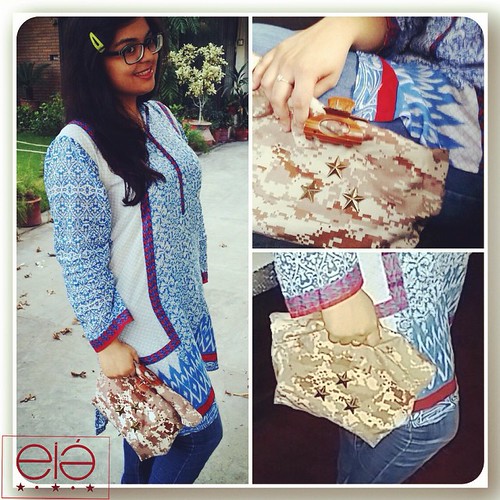
Eileen Fisher's Renew program has taken back and resold over 1.8 million garments, making it one of the most successful circular fashion programs in the industry. The brand uses 100% sustainable fabrics including organic cotton, Tencel, and recycled cashmere, with a target for 100% traceability by 2025. Its B-Corp certification validates its commitments.

Allbirds pioneered the use of merino wool, eucalyptus fiber (Tencel), and sugarcane foam (SweetFoam) in footwear, displaying carbon footprint labels on every product. Its 2025 Tree Flyer running shoe achieved the lowest carbon footprint of any performance running shoe at 9.4 kg CO2e. The company's mission to prove business can be a force for climate good has inspired a generation of sustainable footwear brands.

Reformation publishes quarterly sustainability reports tracking water, carbon, and waste metrics. The brand uses deadstock fabrics, TENCEL, and recycled materials across its California-manufactured collection. Its RefScale sustainability measurement system provides per-garment environmental impact data. With $500 million in revenue, it proves sustainable fashion can scale commercially.

Canadian brand tentree plants 10 trees for every item purchased, with 100 million trees planted across 8 countries since 2012. It uses sustainably sourced materials including organic cotton, cork, coconut, and Tencel. Its digital tree-tracking system lets customers see exactly where their trees were planted via GPS coordinates, providing unprecedented supply chain transparency.
French sneaker brand Veja sources organic cotton from Brazil's Porte Alegre region, wild rubber from Amazonian seringueiros (rubber tappers), and chrome-free leather from Brazil's leather certification standards. Without spending on advertising, Veja built a $250 million business through word of mouth, worn by Michelle Obama, Meghan Markle, and millions of sustainability-conscious consumers.

prAna was among the first major clothing brands certified Fair Trade, organic, and bluesign-approved (responsible water use) simultaneously. Its climbing and yoga apparel uses recycled polyester, organic cotton, and hemp. The brand's 2025 partnership with the Sustainable Apparel Coalition on material transparency tools advanced industry-wide accountability standards.

UK-based People Tree pioneered Fair Trade fashion and GOTS (Global Organic Textile Standard) certification before sustainability was a marketing category. Founded in 1991, it works with artisan producer groups in Bangladesh, India, and Kenya, ensuring living wages and safe conditions across its supply chain. Emma Watson designed a capsule collection that brought worldwide attention to the brand.

Girlfriend Collective makes its signature leggings from recycled plastic bottles (each pair uses 25 bottles) and fishing nets, with GRS and OEKO-TEX certifications ensuring ethical manufacturing. Its LITE collection made from post-consumer recycled fabric set a new benchmark for sustainable activewear. The brand also runs a free garment recycling program for its products.
The most-voted lists across every category — curated weekly. Join the early readers.
No spam. One email per week. Unsubscribe anytime.


Create a free account or sign in to join the discussion.
Sign in to join the conversation
Top 10 Sneakers That Changed Culture ForeverTop 10 Red Carpet Moments That Broke the InternetTop 10 Most Iconic Basketball ShoesExplore more Fashion rankings on Top10Grid

Patagonia remains the gold standard of sustainable apparel. In 2022 founder Yvon Chouinard transferred ownership to a climate trust, dedicating all profits to fighting climate change. Its Worn Wear repair program has extended the life of over 100,000 garments. Patagonia uses 87% recycled materials and publishes full supply chain transparency.

Stella McCartney has maintained a fur-free, leather-free ethos since founding in 2001. Her 2025 Spring collection featured garments made from Mylo (mycelium leather), Bolt Threads' Microsilk, and Renewlon recycled cashmere. As LVMH's sustainability pioneer, she proves that luxury and environmental responsibility are not mutually exclusive.

Eileen Fisher's Renew program has taken back and resold over 1.8 million garments, making it one of the most successful circular fashion programs in the industry. The brand uses 100% sustainable fabrics including organic cotton, Tencel, and recycled cashmere, with a target for 100% traceability by 2025. Its B-Corp certification validates its commitments.

Allbirds pioneered the use of merino wool, eucalyptus fiber (Tencel), and sugarcane foam (SweetFoam) in footwear, displaying carbon footprint labels on every product. Its 2025 Tree Flyer running shoe achieved the lowest carbon footprint of any performance running shoe at 9.4 kg CO2e. The company's mission to prove business can be a force for climate good has inspired a generation of sustainable footwear brands.

Reformation publishes quarterly sustainability reports tracking water, carbon, and waste metrics. The brand uses deadstock fabrics, TENCEL, and recycled materials across its California-manufactured collection. Its RefScale sustainability measurement system provides per-garment environmental impact data. With $500 million in revenue, it proves sustainable fashion can scale commercially.

Canadian brand tentree plants 10 trees for every item purchased, with 100 million trees planted across 8 countries since 2012. It uses sustainably sourced materials including organic cotton, cork, coconut, and Tencel. Its digital tree-tracking system lets customers see exactly where their trees were planted via GPS coordinates, providing unprecedented supply chain transparency.
French sneaker brand Veja sources organic cotton from Brazil's Porte Alegre region, wild rubber from Amazonian seringueiros (rubber tappers), and chrome-free leather from Brazil's leather certification standards. Without spending on advertising, Veja built a $250 million business through word of mouth, worn by Michelle Obama, Meghan Markle, and millions of sustainability-conscious consumers.

prAna was among the first major clothing brands certified Fair Trade, organic, and bluesign-approved (responsible water use) simultaneously. Its climbing and yoga apparel uses recycled polyester, organic cotton, and hemp. The brand's 2025 partnership with the Sustainable Apparel Coalition on material transparency tools advanced industry-wide accountability standards.

UK-based People Tree pioneered Fair Trade fashion and GOTS (Global Organic Textile Standard) certification before sustainability was a marketing category. Founded in 1991, it works with artisan producer groups in Bangladesh, India, and Kenya, ensuring living wages and safe conditions across its supply chain. Emma Watson designed a capsule collection that brought worldwide attention to the brand.

Girlfriend Collective makes its signature leggings from recycled plastic bottles (each pair uses 25 bottles) and fishing nets, with GRS and OEKO-TEX certifications ensuring ethical manufacturing. Its LITE collection made from post-consumer recycled fabric set a new benchmark for sustainable activewear. The brand also runs a free garment recycling program for its products.
Top 10 Most Common Dreams and What They Mean
177 views · @admin

Top 10 YouTube Channels to Watch for Personal Finance & Investing in 2026
148 views · @admin
Top 10 Richest People in the World 2026
84 views · @admin

Top 10 Taiwan Tech Companies in 2026
74 views · @admin

Top 10 Sneakers That Changed Culture Forever
66 views · @admin
Top 10 Red Carpet Moments That Broke the Internet
62 views · @admin
Because you're viewing Fashion
Top 10 Best World Cup Kits of All Time
125 views · 0 votes

Top 10 Sneakers That Changed Culture Forever
66 views · 0 votes
Top 10 Red Carpet Moments That Broke the Internet
62 views · 0 votes
Top 10 Most Iconic Basketball Shoes
54 views · 0 votes

Top 10 Celebrity Fashion Lines — The Hits and the Misses
50 views · 0 votes

Top 10 Best Denim Brands 2026
46 views · 0 votes
If you liked this, you might love these

Top 10 Best Luxury Fashion Brands 2026
10 items
Top 10 Best World Cup Kits of All Time
10 items

Top 10 Sneakers That Changed Culture Forever
10 items
Top 10 Red Carpet Moments That Broke the Internet
10 items
Top 10 Most Iconic Basketball Shoes
12 items

Top 10 Celebrity Fashion Lines — The Hits and the Misses
10 items