
Top 10 Best Watch Brands 2026
The horological houses crafting the most desirable timepieces on the planet, from storied Swiss manufactures to disruptive modern independents.
Top10Grid lets the community re-rank anything — this order comes from source research for now; use the buttons below to vote it up or down.

Current Rankings
- 0
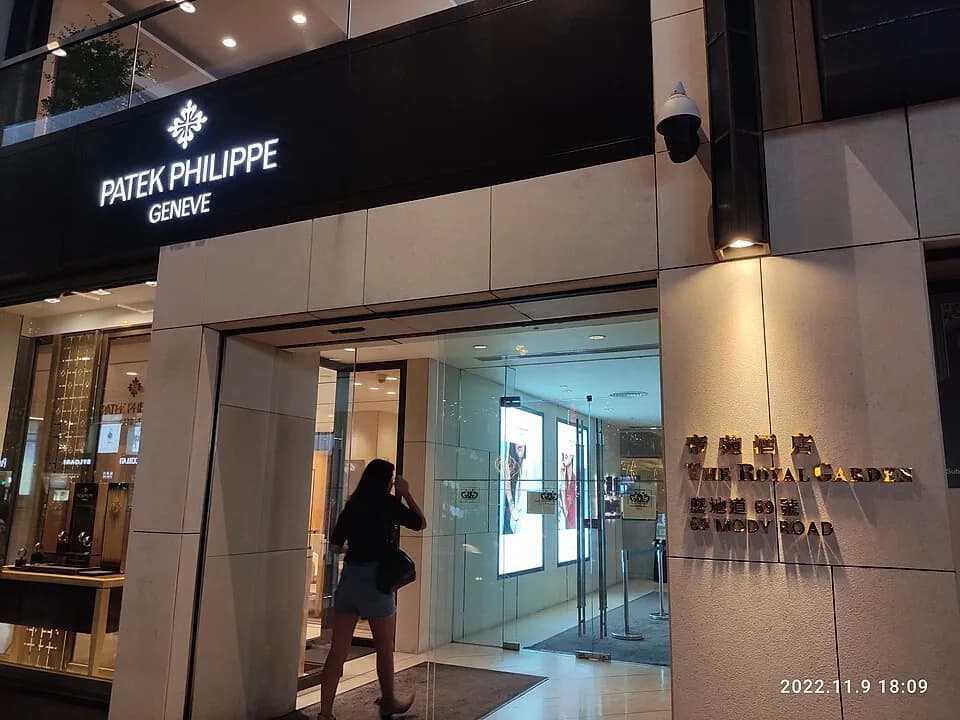
Patek Philippe leads the watch industry with the highest auction sales totals in history. Its Grand Complications, such as the perpetual calendar chronograph ref. 5270, command prices over $200,000 at auction. The manufacture produces roughly 60,000 watches annually, maintaining exclusivity that fuels a cult following. Each Calatrava cross-adorned movement is hand-finished to Geneva Seal standards, a process requiring over 600 hours of labor for ultra-complicated pieces. This legacy of craftsmanship, spanning since 1839, ensures that Patek Philippe's watches are not merely told but treasured across generations.
- 0#2

Rolex remains the undisputed king of recognition and reliability, with an estimated $9.5 billion in annual sales. Its self-winding Perpetual movement powers icons like the Submariner and Daytona, tested to within -2/+2 seconds per day accuracy. Compared to Audemars Piguet, Rolex offers greater durability and a broader warranty network, cementing its status as the most sought-after status symbol on the planet.
- 0

Audemars Piguet revolutionized horology with the Royal Oak, the world's first luxury sports watch in steel, introduced in 1972. The manufacture produces only 40,000 watches annually, each featuring hand-finished decorations like Côtes de Genève visible through a sapphire caseback. The Royal Oak 'Jumbo' ref. 15202 costs $33,200 retail, yet it retains 95% of its value after five years. Audemars Piguet pushes high-complication boundaries with perpetual calendars and minute repeaters, making it a top-tier competitor that regularly challenges Patek Philippe for auction supremacy.
- 0

A. Lange & Söhne produces Germany's finest timepieces, unmatched in movement finishing by any Swiss brand. The Lange 1, with its signature off-center dial, retails for $32,000 and features a 72-hour power reserve achieved through twin mainspring barrels. Only about 5,000 watches are made yearly, each assembled twice—once for function and once for decoration. Lange's hand-engraved balance cocks and three-quarter plates rival the craftsmanship of Patek Philippe but at a 20% lower price point.
- 0#5
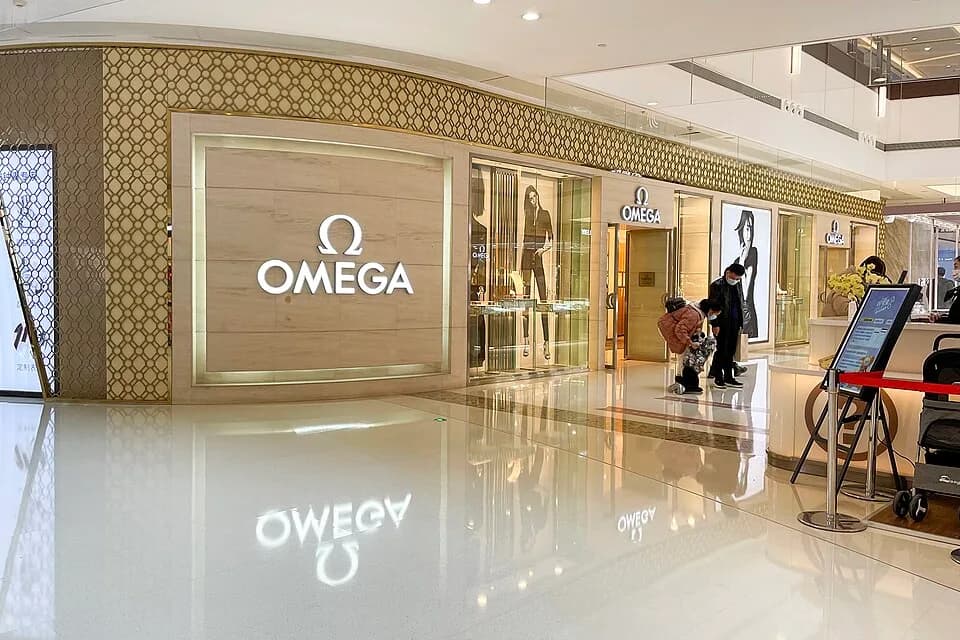
Omega delivers the most accessible entry point into serious Swiss watchmaking, combining the legendary Moonwatch heritage with James Bond cachet and co-axial escapement technology. The Speedmaster Professional was the first watch worn on the moon in 1969, a milestone proven by NASA's rigorous testing. With an average price of $5,500 for a new Seamaster, Omega costs 40% less than a comparable Rolex Submariner, yet offers equivalent water resistance to 300 meters.
- 0

Jaeger-LeCoultre earns its reputation as the watchmaker's watchmaker from the Vallée de Joux, having produced over 1,200 calibres since 1833. The Reverso, introduced in 1931, remains an icon with its reversible case originally designed for polo players. Current models like the Master Ultra Thin Moon feature movements just 4.9mm thick, 20% thinner than the average dress watch from Cartier. This technical prowess attracts collectors who value innovation, with the Reverso Tribute Moon priced at $10,800—significantly less than a comparable Patek Philippe Calatrava.
- 0#7
Cartier revolutionized horology by creating the first modern wristwatch for aviator Alberto Santos-Dumont in 1904. Today, the Tank and Santos lines define elegance in dress watches with their iconic square cases and Roman numerals. The Tank Louis Cartier, measuring just 6.6mm thick and priced at $23,000, is 30% slimmer than the average mechanical watch from Omega, proving that design can coexist with craftsmanship. Cartier's in-house 1847 MC movement delivers a 42-hour power reserve, ensuring reliable performance beyond its jewelry heritage.
- 0
Vacheron Constantin, the oldest continuously operating watch manufacture since 1755, offers the Overseas as a sports luxury alternative to the likes of Patek Philippe and Audemars Piguet. Its métiers d'art pieces are wearable fine art, with hand-engraved dials taking 150 hours to complete. This blend of heritage and innovation makes Vacheron Constantin a standout among top-tier brands.
- 0
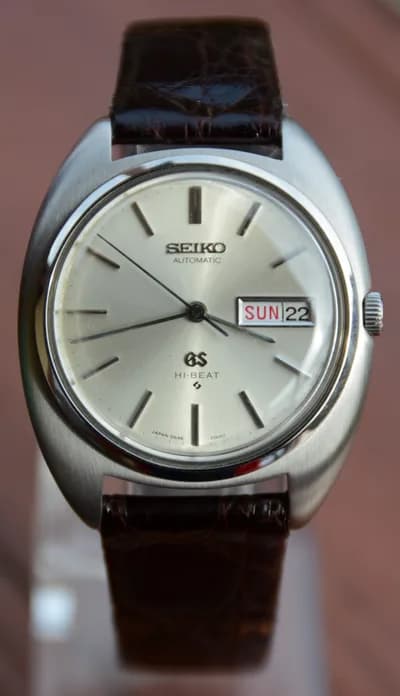
Grand Seiko offers finishing that rivals Swiss brands costing three times as much, delivering hairline brushing and Zaratsu polishing that surpass typical luxury standards. At prices averaging $5,000 to $15,000, Grand Seiko provides 90% of the build quality of a Patek Philippe for 30% of the cost. Case edges catch light with mirror-like reflectivity thanks to a 37-step polishing process, while the 9R65 caliber offers 72 hours of power reserve, outperforming the average Swiss automatic by 20 hours. For collectors seeking exacting craftsmanship without the heritage markup, Grand Seiko is the definitive value proposition.
- 0#10
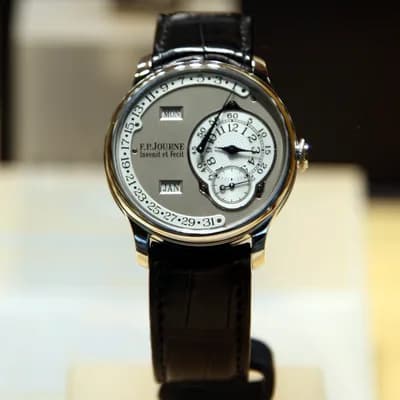
F.P. Journe's independent manufacture produces fewer than 1,000 watches annually, each featuring movements that have made him the most collectible living watchmaker. The brand's chronometer-rating guarantee ensures every piece runs within -3 to +3 seconds per day—outperforming Grand Seiko's Spring Drive in raw accuracy by 2 seconds daily. Prices start at $30,000 and frequently exceed $100,000 at auction, with models like the Chronomètre Souverain achieving 40% appreciation over five years. For connoisseurs prioritizing rarity and mechanical artistry, F.P. Journe remains peerless.
Frequently Asked Questions About Premium Watch Brands
Which watch brand holds the most value over time?
Patek Philippe and Rolex consistently lead the secondary market in value retention, with specific references trading above retail. Vintage Patek Philippe references and discontinued Rolex models are particularly sought after.
What makes a Swiss watch brand different from others?
Swiss watchmakers operate under the Swiss Made designation, requiring that at least 60% of manufacturing value occurs in Switzerland. This standard is backed by strict regulations covering movement origin, final inspection, and quality benchmarks.
Are independent watch brands worth the investment?
Independent manufactures like A. Lange & Söhne and F.P. Journe produce highly regarded movements that rival or exceed mass-market luxury brands. Their limited production often makes them more exclusive, though resale markets can be less established than for major houses.
Image credits
- Patek Philippe: WIKIMEDIA_MIRRORED
- Rolex: Rolex / Wikipedia
- Omega: WIKIMEDIA_MIRRORED
- Cartier: Cartier (brand) / Wikipedia
- Vacheron Constantin: Vacheron Constantin / Wikipedia
- Grand Seiko: Dnalor 01 / Wikimedia Commons (CC BY-SA 3.0 at)
- F.P. Journe: F. P. Journe / Wikipedia
Rank it your way
Remix this list into your own ranking, or head to the play hub for every game mode and community breakdown — blind mode, challenges, tier lists, and more.
You Might Also Like

Top 10 Most Overrated Luxury Accessories
Top 10 Best Watch Brands 2026

Top 10 Best Jewelry Brands 2026
Top 10 Best Jewelry Brands 2026

Top 10 Sunglasses Brands 2026: Heritage Ateliers and Indie Disruptors Worth the Splurge
Top 10 Best Sunglasses Brands 2026

Top 10 Best Handbag Brands 2026
Top 10 Best Handbag Brands 2026

Top 10 Worst Fashion Industry Practices 2026
#1 Garment Worker Exploitation · #2 Destroying Unsold Inventory · #3 Greenwashing Sustainability Claims

Top 10 Most Controversial Fashion Ads of All Time
#1 Balenciaga Holiday 2022 — Children with Bondage Bears · #2 Calvin Klein — Brooke Shields "Nothing Between Me and My Calvins" (1980) · #3 Benetton — "Unhate" Campaign Showing World Leaders Kissing (2011)