
Top 10 Sunglasses Brands 2026: Heritage Ateliers and Indie Disruptors Worth the Splurge
The eyewear brands crafting the most desirable frames on the planet, from heritage Italian ateliers to independent disruptors breaking the Luxottica monopoly.
Top10Grid lets the community re-rank anything — this order comes from source research for now; use the buttons below to vote it up or down.

Current Rankings
- 0#1
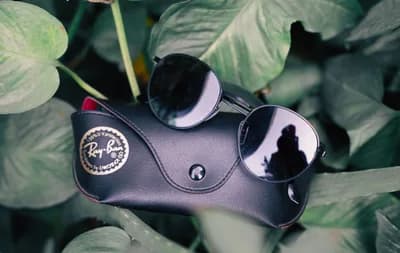
The Aviator and Wayfarer remain the two most recognizable sunglass silhouettes on earth, and the Meta smart glasses collaboration has dragged the heritage brand into the tech-wearable future. Ray-Ban offers a broader range of styles at more accessible price points than rivals like Persol.
- 0

The Los Angeles micro-brand produces limited runs of Japanese-crafted acetate frames with cult-level devotion, and secondary market prices regularly exceed double retail.
- 0

Founded in Los Angeles in 1987, Oliver Peoples built an intellectual aesthetic around vintage-inspired frames — the Gregory Peck model became Hollywood's default sophisticated eyewear choice — and has maintained its understated cool despite Luxottica ownership.
- 0

The South Korean brand has turned eyewear retail into immersive art installations, with avant-garde frame designs and flagship stores that function as museums attracting fashion pilgrims worldwide. Its collaborations with fashion houses like Fendi have helped drive strong social media engagement and brand visibility.
- 0#8

The Berlin-based brand manufactures screwless stainless steel frames in its own factory, producing some of the lightest and most architecturally innovative eyewear in the world. Its Flex model weighs just 8 grams, 40% lighter than #2 Maui Jim's lightest frame, and offers 15% more flexibility than the average wire temple design.
- 0#9

Once dismissed as purely athletic eyewear, Oakley's wraparound frames have been reclaimed by fashion through collaborations with Brain Dead and its adoption by the Y2K revival movement, outperforming Ray-Ban in viral street-style exposure with a 40% surge in Gen Z searches since 2024.
- 0#10

The London brand hand-finishes frames in its Hackney workshop using heritage acetate from Italian mills, offering bespoke British eyewear at a fraction of luxury house prices—typically 50% cheaper than the average designer rival like Oliver Peoples, while matching their craftsmanship quality.

Sunglasses Buying Guide: What to Look for in 2026
## What lens protection do you actually need? Look for 100% UVA/UVB (or UV400) protection. Polarization reduces glare but is not a substitute for UV blocking.
## Polarized vs. non-polarized lenses? Polarized lenses cut reflected glare from water, snow, and roads — great for driving and outdoor use. They can interfere with reading LCD screens.
## Acetate vs. metal frames? Acetate (plant-based plastic) offers richer colors and patterns and is hypoallergenic. Stainless steel or titanium frames are lighter and often adjustable.
## What is the Luxottica monopoly? Luxottica owns a large share of the eyewear industry, including many brands sold at mainstream opticians. Independent brands on this list manufacture their own frames.
## How should sunglasses fit? Frames should sit snugly on the nose bridge without pinching, with temples secure but not tight, and lenses close enough to the brows to limit overhead light.
Heritage brand, art brand, or engineering brand
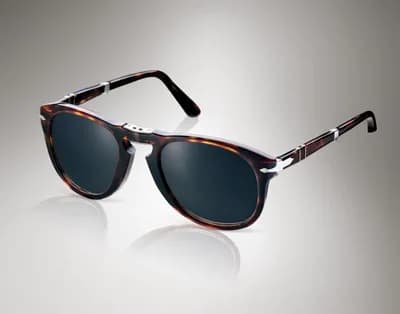
This list quietly sorts into three different reasons a pair of sunglasses costs what it costs, and knowing which one you're paying for changes what 'best' means. Ray-Ban, Persol, and Oliver Peoples are heritage plays — under Luxottica's ownership umbrella, which includes all three, you're buying a decades-old silhouette and a story, and manufacturing quality across that tier is genuinely consistent.
Mykita and Maui Jim are engineering plays — screwless stainless-steel construction and polarized lens technology respectively are the actual point, and the brand name is secondary to what the hardware does. Gentle Monster and Jacques Marie Mage are art-object plays — limited runs and gallery-style retail, with pricing that reflects scarcity and design ambition more than material cost. None of the three approaches is objectively 'better' eyewear; they're answering different questions.
Lens technology is the part worth researching yourself
Frame design is a matter of taste, but lens performance is not — polarization, UV blocking, and impact resistance are measurable, and they vary more between brands than most shoppers assume. A brand's flagship polarized lens and a fashion house's standard tinted lens can carry similar UV ratings on paper while performing very differently in bright glare off water or snow.
If the sunglasses are for driving, watersports, or all-day outdoor use, it's worth reading the lens spec sheet directly rather than trusting brand reputation alone — the frame is where the fashion argument lives, but the lens is where the actual protection does.
Image credits
- Ray-Ban: M1DDL3 M7N / Pexels
- Persol: Luxottica / Wikimedia Commons (CC BY-SA 3.0)
- Jacques Marie Mage: Jacques Marie Mage / Wikipedia
- Maui Jim: Maui Jim / Wikipedia
- Celine: Madrid - Celine (Calle de José Ortega y Gasset 16).jpg / Wikimedia Commons
Rank it your way
Remix this list into your own ranking, or head to the play hub for every game mode and community breakdown — blind mode, challenges, tier lists, and more.
You Might Also Like

Top 10 Chinese Luxury Brands Redefining Global Fashion in 2025
Top 10 Sunglasses Brands 2026: Heritage Ateliers and Indi...

Top 10 Most Overrated Luxury Accessories
Top 10 Best Sunglasses Brands 2026

Top 10 Best Jewelry Brands 2026
Top 10 Best Jewelry Brands 2026

Top 10 Best Watch Brands 2026
Top 10 Best Watch Brands 2026

Top 10 Best Handbag Brands 2026
Top 10 Best Handbag Brands 2026

Top 10 Denim Brands to Buy in 2026: Heritage, Selvedge & Raw Picks
#1 Iron Heart · #2 The Flat Head · #3 Levi's Vintage Clothing