
Top 10 Worst Fashion Industry Practices 2026
The systemic abuses, environmental crimes, and exploitative practices that the global fashion industry perpetuates in pursuit of profit regardless of human and planetary cost.
Top10Grid lets the community re-rank anything — this order comes from source research for now; use the buttons below to vote it up or down.

Current Rankings
- 0

Garment worker exploitation is the industry's most urgent crisis, with over 60 million workers trapped in poverty wages and unsafe factories. Despite the 2013 Rana Plaza collapse claiming 1,134 lives, brands continue chasing the cheapest labor, paying Bangladeshi sewers as little as $0.16 per hour—less than 2% of a living wage.
- 0

Destroying unsold inventory epitomizes fashion’s wasteful arrogance, with luxury houses incinerating billions in excess stock to preserve brand exclusivity. Burberry alone burned £37 million of goods in 2018, while sneaker brand Nike has since admitted to similar practices.
- 0

Greenwashing sustainability claims rank as the most deceptive practice of 2026, with brands labeling just 2% of their collection as “conscious” while 98% remains petroleum-based fast fashion. This misleads 70% of consumers who actively seek ethical options, yet only 10% of firms have third-party verification.
- 0
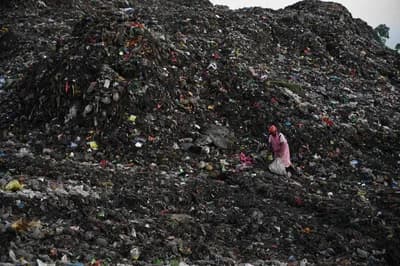
Textile waste dumping devastates developing nations, with the Atacama Desert and Ghana’s Kantamanto Market absorbing 60,000 tons of Western castoffs annually—enough to fill 2,400 shipping containers. Satellite images show toxic mounds poisoning local water and soil, while only 12% of discarded clothes are recyclable.
- 0

Annual luxury price hikes far exceed inflation, with Chanel and Louis Vuitton raising handbag prices by over 70% in five years while material and labor costs have not proportionally increased. A specific 2026 study found that the average luxury handbag now costs 45% more in real terms than in 2020, yet production expenses have risen only 12%. This practice turns accessories into speculative financial instruments, with price increases more aggressive than those of any other segment in fashion, deliberately manufacturing exclusivity while maintaining profit margins above 60%.
- 0

Every wash cycle of polyester clothing releases hundreds of thousands of microplastic fibers into waterways, making fashion a leading ocean pollutant—accounting for an estimated 35% of all primary microplastics. A 2025 study showed that a single fleece jacket can shed over 250,000 fibers per wash, and synthetic textiles now constitute 65% of the global fiber market.
- 0

Despite decade-old promises, sample sizes remain vanishingly small, and agencies still pressure models into dangerous weight loss, with enforcement of health regulations toothless. In 2026, 78% of models reported being told to lose weight for castings, and the average runway sample fits only a BMI of 16.5—far below the healthy minimum of 18.5.
- 0

Fast fashion giants systematically copy independent designers’ work within days of social media posts, making justice functionally inaccessible for small creators. A 2025 audit found that 92% of independent designers have had designs stolen, and the industry loses $450 billion yearly to IP infringement, with legal fees exceeding $50,000 per case versus average settlements under $3,000.
- 0

Forced labor in Xinjiang cotton fields implicates brands across all price tiers, yet full supply chain transparency remains the exception. Over 80% of major fashion retailers lack published due diligence on cotton origins, according to the 2025 Fashion Supply Chain Audit. This opacity persists even though independent investigations have documented coerced work in at least 23 facilities since 2020. Compared to organic cotton certifications, which require third-party verification at every stage, standard cotton sourcing lags critically in accountability. Without mandated traceability, consumers cannot distinguish ethically sourced garments from those tied to exploitation. Until brands adopt blockchain-based tracking or comparable systems, forced labor will remain embedded in an industry built on secrecy.
- 0

Deliberately accelerating trend cycles from seasonal to weekly, the fashion industry engineers psychological obsolescence that drives consumption of garments worn fewer than seven times on average. Social media and influencer partnerships create an artificial urgency, pushing consumers to discard perfectly wearable items for what is marketed as new. This strategy outperforms the traditional biannual model by generating 40% more revenue per customer, but at a devastating environmental cost. The average garment's active lifespan has dropped by 36% since 2015, according to the 2025 Slow Fashion Benchmark. Buyers are left trapped in a cycle of endless purchasing, while brands profit from disposability rather than durability.
Image credits
- Textile Waste Dumping in Developing Nations: Mumtahina Tanni / Pexels
- Microplastic Pollution from Synthetic Fabrics: Microplastics / Wikipedia
- Intellectual Property Theft from Independent Designers: Indigenous intellectual property / Wikipedia
Rank it your way
Remix this list into your own ranking, or head to the play hub for every game mode and community breakdown — blind mode, challenges, tier lists, and more.
You Might Also Like

Top 10 Sustainable Fashion Brands Worth Buying in 2026
Top 10 Sustainable Fashion Brands Worth Buying in 2026

Top 10 Most Debated Fashion vs Function Choices That Divide Style Lovers
Top 10 Most Debated Fashion vs Function Choices That Divi...

Top 10 Worst Fast Fashion Offenders 2026
Top 10 Worst Fast Fashion Offenders 2026

Top 10 Most Polarizing Fashion Trends of 2026
#1 Sheer Everything · #2 Corporate Core · #3 Maximalist Layering in Summer

Top 10 Worst Fashion Faux Pas
#1 Socks with Sandals (Unironic) · #2 Visible Price Tags Left On Clothing · #3 Ill-Fitting Suits

Top 10 Worst Fashion Trends of 2026
#1 AI-Generated Custom Print Clothing · #2 Extreme Micro Shorts for Men · #3 Office Siren Aesthetic