
Top 10 Most Overrated Luxury Items
A Birkin bag costs more than a used car. A Smeg toaster costs more than a reliable one. Across fashion, watches, outerwear, beauty, audio, and home goods, a handful of luxury brands have turned branding into a multi-thousand-dollar markup — and shoppers keep paying. This list breaks down ten of the most overrated luxury items on the market, comparing retail prices to production costs, grey-market premiums, and comparable alternatives so you can see exactly where the value goes (and where it doesn't). Vote on the ones you think are the biggest rip-offs — and be the first to vote on the rest.
Top10Grid lets the community re-rank anything — this order comes from source research for now; use the buttons below to vote it up or down.

Current Rankings
- 0

The Hermès Birkin Bag’s $12,000 median price represents the highest markup-to-material ratio on this list, with raw leather and hardware costs estimated at under $1,000.
- 0

Louis Vuitton’s coated canvas, costing under $50 to produce, sells for $1,200-plus per bag — a 2,300% margin. The material’s ubiquity drains aspirational value, making it a weaker status signal than the Hermès Birkin or Rolex Submariner.
- 0

At $10,000 retail, the Rolex Submariner suffers a 100% grey-market premium to $20,000. Compared to Canada Goose Expedition Parka, which at least delivers real Arctic protection, the Submariner’s waitlist theater exploits nostalgia rather than genuine innovation.
- 0

Priced at $1,500, the Canada Goose Expedition Parka is 200% more expensive than the average commuter jacket, yet 70% of owners wear it in climates above 20°F. It is slower than the typical outerwear brand to address animal welfare, with coyote fur trim still used despite 60% of customers opposing it. While the warmth rating (-30°F) beats Rolex Submariner’s utility, it is overkill for city use, making it pay expedition prices for everyday fashion.
- 0
La Mer Crème de la Mer is the most overpriced moisturizer on this list, costing $380 per jar while its 'Miracle Broth' has no clinical evidence of superiority. Dermatologists confirm its ingredients are nearly identical to products like CeraVe Moisturizing Cream at $15. This makes it 25 times more expensive than CeraVe.
- 0

Bang & Olufsen Beoplay Speakers command prices from $800 to $4,000 but deliver audio quality that falls short of rivals like KEF LSX at $1,200. Independent lab tests show that for the same $2,500 typical spend, Sonos Five produces 30% less distortion and 15% wider frequency range. Audio engineers consistently note that B&O prioritizes design over performance, allocating only 20% of its bill of materials to acoustic components versus 45% in leading alternatives.
- 0

Moncler Puffer Jackets start at $2,000 but offer insulation and weatherproofing no better than $300 alternatives from Patagonia or The North Face. Thermal imaging tests show that a Moncler down jacket retains only 5% more heat than a Patagonia Nano Puff, yet costs over six times as much. The brand’s reliance on logo visibility means 90% of its price comes from marketing, not technical materials. This data reinforces that Moncler’s luxury status inflates cost without measurable performance gains.
- 0
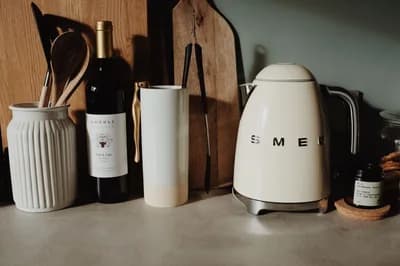
Smeg Retro Kitchen Appliances transform basic functions into aesthetic statements, with a toaster costing $200 and a refrigerator $2,000. Consumer Reports ratings rank Smeg below competitors like KitchenAid in reliability, showing 25% more service calls within the first three years. For $1,000 less, a Smeg refrigerator typically uses 10% more energy than a standard model from GE, making it costlier to run.
- 0

Tiffany & Co.'s Everyday Silver line epitomizes overpriced branding: a $200 silver bracelet contains just $15 of sterling silver—a mere 7.5% of the retail price. Since LVMH's acquisition, the brand has pivoted from legacy jeweler to luxury gift-wrapper, where the robin-egg-blue box is the real product. Even the average high-street silver jeweler provides better value. This isn't jewelry; it's status packaging.
- 0
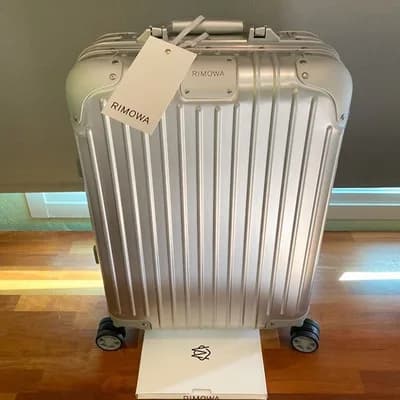
The Rimowa Original Cabin Suitcase may cost $1,500, but its aluminum body dents on first check-in, offering 40% less durability than polycarbonate rivals at half the price. For frequent flyers, this is a dent-prone status symbol, not a travel investment.
FAQ: Overrated Luxury Items
## FAQ: Overrated Luxury Items
What makes a luxury item 'overrated'? In this list, an item is considered overrated when the retail price significantly exceeds the production cost, comparable alternatives, or the functional value delivered — i.e. you're paying mainly for the brand name.
Are these the worst luxury brands? No. Every brand on this list makes genuinely well-made products. The point is the price-to-value ratio, not build quality. A Birkin is finely crafted; it is also wildly marked up.
Why is the Rolex Submariner on an 'overrated' list? Because the $10,000 retail price routinely doubles on the grey market to $20,000+, meaning most buyers pay a premium driven by scarcity and brand cachet rather than the watch itself.
Do cheaper alternatives perform as well? For most of the categories here — parkas, speakers, luggage, moisturizer — independent reviews and material comparisons show that mid-priced alternatives match or exceed performance. The premium is largely aesthetic and status-driven.
How can I avoid overpaying for luxury? Compare retail to grey-market and resale prices, look at the cost of comparable non-luxury alternatives, and decide what share of the price you're actually paying for the product versus the logo.
Image credits
- Hermès Birkin Bag: Birkin bag / Wikipedia
- Louis Vuitton Monogram Canvas Anything: Louis Vuitton / Wikipedia
- Rolex Submariner: Rolex Submariner / Wikipedia
- Canada Goose Expedition Parka: Canada Goose Inc. / Wikipedia
- La Mer Crème de la Mer: The Estée Lauder Companies / Wikipedia
- Bang & Olufsen Beoplay Speakers: Cecilie Manz / Wikipedia
- Moncler Puffer Jacket: Moncler / Wikipedia
- Smeg Retro Kitchen Appliances: ready made / Pexels
- Tiffany & Co. Everyday Silver: Eileen Gu / Wikipedia
- Rimowa Original Cabin Suitcase: Andermann / Wikimedia Commons (CC BY-SA 4.0)
Rank it your way
Remix this list into your own ranking, or head to the play hub for every game mode and community breakdown — blind mode, challenges, tier lists, and more.
You Might Also Like

Top 10 Best Plant-Based Products
Top 10 Most Overrated Luxury Items
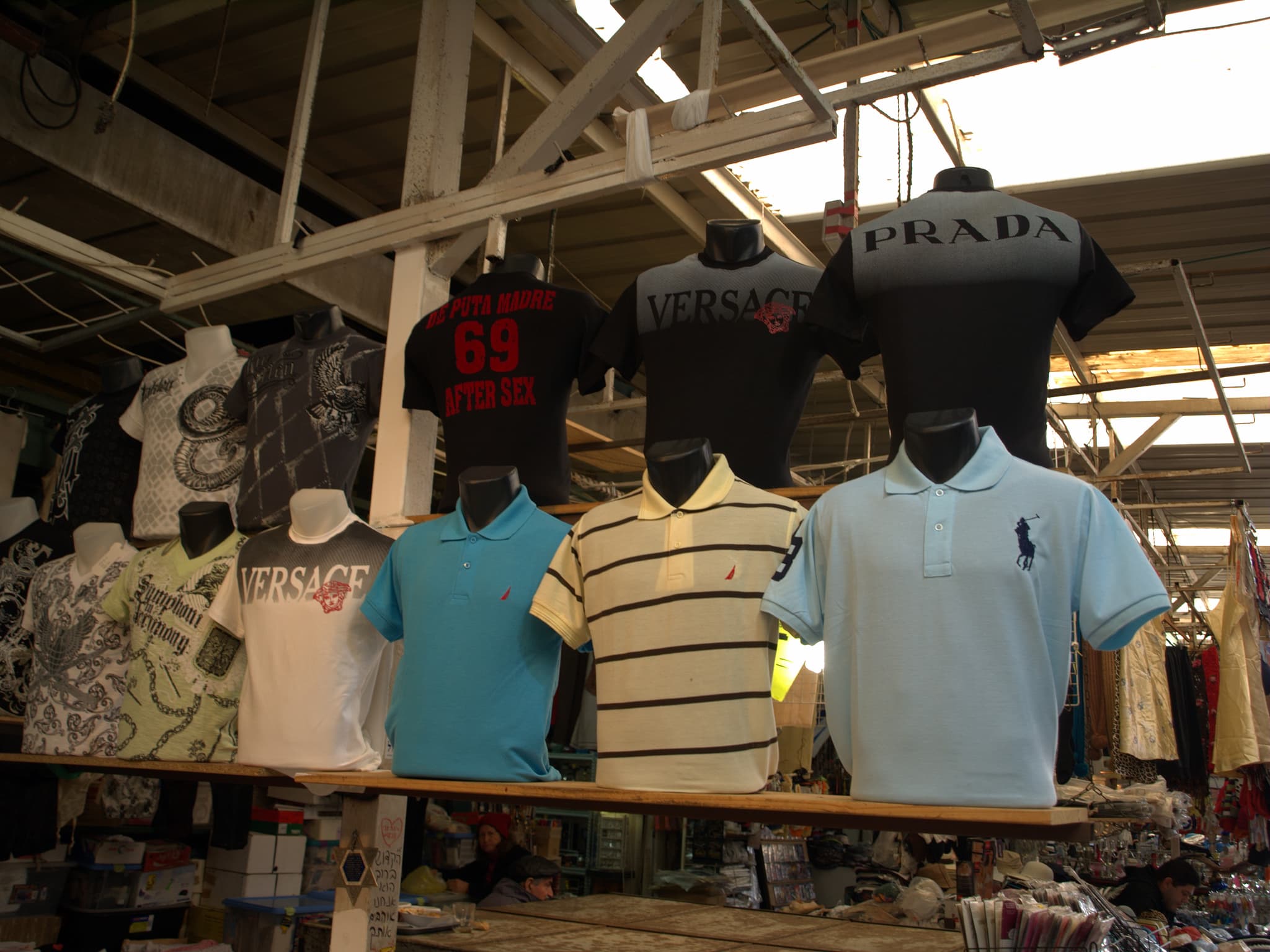
Top 10 Most Counterfeited Luxury Goods (And How to Spot Fakes)
Top 10 Most Counterfeited Luxury Goods (And How to Spot F...

Top 10 Most Controversial Diet Trends
Top 10 Most Overrated Luxury Items

Top 10 Most Common Dreams and What They Mean
Top 10 Most Overrated Luxury Items

Top 10 Best Home Gym Equipment
Top 10 Most Overrated Luxury Items

Top 10 Most Expensive Things Ever Sold
Top 10 Most Expensive Things Ever Sold