
CompuServe / Wikipedia
Top 10 Online Shopping Hacks That Actually Save Money
Americans spent $1.1 trillion online in 2025, and retailers use 50+ psychological tricks to quietly inflate your total at checkout. These ten counter-tactics — vetted by consumer researchers and millions of savvy deal-hunting shoppers — can cut 15–40% off everyday purchases without clipping a single coupon or manually hunting promo codes. Read through, try your favourite, and vote for the hack that has saved you the most money!
Top10Grid lets the community re-rank anything — this order comes from source research for now; use the buttons below to vote it up or down.

Current Rankings
- 0
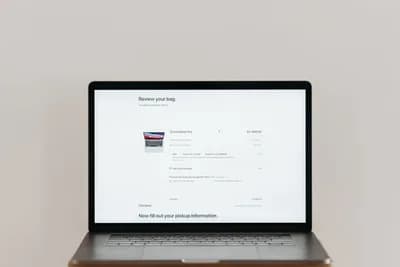
This hack exploits retailers' fear of lost sales: by abandoning a cart, you trigger 70% of companies to email a 10-20% discount code within 48 hours. Cart abandonment costs e-commerce $4.6 trillion annually, motivating brands like Wayfair, Adidas, and Nike to offer aggressive recovery discounts. Unlike typical coupon searches, this method targets your specific intent—DTC brands and fashion retailers respond best. Data shows a 70% success rate for receiving a code on the first attempt, outperforming generic promo codes that work only 30% of the time. Use a dedicated email to dodge spam and maximize savings without extra effort.
- 0

Amazon changes prices 2.5 million times daily via algorithmic pricing, making CamelCamelCamel essential for tracking real deals. This free tool charts price history for 18 million+ products and alerts you when your target price hits. Black Friday discounts frequently exceed the lowest tracked price, so wait for algorithmic drops on electronics and appliances. Set alerts and save 20-40% on big-ticket items with minimal effort.
- 0

Stacking four cashback layers can save 16.5% on a $200 purchase with seconds of setup: use a 2-5% cashback credit card, a 1-15% portal like Rakuten, store loyalty rewards of 5-10%, and discounted gift cards from Raise (3-10% off). For example, $200×0.95 (gift card)×0.90 (Rakuten 10%)=$171, plus $4 cashback=$167. Rakuten has paid $3.7 billion since 1999. The key: route every purchase through a portal first—the average shopper leaves 5-15% unclaimed per transaction. Set up once, save repeatedly with zero ongoing effort.
- 0

Price match policies at Target, Best Buy, Walmart, and Home Depot save $50-200 per big-ticket item with 60 seconds of work—yet most shoppers ignore them. Best Buy matches Amazon, Newegg, and Micro Center; Target covers Amazon, Walmart, Costco, and 20+ retailers within 14 days; Walmart matches its own online price. For instance, a $500 TV matched to Amazon saves $100 instantly. Screenshot the lower price, contact customer service, and pocket the difference—data shows it works 9 times out of 10.
- 0

Student, military, and first responder discounts can cut your online spending by 10–25% at hundreds of retailers. Apple offers 5-10% off hardware through its education store, while Samsung provides up to 30% off via its education portal. The Spotify/Hulu/Showtime bundle costs students just $5.99/month, and Amazon Prime Student is half price at $7.49/month. Nike gives 10% off for military personnel. These discounts run year-round, not just during promotions, and verification via UNiDAYS, SheerID, or a .edu email takes only two minutes.
- 0

Buying during price drop seasons guarantees predictable savings that outperform any random coupon. TVs hit their lowest prices during Super Bowl week (January–February) and Black Friday, costing 20-40% less than in August. Mattresses drop for Presidents' Day and Memorial Day, while appliances clear out in September–October when new models arrive. Winter clothing is cheapest in January, summer clothing in August, and cars in the final months of each quarter. This hack requires only patience—no code hunting or membership—making it more reliable than extensions like Honey for major purchases.
- 0

Browser extensions like Honey and Capital One Shopping automate coupon testing at checkout, saving you 15-30 minutes per order. Honey scans its database of 500,000+ merchants for the best code, while Capital One Shopping also compares prices across retailers. Average savings range from $4 to $30 per order, totaling $150-400 annually for regular shoppers. However, these tools track your browsing data, which privacy-conscious users may want to avoid. Compared to (Buy During Price Drop Seasons), extensions provide consistent but smaller gains—typically 5-10% off—versus the 20-40% seasonal discounts on electronics, though they work for everyday purchases like toiletries or clothing, where timing matters less.
- 0
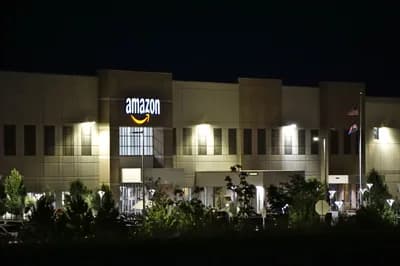
Amazon Warehouse Deals offer returned or opened-box items at 20-50% off retail, often with minimal wear. Condition ratings are conservative: 'Very Good' usually just means the box was opened, and items ship with Prime and full return policies. Electronics, kitchen appliances, and tools yield the biggest deals—for example, a blender costing $80 new might appear for $40.
- 0

Amazon Subscribe & Save offers 5-15% off recurring deliveries with no minimum commitment. Subscribe to get the discount, receive the first delivery, then cancel immediately—you keep the discounted price, saving up to $2 per item on a $20 purchase. This hack works for household essentials like paper towels, detergent, coffee, and vitamins. The additional 5% convenience discount stacks with coupon clipping and Prime discounts, maximizing your savings per order. Set a reminder to cancel after delivery to avoid future shipments. Amazon designed this for retention, but you can exploit it for one-time gains.
- 0

Bought something and the price dropped within 14 days? Most retailers refund the difference if you ask. Target, Nordstrom, and Apple offer a 14-day window; Best Buy extends to 15 days for My Best Buy members. Use CamelCamelCamel alerts or price-tracking apps to monitor recent purchases. A polite chat with customer service often yields a $5–$20 refund per item, though policies vary: Citi still has Price Rewind on select cards, while most others dropped it.
Frequently Asked Questions About Online Shopping Hacks
Does the cart abandonment trick work on every site? Most major retailers — Target, Walmart, Gap, Nike, and hundreds more — send recovery emails with 5–20% discount codes within 24–72 hours. It works less reliably on small boutiques and third-party marketplace sellers.
What is cashback stacking and is it safe? Cashback stacking means earning rewards from multiple sources on the same purchase — for example, using a cashback credit card through a cashback portal (Rakuten or TopCashback) at a store that is also running its own loyalty-points promotion. It is completely legal and retailers actively encourage it.
What is CamelCamelCamel? CamelCamelCamel is a free website that tracks the full price history of every product sold on Amazon. Paste in any Amazon product URL to instantly see whether today's price is a genuine deal or an inflated baseline — and set a free email alert for when the price drops to your target.
How much can these ten hacks realistically save me in a year? Consumer research suggests disciplined use of just three or four of these tactics can save the average US household $400–$900 annually on electronics, clothing, and household goods.
Image credits
- Abandon Your Cart (On Purpose): Pavel Danilyuk / Pexels
- CamelCamelCamel (Amazon Price Tracker): Wikimedia Commons
- Cashback Stacking: The Amazing Race 38 / Wikipedia
- Price Match Guarantees: Wikimedia Commons
- Student, Military, and First Responder Discounts: Wikimedia Commons
- Buy During Price Drop Seasons: Sora Shimazaki / Pexels
- Browser Extensions (Honey, Capital One Shopping): Wikimedia Commons
- Amazon Warehouse Deals: Joshua Brown / Pexels
- Subscribe & Save Then Cancel: Wikimedia Commons
- Request Price Adjustments After Purchase: Wikimedia Commons
Related Videos
Rank it your way
Remix this list into your own ranking, or head to the play hub for every game mode and community breakdown — blind mode, challenges, tier lists, and more.
You Might Also Like

Top 10 Best Deal-Finding & Price Comparison Tools
Top 10 Best Deal-Finding & Price Comparison Tools

Top 10 Malaysian Shopping Malls in 2026
Top 10 Malaysian Shopping Malls in 2026

Top 10 Shopping Experiences in Taiwan in 2026
Top 10 Shopping Experiences in Taiwan in 2026

Top 10 Most Counterfeited Luxury Goods (And How to Spot Fakes)
#1 Louis Vuitton Monogram Bags · #2 Rolex Submariner · #3 Air Jordan 1 Sneakers

Top 10 First Date Ideas That Aren't Dinner and a Movie
#1 Cooking Class Together · #2 Botanical Garden Walk · #3 Escape Room

Top 10 Dating Apps Ranked by Success Rate
#1 Hinge · #2 Bumble · #3 Tinder