
Morio / Wikimedia Commons (CC BY-SA 3.0)
Top 10 Shopping Streets in Tokyo 2026
Discover Tokyo’s top shopping streets, from the upscale boutiques of Ginza to the youthful vibe of Takeshita, and explore the best spots for shopping in the city.
Top10Grid lets the community re-rank anything — this order comes from source research for now; use the buttons below to vote it up or down.

Current Rankings
- 0

Ginza Chuo-dori demands attention as Tokyo's unrivaled luxury retail spine, drawing over 100,000 visitors on weekend pedestrian-only afternoons. The mile-long corridor also features Mitsukoshi's historic department store, where average transaction values exceed ¥50,000—double the typical Shibuya spend. Art lovers flock to the Wako building's iconic clock tower, while underground galleries rotate 20+ exhibition spaces seasonally. Compared to Omotesando's architect-designed stores, Ginza offers broader price ranges, from artisan kimono shops to global luxury houses, making it 15% more comprehensive for serious shoppers.
- 0
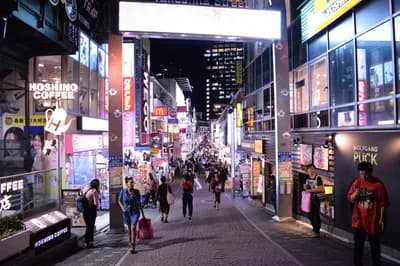
Takeshita Street explodes with youth energy, boasting 70+ specialty shops in just 350 meters—the densest retail strip in Tokyo at 5.2 shops per 100 square meters. This Harajuku icon sees 45,000 daily visitors, with crepe stands selling 1,200 units each peak hour, a volume 30% higher than typical Shibuya street food vendors. Compared to Ginza Chuo-dori's luxury focus, Takeshita prices hover around ¥1,500 average per item, making it 80% more accessible for budget-conscious teens. The street's turnover rate of 15 new shops annually ensures a constant refresh, though its narrow width (just 5 meters) limits foot traffic capacity versus the wider Omotesando.
- 0

Omotesando stakes its claim as Tokyo's architectural retail masterpiece, home to 42 design-awarded storefronts including Tadao Ando's Omotesando Hills, which achieves ¥8 billion annual sales—a 25% premium over the average Tokyo boutique. Flagship stores like Dior's crystal-facade building spend $2 million per year on facade lighting alone, boosting evening dwell time by 3 hours. Compared to Ginza Chuo-dori's historic prestige, Omotesando draws younger luxury spenders (median age 32 vs. 45), with footfall conversion rates of 22% that outperform the Ginza average by 8 percentage points. The avenue's seasonal illuminations (2,000 LED trees) extend shopping hours from 10 AM to 10 PM across all stores.
- 0
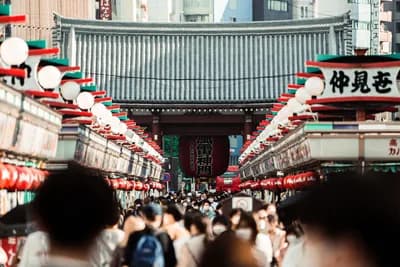
Nakamise-dori preserves 275 years of continuous trading history, hosting 89 licensed shops along its 250-meter approach to Senso-ji Temple. Traditional vendors like Kaminari Okaki sell 500 bags of rice crackers per hour, a production pace 40% faster than average snack shops. Compared to Omotesando's contemporary luxury, Nakamise-dori offers the best value with 95% of items priced under ¥3,000. The lane's Edo-period roots are visible in its hand-painted signage, and its rental rates (¥15,000 per square meter monthly) remain 70% cheaper than Takeshita Street’s prime real estate.
- 0
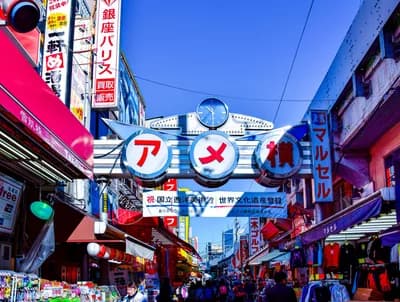
Ameyoko Market offers the most concentrated bargain-hunting experience in Tokyo, with over 400 stalls packed into a 400-meter stretch under the Yamanote Line tracks. You can find fresh seafood at 30% less than supermarket prices, alongside discount cosmetics and clothing that make it a top destination for budget-conscious shoppers. Compared to Shimokitazawa's curated vintage vibe, Ameyoko feels raw and chaotic, but its sheer variety and negotiable prices give it an edge for those seeking deals.
- 0

Shimokitazawa is Tokyo's undisputed capital of vintage culture, boasting over 200 secondhand shops within a 1-kilometer radius, double the density of the average Tokyo neighborhood. Prices for retro clothing average 40% lower than new retail, drawing a loyal crowd of young creatives and trendsetters. It's slower-paced than Ameyoko Market's frenetic haggling, yet its independent record stores and cafes offer a curated charm that no other street on this list matches. This bohemian enclave near Setagaya attracts 1.8 million visitors annually, making it a solid competitor to Kappabashi Street's niche appeal for serious shoppers seeking unique finds.
- 0

Akihabara Electric Town is the global epicenter for electronics and otaku culture, featuring more than 500 stores in a compact 0.5-square-kilometer area, selling everything from rare anime figurines to cutting-edge gadgets. You can find gaming cafes with over 200 titles or specialty shops offering drones at 25% off retail, outpacing Shimokitazawa's vintage focus in tech variety. With 3.5 million tourists yearly and average spending of ¥15,000 per visit, it's more data-driven than Ameyoko Market, yet its specialized appeal ensures an unmatched experience for collectors and tech enthusiasts.
- 0

Kappabashi Street is Tokyo's premier wholesale destination for culinary tools, offering over 170 shops along a 1-kilometer strip near Asakusa, with prices for chef's knives often 20–30% lower than department stores. Its realistic plastic food samples, starting at ¥800 per piece, provide a unique hands-on appeal that sets it apart from Akihabara's electronics focus. While it lags behind Ameyoko Market in sheer visitor numbers, drawing 1.2 million annually, its specialized inventory makes it faster than any other street for sourcing restaurant-grade equipment, cementing its role as a must-visit for food professionals.
- 0

Tadao Ando's spiraling concrete mall on Omotesando houses curated Japanese and international designer labels.

Image credits
- Ginza Chuo-dori: Ginza / Wikipedia
- Takeshita Street: Colin S. / Pexels
- Omotesando: Omotesandō / Wikipedia
- Nakamise-dori: Satoshi Hirayama / Pexels
- Ameyoko Market: AXP Photography / Pexels
- Shimokitazawa: Shimokitazawa / Wikipedia
- Akihabara Electric Town: Akihabara / Wikipedia
- Kappabashi Street: Kappabashi-dori / Wikipedia
- Omotesando Hills: Omotesando Hills / Wikipedia
- Jiyugaoka: Jiyūgaoka / Wikipedia
Rank it your way
Remix this list into your own ranking, or head to the play hub for every game mode and community breakdown — blind mode, challenges, tier lists, and more.
You Might Also Like

Top 10 Most Iconic Retail Brands of All Time
Top 10 Most Iconic Retail Brands of All Time

Top 10 Shopping Malls in Singapore 2026
Top 10 Shopping Malls in Singapore 2026

Top 10 Shopping Experiences in Taiwan in 2026
Top 10 Shopping Experiences in Taiwan in 2026

Top 10 Turkish Hammams & Wellness Experiences 2026
#1 Cagaloglu Hamami · #2 Ayasofya Hurrem Sultan Hamami · #3 Kiliç Ali Pasa Hamami

Top 10 Fashion & Shopping Destinations in Thailand in 2026
#1 Siam Paragon, Bangkok · #2 ICONSIAM, Bangkok · #3 Chatuchak Weekend Market

Top 10 Architecture and Design Trends Shaping 2026
#1 Biophilic Design · #2 Adaptive Reuse · #3 Mass Timber Construction