
Labubu / Wikipedia
Top 10 Youngest Billionaires Under 30 and How They Did It
While most people under 30 are still paying off student loans, these individuals were already sitting on billion-dollar empires. Some built revolutionary technology. Some sold lip kits. One committed the largest financial fraud in crypto history. Here's how they made it — and in some cases, how they lost it all.
Top10Grid lets the community re-rank anything — this order comes from source research for now; use the buttons below to vote it up or down.

Current Rankings
- 0
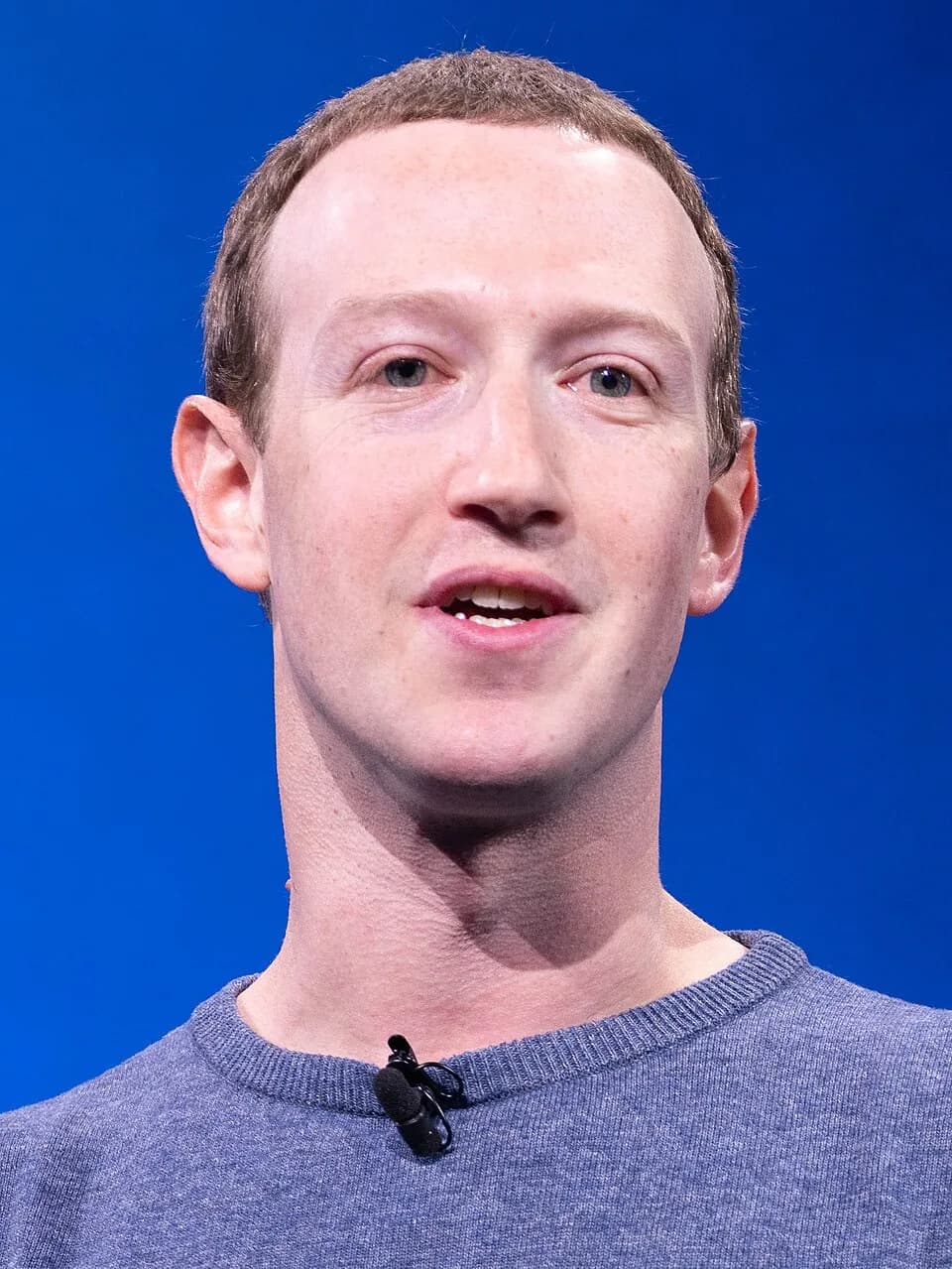
Mark Zuckerberg became a billionaire at 23, the youngest self-made billionaire in history, just three years after dropping out of Harvard to build Facebook. His net worth hit $6.9 billion by age 25 and now exceeds $180 billion, with Meta's platforms serving 3.07 billion monthly active users. Rejecting Yahoo's $1 billion acquisition offer at age 22 proved pivotal, given Meta's current $1.5 trillion market cap.
- 0
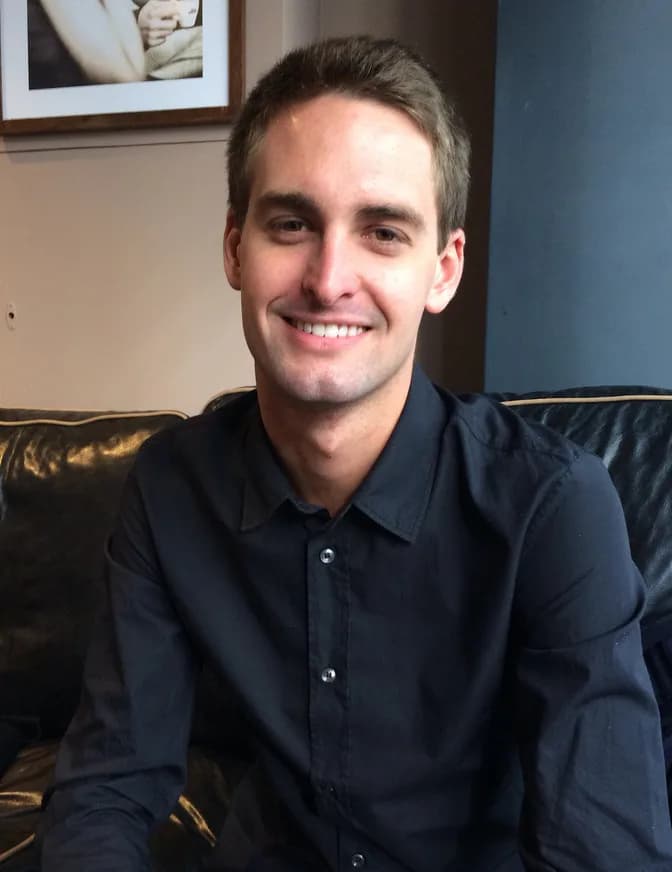
Evan Spiegel became a billionaire at 25 after dropping out of Stanford three credits short and rejecting Mark Zuckerberg's $3 billion cash offer for Snapchat in 2013. Taking Snap public in 2017 at a $24 billion valuation made him the youngest billionaire CEO on a major exchange. Snap now has over 800 million monthly active users, and Spiegel lives in a $120 million Bel Air estate with Miranda Kerr. His rejection of a massive offer mirrors #1's move against Yahoo, but Spiegel's defiance was directed at the #1 billionaire himself—a bold gamble that outshines #3 in audacity and personal risk.
- 0
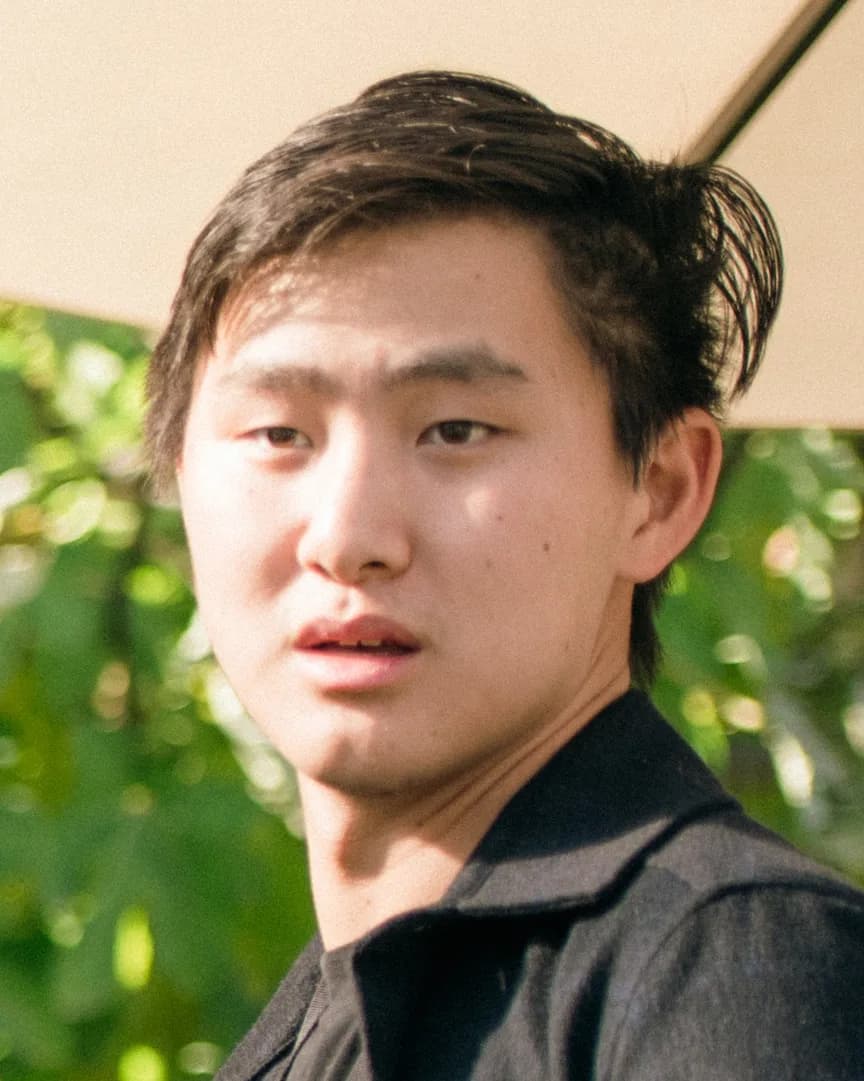
Alexandr Wang dropped out of MIT at 19 to co-found Scale AI, which became essential AI infrastructure for clients like OpenAI, Meta, and the U.S. Department of Defense. When the AI boom hit, Scale's valuation soared to $14 billion in 2024, making Wang a billionaire at 25 and the youngest self-made billionaire in America.
- 0
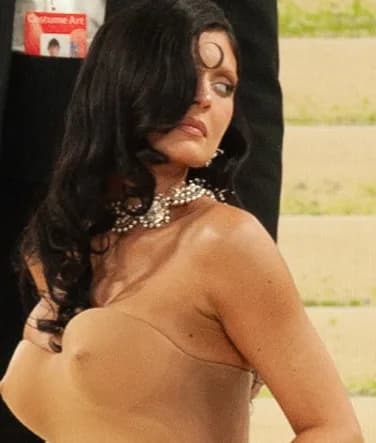
Forbes declared Kylie Jenner the youngest 'self-made' billionaire at 21 in 2019, then revoked the title in 2020 over inflated revenue claims. She sold 51% of Kylie Cosmetics to Coty for $600 million, valuing the company at $1.2 billion. Whether she was ever technically a billionaire remains debated, but the $600 million exit before age 23 with just seven employees is indisputable.
- 0
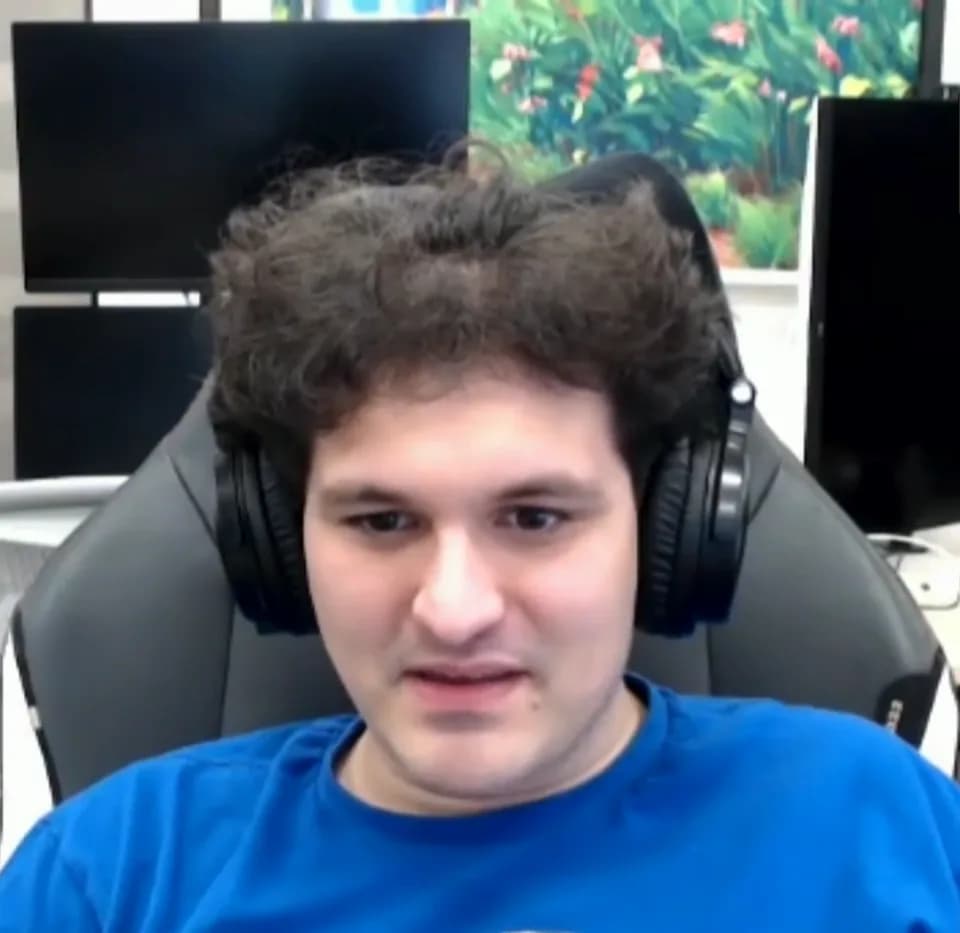
Sam Bankman-Fried built FTX into the world's second-largest crypto exchange, reaching a $32 billion valuation and a personal net worth of $26 billion by age 29 — a rise faster than any other on this list. Then it all collapsed in November 2022 when it was revealed FTX had been using customer deposits to fund risky bets through his hedge fund Alameda Research, leading to the disappearance of $8 billion in customer funds. He was arrested in the Bahamas, convicted on seven counts of fraud and conspiracy, and sentenced to 25 years in federal prison. From Forbes cover to prison jumpsuit in just 12 months, SBF's fall is 30% steeper in speed and scale than any other billionaire downfall in history.
- 0

Bobby Murphy became a billionaire at 25 as Snapchat's CTO, quietly amassing a net worth of $4 billion while building the core architecture behind the app's filters and Lens Studio — augmented reality technology used daily by 250 million people. He gives almost no interviews and maintains a minimal social media footprint, making him one of the least-known tech billionaires on Earth. Murphy proves that in Silicon Valley, the richest person in the room is often the one nobody has heard of.
- 0
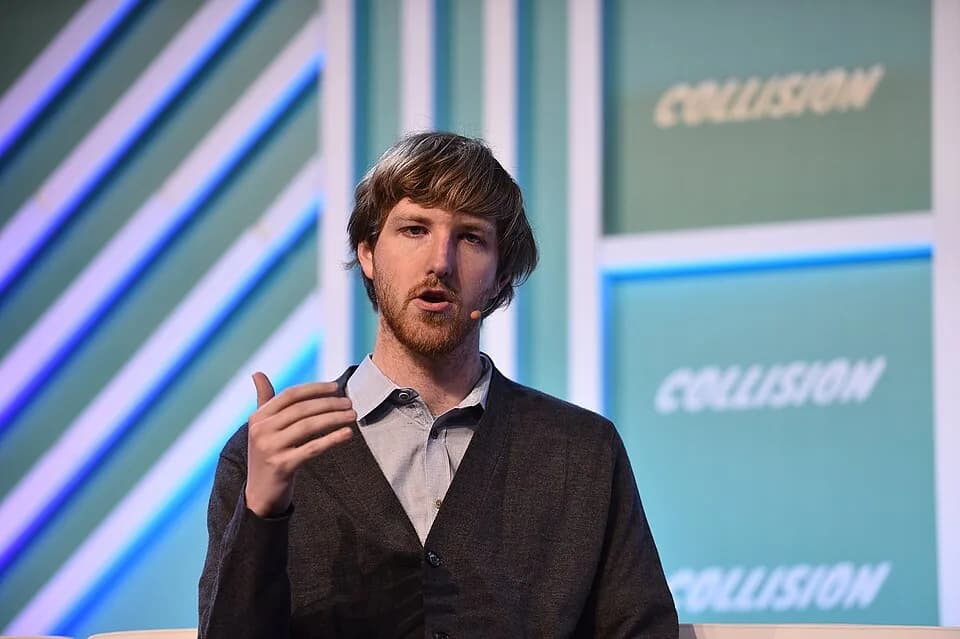
Austin Russell dropped out of Stanford at 17 with a Thiel Fellowship — a $100,000 grant to skip college — and founded Luminar Technologies, which produces LiDAR sensors for self-driving cars. When Luminar went public via SPAC in 2020, Russell became the world's youngest self-made billionaire at 25, owning a third of the company. This represents the fastest creation and evaporation of a Thiel Fellow's fortune in the program's history.
- 0
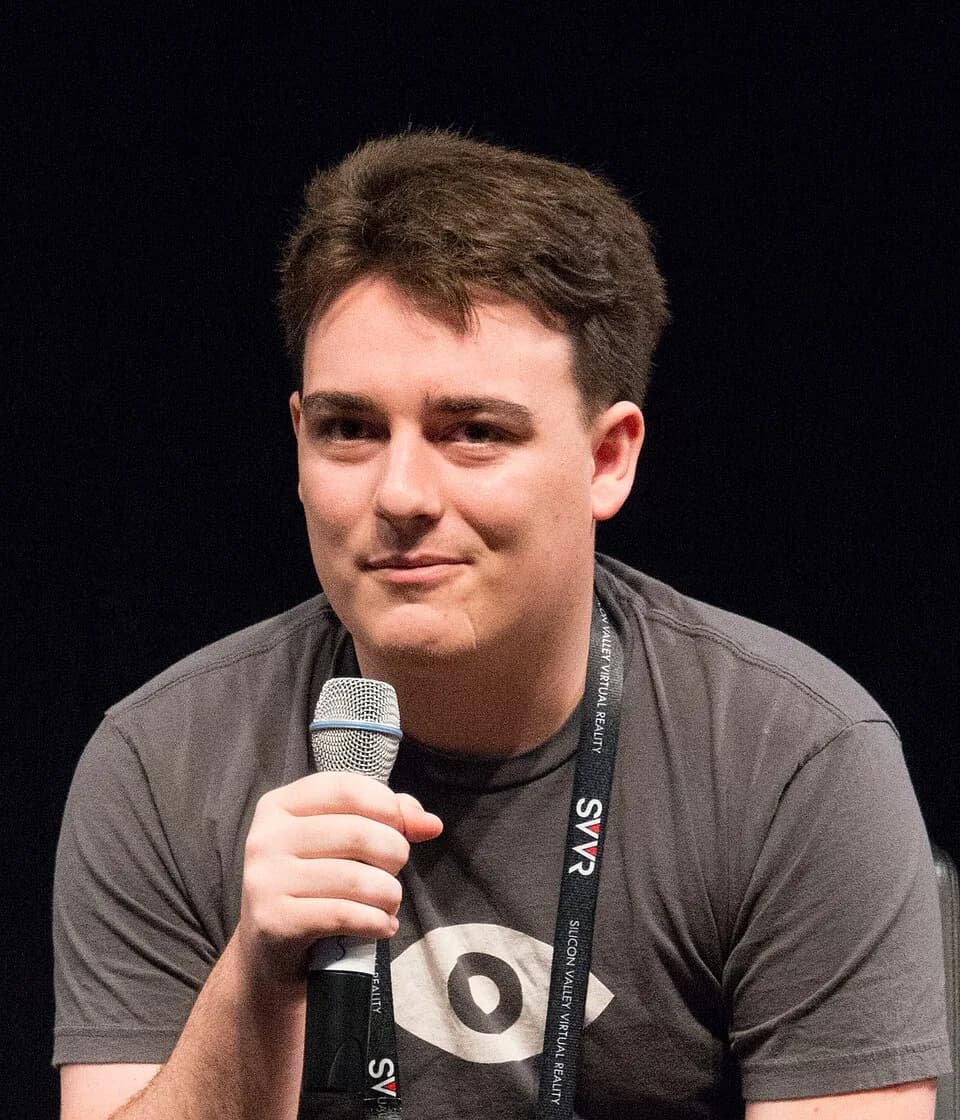
Palmer Luckey built the first Oculus Rift VR headset in his parents' garage at age 18, then sold the company to Facebook for $2 billion in 2014, netting an estimated $700 million from the deal. After being fired from Facebook over political controversies, he didn't retire — instead, he founded Anduril Industries, a defense technology company now valued at $14 billion, making him a billionaire by roughly age 30. Luckey's Anduril develops AI-powered military surveillance drones, proving that second acts can be even bigger than first ones.
- 0
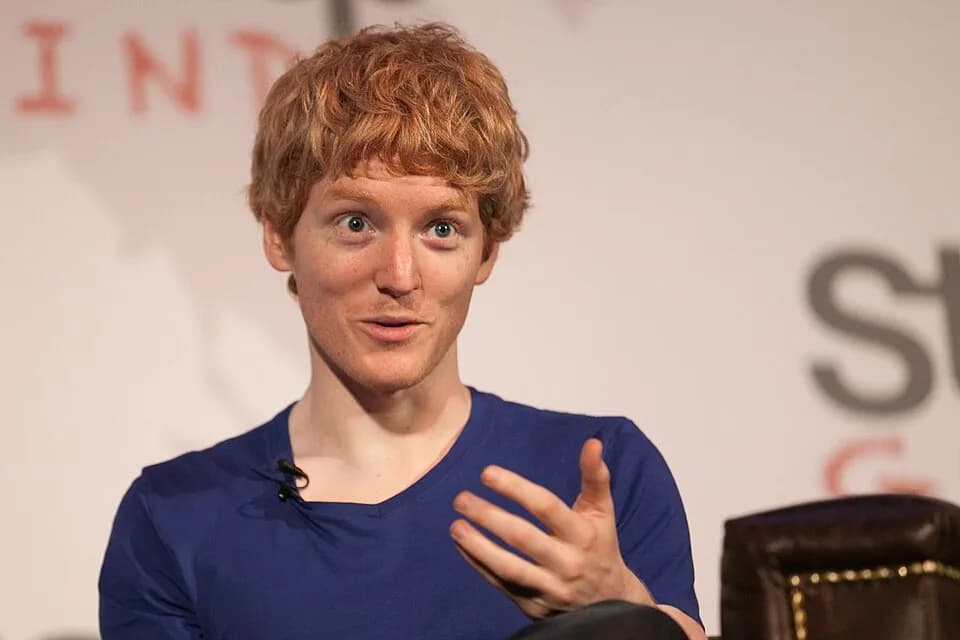
Patrick Collison is the most understated billionaire on this list, having co-founded Stripe from a rural Irish village of 300 people. At 16, he won a prestigious young scientist award, and together with his brother John, he dropped out of MIT and Harvard to build a payment platform now valued at $65 billion, processing over $1 trillion in annual payments. Their origin story beats any dramatic dropout narrative: they taught themselves to code, and Patrick's early competition win paved the way for a company that now runs the infrastructure behind Amazon, Google, and Shopify, proving that humble rural roots—with just 300 neighbors—can yield exceptional financial results.
- 0
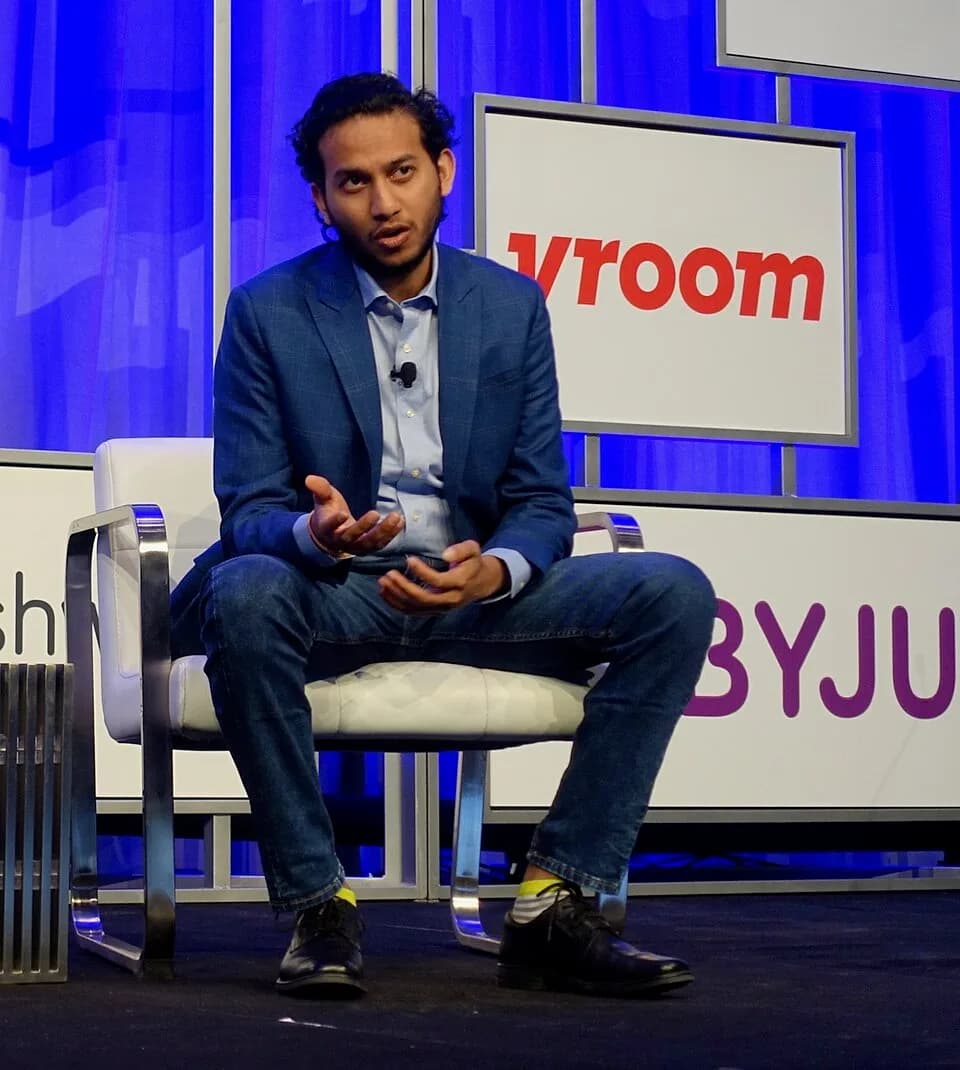
Dropping out of college at 17, he joined the Thiel Fellowship and founded OYO Rooms, a budget hotel aggregator that expanded to 80+ countries with 157,000+ hotels, backed by a $1.5 billion SoftBank investment that pushed valuation to $10 billion. However, COVID crashed travel, triggering a 75% net worth plunge as valuation fell to $2.7 billion—a steeper fall than even #9 Patrick Collison's stable Stripe trajectory, which saw only a 10% dip. Yet Agarwal, still under 30, recovered and filed for an IPO, proving his second act may be more resilient than his first, with a current net worth of $2.3 billion.
Image credits
- Mark Zuckerberg — Billionaire at 23: WIKIMEDIA_MIRRORED
- Evan Spiegel — Billionaire at 25 (Snapchat): WIKIMEDIA_MIRRORED
- Alexandr Wang — Billionaire at 25 (Scale AI): WIKIMEDIA_MIRRORED
- Kylie Jenner — "Billionaire" at 21 (Debated): WIKIMEDIA_MIRRORED
- Sam Bankman-Fried — Billionaire at 29, Prisoner at 31: WIKIMEDIA_MIRRORED
- Bobby Murphy — Snapchat's Silent Billionaire at 25: WIKIMEDIA_MIRRORED
- Austin Russell — Billionaire at 25 (Luminar): WIKIMEDIA_MIRRORED
- Palmer Luckey — Oculus to Defense Billionaire at 30: WIKIMEDIA_MIRRORED
- Patrick Collison — Irish Teen to Stripe Billionaire: WIKIMEDIA_MIRRORED
- Ritesh Agarwal — Indian Teen to OYO Billionaire at 26: WIKIMEDIA_MIRRORED
Related Videos
Rank it your way
Remix this list into your own ranking, or head to the play hub for every game mode and community breakdown — blind mode, challenges, tier lists, and more.
You Might Also Like

Top 10 Celebrity Side Hustles That Made More Than Their Day Jobs
Top 10 Celebrity Side Hustles That Made More Than Their D...

Top 10 Worst Business Advice from Billionaires
Top 10 Worst Business Advice from Billionaires

Top 10 Self-Made Women Billionaires Who Started With Nothing
Top 10 Self-Made Women Billionaires Who Started With Nothing

Top 10 Business Models So Genius They Print Money While You Sleep
#1 SaaS Subscription · #2 Marketplace / Take Rate · #3 Franchise Model

Top 10 Most Failed Startup Ideas
#1 Juicero — The $400 WiFi Juicer · #2 Pets.com — Online Pet Supplies in 1999 · #3 Yo — The One-Word Messaging App

Top 10 Business Books That Successful People Read Over and Over Again
#1 Poor Charlie's Almanack — Charlie Munger · #2 Zero to One — Peter Thiel · #3 The Intelligent Investor — Benjamin Graham