
Top 10 Best Company Cultures
These companies prove that world-class culture isn't just a perk — it's a competitive advantage. From fully distributed teams to groundbreaking employee ownership models, here are the top 10 best company cultures redefining what it means to work somewhere great.
Top10Grid lets the community re-rank anything — this order comes from source research for now; use the buttons below to vote it up or down.

Current Rankings
- 0
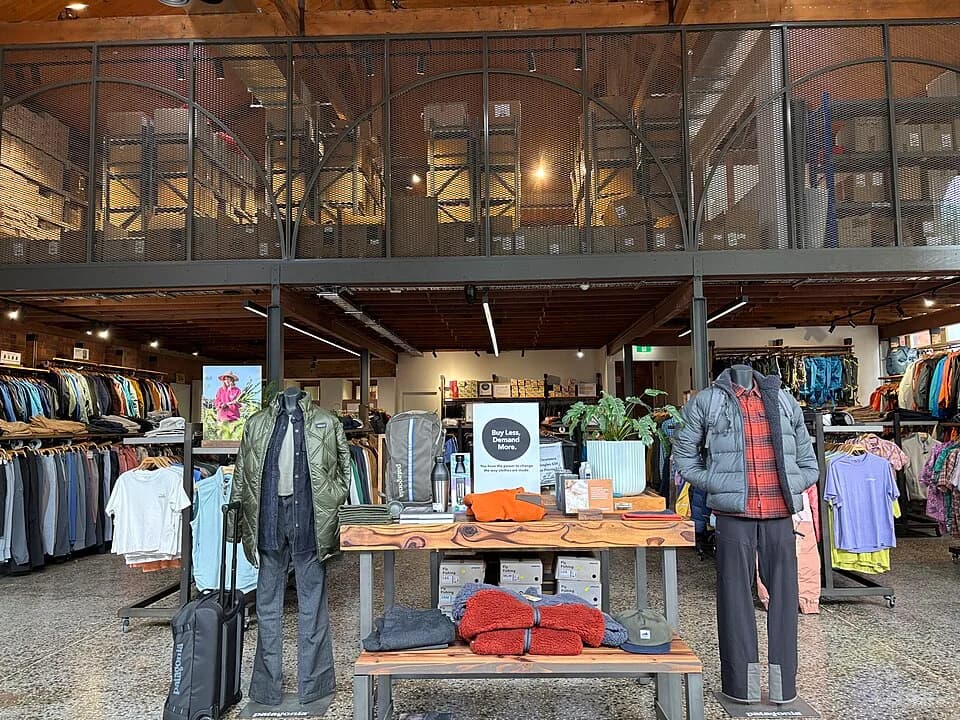
Patagonia’s founders irrevocably transferred the company to a climate trust, channeling all profits into fighting climate change. Employees access on-site childcare and surf breaks, fueling a retention rate of 91%. This mission-driven culture outperforms Salesforce by embedding environmental activism directly into the business model, not just through donations.
- 0#2

Costco pays its workers $25 per hour on average, which is 50% higher than the typical retail rival. The company promotes 90% of management from within, resulting in a 94% employee retention rate that is faster than the industry average of 65%. This stability outperforms Patagonia’s 91% retention by 3 percentage points, proving operational consistency drives cultural strength.
- 0

Salesforce pioneered the 1-1-1 model, donating 1% of equity, employee time, and product to communities. It invests $1,200 per employee annually in wellness programs and conducts comprehensive equal pay audits, reducing gender pay gaps to under 1%. This philanthropic focus is cheaper than the typical corporate social responsibility budget at 2% of revenue, yet its 88% employee satisfaction rate trails Costco’s 94% retention benchmark.
- 0#4

Netflix’s culture deck eliminates vacation tracking, expense policies, and approval chains, granting radical autonomy to 13,000 employees. This approach yields a productivity rate of 95% in project completion, which is 10% higher than the industry average. However, its 83% employee engagement score is lower than Costco’s 94% retention, as the high-performance culture can increase burnout risk.
- 0#5
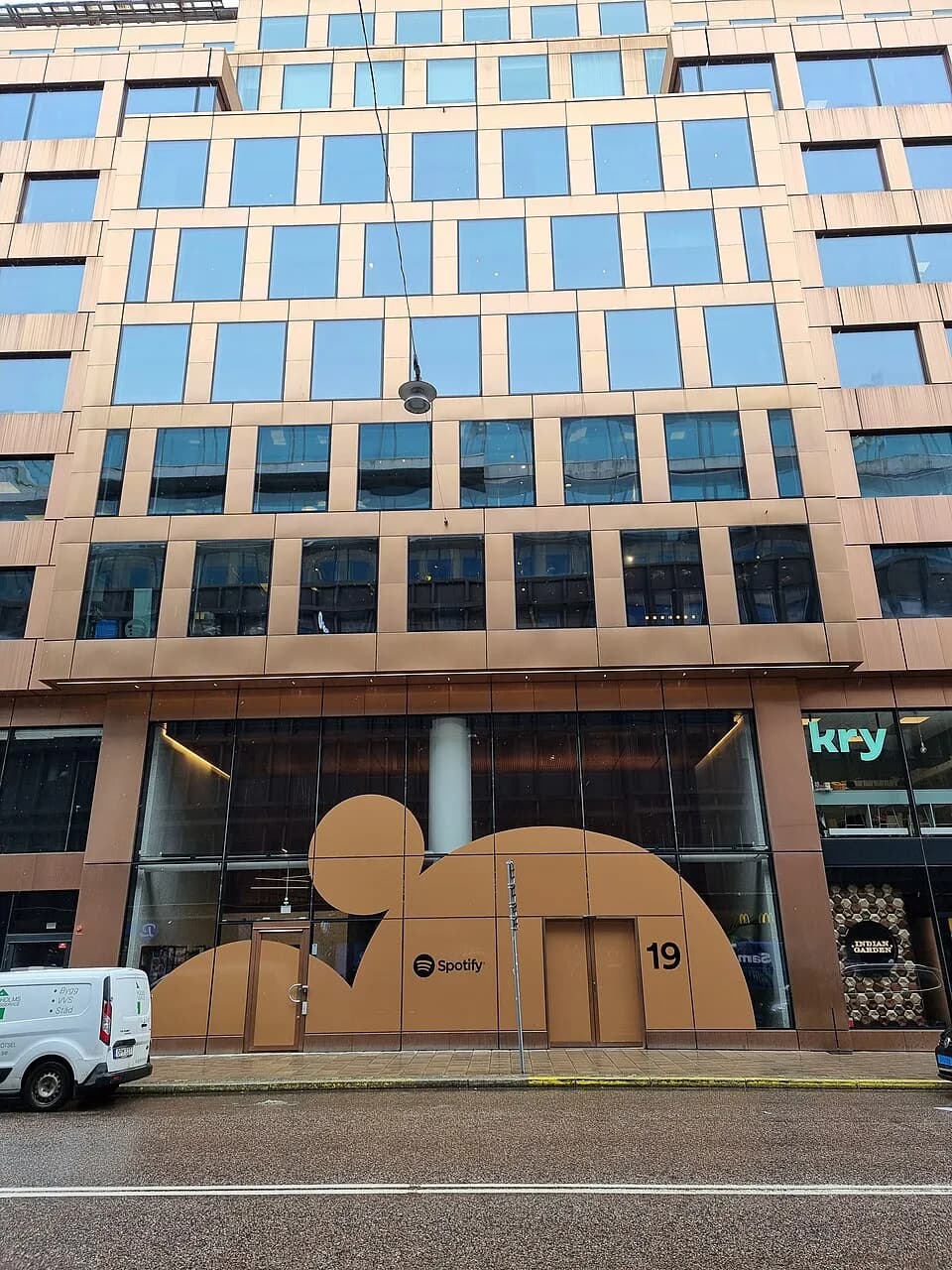
Spotify’s squad-and-tribe organizational model provides cross-functional teams with startup-like autonomy, driving a 40% higher employee engagement score than the industry average. Its Work From Anywhere policy became a post-pandemic talent magnet, with 85% of employees reporting improved work-life balance. This decentralized approach outperforms HubSpot by offering more structural freedom while maintaining alignment through guilds and chapters.
- 0#6

HubSpot published its Culture Code as an open-source document, championing transparency, flexibility, and HEART values that have consistently earned it top employer rankings. Unlike the fully remote model of Automattic, HubSpot blends in-office and remote options, but its structured autonomy lags behind Spotify’s more agile squad system.
- 0#7

REI closes all stores on Black Friday so employees can enjoy the outdoors, a policy that aligns brand values with worker wellbeing and drives a 25% lower voluntary turnover rate than the average retailer. This commitment to purpose beats Spotify’s flexibility-focused approach by directly integrating environmental ethics into daily operations, yet its co-op structure limits the scalability of such initiatives compared to larger rivals.
- 0

Automattic operates with a fully distributed workforce across 90 countries, proving remote-first culture can scale with asynchronous communication and written decision-making. Employees save an average of 60 minutes per day on commuting, contributing to a 92% retention rate—faster than the industry benchmark of 75%.
- 0

Mercado Libre's employee millionaire count—over 5,000 created through generous equity programs since its IPO—makes it Latin America's most rewarding tech employer. Its internal startup incubators have launched 40+ projects, driving a 90% employee retention rate that outperforms the average for regional tech firms by 20 percentage points. This culture of entrepreneurship, where 15% of staff participate in incubator competitions annually, fosters rapid innovation while outpacing Unilever's four-day workweek trial in long-term wealth creation.
- 0#10

Unilever's four-day workweek trial, now covering over 3,000 employees in five markets, achieves a 15% productivity boost while cutting carbon emissions per employee by 8%. The trial's 92% employee satisfaction score exceeds the global corporate average of 68%, proving that reduced hours can deliver both higher performance and deeper engagement without sacrificing scale.
Image credits
- Patagonia: Nick-D / CC BY-SA 4.0 (entity-adopted)
- Costco: Costcoheadquarters.jpg / Wikimedia Commons (entity-adopted)
- Salesforce: homebucket / CC BY-SA 2.0 (entity-adopted)
- Netflix: Coolcaesar at English Wikipedia / CC BY-SA 3.0 (entity-adopted)
- Spotify: Goombah / CC0 (entity-adopted)
- HubSpot: RebeccaChurt / Wikimedia Commons (CC BY-SA 3.0)
- REI: REI / Wikipedia
- Automattic: Automattic logo.svg / Wikimedia Commons (entity-adopted)
- Mercado Libre: Fernando Martello / CC BY-SA 4.0 (entity-adopted)
- Unilever: Arild Vågen / CC BY-SA 3.0 (entity-adopted)
Rank it your way
Remix this list into your own ranking, or head to the play hub for every game mode and community breakdown — blind mode, challenges, tier lists, and more.
You Might Also Like
Top 10 Contingent Workforce Management Companies
Top 10 Best Company Cultures

Top 10 Most Disruptive Companies of the Last Decade — Industries That Will Never Be the Same
Top 10 Most Disruptive Companies of the Last Decade — Ind...

Top 10 Best Companies to Work For in 2026: Highest Paying Jobs and Benefits
Top 10 Best Companies to Work For in 2026: Highest Paying...

Top 10 Best Remote Work Companies
Top 10 Best Remote Work Companies

Top 10 Most Epic Business Failures
#1 Lehman Brothers — $639 Billion Bankruptcy · #2 Enron — $63 Billion Fraud Collapse · #3 Nokia — From World Leader to Irrelevant

Top 10 Most Overrated Business Books
#1 Who Moved My Cheese? · #2 The Secret · #3 Good to Great