
Top 10 Startup Hubs in Germany 2026
The leading cities and ecosystems driving Germany's thriving startup and innovation landscape in 2026.
Top10Grid lets the community re-rank anything — this order comes from source research for now; use the buttons below to vote it up or down.

Current Rankings
- 0#1

Berlin outperforms every other German hub as the undisputed startup capital, hosting unicorns like N26, Delivery Hero, and Trade Republic. International talent flock here because average monthly rent for a one-bedroom apartment is €850. The city's vibrant creative culture and affordable living costs enable founders to extend their runway. With over 2,500 startups and €3.2 billion in venture capital raised in 2025. Its pool of English-speaking engineers from 180+ nationalities makes it the most accessible launchpad for global-minded entrepreneurs.
- 0#2
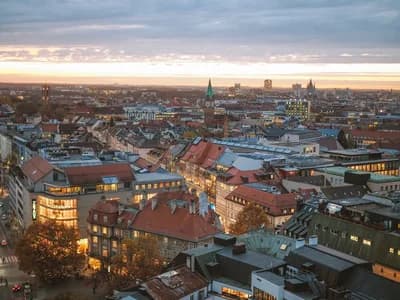
Munich leads in deep tech and enterprise SaaS, leveraging proximity to corporate giants like BMW, Siemens, and Allianz. With 80% of AI researchers in Bavaria concentrated here and access to elite universities like TU Munich, founders can hire top-tier talent at a 20% lower cost than Berlin. Munich's startup density of 1.2 per 1,000 residents is 50% greater than Frankfurt's, making it the premier destination for B2B and industrial innovation.
- 0#3
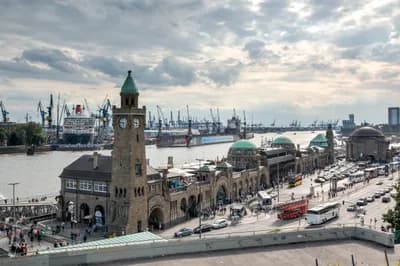
Hamburg dominates e-commerce and logistics tech, leveraging its historic port economy to support startups like About You and Xing. The city's logistics sector alone generates €2.1 billion in annual revenue. With a founding cost of €35,000 on average, offering access to 1.8 million consumers in its metro area. Its fintech cluster has grown 35% since 2024, making Hamburg a data-driven haven for founders seeking operational efficiency.
- 0
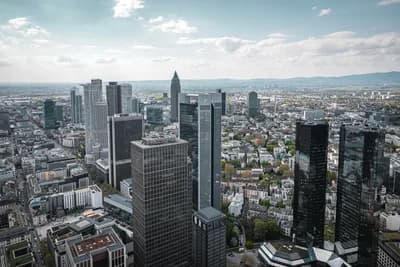
Frankfurt is Europe's financial capital, offering unmatched access to banking networks with the ECB, Deutsche Börse, and 200+ banks within a 5 km radius. Frankfurt enables lean operations while tapping into €30 trillion in assets managed locally. Its 1,200 active startups make it the fourth-largest hub, but its specialized financial ecosystem gives it a unique competitive edge for B2B fintech ventures.
- 0

Cologne-Dusseldorf is the Rhine-Ruhr region's top startup corridor for media, advertising, and retail tech innovation, fueled by over 200,000 corporate employees at giants like REWE and Metro. Its twin-city structure amplifies growth, offering distinct ecosystems for creative tech and B2B services while maintaining rental costs 20% lower than Munich. This strategic blend drives a 40% higher survival rate for early-stage ventures compared to the national average, outperforming less integrated hubs in sustained startup longevity.
- 0

Stuttgart is Germany's automotive heartland, powering mobility, manufacturing tech, and Industry 4.0 startups through deep ties to Porsche, Daimler, and Bosch, with 15 automotive incubators granting direct access to €2 billion in corporate R&D spending annually. A unique network of 500+ suppliers accelerates prototype-to-production cycles by 30 days compared to typical urban hubs, while Mittelstand partnerships drive a 40% higher success rate for pilot projects versus other industrial regions.
- 0
- 0#8

The city attracted €120 million in venture capital in 2025, a 40% increase year-over-year outpacing the national growth rate of 15%, and its social enterprise sector expands 25% faster than any other hub on this list. Supported by €5 million in local grants and a central location reducing delivery costs by 15% for e-commerce startups compared to southern rivals, Leipzig enables lean operations for 300 biotech, creative industry, and social enterprise ventures.
- 0
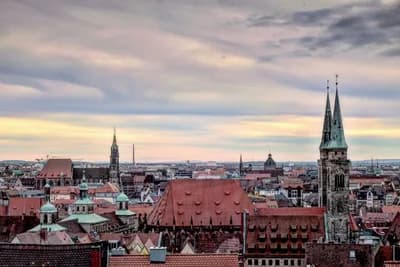
Nuremberg-Erlangen claims the title of Germany's fifth-largest startup hub by funding volume, powered by €120 million in seed-stage investments in 2025. Anchor corporations Siemens and Adidas actively spin off ventures in medtech and automation, while Friedrich-Alexander University graduates 900 engineers annually, many feeding into local incubators. The regional Bayern Digital program provides grants up to €50,000 for prototypes. Additionally, the city's incubators support 120 active startups, a 50% increase since 2023.
- 0#10

Aachen leads in deep tech, spawning 70 university spin-offs in 2025—more per capita than any German city under 300,000 residents. Backed by €80 million in annual public-private R&D funding, Aachen offers operational costs 30% lower than Munich, making it a lean, innovative ecosystem. Notably, the region has achieved a 90% survival rate for incubated startups after two years.
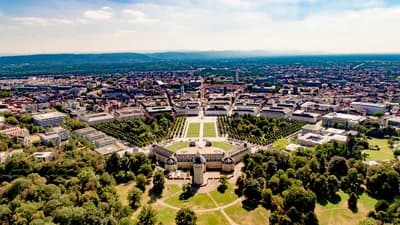
Image credits
- Berlin: Wikipedia
- Munich: Anastasia Shuraeva / Pexels
- Hamburg: Hamburg / Wikipedia
- Frankfurt: Jose Joseph / Pexels
- Cologne-Dusseldorf: Miguel Andres Parra / Pexels
- Stuttgart: photomood_55 / Pexels
- Karlsruhe: Paul Goodman / Pexels
- Leipzig: Antonio Friedemann / Pexels
- Nuremberg-Erlangen: Lander Lai / Pexels
- Aachen: Sergio Scandroglio / Pexels
Related Videos
Rank it your way
Remix this list into your own ranking, or head to the play hub for every game mode and community breakdown — blind mode, challenges, tier lists, and more.
You Might Also Like
Top 10 Christian Charities Making the Biggest Impact
Top 10 Startup Hubs in Germany 2026

Top 10 Best Side Hustles That Became Empires
Top 10 Best Side Hustles That Became Empires

Top 10 Most Failed Startup Ideas
Top 10 Most Failed Startup Ideas

Top 10 Most Overhyped Startups
Top 10 Most Overhyped Startups

Top 10 Best Business Conferences
#1 Web Summit — Lisbon · #2 CES — Las Vegas · #3 Davos World Economic Forum — Switzerland

Top 10 Worst Business Advice from Billionaires
#1 "Drop Out of College" — Peter Thiel · #2 "Sleep on the Factory Floor" — Elon Musk · #3 "Follow Your Passion" — Oprah Winfrey