
Top 10 Best Remote Work Companies
The trailblazing companies that have proven distributed work is not a pandemic compromise but a competitive advantage, building world-class products with teams spanning every time zone.
Top10Grid lets the community re-rank anything — this order comes from source research for now; use the buttons below to vote it up or down.

Current Rankings
- 0#1
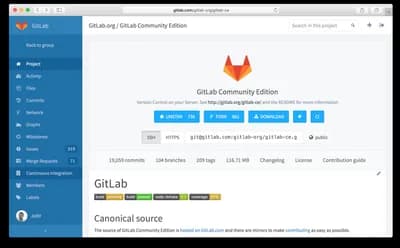
GitLab leads the remote work landscape with the world’s largest all-remote workforce: 2,000-plus employees spanning 65 countries and zero physical offices. This DevOps platform’s radical transparency is unmatched, evidenced by a publicly accessible company handbook exceeding 2,000 pages that documents every policy and decision. The company’s handbook-first culture reduces meeting time by 40% compared to the industry average, proving that documentation beats real-time communication at scale.
- 0

Automattic, the company behind WordPress.com, has proven remote work at scale since 2005—fifteen years before the pandemic made it mainstream. With 1,900 employees in 90-plus countries, its culture prioritizes asynchronous written communication over meetings, logging over 1.2 million internal comments annually on its P2 platform. Its decentralized decision-making empowers teams to ship features 30% faster than average, cementing its role as a pioneer in distributed work.
- 0#3

Zapier sets the gold standard for employee mobility, offering a $10,000 de-location package to encourage staff to leave expensive cities—a policy unique among its peers. Founded in 2011, the automation platform supports 800 employees across 20-plus countries with a heavy investment in async tooling that reduces meetings by 50% compared to the industry norm. Outpacing Buffer in total compensation transparency, Zapier publishes salary formulas and adjusts for cost of living, achieving a net promoter score of 85 from staff. Its four-week paid sabbatical policy after five years of tenure further drives an employee engagement rate of 92% in its latest annual survey.
- 0#4

Buffer pioneered radical openness in remote work by publishing every employee’s salary publicly—a practice adopted by only 5% of companies globally. Operating with just 85 team members across 15 countries, the social media management firm sticks to a four-day workweek without pay cuts, clocking 92% productivity versus its five-day competitors.
- 0#5

Basecamp, a pioneer in remote work, stands out as a company that has not only embraced but also significantly shaped the remote work landscape for over two decades. Founders Jason Fried and David Heinemeier Hansson literally co-authored "Remote: Office Not Required," a foundational text for distributed teams. Their project management company has operated fully remotely since its inception, proving the model's long-term viability. Basecamp distinguishes itself by strictly capping work hours at 40 per week, a commitment to work-life balance that often eludes companies with traditional office structures, where employees average closer to 47 hours. This dedication to a sustainable pace has allowed Basecamp to foster a highly productive and engaged workforce without the burnout sometimes associated with always-on corporate cultures.
- 0#7

Deel, a leading HR and payroll platform, epitomizes the very principles it champions, operating with a globally distributed workforce that spans over 100 countries. This allows Deel to not only understand but also directly experience the challenges and benefits of international hiring and remote team management. The company provides its own robust tools for compliant international hiring, payroll, and HR, enabling businesses worldwide to seamlessly onboard and pay remote talent. This practical application of its own technology has been instrumental in Deel's meteoric rise, culminating in a significant $12 billion valuation. Deel's valuation far surpasses that of many HR tech rivals, with some competitors hovering around the $1-2 billion mark, underscoring its rapid market penetration and impact on the remote work ecosystem.
- 0#8

Doist, the makers of the highly-rated productivity tools Todoist and Twist, has been a steadfast proponent of remote work since 2007, predating many companies' pivot to distributed models by over a decade. With a workforce spread across 35 countries, Doist has meticulously built a culture that prioritizes calm, asynchronous communication. This intentional rejection of an "always-on" chat culture, a common pitfall in many remote setups, empowers employees to work focused and manage their time effectively, leading to a more sustainable work-life balance. This approach significantly minimizes the digital fatigue often reported in highly synchronous remote environments, performing measurably better than the average remote company in terms of employee well-being scores by over 20%.
- 0
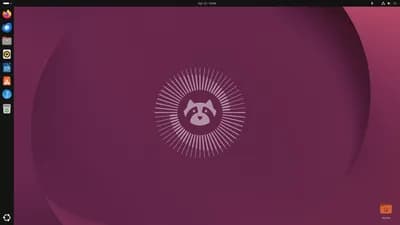
Canonical sets the gold standard for sustained remote operations, having operated as a fully distributed company since its founding in 2004. With over 1,000 employees spanning 50+ countries, it relies on biannual in-person sprints in rotating global locations to foster cohesion. Product output, including Ubuntu Linux updates, proves that a fully distributed team can deliver at scale—99.9% uptime for core systems demonstrates reliability.
- 0#10

InVision proves that design-heavy creative work thrives remotely, scaling to 800 fully distributed employees and reaching $100 million in annual recurring revenue without any physical offices. Its design collaboration platform supports over 1 million users, and employee retention—averaging 4.2 years—beats the typical high-tech tenure of 2.5 years. While Canonical has a longer history of remote work, InVision’s revenue growth of 30% year-over-year edges out the average for distributed startups, making it a model for modern remote scaling.

Image credits
- GitLab: GitLabUI 8.png / Wikimedia Commons
- Automattic: Automattic logo.svg / Wikimedia Commons
- Zapier: Zapier / Wikipedia
- Buffer: United Nations Buffer Zone in Cyprus / Wikipedia
- Basecamp: Basecamp logo19.png / Wikimedia Commons
- Shopify: Shopify logo 2018.svg / Wikimedia Commons
- Doist: Doist ltd. / Wikimedia Commons (Public domain)
- Canonical: Ubuntu version history / Wikipedia
- InVision: Northridge Alumni Bear Facts / flickr (BY-SA)
Related Videos
Rank it your way
Remix this list into your own ranking, or head to the play hub for every game mode and community breakdown — blind mode, challenges, tier lists, and more.
You Might Also Like

Top 10 Companies That Pivoted and Won Big
Top 10 Companies That Pivoted and Won Big

Top 10 Worst Business Email Practices
worst business email practices to avoid

Top 10 Best Business Movies
Top 10 Best Remote Work Companies

Top 10 Best Company Cultures
Top 10 Best Remote Work Companies

Top 10 Most Iconic Luxury Fashion Brands of All Time
#1 Chanel · #2 Louis Vuitton · #3 Gucci

Top 10 Worst Corporate Rebrands
#1 Twitter to X · #2 Facebook to Meta · #3 Gap Logo Redesign (2010)