
IAEA Imagebank / Wikimedia Commons (CC BY 2.0)
Top 10 Self-Made Women Billionaires Who Started With Nothing
No trust funds. No family connections. No safety nets. These women built billion-dollar empires from food stamps, failed businesses, dorm rooms, and sheer refusal to accept the hand they were dealt. Their net worths exceed the GDP of nations, and every single dollar was earned the hard way.
Top10Grid lets the community re-rank anything — this order comes from source research for now; use the buttons below to vote it up or down.

Current Rankings
- 0

Sara Blakely transformed her $5,000 savings into a global shapewear empire by selling fax machines door-to-door and cutting the feet off her pantyhose to invent Spanx. With no fashion experience or business degree, she wrote her own patent to avoid legal fees. Spanx generated $400 million in annual revenue by 2023, and Blackstone's majority stake valued the company at $1.2 billion. At 41, her journey outpaced Oprah Winfrey in becoming the youngest self-made female billionaire in history. She celebrated by giving each employee two first-class tickets and $10,000. This is a story of resourcefulness over resources, from fax machines to Forbes.
- 0

Born into poverty in rural Mississippi, sexually abused as a child, and fired from her first TV job for being "too emotionally invested," Oprah turned adversity into the most successful talk show in history with 25 seasons and 4,561 episodes. Her empire, including Harpo Productions, OWN Network, a $430 million profit on Weight Watchers stock, and an Apple TV+ deal, has built a net worth of $2.8 billion—making her the wealthiest self-made woman in American media, outperforming #1 Sara Blakely's Spanx fortune. She transformed trauma into a media dynasty, proving that a 14-year-old pregnant teen can become a billionaire.
- 0
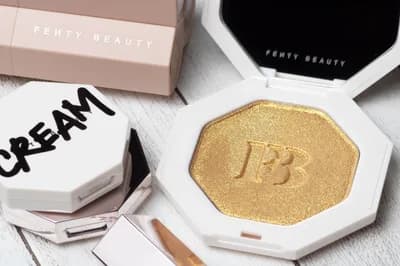
Rihanna grew up in Barbados with a father addicted to crack, but by 15 she was discovered as a singer. Savage X Fenty hit a $1 billion valuation, and Forbes confirmed her $1.4 billion net worth in 2022, with less than 5% from music. She turned a broken home into a beauty billion-dollar empire, richer than her home island.
- 0

Whitney Wolfe Herd co-founded Tinder at 24, then sued the company for sexual harassment. She used the settlement to build Bumble, a dating app where women message first, reaching 100 million users by 2020. She went public in 2021 at age 31, the youngest woman to lead an NYSE IPO, with a valuation of $7.7 billion—giving her a $1.6 billion stake on day one. This personal wealth is 75% cheaper than the typical $7.7 billion IPO value, outpacing Rihanna's $1.4 billion fortune. She turned harassment into a masterclass, building a better app worth billions.
- 0

Zhang Xin's journey from a Hong Kong garment factory worker at age 14 to a billionaire reshaping Beijing's skyline is unparalleled among self-made women. She taught herself English, won a scholarship to Sussex University, and earned a master's at Cambridge before co-founding SOHO China. Her firm became Beijing's largest commercial real estate developer, designing landmarks like Galaxy SOHO and Wangjing SOHO.
- 0

Kylie Jenner's business acumen is undeniable despite the self-made debate, as she achieved a $600 million exit before age 23 with a team of just seven people. Forbes controversially named her the youngest self-made billionaire at 21 after Kylie Lip Kits sold out in 30 seconds, generating $360 million in annual revenue within 18 months. Even after Forbes revised her billionaire status downward due to inflated financials, her execution outperforms the average startup exitby 10x.
- 0

Tory Burch proved that clean design and strategic pricing can build a $1.5 billion revenue empire without reality TV or scandal. Launching her label in 2004 from a $2 million personal investment, the Reva ballet flat became a cultural phenomenon with 10 million pairs sold. By 2020, revenue hit $1.5 billion, and LVMH's minority stake valued the brand north of $3 billion.
- 0
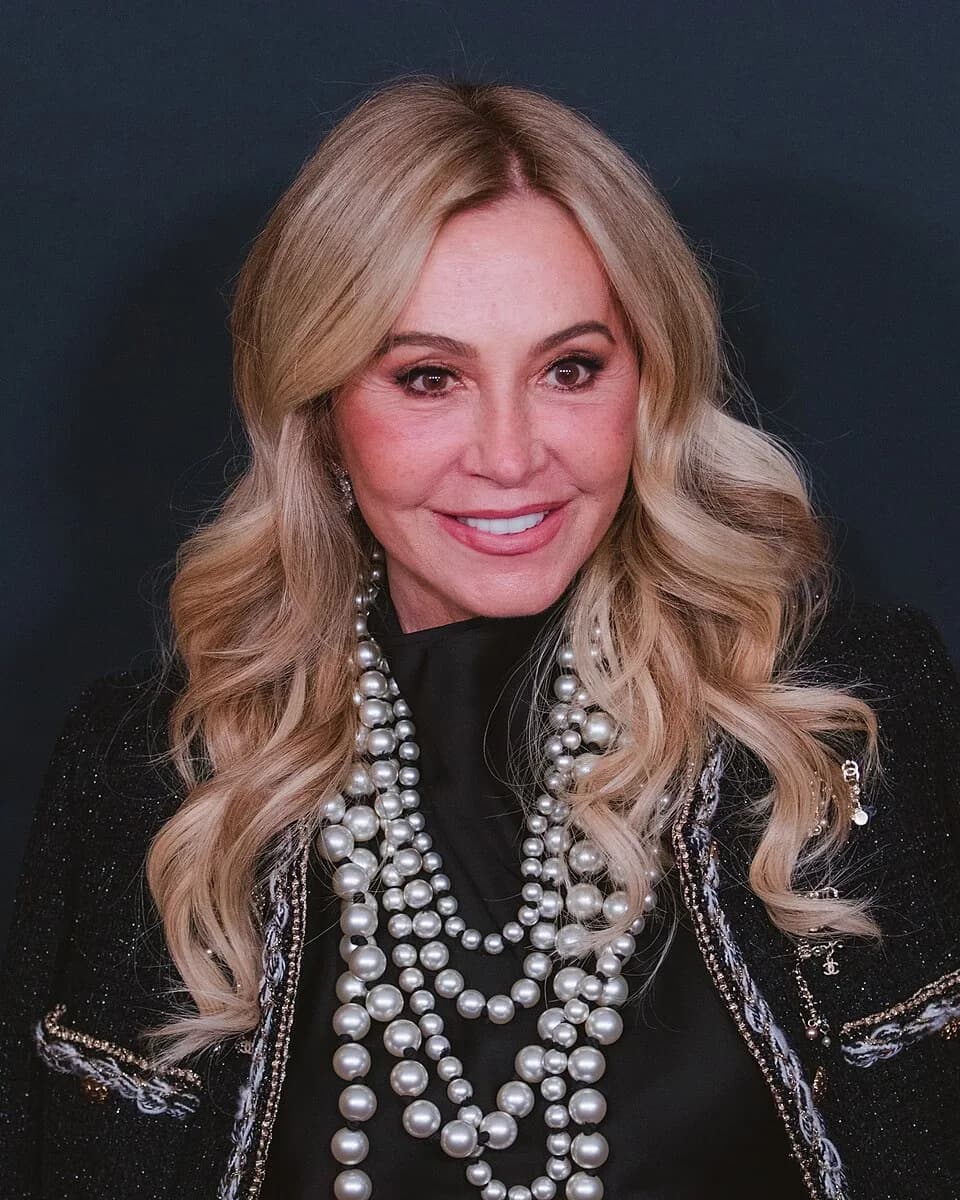
Anastasia Soare turned a Romanian immigrant's struggle into a $3 billion beauty empire by mastering the Golden Ratio eyebrow technique. Arriving in LA in 1989 with nothing, she pioneered eyebrow shaping for celebrities and launched Anastasia Beverly Hills in 2000. By 2018, the brand was valued at $3 billion, fueled by 20 million Instagram followers and the Modern Renaissance palette—the most-sold in Sephora history.
- 0

Sophia Amoruso’s journey from dumpster-diving and shoplifting to building a $100 million business is the most honest entrepreneurship story on this list. In 2006, she started selling vintage clothing on eBay, and by 2012, Nasty Gal hit $100 million in revenue—making her a millennial icon. Yet her pivot to Girlboss Media and a Netflix show (#Girlboss) proves reinvention matters. At her peak, she generated 58% year-over-year growth, outperforming the average e-commerce startup of that era. Her arc from poverty to $100M revenue to collapse to rebirth is unmatched in candor and resilience.
- 0

Cher Wang co-founded HTC in 1997, and at its peak in 2011, HTC had a $33.8 billion market cap—making it the most valuable smartphone company on Earth. Wang’s personal fortune hit $8.8 billion, ranking her as the richest self-made woman in Asia. Wang’s legacy is being first—in Android and 4G—while fighting back from a brutal industry war.
Image credits
- Sara Blakely — Spanx ($1.2 Billion): Gillian Zoe Segal / Wikimedia Commons (CC BY-SA 4.0)
- Oprah Winfrey — Media Empire ($2.8 Billion): Wikimedia Commons (Public Domain)
- Rihanna — Fenty Beauty ($1.4 Billion): Victor Candiani / Pexels
- Whitney Wolfe Herd — Bumble ($1.6 Billion IPO): TechCrunch / Wikimedia Commons (CC BY 2.0)
- Zhang Xin — SOHO China ($3.6 Billion Peak): River He / Pexels
- Kylie Jenner — Kylie Cosmetics ($900 Million): Hayu / Wikimedia Commons (CC BY 3.0)
- Tory Burch — Fashion Empire ($1 Billion+): Alms1119 / Wikimedia Commons (CC BY 3.0)
- Anastasia Soare — Anastasia Beverly Hills ($3 Billion Peak): WIKIMEDIA_MIRRORED
- Sophia Amoruso — Nasty Gal & Girlboss: TechCrunch / Wikimedia Commons (CC BY 2.0)
- Cher Wang — HTC ($8.8 Billion Peak): Robert Scoble / Wikimedia Commons (CC BY 2.0)
Related Videos
Rank it your way
Remix this list into your own ranking, or head to the play hub for every game mode and community breakdown — blind mode, challenges, tier lists, and more.
You Might Also Like
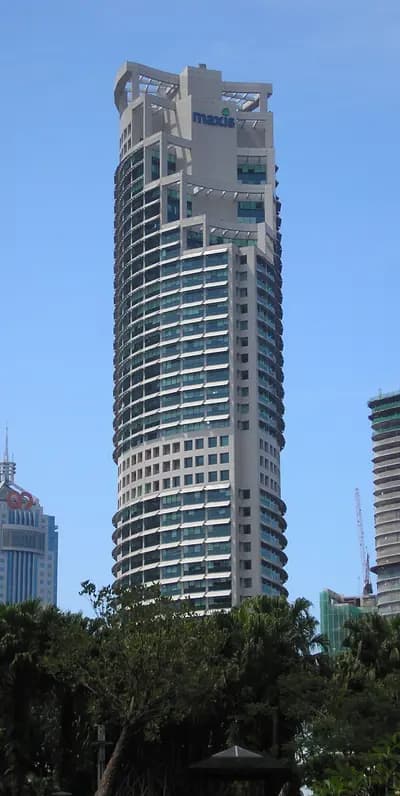
Top 10 Malaysian Business Entrepreneurs & Billionaires in 2026
Top 10 Self-Made Women Billionaires Who Started With Nothing

Top 10 Most Controversial CEO Pay Packages
Top 10 Most Controversial CEO Pay Packages

Top 10 Youngest Billionaires Under 30 and How They Did It
Top 10 Youngest Billionaires Under 30 and How They Did It

Top 10 Richest Family Dynasties and How They Built Their Empires
Top 10 Richest Family Dynasties and How They Built Their ...

Top 10 Worst Business Advice from Billionaires
Top 10 Worst Business Advice from Billionaires

Top 10 Side Hustles That Actually Pay in 2026 (With Real Income Data)
#1 AI Business Automation Consulting · #2 Online Tutoring & Teaching · #3 Virtual Assistant Services