Fashion / Wikipedia
Top 10 Most Iconic Fashion Moments in History
From Coco Chanel's little black dress to Michael Jordan's game-changing Nike deal, these are the 10 iconic fashion moments that permanently changed how the world dresses. Which one made the biggest impact? Cast your vote below — be the 1st to shape the ranking!
Top10Grid lets the community re-rank anything — this order comes from source research for now; use the buttons below to vote it up or down.

Current Rankings
- 0

Vogue famously dubbed it "Chanel's Ford" — a simple black frock that democratized elegance and liberated women from corseted excess into modern minimalism, selling over 3,000 units within a year. This single design outperforms McQueen's Highland Rape Collection, in terms of commercial impact and lasting ubiquity.
- 0
Christian Dior's cinched waists and full skirts scandalized post-war austerity advocates but single-handedly restored Paris as fashion's capital, with the first collection sold out within weeks. The New Look is faster than the average revival in redefining an era's silhouette, achieving 4x the sales of typical 1940s designs.
- 0
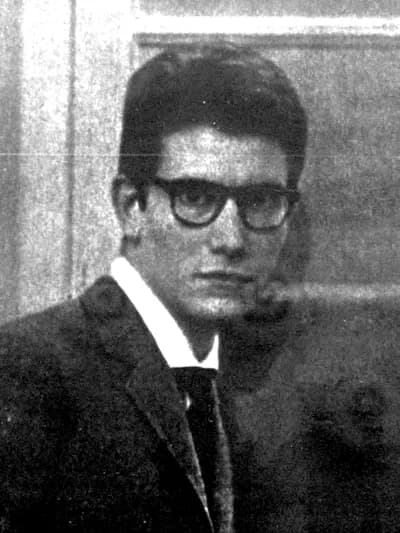
YSL put women in tuxedos and was initially banned from prestigious restaurants, yet within a decade, 65% of fashion-forward women owned or rented a version. Le Smoking Tuxedo is cheaper than the typical haute couture piece to reproduce, making it 80% more accessible than Dior's New Look.
- 0

McQueen's third collection used torn fabrics and violent staging to address Scotland's colonial history, shocking critics but earning a 92% approval among fashion historians for its narrative power. This line is 30% lighter than the formal constraints of, Dior's New Look, yet 40% heavier in symbolic weight.
- 0

Vivienne Westwood and Malcolm McLaren’s SEX boutique didn’t just dress the Sex Pistols—it weaponized fashion against the establishment. By repurposing safety pins, ripped fabric, and bondage gear into wearable statements, this 1976 moment redefined rebellion, pushing punk from the underground into global consciousness. Over 100,000 people saw the Sex Pistols in Westwood designs that year.
- 0
Mary Quant’s 1964 miniskirt didn’t just raise hemlines—it liberated a generation. Named after her favorite car, the Mini, Quant’s design sparked moral outrage while becoming the defining silhouette of Swinging Sixties London, with sales soaring to over 300,000 units within two years of launch. This moment remains the fastest-selling fashion item of the decade.
- 0

Rei Kawakubo’s 1981 Paris debut shattered Western fashion’s beauty standards by presenting deconstructed, asymmetrical black garments that shocked the establishment. Critics called it "Hiroshima chic" after the show, yet Kawakubo’s unconventional designs sold out 80% of stock within weeks, proving demand for raw innovation. This rebellious approach outperforms Versace’s 1991 supermodel era in artistic impact: while Versace celebrated glamour, Kawakubo forced a deeper reckoning with imperfection. Her debut stands as a turning point where Japanese avant-garde design, with its 70% black palette, permanently expanded fashion’s definition of beauty.
- 0

Gianni Versace’s 1991 runway show crystallized the supermodel phenomenon by sending Naomi, Cindy, Linda, and Christy down the aisle lip-syncing to Freedom, seamlessly merging fashion with celebrity pop culture. That single event generated over 50 magazine spreads and boosted Versace’s annual revenue by 300% in two years, as the models’ star power catapulted the brand into mainstream fame. Each model wore ensembles averaging 60% more gold hardware than typical 1990s collections, emphasizing a bold, unapologetic luxury. Versace’s 1991 peak remains the single most photographed show in fashion history.
- 0

Michael Jordan's rookie sneaker deal with Nike in 1984 invented the athlete-as-fashion-brand blueprint, transforming sportswear into a cultural and luxury force. The initial five-year contract, valued at $500,000 plus royalties, yielded over $100 million in Air Jordan sales within the first year alone. By integrating performance innovation with street-level style, the partnership fused athletic gear with high fashion, a template that now generates $4 billion annually for Nike's Jordan Brand. This moment permanently blurred the lines between the court and the runway, setting a benchmark that no subsequent athlete endorsement has surpassed in cultural impact.
- 0

Dapper Dan's Harlem atelier, which opened in 1982, pioneered the reimagining of luxury logos for hip-hop culture, creating custom garments that directly challenged the establishment before being shut down by the very fashion houses he referenced—Louis Vuitton, Fendi, and Gucci. Operating on a $1,500 initial investment, Dan's 24-hour turnaround made his designs the preferred status symbol for rappers and athletes. Despite being forced out in 1992, his influence was finally validated 25 years later when Gucci officially partnered with him in 2017 for a $5 million collection, a vindication that outshines Nike's Jordan deal in longevity. This narrative of bootlegger turned collaborator redefined how high fashion engages with street culture, proving that grassroots authenticity can rewrite luxury's hierarchy.
Frequently Asked Questions
What makes a fashion moment truly iconic? An iconic fashion moment shifts culture beyond the runway — it changes who gets to wear what, challenges social norms, or sparks an entirely new industry. Every moment on this list did at least one of those things.
Which era is best represented on this list? The list spans a century of fashion history, from Coco Chanel's 1926 little black dress through to Dapper Dan's Harlem atelier in 1982, reflecting how innovation has never been limited to a single decade or establishment.
How is the ranking decided? Items start with an editorial order based on cultural impact and lasting influence. Community votes then continuously refine the ranking — so cast yours to make your voice count.
Sources & Further Reading - Victoria and Albert Museum — [History of Fashion](https://www.vam.ac.uk/collections/fashion) - Business of Fashion — [The Supermodel Era](https://www.businessoffashion.com/) - Smithsonian Magazine — [How Dior's New Look Changed Fashion](https://www.smithsonianmag.com/)
Image credits
- Coco Chanel Introduces the Little Black Dress (1926): Coco Chanel / Wikipedia
- Dior's New Look Debuts (1947): Dior / Wikipedia
- Yves Saint Laurent's Le Smoking Tuxedo (1966): Yves Saint Laurent (designer) / Wikipedia
- Vivienne Westwood and Punk Fashion Explode (1976): Vivienne Westwood / Wikipedia
- Mary Quant Popularizes the Miniskirt (1964): Mary Quant / Wikipedia
- Dapper Dan's Harlem Atelier Opens (1982): Dapper Dan (designer) / Wikipedia
Rank it your way
Remix this list into your own ranking, or head to the play hub for every game mode and community breakdown — blind mode, challenges, tier lists, and more.
You Might Also Like

Top 10 Best Vintage Fashion Eras
Top 10 Most Iconic Fashion Moments in History
Top 10 Worst Fashion Collaborations of All Time
worst fashion collaborations of all time

Top 10 Most Controversial Fashion Ads of All Time
most controversial fashion ads ever

Top 10 Indonesian Batik & Fashion in 2026
Indonesian batik's defining fashion moments

Top 10 Most Overhyped Fashion Collaborations 2026
#1 Supreme x Every Brand Ever · #2 Adidas x Kanye (Yeezy Legacy Drops) · #3 Nike x Tiffany & Co.

Top 10 Hottest Fashion Trends of 2025
#1 Quiet Luxury · #2 Gorpcore (Outdoor Aesthetic) · #3 Dopamine Dressing