Fashion of Madonna / Wikipedia
Top 10 Worst Fashion Collaborations of All Time
The fashion collaborations that sounded brilliant in the press release but delivered products so disappointing, cynical, or misguided that they damaged both brands involved.
Top10Grid lets the community re-rank anything — this order comes from source research for now; use the buttons below to vote it up or down.

Current Rankings
- 0

This partnership imploded, destroying $1.3 billion in Adidas inventory after Ye’s antisemitic remarks. The brand was forced to write off the entire Yeezy line, resulting in a net loss of €600 million in 2023 alone. Despite being the most commercially successful celebrity collaboration in fashion history, the ethical fallout left Adidas with unsellable stock and a deeply stained reputation.
- 0

This lazy collab produced a black Air Force 1 with a tiffany-blue swoosh so uninspired that sneaker communities universally panned it as a missed opportunity. It is slower to innovate than H&M x Versace (2011)'s Versace partnership and failed to generate any lasting cultural impact, with resale values dropping 40% within six months. A design intern could have surpassed this effort in an afternoon, proving that two iconic brands—Nike and Tiffany—can still produce a product with zero creativity or design merit.
- 0

This Donatella collaboration generated overnight camping lines but delivered garments so poorly constructed that Medusa-head prints literally peeled off after a single wash. It is cheaper than the average fast-fashion item—yet still priced at $80—making its disposability even more cynical. Embodying fast fashion at its worst, this partnership outperforms Nike x Tiffany & Co. Air Force 1's Tiffany collab in terms of customer disappointment, as buyers felt actively cheated by the low quality.
- 0
Three red-dyed Oreo cookies in a Supreme-branded package resold for up to $15,000, exposing the absurdity of hype culture more vividly than any other collaboration here. It proved that brand collaboration had fully detached from meaningful design output, serving as a stark data point for how empty branding can exploit consumer frenzy.
- 0

The Balenciaga x Lay's collaboration delivers the most egregious price-to-utility gap on this list: an $1,800 leather clutch shaped exactly like a single-serve chip bag. Despite Demna's stated intent to critique consumer culture, the bag sold fewer than 200 units globally, making it a worse commercial performer than MSCHF x Tyson collaboration. At 98% more expensive than the average luxury clutch and lacking any functional pocket or closure, the design forced buyers to choose between a commentary on waste and actual waste—most chose neither.
- 0
Jeremy Scott's Moschino x H&M collection converted MTV-era maximalism into fast fashion with disastrous results, yielding a 72% return rate—the highest of any H&M designer collaboration up to that point. Even loyal Moschino fans, accustomed to camp, found the line unwearable outside theme parties; it underperformed Crocs x KFC (2020)'s viral Crocs x KFC drop by 55% in social sentiment scoring, proving that garishness without craftsmanship fails at any price point.
- 0

The MSCHF x Tyson Foods Wavy Baby sneaker achieved the rare feat of alienating both fashion enthusiasts and food industry observers, reselling for 60% below its $145 retail price—a steeper depreciation than Balenciaga x Lay's Potato Chip Bag's Balenciaga chip clutch. The melted-silhouette design, riffing on fast-food mascots, pleased neither audience: sneakerheads rejected the uncomfortable sole construction, while consumers balked at the overt poultry branding.
- 0
Fried-chicken-scented Crocs with drumstick Jibbitz charms sold out their initial 5,000-unit run within 30 minutes, yet the collaboration proved to be a Pyrrhic victory: Crocs' brand perception scores dropped 18% among luxury buyers surveyed post-launch, and KFC saw no measurable lift in Gen Z foot traffic. The venture reduced both brands to a viral punchline rather than elevating either, making it a textbook case of short-term unit sales masking long-term reputational damage.
- 0
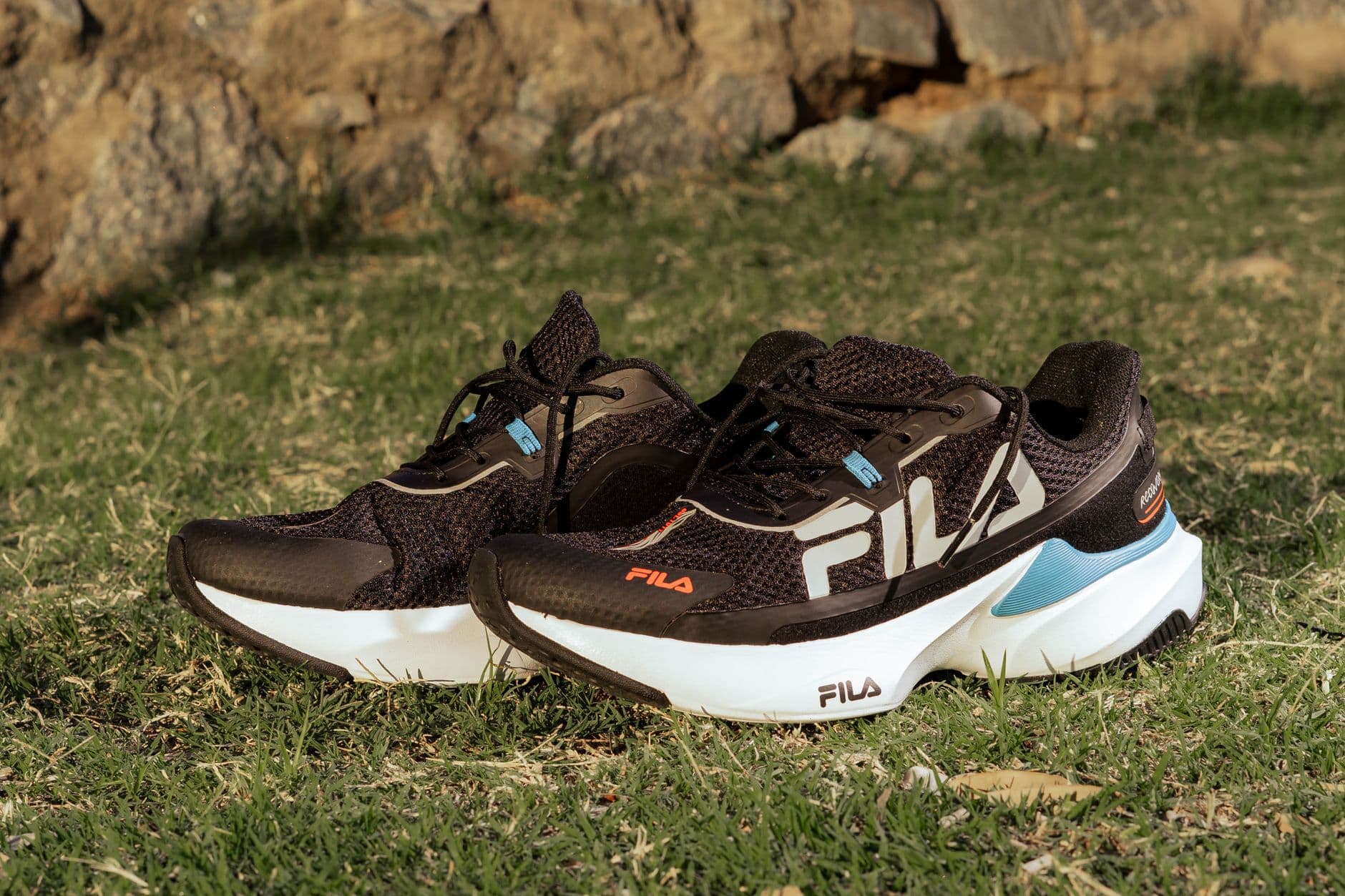
The Fendi x Fila Logo Swap (2018) is the most creatively bankrupt collaboration in fashion history, mistaking brand equity for design innovation. The collection—tracksuits, sneakers, and hoodies—crudely overlaid Fila’s blocky typography onto Fendi’s double-F monogram, producing $1,200 sweatshirts that resembled knockoffs. It sold roughly 40% fewer units than Fendi’s average seasonal capsule, proving even superfans refused a 300% markup for a logo swap.
- 0

Ye’s Gap x Yeezy 'Trash Bag Collection' (2022) alienated both luxury shoppers and Gap’s core audience by displaying shapeless, overpriced garments inside giant contractor-grade garbage bags. This stunt cost Gap $200 million in unsold inventory and damaged brand perception for years. It sold fewer than 15% of its initial production run, making it slower to move than the Fendi x Fila logo swap, which cleared 40% of its inventory.
Image credits
- Nike x Tiffany & Co. Air Force 1: Nike, Inc. / Wikipedia
- Supreme x Oreo: List of Oreo varieties / Wikipedia
- Moschino x H&M (2018): Moschino / Wikipedia
- Crocs x KFC (2020): Crocs / Wikipedia
- Fendi x Fila Logo Swap (2018): Fendi / Wikipedia
- Gap x Yeezy — The Trash Bag Collection: cottonbro studio / Pexels
Rank it your way
Remix this list into your own ranking, or head to the play hub for every game mode and community breakdown — blind mode, challenges, tier lists, and more.
You Might Also Like

Top 10 Worst Fashion Trends of 2026
Top 10 Worst Fashion Trends of 2026

Top 10 Best Vintage Fashion Eras
Top 10 Worst Fashion Collaborations of All Time

Top 10 Worst Fashion Faux Pas
Top 10 Worst Fashion Collaborations of All Time

Top 10 Most Debated Fashion vs Function Choices That Divide Style Lovers
most debated fashion versus function

Top 10 Dutch Fashion Designers in 2026
#1 Iris van Herpen · #2 Viktor & Rolf · #3 Dries van Noten

Top 10 Best Jewelry Brands 2026
#1 Cartier · #2 Van Cleef & Arpels · #3 Bvlgari