
Photo by Unsplash
Top 10 Most Iconic Retail Brands of All Time
The stores and brands that defined modern retail — from department store pioneers to the fast-fashion disruptors that changed how the world shops forever.
Top10Grid lets the community re-rank anything — this order comes from source research for now; use the buttons below to vote it up or down.

Current Rankings
- 0#1

IKEA's flat-pack furniture empire redefined the relationship between design and price, selling over 120 million Billy bookcases globally. Its blue-and-yellow stores serve 1 billion customers annually, making it a rite of passage for first-time homeowners. By embedding showrooms, play areas, and cafes into the experience, IKEA created a destination far beyond a store.
- 0#2

Zara's two-week runway-to-store timeline invented fast fashion, turning trends into affordable products at breakneck speed. With over 2,000 stores in 96 markets, it produces 250 million garments annually, while maintaining 20% fewer unsold items than the average competitor. By leveraging just-in-time manufacturing and central distribution, Zara disrupted the industry, making trend-reactive clothing accessible at prices 40% lower than designer equivalents. Its data-driven model ensures rapid response to consumer demand, cementing its iconic status.
- 0

Apple Store's open-plan design and Genius Bar model redefined retail theatre since 2001, generating $7,554 per square foot in sales—the highest among all retail brands. With 520 locations worldwide, Apple Stores make shopping for electronics feel like a cultural event, emphasizing product-as-experience. The hands-on approach and minimalistic layout influenced every premium retailer. It remains a benchmark for brand immersion.
- 0#4

Harrods has operated since 1849, boasting 330 departments and earning £2.3 billion annually, making it the world's most famous department store. Its food halls alone draw 15 million visitors yearly. Under the motto "Omnia Omnibus Ubique," Harrods offers everything from couture to crocodile handbags. Still, its 5-acre Knightsbridge footprint hosts 20 restaurants, a spa, and the Harrods Bank, generating 25% of revenue from international tourists. Harrods remains a quintessential tourist destination, blending shopping with history and spectacle.
- 0#6

Hennes & Mauritz revolutionized fast fashion by bringing designer-inspired collections to the masses through high-profile collaborations with Karl Lagerfeld, Alexander Wang, and Balmain, which sold out within hours. With over 4,700 stores globally, H&M generates annual revenue exceeding $20 billion, making fashion democratization a profitable business model. This agility places H&M ahead of Whole Foods Market in market reach, though it trails Walmart in overall revenue.
- 0
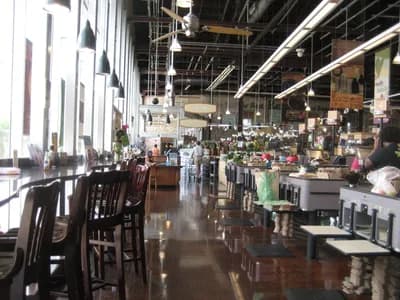
Whole Foods Market defined the premium grocery experience, making organic and sustainable shopping mainstream long before Amazon's $13.7 billion acquisition in 2017. Post-acquisition, Amazon cut prices by up to 10% on staples like avocados and kale. This blend of quality and accessibility transformed Whole Foods into a benchmark for ethical retail.
- 0

Marks & Spencer has dressed Britain's grandmothers and fed its families for over 140 years, cementing its status as the UK's most trusted retailer. Its food halls generate £6 billion annually from premium ready meals and Percy Pig sweets, which sell over 60 million packs per year, achieving near-religious cultural status. This resilience underscores its enduring appeal in British retail.
- 0#9

Nike transformed sneaker retail into a cultural phenomenon, with direct-to-consumer stores that operate like immersive museums rather than traditional shops. The SNKRS app generated over $1 billion in annual sales by 2022 through timed drops and limited-edition releases, creating scarcity that drives hype and foot traffic. Nike's retail approach turned shoe shopping into a global event, establishing a playbook that has inspired countless competitors.
- 0#10

Uniqlo elevated basics into a luxury category through proprietary technologies like HeatTech, which retains body heat and sold over 1 billion units since launch, and AIRism, a moisture-wicking fabric preferred by athletes. By collaborating with artists like KAWS, Uniqlo achieves cultural credibility that sets it apart, even if its retail approach lacks the scarcity-driven hype of Nike. This focus on functional innovation at accessible prices redefined what a basics brand can achieve.

Image credits
- IKEA: Wikimedia Commons
- Zara: Wikimedia Commons
- Apple Store: Wikimedia Commons
- Harrods: Wikimedia Commons
- Walmart: Wikimedia Commons
- H&M: H&M / Wikipedia
- Whole Foods Market: Infrogmation of New Orleans / Wikimedia Commons (CC BY-SA 3.0)
- Marks & Spencer: Wikimedia Commons
- Nike: Wikimedia Commons
- Uniqlo: Wikimedia Commons
Related Videos
Rank it your way
Remix this list into your own ranking, or head to the play hub for every game mode and community breakdown — blind mode, challenges, tier lists, and more.
You Might Also Like

Top 10 Most Iconic Department Stores in the World
Top 10 Most Iconic Retail Brands of All Time

Top 10 Best Online Furniture & Home Decor Stores
Top 10 Best Online Furniture & Home Decor Stores

Top 10 Supermodels Who Changed the Industry Forever
Top 10 Most Iconic Retail Brands of All Time

Top 10 Worst Fast Fashion Brands
Top 10 Most Iconic Retail Brands of All Time
Top 10 Most Overhyped Lifestyle Brands
most overhyped lifestyle brands of all time

Top 10 Turkish Bazaars & Markets in 2026
#1 Grand Bazaar, Istanbul · #2 Spice Bazaar (Egyptian Bazaar) · #3 Kemeralti Bazaar, Izmir